Do Nasal Strips Help With Sleep Apnea?
Share
If you're asking do nasal strips help sleep apnea, here's the honest answer up front: no. Nasal strips are not a treatment for sleep apnea, and they cannot stop the airway collapse that causes it. They can make your nose easier to breathe through, which may reduce snoring and improve comfort, but that is a different problem from apnea. If you have or suspect sleep apnea, a nasal strip is not a substitute for a diagnosis and proper treatment.
It's easy to lump snoring, a stuffy nose, and sleep apnea together because they all involve breathing badly at night. They are not the same thing, and confusing them is how people end up managing a serious condition with a drugstore strip. Let's separate what nasal strips do from what they can't.
What Nasal Strips Actually Do
A nasal strip is an adhesive band you place across the bridge of your nose. The stiff spring inside it pulls the sides of your nostrils outward, physically widening the nasal valve — the narrowest part of your nasal airway. The result is measurable and immediate: less resistance to airflow through the nose. External nasal dilators like these have been shown in research to reduce nasal airflow resistance and improve how easily people feel they can breathe through the nose.
That mechanical effect is real, but it is limited to one place: the nose. A strip works on the outside of your nostrils. It does nothing past the back of your nasal cavity. To understand why that matters for apnea, you have to know where apnea actually happens. We cover the mechanism in more detail in how TitanAir nasal strips work, but the short version is that a strip opens the front door and leaves the rest of the house untouched.
Where Sleep Apnea Actually Happens
Obstructive sleep apnea (OSA) is not a nose problem. It's a throat problem. During sleep, the muscles that hold your upper airway open relax. In people with OSA, the soft tissue at the back of the throat — behind the tongue and soft palate — collapses inward and blocks airflow, partially or completely. Your blood oxygen drops, your brain jolts you into a brief arousal to restore muscle tone, and you start breathing again, often without ever remembering it. This can repeat dozens or hundreds of times a night.
Notice where that collapse occurs: at the throat, far below anything a nasal strip touches. Widening your nostrils does not stop your throat from closing. This is the core reason nasal strips cannot treat sleep apnea — they work on the wrong part of the airway. A more open nose can make breathing feel easier, but it does not hold the throat open when the muscles let go.
Snoring vs. Congestion vs. Sleep Apnea
Most of the confusion around this question comes from blurring three separate things. They can overlap, but they are not interchangeable.
Nasal congestion is restricted airflow through the nose — from allergies, a cold, a deviated septum, or naturally narrow passages. This is the one thing a nasal strip is genuinely designed for. Open the nasal valve, and congested breathing gets easier.
Snoring is the sound of tissue vibrating as air squeezes through a narrowed airway, usually at the soft palate or the base of the tongue. Snoring can be harmless, or it can be a symptom of apnea. A nasal strip may soften snoring that is partly driven by nasal resistance, but plenty of snoring originates at the throat, where a strip has no effect.
Sleep apnea is repeated, full or partial airway collapse that interrupts breathing and drops your oxygen. It is a medical condition with real cardiovascular and metabolic consequences when left untreated. Snoring can be a warning sign of it, but not everyone who snores has apnea, and — importantly — some people with apnea don't snore loudly at all.
The trap is assuming that because a strip helps you breathe easier or snore less, it is also handling your apnea. It isn't. If you want help telling these apart, we wrote a full guide on snoring vs. sleep apnea and how to tell the difference.
What Nasal Strips Can Genuinely Help With
None of this means nasal strips are useless. It means they should be judged for what they are: a comfort and breathing aid, not a medical device. Used honestly, they do a few things well.
They reduce nasal resistance. If congestion or narrow nostrils make it hard to move air through your nose, a strip opens that pathway mechanically, without medication. This is their primary, evidence-supported use.
They may reduce snoring that is driven by the nose. When part of your snoring comes from working hard to pull air through a restricted nose, easing that resistance can quiet it down. If your snoring comes from throat collapse, a strip won't touch it.
They may make nasal breathing more comfortable overnight. Easier nasal airflow can make it more natural to keep your mouth closed and breathe through your nose, which many people find more comfortable and less drying. That's also why some people pair strips with mouth tape as a breathing-comfort routine — though, to be clear, neither one treats apnea.
For a broader look at what strips can and can't deliver in general, see do nasal strips work.
Nasal Strips vs. CPAP: Not a Fair Comparison
People searching "nasal strips vs CPAP" are usually hoping a strip can replace the machine. It can't, and framing them as alternatives is misleading. CPAP (continuous positive airway pressure) delivers pressurized air that physically splints the throat open, directly preventing the collapse that defines OSA. It treats the actual mechanism of the disease. A nasal strip widens your nostrils. These are not two versions of the same tool — one is a prescribed medical therapy for a diagnosed condition, and the other is a comfort aid for your nose.
Where the two can connect is comfort. Some CPAP users on a nasal mask or nasal pillows find easier nasal airflow makes therapy more tolerable, so a strip might support CPAP comfort for certain people. But it never replaces the pressure the machine provides. If you're weighing your options, we compare the full landscape in mouth tape vs. CPAP, nasal strips, and sleep aids.
What About Mild Sleep Apnea?
"Nasal strips for mild apnea" is a common search, and it deserves a careful answer. Mild OSA — an apnea-hypopnea index of roughly 5 to 15 events per hour — is often managed without CPAP, using positional therapy, weight management, or an oral appliance. Because the intervention is lighter, it's tempting to assume a nasal strip could quietly do the job.
It can't do the job on its own. Even in mild apnea, the events are still throat-level collapses that a strip does not prevent. A strip might improve nasal airflow enough to make nasal breathing easier, which can be a small piece of a broader plan — but "more comfortable" is not "treats mild apnea." Anyone with mild OSA should stay under a sleep specialist's care rather than treating a strip as the fix. Our overview of mouth tape and sleep apnea covers the same "complement, never substitute" principle.
The Part You Shouldn't Skip: Get a Sleep Study
This is the most important paragraph in the article. If you have sleep apnea, or you suspect you might, the responsible first step is a diagnosis — not a nasal strip, not mouth tape, and not any over-the-counter product. A home sleep test or in-lab study tells you whether you have apnea, how severe it is, and what treatment actually fits. Skipping that step because a strip made your nose feel clearer is how a treatable, consequential condition goes unmanaged.
Warning signs worth taking to a doctor include: a bed partner who notices you stop breathing or gasp awake, loud and frequent snoring, waking with morning headaches, and heavy daytime sleepiness even after a full night in bed. Any of those warrant an evaluation. Nasal strips and mouth tape are breathing-comfort aids. They are not diagnostic tools, and they are not treatment. Use them for what they are, and let a sleep physician handle the apnea question.
Frequently Asked Questions
Can nasal strips cure sleep apnea?
No. Sleep apnea is caused by the throat collapsing during sleep, and nasal strips only widen the nostrils. They cannot prevent airway collapse and cannot cure or treat apnea. They may improve nasal comfort, but that is a separate issue.
Will a nasal strip stop my snoring?
Sometimes, partially. If your snoring is driven by nasal congestion or narrow nostrils, easing that resistance can reduce it. If your snoring comes from tissue vibrating at the throat — as it often does — a nasal strip won't help. And snoring can be a sign of apnea, so persistent loud snoring is worth getting evaluated.
Can I use nasal strips instead of my CPAP machine?
No. CPAP treats the actual mechanism of obstructive sleep apnea by holding the airway open with pressurized air. A nasal strip only opens the nose. It cannot replace CPAP. At most, easier nasal airflow may make a nasal CPAP mask more comfortable for some users.
Do nasal dilators work better than nasal strips for apnea?
Internal nasal dilators and external strips both reduce nasal resistance, and neither treats sleep apnea. Whichever form you prefer, the effect is limited to the nose. They do not address throat-level collapse, so for apnea specifically the answer is the same for both: they are comfort aids, not treatment.
I think I might have sleep apnea. What should I do first?
Talk to a doctor and ask about a sleep study before relying on any product. A diagnosis tells you whether you have apnea and how severe it is, which determines the right treatment. Nasal strips or mouth tape may support comfort later, but they should never delay getting evaluated.
The Bottom Line
Do nasal strips help with sleep apnea? Not as a treatment. Apnea is airway collapse at the throat, and a nasal strip works only on the nose, so it cannot stop the events that define the condition. What nasal strips can honestly do is lower nasal resistance, which may ease congestion-driven snoring and make nasal breathing more comfortable for some people.
If you're dealing with a stuffy nose or want easier breathing at night, a strip like TitanAir Nasal Strips is a reasonable, drug-free comfort aid — and pairing it with mouth tape in the Deep Sleep Bundle can make nasal breathing feel more natural overnight. But if apnea is on the table, none of that replaces a diagnosis. Get the sleep study first, follow your physician's treatment plan, and treat nasal strips as what they are: a comfort tool, never a cure.
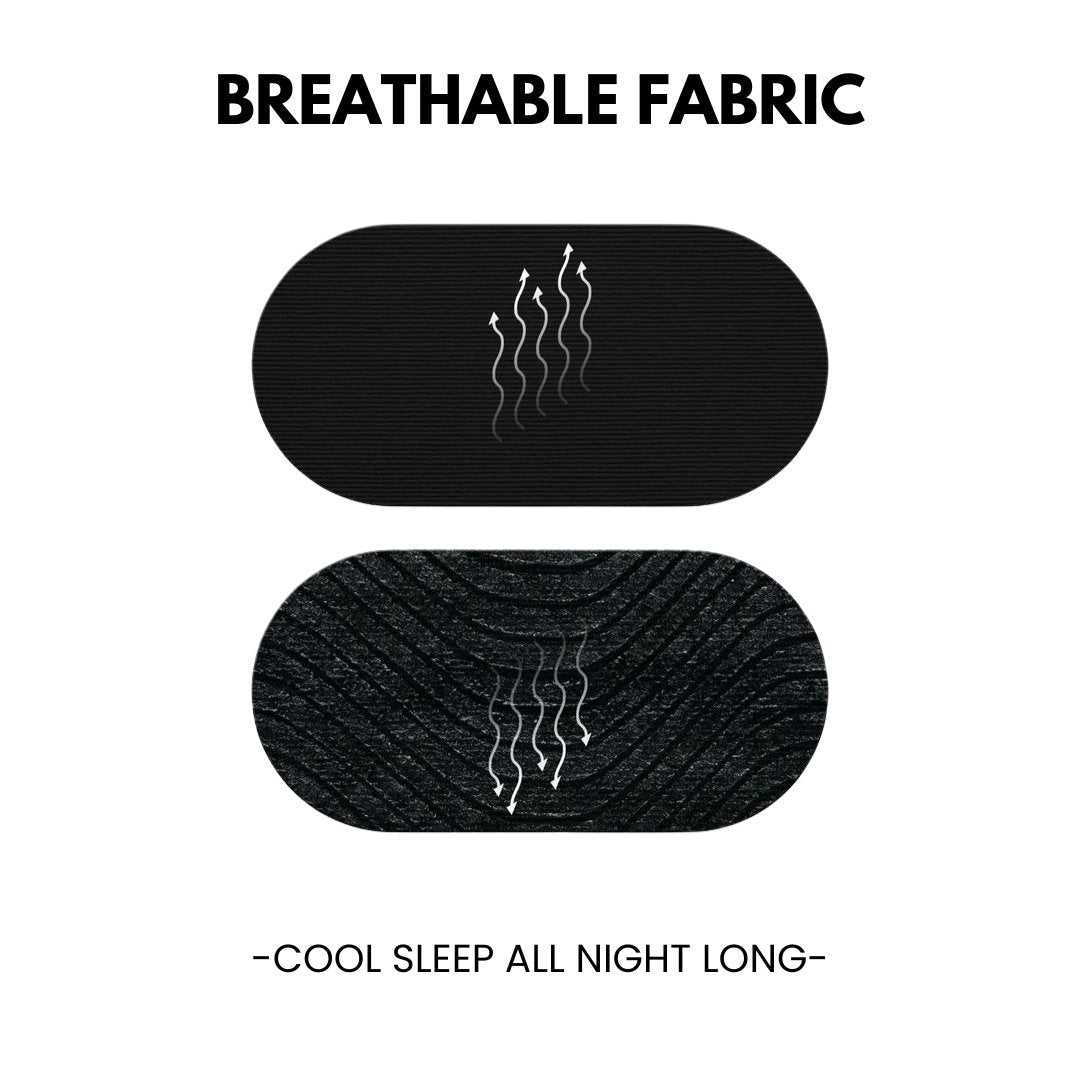
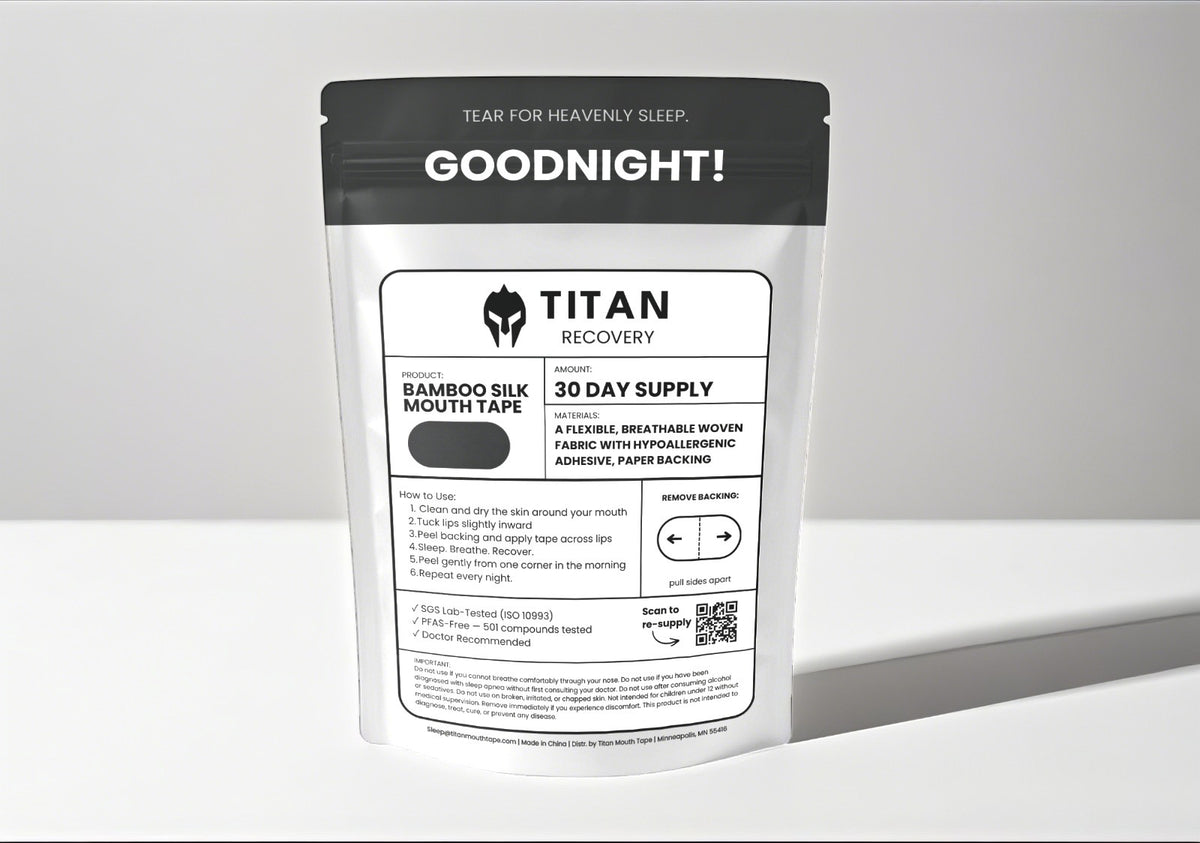
Doctor Recommended: "As a maxillofacial surgeon and dentist, I recommend Titan Mouth Tape. Nasal breathing during sleep is essential for airway health and deep restorative rest. Titan's bamboo silk design is the most comfortable and effective mouth tape I have tested. If you struggle with snoring, dry mouth, or poor sleep quality, this is the simplest change you can make for your health." — Dr. Francois P., MD, DDS — Maxillofacial Surgeon
Lab-Tested Safety: Titan's adhesive is independently tested to ISO 10993 medical device standards. Non-toxic (95% cell viability). Non-allergenic (0% reaction rate). Non-irritating (score 0.0/8.0). PFAS-free — 501 compounds tested, zero detected. See full test results →
Try the complete system tonight. Titan Mouth Tape (bamboo silk, SilkSeal™ adhesive) + TitanAir Nasal Strips. Free shipping. 30-night Better Sleep Guarantee. Shop Titan Mouth Tape → · Shop TitanAir Nasal Strips →