How to Stop Snoring Without a CPAP: 6 Alternatives That Work
Share
Your doctor gave you a CPAP. You tried it. You hated it.
The mask leaks. The hose tangles. The noise keeps your partner awake — which is ironic, because the snoring was the original problem. You rip it off at 2am. You "forget" to put it on. It sits on your nightstand collecting dust while you go back to snoring.
You're not alone. Research suggests CPAP compliance rates hover around 50% — meaning half the people prescribed a CPAP don't use it consistently. The device works. The experience doesn't.
If you're looking for ways to reduce snoring without a CPAP, here are the options that actually have evidence behind them — ranked by how quickly they work and how easy they are to maintain.
First: Understand Why You Snore
Snoring happens when air flows through a partially obstructed airway and vibrates the soft tissues of the throat. The obstruction can come from several places: the tongue falling backward, relaxed throat muscles, excess tissue in the soft palate, nasal congestion, or a combination.
The key distinction: snoring and sleep apnea are not the same thing. Snoring is a sound. Sleep apnea is a medical condition where breathing repeatedly stops during sleep. Many people snore without having sleep apnea. Some people have sleep apnea without loud snoring.
If you've been diagnosed with moderate to severe obstructive sleep apnea, CPAP is the gold standard treatment — and the alternatives below are not replacements for it. Talk to your doctor before making changes to your treatment.
If you snore but don't have sleep apnea — or if you have mild sleep apnea and your doctor has discussed alternatives — these interventions may help.
Option 1: Mouth Tape (Immediate Results)
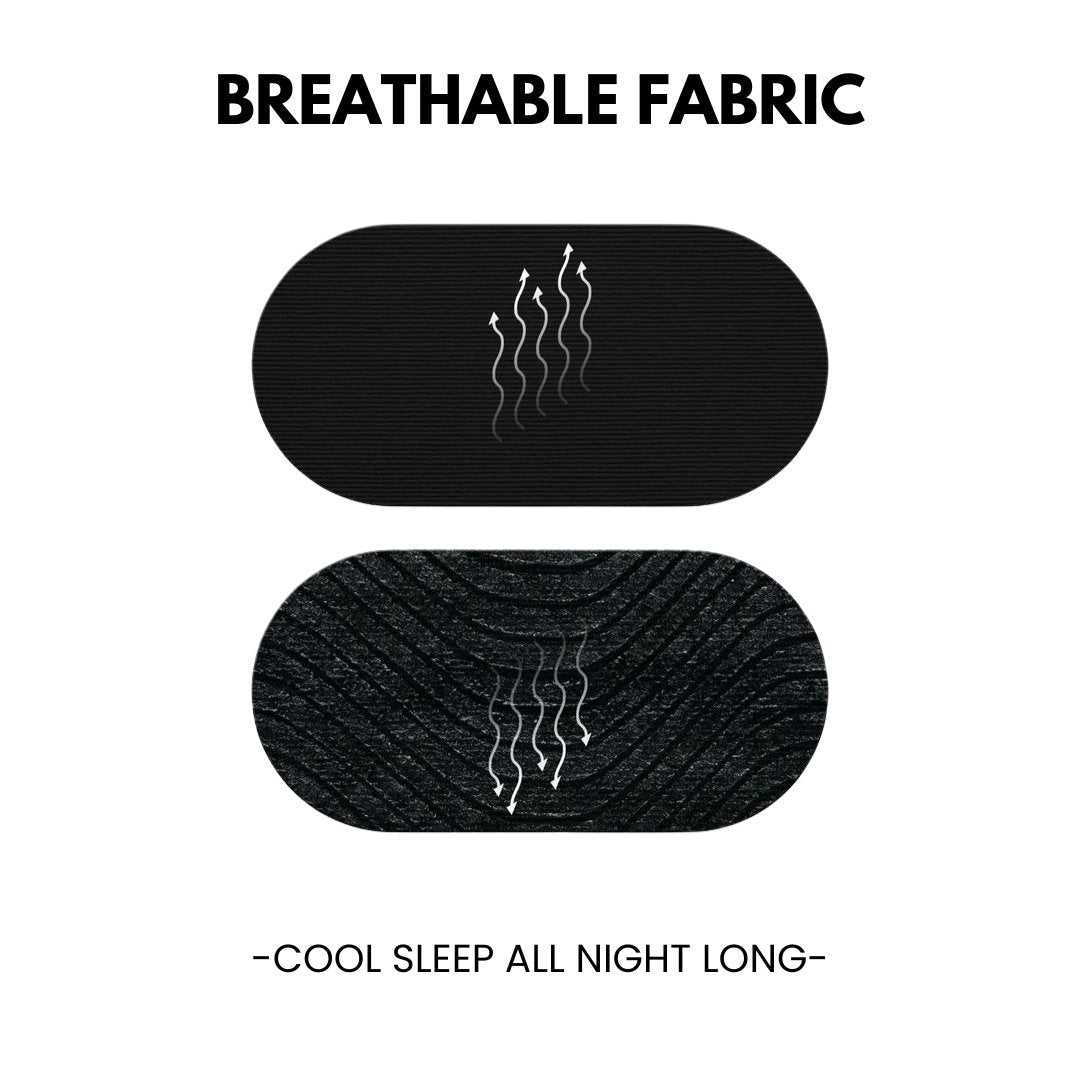
How it works: A strip of tape across your lips holds your mouth closed during sleep. When your mouth is closed, your tongue stays against the palate instead of falling backward into the airway. The airway stays more open. The vibration that causes snoring may be reduced or eliminated.
How fast it works: Most users report reduced snoring on night one. Partners often notice before the snorer does.
What the research says: Studies on mouth breathing and airway dynamics support the mechanism. When the mouth is sealed, tongue position and airway patency improve. Nasal breathing also produces nitric oxide, which research suggests may support vasodilation and airway smooth muscle relaxation.
Who it works best for: People who snore because their mouth falls open during sleep (the majority of snorers). People whose snoring is positional. People who've tried nasal strips alone without success (nasal strips open the nose but don't close the mouth).
Who it doesn't work for: People who can't breathe through their nose due to severe congestion or structural issues. People with moderate to severe obstructive sleep apnea (consult your doctor). People whose snoring is caused by factors mouth tape doesn't address (extreme obesity, large tonsils, anatomical abnormalities).
Cost: $0.50-0.85 per night for purpose-built mouth tape. Free shipping available from some brands.
Option 2: Nasal Strips or Dilators (Immediate Results)
How they work: External nasal strips (like TitanAir or Breathe Right) use adhesive strips with flexible bands to physically lift and open the nostrils from the outside. Internal nasal dilators (like Mute or Intake) are inserted into the nostrils to hold them open from the inside.
How fast they work: Immediately. The mechanical opening increases airflow the moment you apply them.
Who they work best for: People whose snoring is caused or worsened by nasal congestion or narrow nasal passages. Works best when paired with mouth tape — open the nose AND close the mouth for maximum effect.
Limitation: Nasal strips alone don't prevent mouth breathing. Many people use nasal strips but still snore because their mouth opens during sleep. The nose is open but the mouth is too — so air takes the path of least resistance (the mouth) instead of the nasal pathway you just opened.
Option 3: Sleep Position Change (Immediate, Moderate Results)
How it works: Back sleeping allows gravity to pull the tongue and soft palate backward, narrowing the airway. Side sleeping reduces this gravitational effect.
How fast it works: Immediately, on the nights you maintain the position.
The challenge: Most people shift position during sleep. You may fall asleep on your side and wake up on your back. Positional therapy devices (wedge pillows, tennis ball method, wearable position trainers) can help maintain side sleeping but aren't always comfortable or effective long-term.
Option 4: Weight Management (Gradual Results)
How it works: Excess weight — particularly around the neck and throat — can narrow the airway and increase tissue vibration during breathing. Losing weight reduces the tissue mass pressing on the airway.
How fast it works: Gradually. Most people don't notice snoring improvement until they've lost a meaningful amount of weight (10-15+ pounds, depending on starting weight and fat distribution).
Important context: Thin people snore too. Weight loss helps if excess weight is contributing to airway narrowing — but it's not the cause for everyone. If you're at a healthy weight and still snoring, weight loss won't fix it.
Option 5: Oral Appliances (Moderate Results, Requires Fitting)
How they work: Mandibular advancement devices (MADs) are custom or semi-custom dental appliances that hold your lower jaw slightly forward during sleep. This repositions the tongue and opens the airway behind it.
How fast they work: Immediately when worn properly, but they require fitting by a dentist or sleep specialist for custom devices.
Who they work best for: People with mild to moderate sleep apnea who can't tolerate CPAP. People with anatomical factors that respond to jaw repositioning.
Limitation: Custom oral appliances cost $1,500-3,000+ and require dental visits. Over-the-counter versions are cheaper but may cause jaw pain, bite changes, or TMJ issues if poorly fitted. Not suitable for severe sleep apnea.
Option 6: Reduce Alcohol and Sedatives (Gradual Results)
How it works: Alcohol and sedating medications relax the muscles of the upper airway more than normal sleep does. This extra relaxation allows more tissue collapse and vibration — worsening snoring.
How fast it works: The first night you skip the nightcap, you may snore less. The effect is dose-dependent — the more you drink, the more you snore.
Practical tip: If you drink, stop at least 3-4 hours before bed. This gives your body time to metabolize the alcohol before the muscle-relaxing effects peak during sleep.
What About Combining Approaches?
The most effective anti-snoring strategy usually combines multiple interventions:
Mouth tape + nasal strip = close the mouth AND open the nose. This is the most popular combination among mouth tape users and the one most likely to produce immediate results.
Mouth tape + side sleeping = address both the mouth-open and positional factors simultaneously.
Mouth tape + weight management + reduced alcohol = address the mechanical, structural, and chemical contributors at once.
No single intervention works for everyone. But mouth tape is the most consistently effective starting point because it addresses the most common mechanical cause of snoring — the open mouth — and produces results on the first night for most users.
When You Still Need a CPAP
If you have moderate to severe obstructive sleep apnea, CPAP remains the most effective treatment. The alternatives above may complement CPAP — some people use mouth tape with their CPAP to prevent mouth leak and improve mask seal — but they don't replace it for diagnosed sleep apnea.
If you've been prescribed a CPAP and can't tolerate it, talk to your sleep specialist about alternatives like oral appliances, positional therapy, or surgical options. Don't just stop using it without a conversation — untreated sleep apnea carries serious health risks.
If you snore but haven't been evaluated for sleep apnea, consider getting a sleep study. Many are now available as at-home tests. Ruling out sleep apnea gives you the freedom to pursue the non-CPAP options above with confidence.
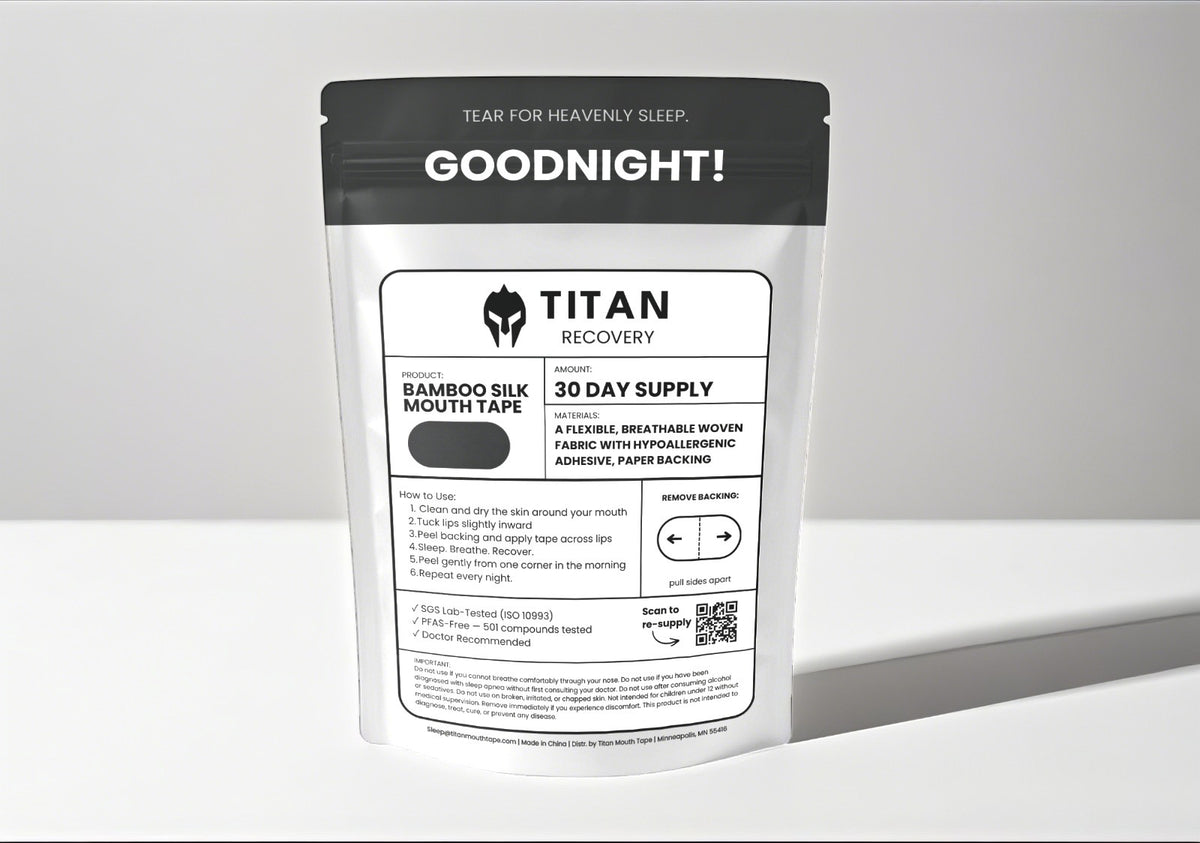
Doctor Recommended: "As a maxillofacial surgeon and dentist, I recommend Titan Mouth Tape. Nasal breathing during sleep is essential for airway health and deep restorative rest. Titan's bamboo silk design is the most comfortable and effective mouth tape I have tested. If you struggle with snoring, dry mouth, or poor sleep quality, this is the simplest change you can make for your health." — Dr. Francois P., MD, DDS — Maxillofacial Surgeon
Lab-Tested Safety: Titan's SilkSeal™ adhesive is independently tested by an independent, globally accredited laboratory to ISO 10993 medical device standards. Non-toxic (95% cell viability). Non-allergenic (0% reaction rate). Non-irritating (score 0.0/8.0). PFAS-free — 501 compounds tested, zero detected. compliant with European chemical safety standards — 250 toxic substances screened, all clear. See full test results →
Try it tonight. Bamboo silk. SilkSeal™ adhesive. Beard-friendly. No logo on the tape. Free shipping. 30-night Better Sleep Guarantee. Shop Titan Mouth Tape → · Shop TitanAir Nasal Strips →