How Does Mouth Taping Work?
Share
Mouth tape works by holding your lips gently closed during sleep so that every breath is routed through your nose instead of your mouth. Nasal breathing filters, warms, and humidifies incoming air, boosts nitric oxide that improves oxygen uptake, keeps the tongue positioned to hold the airway open, and shifts the body toward its calming, rest-and-repair nervous state.
Mouth taping is the practice of applying a gentle adhesive strip over the lips during sleep to keep the mouth closed and encourage nasal breathing. It does not force air anywhere. It simply removes the path of least resistance, your open mouth, so your nose takes over the job it was built for.
What does mouth tape actually do?
Mouth tape closes one door so the body uses the better one. When your lips fall open during sleep, air rushes in and out of the mouth because it is the wider, easier channel. That mouth breathing dries the tissues, vibrates the soft palate, and pulls the tongue backward. A small strip across the lips gently blocks that channel, and breathing shifts to the nose by default.
The tape is not a seal in the airtight sense. It is a light cue. If you needed to open your mouth, you still could. The point is to make nasal breathing the automatic, effortless choice all night long rather than something you have to think about.
Why does nasal breathing matter so much?
Your nose is a full air-processing system, and your mouth is not. Routing breath through the nose changes the air itself and changes how your body responds to it. Here is the chain of effects mouth taping sets in motion.
It filters, warms, and humidifies air. The nasal passages trap dust and particles, raise cold air to body temperature, and add moisture before it reaches your lungs. Mouth breathing skips all of this and delivers raw, dry, unfiltered air straight down your throat.
It produces nitric oxide. The sinuses release nitric oxide during nasal breathing, a molecule that helps widen blood vessels and is associated with more efficient oxygen uptake in the lungs. This is one reason nasal breathing can feel more restful even at the same breathing rate.
It keeps the tongue and airway in a better position. Breathing through the nose encourages the tongue to rest against the roof of the mouth. That posture helps hold the lower jaw forward and the throat open, which reduces the collapse and vibration behind most snoring.
It nudges you toward the rest state. Slower, quieter nasal breathing is linked with the parasympathetic nervous system, the "rest and digest" mode. Mouth breathing tends to be faster and shallower, which keeps the body slightly more activated. Calmer breathing supports the transition into and through deep sleep.
What does mouth tape do to your body overnight?
The downstream results follow directly from consistent nasal breathing. None of them are magic; they are simply what happens when air stops moving through an open mouth for seven or eight hours.
- Less snoring. With the tongue forward and the airway more stable, there is less soft-tissue vibration to make noise.
- Less morning dry mouth. Air no longer evaporates saliva across your tongue and throat all night, so you wake without that cotton-mouth feeling.
- More stable deep sleep. Fewer breathing disruptions and a calmer nervous state make it easier to stay in restorative sleep stages.
- Fresher breath and a more comfortable throat. A moist mouth resists the bacteria overgrowth that dryness encourages.
If you want the step-by-step version of building the habit, our guide to starting mouth taping walks through the first two weeks. For the deep-sleep angle specifically, see how mouth tape supports deep sleep.
How is the tape different from just closing your mouth?
Willpower ends the moment you fall asleep. You can decide to breathe through your nose while awake, but once you drift off, your jaw relaxes and your mouth drifts open on its own. That is why mouth breathing during sleep is so common even in people who breathe through their nose all day.
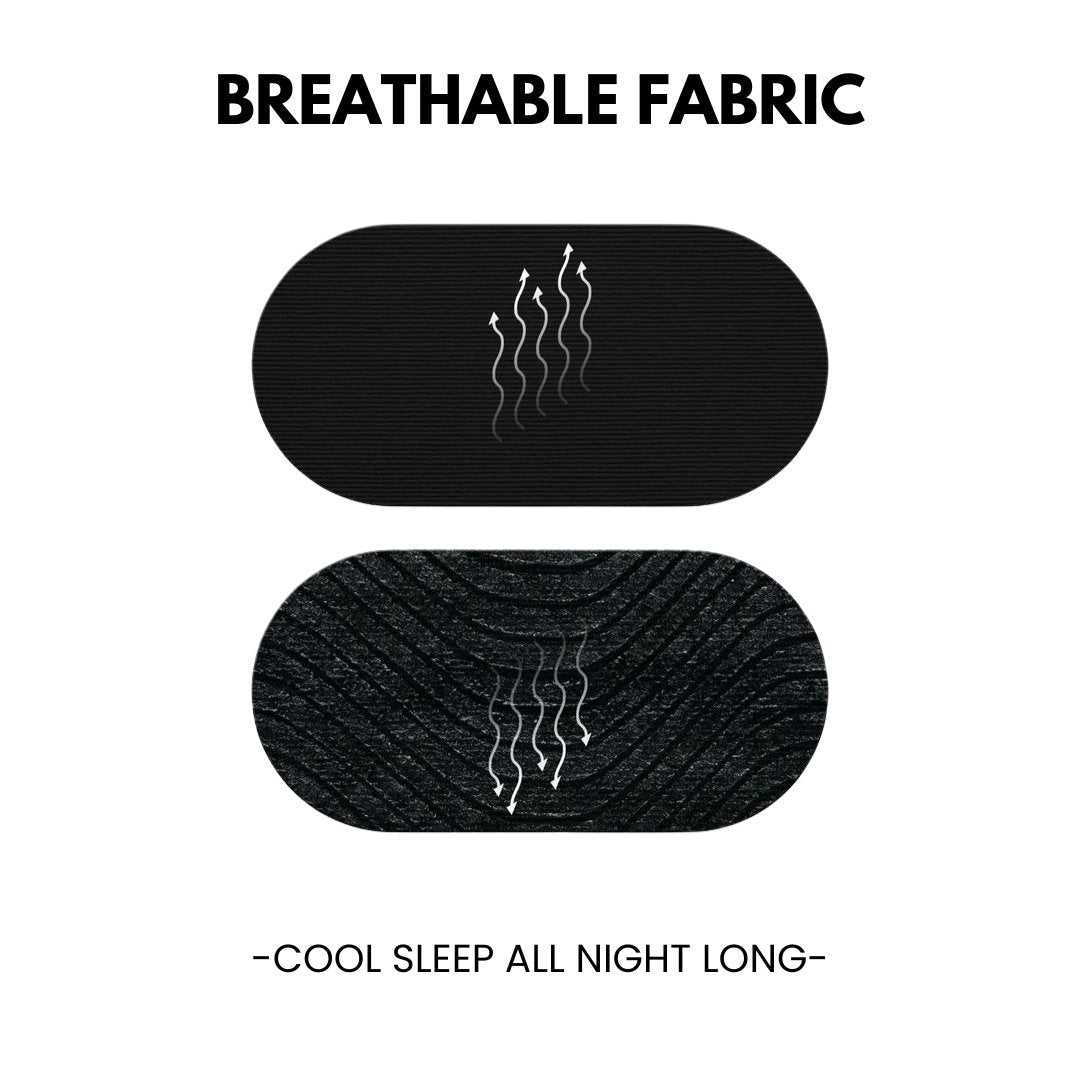
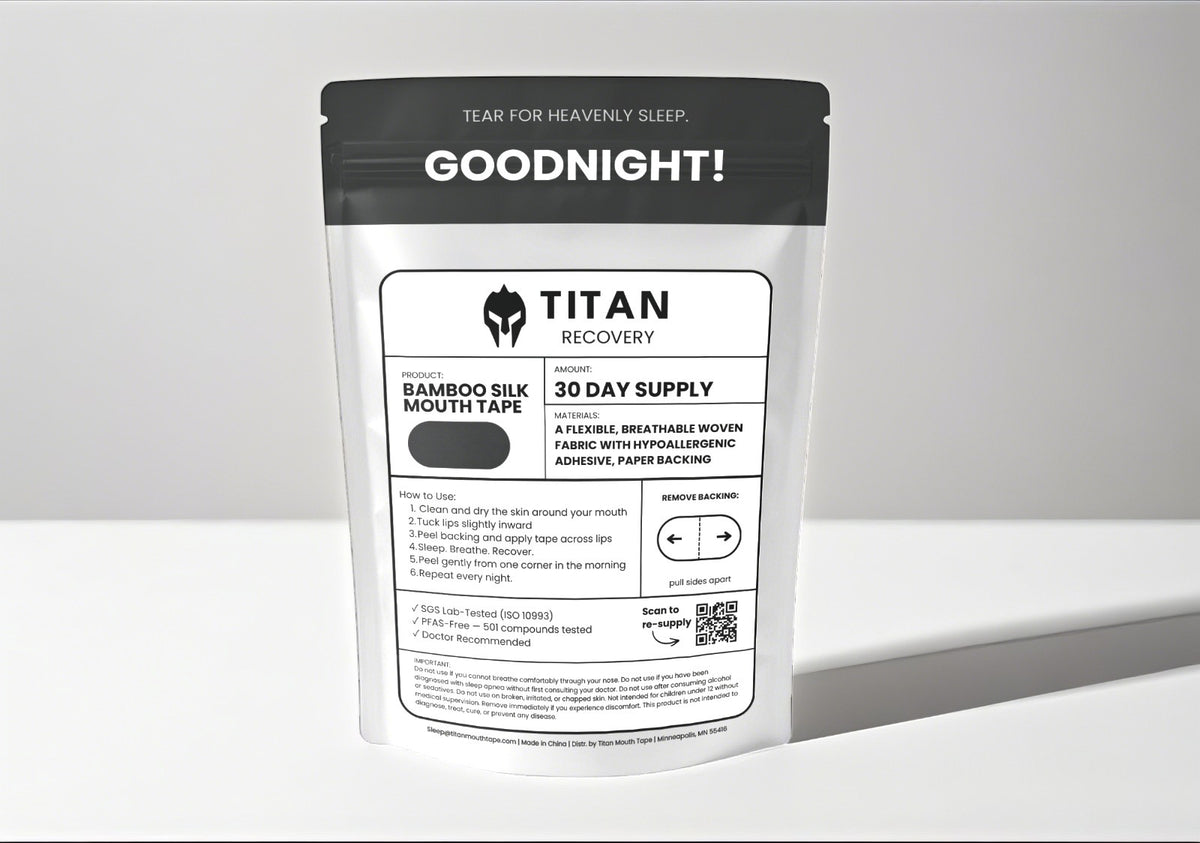
The tape holds the lips in place through that unconscious window. It is a passive tool doing one job while your conscious mind is offline. This is also why the adhesive matters: a good mouth tape holds gently all night and peels away cleanly in the morning without pulling at the skin.
Key takeaways
- Mechanism: the tape seals the lips so all breathing routes through the nose.
- The nose then processes the air by filtering, warming, and humidifying it, and releases nitric oxide tied to better oxygen uptake.
- Tongue and airway stay open, reducing the vibration behind snoring.
- Nasal breathing calms the nervous system, supporting steadier deep sleep.
- Common results: less snoring, less dry mouth, and more consistent rest.
- It is a cue, not a cure, and only works when you can actually breathe through your nose.
What does mouth tape NOT do?
Mouth tape is a breathing aid, not a medical treatment. Being honest about its limits is part of using it well.
It does not treat sleep apnea. Obstructive sleep apnea is a medical condition where the airway collapses and breathing repeatedly stops. Tape cannot hold that airway open, and relying on it in place of diagnosis or a prescribed CPAP device can be dangerous. If you snore heavily, gasp awake, or feel exhausted despite full nights of sleep, talk to a doctor.
It does not work if your nose is blocked. The entire mechanism depends on clear nasal passages. If you have a cold, allergies, a deviated septum, or chronic congestion, taping your mouth removes the airway you can actually use. Never tape over a blocked nose.
It is not an instant fix. The nervous system and the muscles of the airway adapt over days and weeks. Most people give it two to three weeks of consistent nights before judging the effect.
What if you get congested at night?
Open the nose first, then let the tape do its job. If mild stuffiness is your main obstacle, a nasal strip can widen the nostrils mechanically and make nasal breathing easier. Pairing Titan Air nasal strips with mouth tape addresses both ends of the airway at once, and the two together are the idea behind the Deep Sleep Bundle.
For congestion that comes and goes, our article on breathing through your nose while sleeping covers daytime habits that keep the passages clearer at night. If persistent blockage is the issue, treat that cause before adding tape to the mix.
Frequently Asked Questions
How does mouth tape work in simple terms?
A light adhesive strip holds your lips closed while you sleep. That blocks mouth breathing, so air travels through your nose instead. Your nose then filters and humidifies the air, boosts nitric oxide, and keeps your airway more open, which is why people notice less snoring and dryness.
Does mouth tape stop snoring?
It can reduce snoring caused by mouth breathing, because nasal breathing keeps the tongue forward and the airway more stable. It will not fix snoring driven by nasal blockage or sleep apnea. We cover the details in does mouth tape help with snoring.
Why do I wake up with a dry mouth without tape?
Open-mouth breathing pushes air across your tongue and throat all night, evaporating saliva and leaving tissues dry. Keeping the mouth closed lets saliva stay put. Our guide to waking up with dry mouth explains the full picture.
Is mouth taping safe?
For most healthy adults who can breathe comfortably through their nose, gentle mouth taping is low-risk. It is not appropriate if you are congested, have untreated sleep apnea, have been drinking or taking sedatives, or feel anxious about it. When in doubt, check with a healthcare provider.
How long until mouth tape works?
Many people notice less dry mouth on the first night, since that effect is immediate. Improvements in sleep quality and snoring usually build over two to three weeks as nasal breathing becomes your default rhythm.
Do I have to use tape forever?
Not necessarily. Mouth taping is a training tool. Over time, many people find nasal breathing becomes their natural pattern and they need the tape less often. Others keep it as a nightly cue simply because they sleep better with it.
The Bottom Line
Mouth tape works through one simple mechanical change with a chain of physiological effects. Sealing the lips forces breathing through the nose, and the nose does everything the mouth cannot: it filters and conditions the air, releases nitric oxide for better oxygen uptake, holds the tongue and airway in a stable position, and steers the body toward calm, restorative sleep. The result for most people is less snoring, less dry mouth, and steadier deep sleep.
It is not a treatment for sleep apnea, and it will not help if your nose is blocked, so clear the airway first and see a doctor for anything that feels medical. Used honestly and consistently, though, a small strip of tape is one of the simplest ways to let your body breathe the way it was designed to overnight.
Doctor Recommended: "As a maxillofacial surgeon and dentist, I recommend Titan Mouth Tape. Nasal breathing during sleep is essential for airway health and deep restorative rest. Titan's bamboo silk design is the most comfortable and effective mouth tape I have tested. If you struggle with snoring, dry mouth, or poor sleep quality, this is the simplest change you can make for your health." — Dr. Francois P., MD, DDS — Maxillofacial Surgeon
Lab-Tested Safety: Titan's adhesive is independently tested to ISO 10993 medical device standards. Non-toxic (95% cell viability). Non-allergenic (0% reaction rate). Non-irritating (score 0.0/8.0). PFAS-free — 501 compounds tested, zero detected. See full test results →
Try the complete system tonight. Titan Mouth Tape (bamboo silk, SilkSeal™ adhesive) + TitanAir Nasal Strips. Free shipping. 30-night Better Sleep Guarantee. Shop Titan Mouth Tape → · Shop TitanAir Nasal Strips →
Related reading
- How to Start Mouth Taping: A Step-by-Step Guide
- How to Fix Mouth Breathing: A Step-by-Step Guide
- How to Sleep Better: 10 Changes Ranked by Impact (Start With the On...
- How to Use Mouth Tape: 3 Methods Compared
Ready to start? Shop Titan bamboo mouth tape — soft, beard-friendly, PFAS-free, and backed by a 30-Night Better Sleep Guarantee.