Mouth Tape Recommended by Sleep Therapists: What Professionals Look For
Share
If your sleep therapist recently suggested you try mouth tape, you're not alone. A growing number of sleep professionals — from board-certified sleep medicine physicians to myofunctional therapists and airway-focused dentists — are adding mouth taping to their clinical recommendations. Mouth tape recommended by sleep therapists is no longer a fringe idea. It's becoming a standard part of the conversation about sleep quality, nasal breathing, and long-term airway health.
But professionals don't recommend just any tape. They evaluate materials, adhesive safety, breathability, and independent testing before suggesting a product. Here's why the professional community is embracing mouth taping, which types of practitioners are leading the conversation, and what they look for in a product worth recommending.
Which Professionals Recommend Mouth Taping
Mouth taping isn't being championed by a single specialty. The recommendation is coming from multiple corners of healthcare, each with a different clinical reason for supporting nasal breathing during sleep.
Sleep therapists and sleep coaches. These practitioners work directly with patients on behavioral interventions for poor sleep. Many of them see mouth breathing as a correctable habit that fragments sleep architecture, reduces deep sleep stages, and contributes to morning dry mouth and fatigue. For patients who don't have obstructive sleep apnea but still wake feeling unrested, mouth tape is often one of the first tools a sleep therapist will suggest — alongside sleep hygiene adjustments like consistent wake times and light management.
ENTs (ear, nose, and throat specialists). ENTs understand the nasal airway better than anyone. They know that the nose warms, humidifies, and filters incoming air while producing nitric oxide — a vasodilator that improves oxygen absorption in the lungs. When an ENT confirms that a patient's nasal airway is structurally adequate, mouth tape becomes a logical next step for habitual mouth breathers. ENTs are particularly likely to recommend taping for patients who mouth-breathe out of habit rather than obstruction.
Airway-focused dentists. Dentists see the consequences of chronic mouth breathing every day: dry mouth, accelerated tooth decay, gum recession, and changes to facial structure over time. Airway-focused and functional dentists — practitioners who evaluate how breathing patterns affect oral and craniofacial health — are among the most vocal advocates for mouth taping. They view it as a preventive measure that addresses the root cause of problems they otherwise treat symptomatically.
Myofunctional therapists. These specialists focus on the function of oral and facial muscles, often working with patients on tongue posture, swallowing patterns, and lip seal during sleep. For myofunctional therapists, mouth tape is a training tool — it reinforces the lip seal they're working to establish through exercises and helps patients maintain nasal breathing while they sleep and can't consciously control their mouth position.
Integrative and functional medicine practitioners. Physicians who take a whole-systems approach to health recommend mouth taping as part of a broader protocol that includes optimizing nasal breathing and supporting autonomic nervous system balance during sleep.
What Professionals Evaluate Before Recommending a Mouth Tape
Sleep professionals don't casually suggest products. When a therapist, dentist, or ENT recommends a specific mouth tape, they've typically evaluated it against a set of clinical and safety criteria. Here's what matters to them.
Third-party safety testing. Professionals want to see independent lab results, not just marketing claims. The gold standard is ISO 10993 biocompatibility testing — the same standard applied to medical devices that contact skin. This testing evaluates cytotoxicity (whether the material damages living cells), skin irritation potential, and sensitization (allergic reaction risk). A mouth tape that has been independently tested to these standards gives professionals confidence that the adhesive and materials won't cause harm during nightly use.
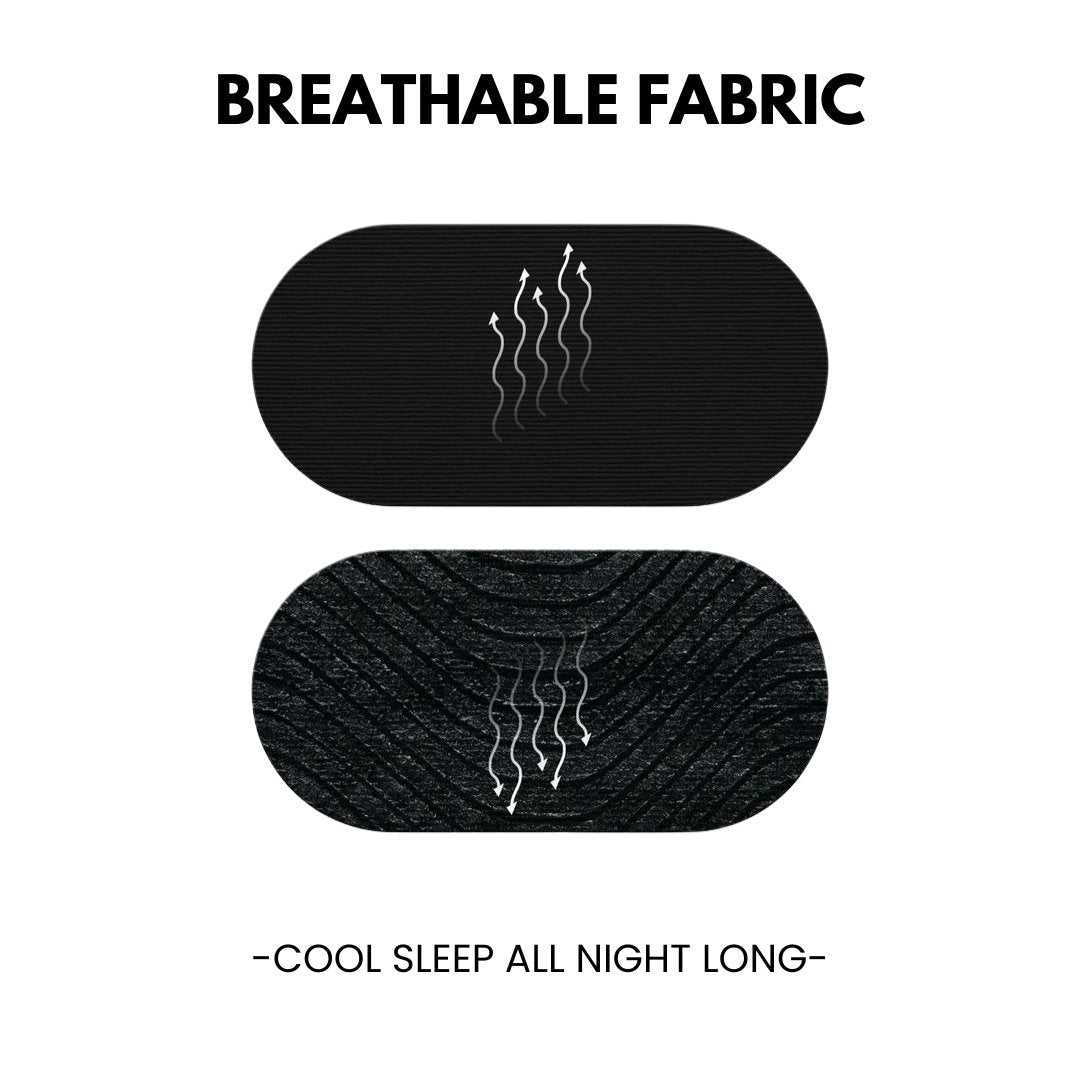
Breathable, skin-safe materials. The tape sits on sensitive facial skin for 6 to 9 hours every night. Professionals look for materials that allow some air exchange through the tape itself and won't trap moisture against the skin. Synthetic materials that create an occlusive barrier are a concern — they can promote irritation, acne, and contact dermatitis over time. Natural-fiber materials like bamboo silk are preferred because they're breathable, soft against skin, and less likely to cause reactions with prolonged contact.
Gentle adhesive that holds through the night. The adhesive needs to keep the mouth closed during sleep — including for restless sleepers, side sleepers, and people with facial hair — but peel away without pain or skin damage. Medical-grade, hypoallergenic adhesive is the baseline. Professionals also want an adhesive free of common irritants, latex, and harmful chemicals. PFAS-free formulations are increasingly important as awareness grows about persistent chemicals in consumer products.
No harmful chemicals. Beyond adhesive, professionals examine the full material composition. They want tape free of parabens, phthalates, formaldehyde, and PFAS compounds. This matters especially for a product applied to the face nightly — cumulative exposure to trace chemicals adds up over months and years of use. Products that can demonstrate zero PFAS detection across hundreds of tested compounds carry significant weight with clinically minded practitioners.
The Growing Evidence for Nasal Breathing During Sleep
The professional interest in mouth taping is built on a foundation of well-established respiratory physiology and a growing body of sleep-specific research.
Nasal breathing is not merely a preference — it's how the respiratory system is designed to function during rest. The nasal passages condition inhaled air, and the production of nitric oxide in the paranasal sinuses has documented effects on bronchodilation and oxygen uptake. Chronic mouth breathing during sleep is associated with reduced oxygen saturation, increased snoring, dry mouth, and fragmented sleep architecture that reduces time in deep and REM stages.
Recent studies have shown reductions in snoring intensity and frequency among habitual mouth breathers who adopted mouth taping. Other research has documented improvements in subjective sleep quality, morning alertness, and reduced dry mouth symptoms. While the evidence base is still developing — most studies are small and short-term — the direction is consistent with what respiratory physiology predicts: keeping the airway nasal during sleep produces measurable benefits for people who otherwise default to mouth breathing.
For sleep professionals, the combination of strong physiological rationale, emerging clinical data, and positive patient-reported outcomes is enough to warrant a recommendation — particularly when the intervention carries minimal risk for appropriately screened patients.
How Professionals Address Common Concerns
When a sleep therapist recommends mouth tape, patients inevitably raise concerns. Here's how professionals typically address the most common ones.
"What if I can't breathe?" This is the most frequent concern, and professionals handle it directly. Well-designed mouth tape is not an airtight seal. It can be opened with a lip movement or removed with one hand. The nasal airway provides more than adequate ventilation for normal sleep in a person with a clear nasal passage. Professionals also point out that the body's respiratory drive is one of the strongest autonomic reflexes — if breathing becomes truly compromised during sleep, you will wake up. For patients who are anxious, many therapists suggest starting with daytime practice while watching television or reading to build comfort before using tape at night.
"Is this safe for people with sleep apnea?" Responsible professionals are clear on this point: mouth tape is not a treatment for obstructive sleep apnea, and patients with diagnosed or suspected OSA should consult their sleep physician before using it. Some sleep specialists do use mouth taping alongside CPAP therapy to prevent air leaks from mouth opening, but this is a clinical decision made with professional oversight. If you snore heavily, experience excessive daytime sleepiness, or a partner has observed you gasping or stopping breathing during sleep, professionals will recommend a sleep study before introducing mouth tape.
"Won't I suffocate if my nose gets congested?" Professionals explain that nasal congestion severe enough to prevent all airflow will cause you to wake up and remove the tape — the same way you'd wake if someone placed a hand over your nose while you slept. For patients with mild congestion, many professionals recommend pairing mouth tape with TitanAir Nasal Strips to mechanically open the nasal valve. If congestion is chronic and severe, the professional will address the underlying cause before recommending mouth tape.
"Is the adhesive safe for my skin?" This is where product selection matters. Professionals recommend tapes with medical-grade, hypoallergenic adhesive that has been independently tested for biocompatibility. Cheap adhesives or standard medical tape applied to the lips can cause irritation and skin damage. A purpose-built mouth tape with tested adhesive removes cleanly without pulling skin or leaving residue — which is why professionals are specific about which products they endorse.
What to Look for If Your Sleep Therapist Suggests Mouth Taping
If a sleep professional has recommended mouth taping — or you're considering bringing it up at your next appointment — here's what to look for in a product that meets the standards professionals care about.
Independent lab testing to medical-device safety standards. Look for ISO 10993 biocompatibility testing with published results. This should include cytotoxicity, irritation, and sensitization testing at minimum. PFAS testing across a broad panel of compounds is an increasingly important differentiator.
Natural, breathable materials. Bamboo silk, organic cotton, or other natural-fiber materials that allow air exchange and feel comfortable on skin during prolonged wear. Avoid synthetic films that trap heat and moisture.
Medical-grade hypoallergenic adhesive. The adhesive should hold through the night for all sleeping positions and facial hair types, but peel away cleanly in the morning without pain or residue.
Clean formulation. No PFAS, no parabens, no latex, no formaldehyde. If a brand can't tell you exactly what's in their adhesive and backing material, that's a red flag.
A design that works for everyone. Professionals recommend products that work across face shapes, skin types, and facial hair. A tape that fails for bearded patients or pulls painfully on sensitive skin leads to poor compliance — and a tool patients won't use consistently isn't useful.
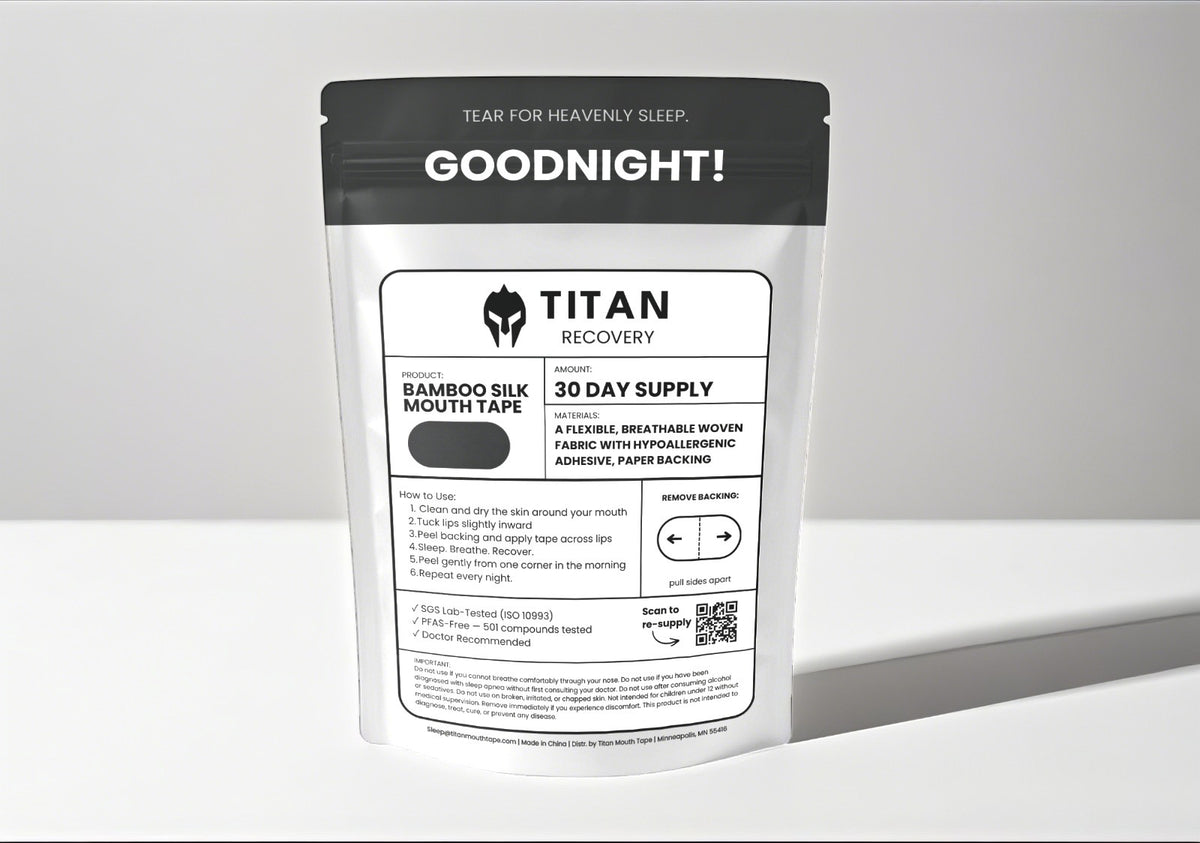
Titan Mouth Tape meets every one of these criteria. Its bamboo silk material is breathable and naturally hypoallergenic. The SilkSeal adhesive is independently tested to ISO 10993 standards — non-toxic, non-irritating, non-allergenic, and PFAS-free across 501 tested compounds. It holds securely for all sleeping positions, works with facial hair, and removes cleanly. For the complete sleep optimization that professionals recommend, the Deep Sleep Bundle pairs the mouth tape with TitanAir Nasal Strips to keep both the lips sealed and the nasal passage open.
When a sleep therapist recommends mouth tape, they're not chasing a trend. They're applying respiratory physiology to a problem they see every day — patients who breathe through their mouths during sleep and wake up tired, dry-mouthed, and unrested. The logic is sound, the risk profile is low for appropriate candidates, and the products available today meet the safety standards professionals require. If your practitioner has suggested it, they've already done the clinical thinking. The next step is choosing a tape that meets the standards they'd set.
Doctor Recommended: "As a maxillofacial surgeon and dentist, I recommend Titan Mouth Tape. Nasal breathing during sleep is essential for airway health and deep restorative rest. Titan's bamboo silk design is the most comfortable and effective mouth tape I have tested. If you struggle with snoring, dry mouth, or poor sleep quality, this is the simplest change you can make for your health." — Dr. Francois P., MD, DDS — Maxillofacial Surgeon
Lab-Tested Safety: Titan's SilkSeal™ adhesive is independently tested to ISO 10993 medical device standards. Non-toxic (95% cell viability). Non-allergenic (0% reaction rate). Non-irritating (score 0.0/8.0). PFAS-free — 501 compounds tested, zero detected. See full test results →
Try it tonight. Bamboo silk. SilkSeal™ adhesive. Beard-friendly. No logo on the tape. Free shipping. 30-night Better Sleep Guarantee. Shop Titan Mouth Tape → · Shop TitanAir →
Doctor Recommended: "As a maxillofacial surgeon and dentist, I recommend Titan Mouth Tape. Nasal breathing during sleep is essential for airway health and deep restorative rest. Titan's bamboo silk design is the most comfortable and effective mouth tape I have tested. If you struggle with snoring, dry mouth, or poor sleep quality, this is the simplest change you can make for your health." — Dr. Francois P., MD, DDS — Maxillofacial Surgeon
Lab-Tested Safety: Titan's adhesive is independently tested to ISO 10993 medical device standards. Non-toxic (95% cell viability). Non-allergenic (0% reaction rate). Non-irritating (score 0.0/8.0). PFAS-free — 501 compounds tested, zero detected. See full test results →
Try the complete system tonight. Titan Mouth Tape (bamboo silk, SilkSeal™ adhesive) + TitanAir Nasal Strips. Free shipping. 30-night Better Sleep Guarantee. Shop Titan Mouth Tape → · Shop TitanAir Nasal Strips →
This article is for informational purposes only and does not constitute medical advice. If you have or suspect a sleep disorder or other medical condition, consult a qualified healthcare provider before making changes to your routine.