Sleep for Nurses: How to Rest After Night Shifts
Share
Nurses who work night shifts are asked to do one of the hardest things in human physiology: stay sharp and compassionate through the hours your body wants to shut down, then sleep when every biological signal says it's time to be awake. About 43% of night shift nurses report excessive sleepiness, and that number probably underestimates the problem because exhaustion becomes so normalized in healthcare that many nurses stop recognizing it as abnormal.
The science of shift worker sleep has become much more specific in recent years. There are strategies that work -- not vague advice, but targeted interventions matched to your shift pattern. And when your sleep window is compressed to five or six hours, the quality of each hour matters far more than it does for someone with a full eight-hour night. Here's how to make those hours count.
Why Night Shift Sleep Is Different
This isn't just about being tired. Night shift work puts you in direct conflict with your circadian rhythm -- the 24-hour internal clock that regulates alertness, hormone release, and body temperature.
Circadian misalignment. When you try to sleep during daylight hours, your master clock is sending strong wakefulness signals: cortisol rises, body temperature increases, and melatonin is suppressed. You're fighting biology with willpower. This is why daytime sleep tends to be one to four hours shorter than nighttime sleep, even when the opportunity is the same.
Fragmented sleep architecture. Daytime sleep for night shift nurses shows reduced time in deep sleep and REM sleep -- the stages where physical recovery, immune function, and emotional processing happen. Less time in those stages means less actual recovery per hour of sleep.
Compounded stress. Nursing is already high-stress. Add circadian disruption, compassion fatigue, and the demands of 12-hour shifts, and the sympathetic nervous system can stay elevated well after the shift ends -- making it harder to fall asleep and harder to reach the deep stages once you do.
Night Shift Recovery: Sleep Immediately After Your Shift
The single most important night shift sleep tip: go to sleep as soon as possible after your shift ends. Your body has a narrow window where accumulated sleep pressure can partially override circadian wakefulness signals. Wait too long and that window closes as morning alerting gets stronger.
Block the light on the way home. Wear sunglasses on the drive, even on cloudy days. Morning light is the strongest circadian cue, and even brief exposure tells your brain to suppress melatonin. Keep the car cool and skip stimulating calls or podcasts -- start winding down before you walk in the door.
Build a blackout bedroom. Non-negotiable. True blackout curtains that seal at the edges, or a high-quality sleep mask. Cool room (65-67 degrees). White noise machine or fan to mask daytime sounds. Any light leaking in signals your clock that it's daytime, and your body responds accordingly.
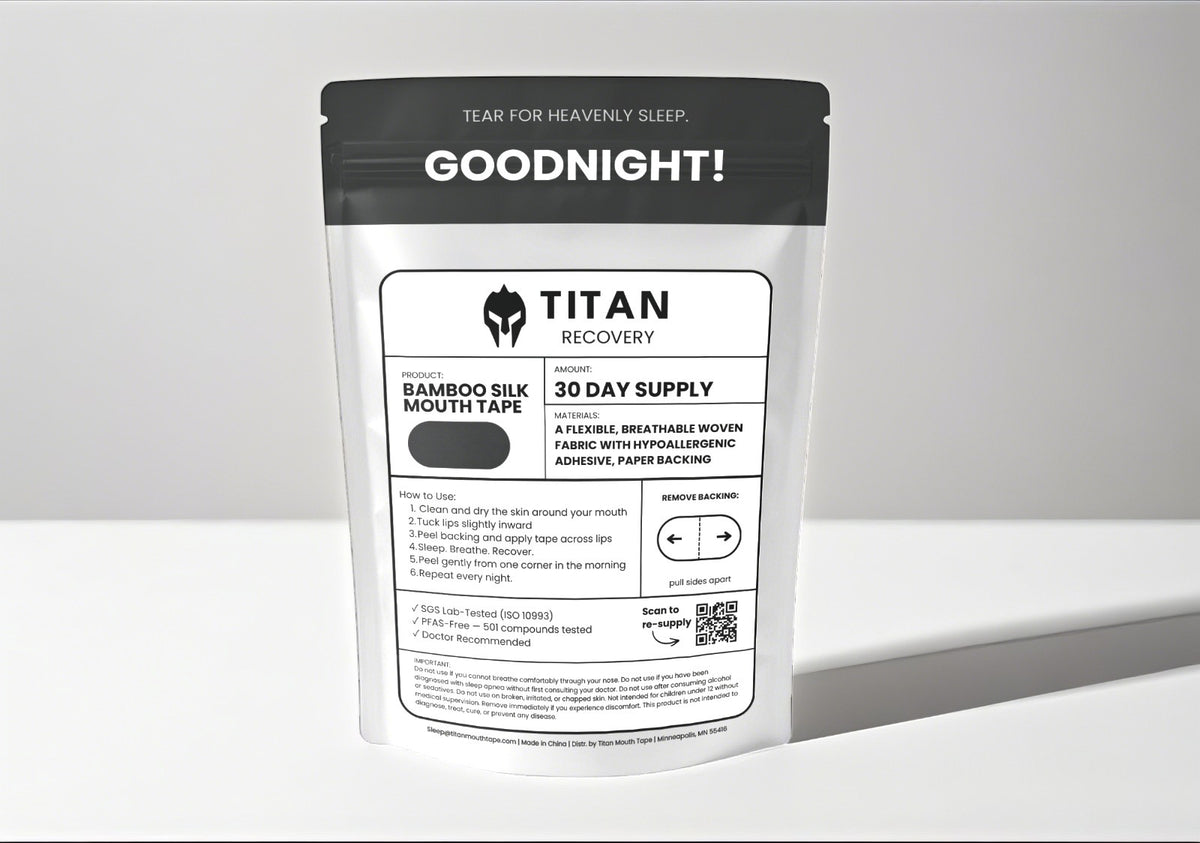
Keep the wind-down fast. You don't have time for an elaborate routine. Fifteen minutes: warm shower (the post-shower temperature drop signals sleep onset), brush teeth, apply mouth tape, bed. Protect your sleep from interruptions -- phone on Do Not Disturb, household informed, doorbell unplugged if possible.
Rotating Shifts: The Hardest Schedule
Permanent night shift is tough, but rotating shifts are physiologically worse. Your circadian clock never fully adjusts because it keeps getting reset.
Anchor sleep. The most effective strategy. Identify a core block of three to four hours that you sleep every day regardless of shift pattern. For many nurses, this anchor falls in the early morning hours (roughly 2-6 AM on days off, maintained within the daytime sleep block on night shifts). Consistency gives your circadian clock a partial reference point even when everything else shifts.
Strategic light exposure. Bright light during the first half of your night shift pushes your clock later. Avoid bright light during the second half and on the drive home. On transition days back to days, get morning light to pull your clock forward. Light is the most powerful timing tool you have.
Melatonin timing. Low-dose melatonin (0.5-1 mg) taken 30 minutes before your intended sleep time helps shift your clock when transitioning between schedules. It's a timing signal, not a sleeping pill. Higher doses don't work better. Talk to your doctor about whether it's appropriate alongside your medications.
Between Shifts: Nap Strategy
Napping is one of the most powerful tools in a shift worker's toolkit, but duration matters enormously.
20 minutes or 90 minutes -- not 45. A 20-minute nap keeps you in light sleep, providing alertness benefits without grogginess. A 90-minute nap completes a full sleep cycle including restorative deep sleep, and you wake during a lighter stage. But a 45-minute nap drops you into deep sleep and yanks you out -- sleep inertia can leave you feeling worse than before.
Pre-shift napping. A 90-minute nap in the afternoon before a night shift is one of the most evidence-supported strategies for maintaining alertness. It extends your total sleep for the 24-hour period and banks deep sleep before the long haul. Both the alertness benefit and the patient safety implications make this worth building into your nurse sleep schedule.
Why Nasal Breathing Matters More When Sleep Is Compressed
Most night shift nurses aren't getting eight hours. Five or six if things go well, sometimes less. When your sleep window is that compressed, quality has to compensate for quantity. Breathing pattern is a real variable here.
Mouth breathing fragments sleep. Mouth breathing during sleep is associated with snoring, airway vibration, and micro-arousals -- brief awakenings you may not remember but that prevent adequate time in deep and REM sleep. For someone with eight hours, those disruptions are costly but partially compensated by time. For a nurse sleeping five hours during the day, every micro-arousal cuts into an already thin margin.
Nasal breathing supports the parasympathetic shift. Nasal airflow resistance naturally slows breathing and promotes diaphragmatic patterns, both of which activate the parasympathetic nervous system. After a 12-hour shift in a high-stress environment, your sympathetic nervous system is likely still elevated. Nasal breathing helps accelerate the transition to the recovery state where deep sleep happens. The connection between breathing and sleep quality is increasingly well documented.
Nitric oxide production. Nasal breathing promotes nitric oxide production in the paranasal sinuses -- a vasodilator that improves oxygen uptake and blood flow regulation. Mouth breathing bypasses the sinuses entirely, losing this benefit when your body most needs to maximize recovery.
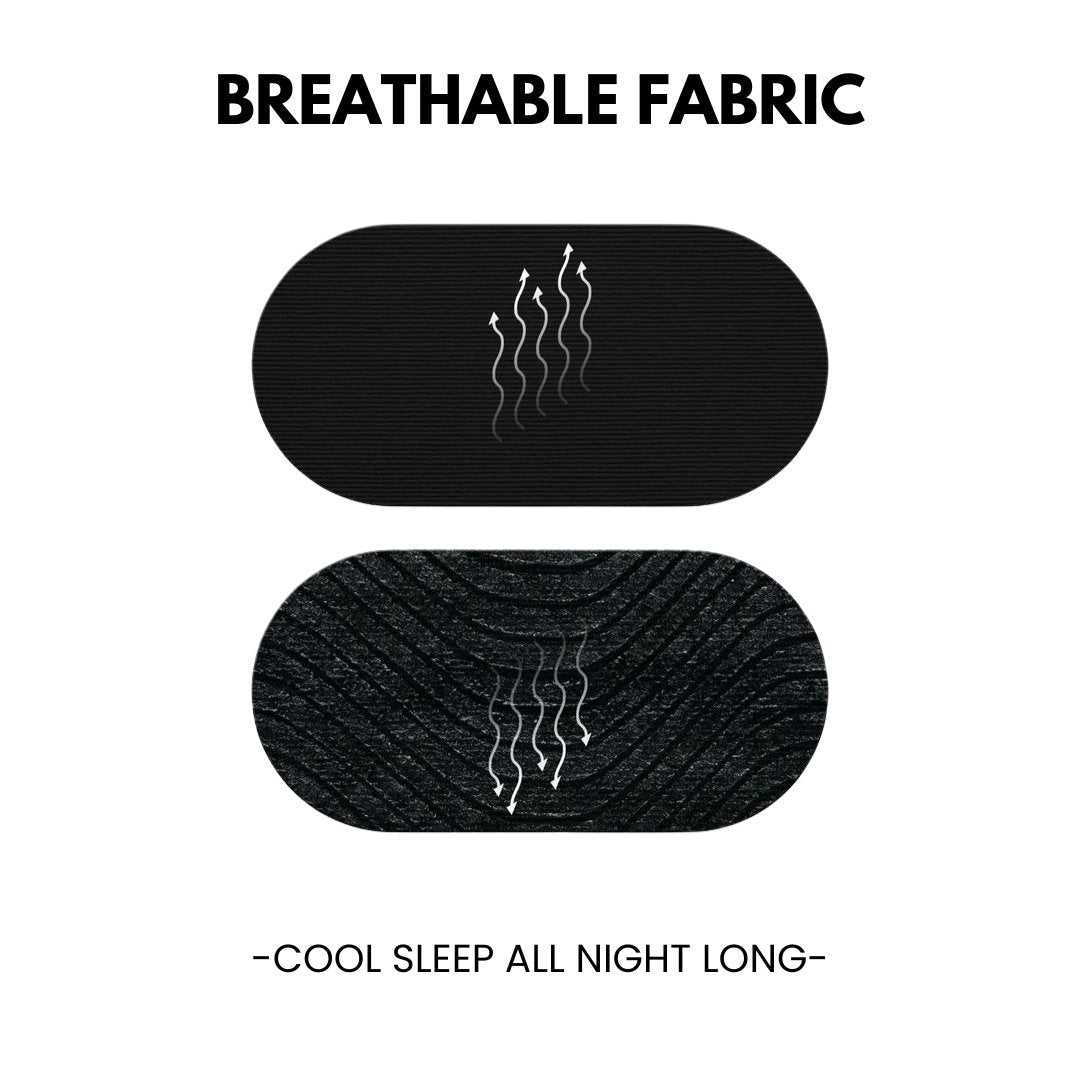
Applying mouth tape as part of your fast post-shift routine ensures nasal breathing throughout your compressed sleep window without conscious effort. Paired with nasal strips to keep the passages wide open, it's a two-step intervention that optimizes every breath during the hours you have.
Making It Sustainable
Standardize your routine. Same sequence every time: sunglasses, shower, mouth tape, blackout room, bed. When it's automatic, you don't lose sleep time to decision-making.
Manage caffeine strategically. Caffeine has a half-life of five to six hours. If your shift ends at 7 AM, anything consumed after about 1 AM will still be active when you're trying to sleep. Front-load caffeine to the first half of your shift and switch to water for the back half.
Protect your sleep socially. Treat your sleep window with the same non-negotiable status as your shift. You wouldn't skip work because someone wanted to get lunch -- don't skip sleep for the same reason.
Frequently Asked Questions
How many hours of sleep do night shift nurses need?
The biological need doesn't change -- seven to nine hours regardless of shift. Most night shift nurses get five to six. The gap is why maximizing quality through environment, nasal breathing, and strategic napping matters so much. Aim for at least seven hours of total sleep per 24-hour period, including naps.
Should I stay on a night schedule on days off?
If you work permanent nights, staying nocturnal on days off keeps your circadian clock more stable. If you rotate, use anchor sleep to maintain a consistent core block while shifting the rest around your schedule. Social and family obligations often make staying fully nocturnal impractical, so find the compromise that preserves that anchor.
Is mouth tape safe for daytime sleep?
Yes. Mouth tape works the same regardless of when you sleep. If you can breathe comfortably through your nose while awake, you can use it during sleep. It's particularly valuable for compressed daytime sleep windows where every disruption from mouth breathing is more costly. Learn more about how mouth tape supports deep sleep.
How long does it take to adjust to night shift?
Partial adjustment begins within three to four days of consistent night shifts, but full circadian adjustment can take one to two weeks -- and many rotating shift workers never fully adjust before their schedule changes. This is why environmental interventions, breathing optimization, and napping matter so much: they improve sleep quality even when your clock hasn't caught up.
The Bottom Line
Nurses on night shifts and rotating schedules face a genuine physiological challenge, not a discipline problem. Your circadian clock works against your schedule, stress stays elevated from demanding clinical work, and your sleep window is compressed. The strategies that help -- sleeping immediately post-shift, blacking out your room, anchor sleep for rotations, 20- or 90-minute naps, front-loaded caffeine -- are specific and practical.
When five or six hours is all you get, quality has to make up the difference. Nasal breathing during your compressed sleep window reduces micro-arousals, supports the parasympathetic shift your nervous system needs after a high-stress shift, and helps your body spend more of that limited time in deep and REM stages. It costs nothing but 10 seconds of setup.
The Titan Deep Sleep Bundle pairs mouth tape with nasal strips for complete nasal breathing support -- all-night hold, gentle adhesive, and a Better Sleep Guarantee. You're already doing the hardest part: showing up for shifts that most people couldn't handle. Give your recovery hours the same care you give your patients.
Doctor Recommended: "As a maxillofacial surgeon and dentist, I recommend Titan Mouth Tape. Nasal breathing during sleep is essential for airway health and deep restorative rest. Titan's bamboo silk design is the most comfortable and effective mouth tape I have tested. If you struggle with snoring, dry mouth, or poor sleep quality, this is the simplest change you can make for your health." — Dr. Francois P., MD, DDS — Maxillofacial Surgeon
Lab-Tested Safety: Titan's adhesive is independently tested to ISO 10993 medical device standards. Non-toxic (95% cell viability). Non-allergenic (0% reaction rate). Non-irritating (score 0.0/8.0). PFAS-free — 501 compounds tested, zero detected. See full test results →
Try the complete system tonight. Titan Mouth Tape (bamboo silk, SilkSeal™ adhesive) + TitanAir Nasal Strips. Free shipping. 30-night Better Sleep Guarantee. Shop Titan Mouth Tape → · Shop TitanAir Nasal Strips →