How Nasal Breathing Strengthens Your Immune System
Share
Your nose is not just an airway — it's a frontline immune defense system. The nasal breathing immune system connection is direct and mechanical: the nasal passages filter pathogens, warm and humidify incoming air, and produce nitric oxide — a molecule with documented antimicrobial properties. When you breathe through your mouth, you bypass every one of these defenses. Air hits the back of your throat unfiltered, unwarmed, and without the nitric oxide that helps neutralize bacteria and viruses on contact.
This matters most heading into cold and flu season, but the principle holds year-round. Chronic mouth breathers are sending unprocessed air into their lungs for every breath they take — and during sleep, when the immune system does its heaviest repair work, mouth breathing undermines the very environment that immune function depends on. Here's how the system works and what you can do about it.
The Nose as a Filtration System
The nasal passages are engineered for defense. Every breath that enters through the nose passes through a multi-layered filtration system before reaching the lungs.
Nasal hairs (vibrissae). The coarse hairs just inside the nostrils catch large particles — dust, pollen, and debris. This is the first physical barrier, and it stops the biggest contaminants before they travel deeper.
The mucosal lining. The interior of the nasal passages is coated with a sticky mucus layer produced by goblet cells. This mucus traps smaller particles including bacteria, viruses, fungal spores, and fine particulate matter. Cilia — tiny hair-like structures on the mucosal surface — beat in coordinated waves, pushing the contaminated mucus toward the throat where it's swallowed and neutralized by stomach acid. This mucociliary clearance system processes and removes pathogens continuously, every minute of every day, as long as air is moving through the nose.
Immune cells in the nasal mucosa. The nasal lining contains concentrations of immunoglobulin A (IgA), macrophages, and other immune cells that actively attack pathogens caught in the mucus. This isn't passive filtration — it's an active immune response that identifies and begins neutralizing threats before they can reach the lungs. Research in mucosal immunology has shown that the nasal-associated lymphoid tissue (NALT) functions as an induction site for immune responses, meaning it can detect new pathogens and initiate a targeted immune defense.
Mouth breathing bypasses all of this. When air enters through the mouth, it skips the nasal hairs, the mucosal lining, the cilia, and the immune cells embedded in the nasal tissue. It arrives at the throat and lungs carrying whatever it picked up from the environment — unfiltered. The mouth has some immune tissue (tonsils, for example), but it is not designed to be the primary air filtration pathway. The science behind nasal breathing starts here: the nose is purpose-built for the air you breathe, and the mouth is not.
Nitric Oxide: The Antimicrobial Gas Your Sinuses Produce
The paranasal sinuses — the hollow cavities behind your cheekbones, forehead, and nasal bridge — continuously produce nitric oxide (NO). This molecule has been studied extensively since the 1990s, and its antimicrobial properties are well-documented in peer-reviewed research.
Nitric oxide has been shown to inhibit the replication of viruses, including respiratory viruses. Research published in virology journals has demonstrated that nitric oxide disrupts viral protein synthesis and can reduce viral load in laboratory settings. Studies during the early 2000s specifically examined nasal breathing nitric oxide production and its role in the innate immune response to respiratory infections.
The mechanism works like this: when you inhale through your nose, nitric oxide from the sinuses mixes with the incoming air and is carried into the upper and lower airways. In the airways, nitric oxide performs several immune-relevant functions. It has direct antimicrobial effects — it can damage bacterial cell walls and inhibit viral replication. It enhances ciliary motility, meaning the cilia that sweep pathogens out of the airways beat faster and more effectively in the presence of nitric oxide. And it improves oxygen exchange in the lungs, which supports the metabolic demands of an active immune response.
When you mouth breathe, you get none of this. The sinuses still produce nitric oxide, but it stays in the sinus cavities — it isn't carried into the airways because air isn't moving through the nasal passages. This is one of the clearest distinctions between nasal and mouth breathing: the nose delivers a proven antimicrobial molecule with every breath, and the mouth does not.
Warming and Humidifying: Why Air Conditioning Matters
The nasal passages warm incoming air to near body temperature and humidify it to about 95-100% relative humidity before it reaches the lungs. This isn't a comfort feature — it's an immune function.
Cold, dry air damages airway tissue. The epithelial lining of the airways is a barrier against infection. When cold, dry air reaches the lower airways (as it does during mouth breathing), it can dry out and damage this lining, creating micro-tears that pathogens can exploit. Research on airway health in cold environments has shown that breathing cold air through the mouth increases the risk of respiratory infections, while nasal breathing mitigates this risk by conditioning the air before it arrives.
Humidity supports mucociliary function. The cilia that sweep pathogens out of the airways require adequate humidity to function properly. Dried-out airways have impaired ciliary function — the cilia slow down or stop beating effectively, and mucus becomes thick and sticky rather than flowing. This creates conditions where pathogens that would normally be cleared out of the airways can linger and establish infection. Nasal breathing maintains the humidity that keeps this clearance system running.
Mouth breathing dries the throat. Anyone who has woken up with a dry, sore throat knows this experience. That dryness isn't just uncomfortable — it represents a compromised mucosal barrier. A dry throat is more susceptible to infection because the mucus layer that normally traps and neutralizes pathogens has been depleted. Waking up with dry mouth is a signal that you've been mouth breathing all night, and the dryness extends beyond the mouth into the throat and upper airway.
Sleep, Immunity, and How Mouth Breathing Undermines Both
The immune system doesn't operate on a flat schedule. It has a circadian rhythm of its own, and some of its most important work happens during sleep. Research in psychoneuroimmunology has shown that deep sleep stages are when the body produces and releases cytokines — signaling proteins that direct the immune response. T-cell production, antibody responses, and inflammatory regulation all have sleep-dependent components.
This is why sleep deprivation weakens the immune system. Studies have demonstrated that people who sleep fewer than seven hours per night are significantly more likely to develop a cold after viral exposure than people who sleep eight hours or more. The quality of sleep matters too — fragmented sleep with frequent arousals reduces the time spent in the deep sleep stages where immune function is most active.
Mouth breathing during sleep degrades sleep quality through multiple pathways. It increases snoring and micro-arousals. It causes dry mouth and throat discomfort that triggers waking. It promotes shallow, sympathetic-dominant breathing that opposes the parasympathetic state deep sleep requires. Every one of these effects reduces the time your body spends in the sleep stages where immune repair and maintenance happen.
The compounding problem: mouth breathing during sleep simultaneously weakens immune defenses (by bypassing nasal filtration and nitric oxide delivery) and reduces sleep quality (which further suppresses immune function). It's a two-front attack on the immune system. Maintaining nasal breathing during sleep addresses both fronts at once — it keeps the nasal immune defenses active and supports the sleep quality that the immune system depends on.
Mouth Breathing and Getting Sick: The Patterns
Clinical observations and population studies have noted associations between mouth breathing and getting sick more frequently, particularly in children. Pediatric research has found that chronic mouth-breathing children have higher rates of upper respiratory infections, ear infections, and tonsillar enlargement compared to nasal-breathing children. While these are associations rather than proof of causation, the biological mechanisms described above provide a plausible explanation for why mouth breathers may be more vulnerable to respiratory infections.
In adults, the pattern is less well-studied in formal research but widely reported anecdotally. Many people who switch from mouth breathing to nasal breathing — whether through conscious effort during the day or mouth tape at night — report fewer colds and respiratory infections. This is consistent with the known functions of the nasal immune system: more time breathing through the nose means more time with the filtration, humidification, and nitric oxide defenses active.
Seasonal timing matters too. Cold and flu season peaks when the air is cold and dry — exactly the conditions where nasal breathing's warming and humidifying functions provide the most benefit. Indoor heating further dries the air, and people spend more time in enclosed spaces with recirculated air. Keeping the nasal breathing pathway active during these months gives the immune system more support precisely when the pathogen load is highest.
Practical Steps to Strengthen Nasal Breathing
If you're a habitual mouth breather, switching to nasal breathing doesn't have to happen overnight. Here's a practical approach.
Daytime awareness. Start by simply noticing how you breathe during the day. Many people mouth breathe without realizing it — especially when concentrating, exercising, or stressed. Close your mouth, breathe through your nose, and notice the difference. The slower pace and deeper engagement of the diaphragm become apparent quickly. Practice during low-intensity activities like walking, reading, or working at a desk.
Address nasal congestion. If your nose is blocked, nasal breathing feels impossible. Nasal strips mechanically open the nasal valve and can make a significant difference, especially during allergy season. Saline rinses help clear mucus and reduce inflammation. Persistent congestion is worth discussing with a doctor — allergies, a deviated septum, or nasal polyps are all treatable conditions that can make nasal breathing difficult.
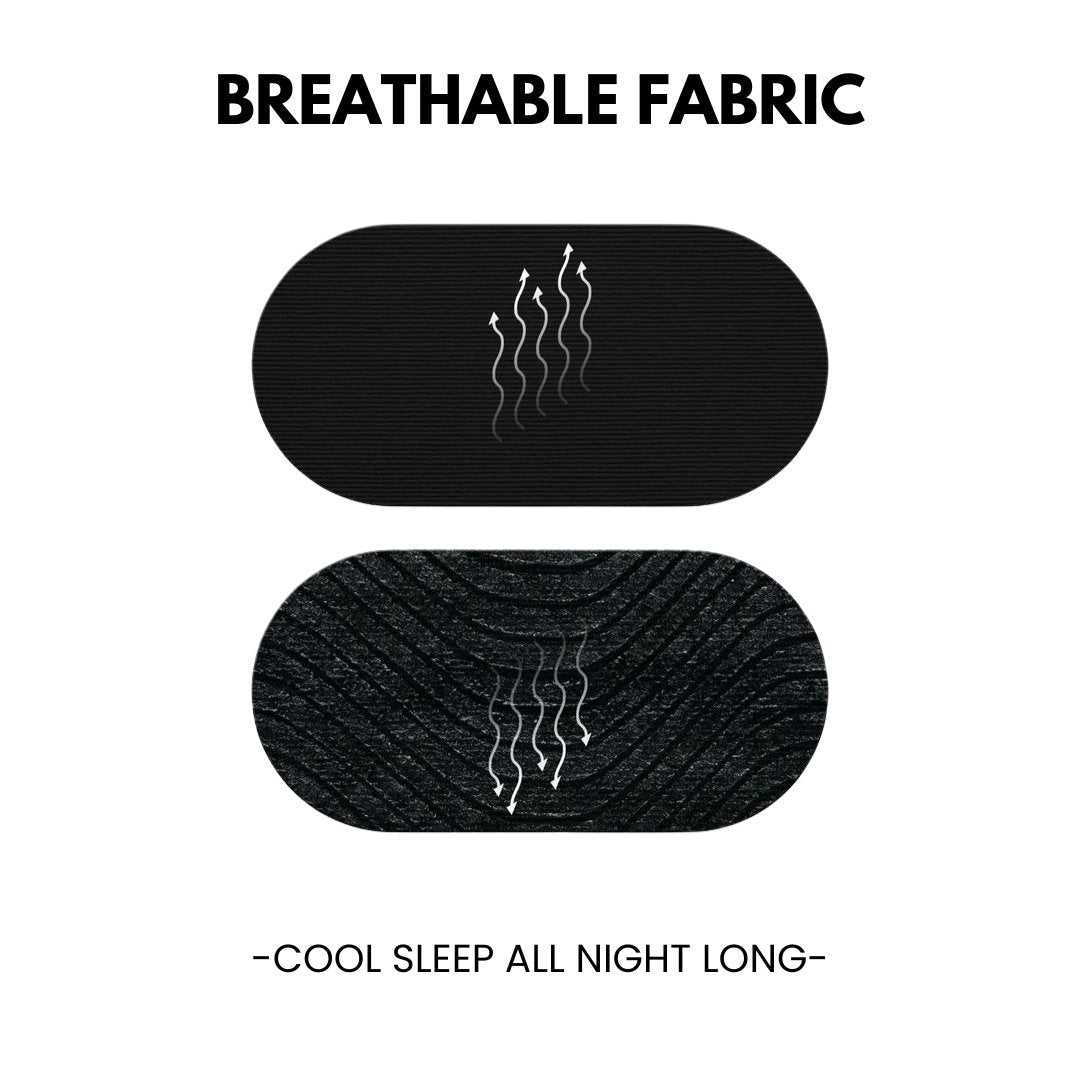
Nighttime mouth tape. The six to eight hours of sleep are the longest period of uncontrolled breathing in your day. Mouth tape gently holds the lips together, routing all breathing through the nose without conscious effort. This means your nasal filtration system, nitric oxide production, and air-conditioning function are all active for the entire duration of sleep — not just when you happen to be breathing through your nose.
Build the habit gradually. If you're new to mouth tape, start with short daytime sessions — 15 to 30 minutes while watching television or reading — to get comfortable with the sensation. Progress to wearing it during sleep once it feels natural. Most people adapt within a few nights. If you feel anxious about taping your mouth, remember that the tape holds a relaxed position — you can open your mouth and break the seal any time you need to.
Frequently Asked Questions
Can nasal breathing prevent colds and flu?
Nasal breathing supports the body's first line of defense against respiratory pathogens: it filters particles, produces antimicrobial nitric oxide, and maintains the mucosal barriers that trap and neutralize bacteria and viruses. This doesn't guarantee you won't get sick, but it does mean your immune system is working with its full toolkit rather than having a key defensive layer bypassed. Think of it as wearing armor versus going without — it reduces risk without eliminating it.
Does mouth breathing weaken the immune system?
Mouth breathing bypasses the nasal filtration system, skips nitric oxide delivery, and sends cold, dry air into the airways — all of which compromise the body's defenses against airborne pathogens. It also degrades sleep quality, and poor sleep is independently associated with weakened immune function. While mouth breathing alone doesn't "destroy" your immune system, it removes several layers of protection that nasal breathing provides and creates conditions that make immune function less effective.
How does nitric oxide from the nose fight infections?
Nitric oxide produced in the paranasal sinuses has direct antimicrobial properties — it can disrupt bacterial cell walls and inhibit viral replication. It also enhances ciliary function in the airways, helping the body clear pathogens more efficiently. When you breathe through your nose, nitric oxide mixes with the incoming air and is delivered to the upper and lower airways with every breath. Mouth breathing bypasses the sinuses entirely, so this antimicrobial molecule never reaches the airways.
Is mouth tape safe to use during cold and flu season?
Yes, as long as you can breathe comfortably through your nose. If you're actively congested from a cold, you may need to skip mouth tape until your nasal passages clear — or use nasal strips and a saline rinse before bed to open the airways. When you're healthy, using mouth tape during cold and flu season is when it provides the most value, because it keeps your nasal immune defenses active during the hours when your body is doing its most important immune maintenance work. For more on safety considerations, see our guide on mouth taping safety.
Do children benefit from nasal breathing for immune health?
Research on pediatric mouth breathing has found associations between chronic mouth breathing and higher rates of respiratory infections, ear infections, and adenotonsillar enlargement. Encouraging nasal breathing in children supports the same immune functions it supports in adults — filtration, humidification, and nitric oxide delivery. However, if a child is mouth breathing, it's important to identify the cause (enlarged adenoids, allergies, nasal obstruction) with a pediatrician rather than simply applying mouth tape. Address the underlying issue first.
The Bottom Line
Your nose is an immune organ. It filters pathogens, conditions the air you breathe, and delivers nitric oxide — a molecule with proven antimicrobial properties — to your airways with every inhalation. Mouth breathing bypasses all of this. Every breath taken through the mouth is a breath taken without the immune protection the nasal pathway provides.
The fix is not complicated. Breathe through your nose during the day. Use Titan Mouth Tape at night to keep nasal breathing consistent during the six to eight hours when you can't consciously control it. If congestion is an issue, the Deep Sleep Bundle pairs mouth tape with nasal strips to keep the airway open and clear. Heading into the season when respiratory illnesses peak, giving your immune system access to its full defensive toolkit — starting with the one built into your face — is one of the simplest, most practical steps you can take. The basics always matter most, and breathing through your nose is about as basic as it gets.
Doctor Recommended: "As a maxillofacial surgeon and dentist, I recommend Titan Mouth Tape. Nasal breathing during sleep is essential for airway health and deep restorative rest. Titan's bamboo silk design is the most comfortable and effective mouth tape I have tested. If you struggle with snoring, dry mouth, or poor sleep quality, this is the simplest change you can make for your health." — Dr. Francois P., MD, DDS — Maxillofacial Surgeon
Lab-Tested Safety: Titan's adhesive is independently tested to ISO 10993 medical device standards. Non-toxic (95% cell viability). Non-allergenic (0% reaction rate). Non-irritating (score 0.0/8.0). PFAS-free — 501 compounds tested, zero detected. See full test results →
Try the complete system tonight. Titan Mouth Tape (bamboo silk, SilkSeal™ adhesive) + TitanAir Nasal Strips. Free shipping. 30-night Better Sleep Guarantee. Shop Titan Mouth Tape → · Shop TitanAir Nasal Strips →