Tinnitus and Sleep: Can Nasal Breathing Help?
Share
Tinnitus — the perception of ringing, buzzing, humming, or hissing in the ears without an external source — affects an estimated 15 to 20 percent of adults. For many, it's a mild background noise that fades into awareness only occasionally. But for a significant subset, tinnitus sleep problems are the most disruptive consequence of the condition. The ringing is loudest when everything else is quiet, which means bedtime becomes the worst part of the day. Nasal breathing won't cure tinnitus, but it addresses several of the factors that make sleeping with tinnitus harder than it needs to be.
To be direct: mouth tape is not a tinnitus treatment. Tinnitus has many possible causes — noise exposure, age-related hearing changes, ear infections, circulatory conditions, medication side effects — and it requires evaluation by an audiologist or ENT specialist. What this post covers is how breathing pattern during sleep affects the conditions that compound tinnitus at night, and why nasal breathing may help your brain habituate to the sound more effectively.
Why Tinnitus Is Worst at Night
If you have tinnitus, you've probably noticed that the ringing seems louder at night. It's usually not actually louder — it's that the masking sounds of daily life are gone. During the day, environmental noise — conversation, traffic, music, appliances, wind — partially covers the tinnitus signal. Your brain is also occupied with visual input, tasks, and social interaction, which divert attention away from the internal sound.
At night, those masks disappear. The bedroom is quiet. Your eyes are closed. There's nothing to distract the auditory cortex from the tinnitus signal. The result is that the perceived volume increases not because the tinnitus has changed, but because the signal-to-noise ratio has shifted. Your brain, with nothing else to process, focuses on the ringing.
This is why how to sleep with tinnitus is fundamentally a question about two things: reducing any additional noise or discomfort your body generates at night, and helping your nervous system reach a relaxed state where the brain is more likely to deprioritize the tinnitus signal. Breathing pattern is relevant to both.
How Mouth Breathing Compounds Tinnitus at Night
Mouth breathing introduces several factors that make sleeping with tinnitus worse. Most people don't connect their breathing pattern to their tinnitus experience, but the relationship is more direct than it seems.
Additional noise. Mouth breathing is noisier than nasal breathing. The open airway creates turbulence, and the dried tissues of the mouth and throat can produce clicking, whistling, and raspiness that add to the auditory environment. For someone whose brain is already fixated on an internal sound, any additional noise — especially erratic or inconsistent noise — makes the overall soundscape more disruptive. If mouth breathing progresses to snoring, the noise problem compounds further. Nasal breathing, by contrast, is nearly silent. It creates the quietest possible breathing pattern, which means fewer competing sounds layered on top of the tinnitus.
Sympathetic activation. Mouth breathing is associated with faster, shallower, chest-dominant breathing — a pattern linked to sympathetic nervous system activation. The sympathetic branch is the fight-or-flight system: elevated heart rate, muscle tension, cortisol production, heightened alertness. This is precisely the opposite of what you need when trying to fall asleep, and it's particularly counterproductive for tinnitus sufferers. Research in audiology and neuroscience has shown that stress and autonomic arousal increase the perceived severity of tinnitus. When the nervous system is in a heightened state, the brain allocates more attention to potential threats — and the tinnitus signal, though not actually dangerous, gets classified as something worth monitoring. The result is that the ringing seems louder and more intrusive.
Dry mouth and throat irritation. Mouth breathing dries out the oral tissues, causing discomfort that can wake you up or prevent you from settling into sleep. For tinnitus sufferers, each wake-up resets the process of habituating to the ringing — you have to re-acclimate to the sound all over again every time you return from the kitchen with a glass of water.
How Nasal Breathing Works in the Other Direction
Nasal breathing activates the parasympathetic nervous system through several mechanisms. The nasal passages create airflow resistance that naturally slows the respiratory rate. Slower breathing, particularly with a longer exhale, stimulates the vagus nerve — the primary conduit for the body's rest-and-digest response. Heart rate variability increases, heart rate decreases, muscle tension drops, and the body enters a physiological state compatible with sleep.
For tinnitus sufferers, this parasympathetic shift matters beyond general sleep improvement. When the nervous system is calm and the body is relaxed, the brain is less likely to flag the tinnitus signal as important. This is the basis of habituation — the process by which the brain learns to deprioritize a persistent, non-threatening stimulus. Habituation is how most people with mild to moderate tinnitus eventually stop noticing it during much of their day. The problem is that bedtime undoes the habituation because the quiet environment and the alert state of trying-to-fall-asleep combine to pull the signal back into conscious awareness.
Nasal breathing supports habituation at night by doing two things simultaneously: reducing the autonomic arousal that amplifies tinnitus perception, and promoting the relaxed state where the brain is most capable of filtering out persistent background signals. It doesn't silence the ringing. It helps the brain treat the ringing as unimportant.
The Circulation Connection
There's a vascular dimension to tinnitus that makes nasal breathing additionally relevant. Some forms of tinnitus — particularly pulsatile tinnitus, where the ringing has a rhythmic quality that matches the heartbeat — are related to blood flow in or near the auditory system. Changes in blood pressure, blood vessel tension, and circulation patterns can affect tinnitus severity.
Nasal breathing supports cardiovascular function through nitric oxide. The paranasal sinuses produce nitric oxide, which is carried into the lungs during nasal inhalation. Nitric oxide is a vasodilator — it relaxes blood vessel walls and improves blood flow. The science behind nasal breathing includes this nitric oxide pathway as one of the key advantages over mouth breathing, which bypasses the sinuses entirely.
Research has explored the relationship between blood pressure, vascular health, and tinnitus severity. While the findings are not conclusive enough to claim that nasal breathing reduces tinnitus through improved circulation, the direction is consistent: better vascular function is generally associated with reduced tinnitus severity in studies of vascular-related tinnitus. Nasal breathing supports better vascular function. The connection is plausible, even if the direct causal chain hasn't been established in clinical trials specific to tinnitus.
This is an area where honesty about the limits of current evidence matters. The claim is not that mouth tape treats tinnitus through improved circulation. The claim is that nasal breathing supports cardiovascular processes that some research associates with tinnitus severity, and that maintaining nasal breathing during sleep ensures those benefits are active during your longest sustained breathing period.
Practical Strategies for Sleeping with Tinnitus
Understanding how to sleep with tinnitus usually involves combining multiple approaches. Nasal breathing is one component. Here's how it fits with other evidence-based strategies.
Sound masking. Many tinnitus sufferers use white noise machines, fans, or ambient sound apps to create a background noise floor that partially masks the ringing. This works because it changes the signal-to-noise ratio — the tinnitus doesn't get quieter, but it becomes less noticeable against a consistent background sound. Nasal breathing complements sound masking by eliminating the irregular breathing noises (mouth breathing, snoring) that compete with and disrupt the masking sound.
Sleep environment optimization. A cool, dark bedroom with consistent background sound creates the ideal conditions for a tinnitus sufferer to fall asleep. Standard sleep hygiene recommendations apply with extra emphasis on the audio environment — avoid complete silence if tinnitus is bothersome, and avoid stimulating audio (television, podcasts with engaging content) that keeps the brain too active to habituate.
Relaxation before bed. Progressive muscle relaxation, deep breathing exercises, meditation, and other wind-down activities help shift the nervous system into parasympathetic mode before you get into bed. This gives you a head start on the calm state that makes tinnitus less intrusive. Applying mouth tape as the final step in a relaxation routine reinforces the shift — your breathing stays slow and nasal as you transition from wakefulness to sleep.
Nasal strips for congestion. If nasal congestion makes nasal breathing difficult, a nasal strip mechanically opens the nasal passages without medication. This is relevant for tinnitus sufferers because forcing nasal breathing through a congested nose creates its own noise — whistling, turbulence — that adds to the auditory environment. A clear nasal airway makes nasal breathing both silent and effortless.
What Mouth Tape Does and Does Not Do for Tinnitus
Clear boundaries matter with a condition as poorly understood and variably experienced as tinnitus.
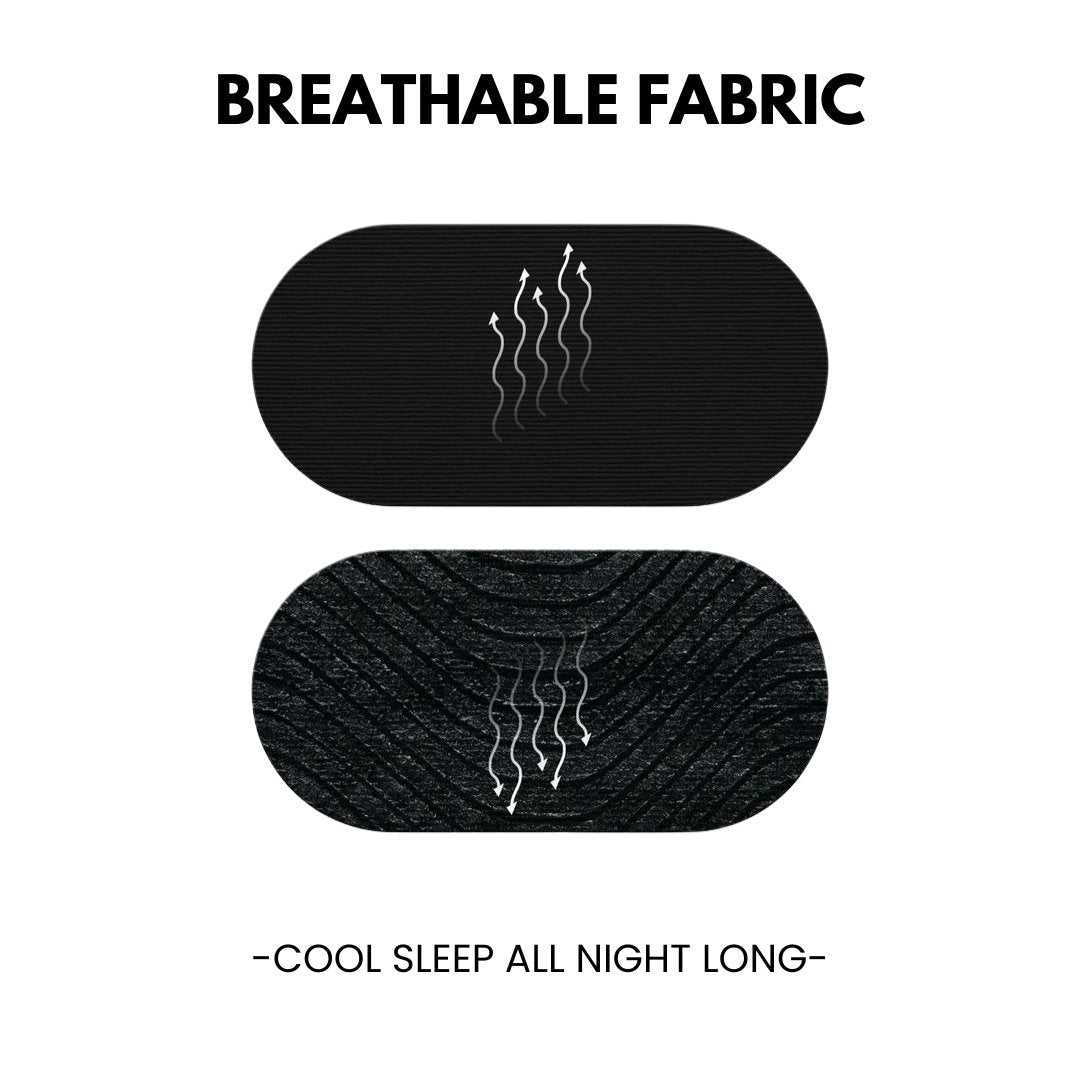
Mouth tape does: maintain nasal breathing throughout the night, which reduces breathing-related noise, promotes parasympathetic nervous system activation, prevents dry mouth, supports nitric oxide production, and creates the physiological conditions where the brain is most likely to habituate to the tinnitus signal during sleep.
Mouth tape does not: treat tinnitus, reduce the actual tinnitus signal, replace audiological evaluation, substitute for tinnitus-specific therapies (sound therapy, cognitive behavioral therapy for tinnitus, tinnitus retraining therapy), or address the underlying cause of the tinnitus. If your tinnitus is new, worsening, present in only one ear, or accompanied by hearing loss, dizziness, or pain, see an ENT specialist or audiologist. These can be signs of conditions that require medical attention.
Starting Mouth Tape with Tinnitus
If you're considering mouth tape specifically because tinnitus is disrupting your sleep, the same gradual approach applies as for any new sleep tool.
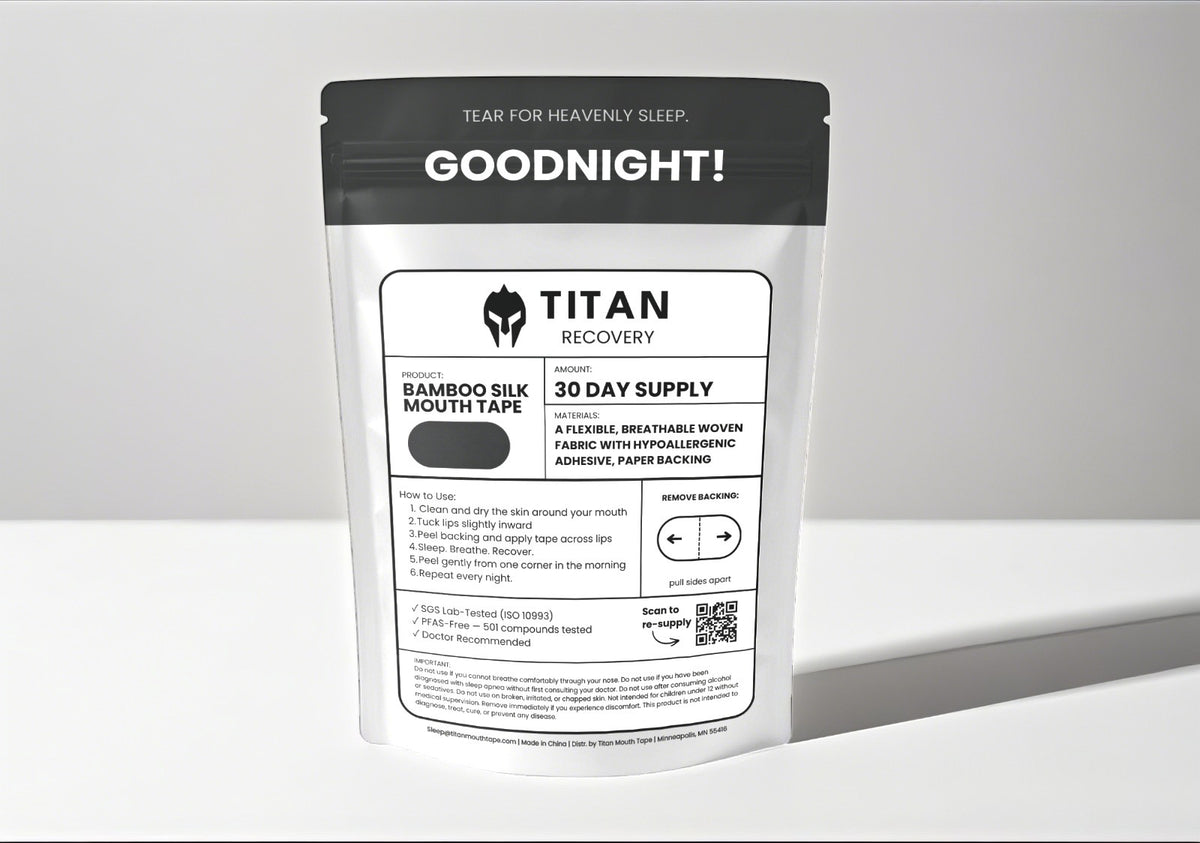
Start during the day. Wear Titan Mouth Tape for 15-20 minutes during a calm activity. Notice how quiet your breathing becomes. For tinnitus sufferers, this reduced breathing noise is often the first thing they appreciate — the tape eliminates one source of auditory input that was layered on top of the ringing.
Pair with your existing masking strategy. If you already use a white noise machine or fan, add mouth tape to your routine and observe whether the combination is more effective than masking alone. Many people find that quieter breathing plus consistent background noise creates a more stable auditory environment that makes the tinnitus less prominent.
Be patient. Habituation is a process, not an event. Your brain doesn't learn to ignore the tinnitus in one night. Consistent nasal breathing during sleep creates the conditions that support habituation over time — calmer nervous system, fewer wake-ups, fewer disruptions that restart the habituation process. Give it at least two to three weeks of consistent use before evaluating.
Frequently Asked Questions
Can mouth tape make tinnitus worse?
Mouth tape itself does not affect the tinnitus signal. For most people, the quieter breathing pattern and parasympathetic activation associated with nasal breathing make tinnitus less noticeable, not more. However, if mouth tape causes anxiety or a feeling of restriction that increases your stress level, that stress could temporarily increase tinnitus perception. Start during the day to build comfort, and don't force it if the tape creates tension rather than reducing it.
Does nasal breathing reduce tinnitus?
Nasal breathing does not eliminate or directly reduce the tinnitus signal. What it does is create physiological conditions — parasympathetic nervous system activation, reduced autonomic arousal, improved nitric oxide production — that may reduce how prominently the brain perceives tinnitus. The calmer the nervous system, the more effectively the brain filters out persistent non-threatening sounds. This is the basis of habituation, and nasal breathing supports that process.
Should I use mouth tape or white noise for tinnitus?
They address different aspects of the problem and work well together. White noise changes the external auditory environment by adding consistent background sound that partially masks the tinnitus. Mouth tape changes the internal auditory environment by eliminating mouth breathing noise and the physiological arousal that amplifies tinnitus perception. Used together, they create a quieter breathing pattern layered over a consistent masking sound — an effective combination for many tinnitus sufferers.
Is tinnitus related to mouth breathing?
Mouth breathing does not cause tinnitus. However, tinnitus and mouth breathing interact in ways that worsen the nighttime experience. Mouth breathing adds noise to the auditory environment, activates the sympathetic nervous system (which increases tinnitus perception), and causes dry mouth that wakes you up — each wake-up requiring you to re-habituate to the ringing. Switching to nasal breathing removes these compounding factors.
When should I see a doctor about tinnitus and sleep?
See a healthcare provider if your tinnitus is new or suddenly worse, present in only one ear, accompanied by hearing loss or dizziness, pulsatile (rhythmic with your heartbeat), or if ringing ears sleep disruption is significantly affecting your daytime functioning. An audiologist or ENT specialist can evaluate potential causes and discuss treatment options including sound therapy, cognitive behavioral therapy for tinnitus, and hearing aids that include tinnitus-masking features.
The Bottom Line
Tinnitus makes sleep harder for a straightforward reason: the sound is most noticeable when everything else goes quiet. There's no way to turn it off, which makes the problem feel unsolvable. But the experience of tinnitus at night is shaped by more than just the ringing itself — it's shaped by your nervous system state, by additional sounds your body generates, by how often you wake up and restart the process of tuning it out, and by whether your brain is in a physiological state that supports habituation.
Nasal breathing works on each of those factors. It's quieter than mouth breathing. It activates the parasympathetic nervous system that helps the brain deprioritize non-threatening sounds. It prevents the dry mouth and snoring that cause unnecessary wake-ups. And it supports the cardiovascular function that some research associates with reduced tinnitus severity. Mouth tape maintains all of that throughout the night without any effort on your part.
It's not a cure. Tinnitus is a complex condition that deserves professional evaluation and, when appropriate, targeted treatment. But within the set of things you can do to make sleeping with tinnitus less miserable, optimizing your breathing pattern is one of the simplest and most physiologically grounded. It won't silence the ringing. It can help your brain care about it less.
Doctor Recommended: "As a maxillofacial surgeon and dentist, I recommend Titan Mouth Tape. Nasal breathing during sleep is essential for airway health and deep restorative rest. Titan's bamboo silk design is the most comfortable and effective mouth tape I have tested. If you struggle with snoring, dry mouth, or poor sleep quality, this is the simplest change you can make for your health." — Dr. Francois P., MD, DDS — Maxillofacial Surgeon
Lab-Tested Safety: Titan's adhesive is independently tested to ISO 10993 medical device standards. Non-toxic (95% cell viability). Non-allergenic (0% reaction rate). Non-irritating (score 0.0/8.0). PFAS-free — 501 compounds tested, zero detected. See full test results →
Try the complete system tonight. Titan Mouth Tape (bamboo silk, SilkSeal™ adhesive) + TitanAir Nasal Strips. Free shipping. 30-night Better Sleep Guarantee. Shop Titan Mouth Tape → · Shop TitanAir Nasal Strips →