Mouth Tape and Sleep Position: What Works Best
Share
The short answer on mouth tape and sleep position: it works in all of them. Back sleepers get the most dramatic benefit, side sleepers get the most consistent results, stomach sleepers need a little more attention to application, and combination sleepers -- the people who roll through multiple positions each night -- may actually get the biggest overall advantage. The tape doesn't care how you sleep. It keeps your mouth closed either way.
That said, each position creates different forces on the tape and different tendencies for your jaw and airway. If you've been wondering whether mouth tape will actually stay put in your preferred sleep position, or whether you need to do anything differently depending on how you sleep, this guide covers all of it honestly.
Back Sleepers: Where Mouth Tape Makes the Biggest Difference
Back sleeping is the position where mouth tape arguably does its best work -- and where you need it the most.
Gravity works against you. When you're on your back, gravity pulls your jaw downward and your tongue toward the back of your throat. That's a double problem: the jaw drops open, which switches you to mouth breathing, and the tongue falls back, which narrows the airway. This combination is why back sleepers tend to snore more than side or stomach sleepers. Research on positional snoring consistently shows that supine sleeping increases the frequency and intensity of airway vibration compared to lateral positions.
Tape application is easiest here. On the practical side, back sleeping is the simplest position for mouth tape. There's no pillow pressing against the tape edges, no friction from fabric, and no face-down pressure pushing the seal. Gravity actually helps the tape stay in place because it's pulling the jaw down -- and the tape is resisting that pull, which is exactly its job. Most back sleepers find that the tape stays put all night without any special attention to application.
The nasal strip combo. Because back sleeping produces the most snoring, this is the position where pairing mouth tape with nasal strips makes the biggest difference. The tape keeps the mouth closed, the strips keep the nasal passages wide open, and together they address the two main mechanical causes of snoring: oral airflow and nasal resistance. The Deep Sleep Bundle exists specifically because so many back sleepers benefit from using both.
One important note. If you're a back sleeper and you experience loud snoring, gasping, or choking even with mouth tape, talk to your doctor about a sleep study. Positional sleep apnea -- where airway obstruction happens primarily or exclusively during back sleeping -- is a real condition that affects a meaningful percentage of adults. Mouth tape helps with mouth breathing, but it's not a treatment for obstructive sleep apnea. If the problem is structural, you need professional evaluation.
Side Sleepers: The Most Common Position, the Easiest Transition
About 60% of adults are primarily side sleepers, which makes this the most common question we get: does mouth tape work as a mouth tape side sleeper solution? Yes -- and it's a particularly strong combination because side sleeping already reduces snoring risk.
Side sleeping naturally helps your airway. When you're on your side, gravity pulls the tongue laterally rather than backward into the throat. The soft palate doesn't collapse as easily. The airway stays wider. This means side sleepers start with a mechanical advantage. Adding mouth tape on top of that keeps nasal breathing consistent, which takes a good airway position and makes it even better. The result is typically quieter, deeper sleep with less waking throughout the night.
The main consideration: pillow pressure on the tape edge. Side sleepers press one cheek into the pillow, and depending on how deep the pillow compression is, that can put lateral pressure on the lower edge of the tape. This is where seal quality matters. Press the tape firmly for about 10 seconds after application, paying extra attention to the edges. The adhesive needs full contact with the skin -- not just the center of the strip.
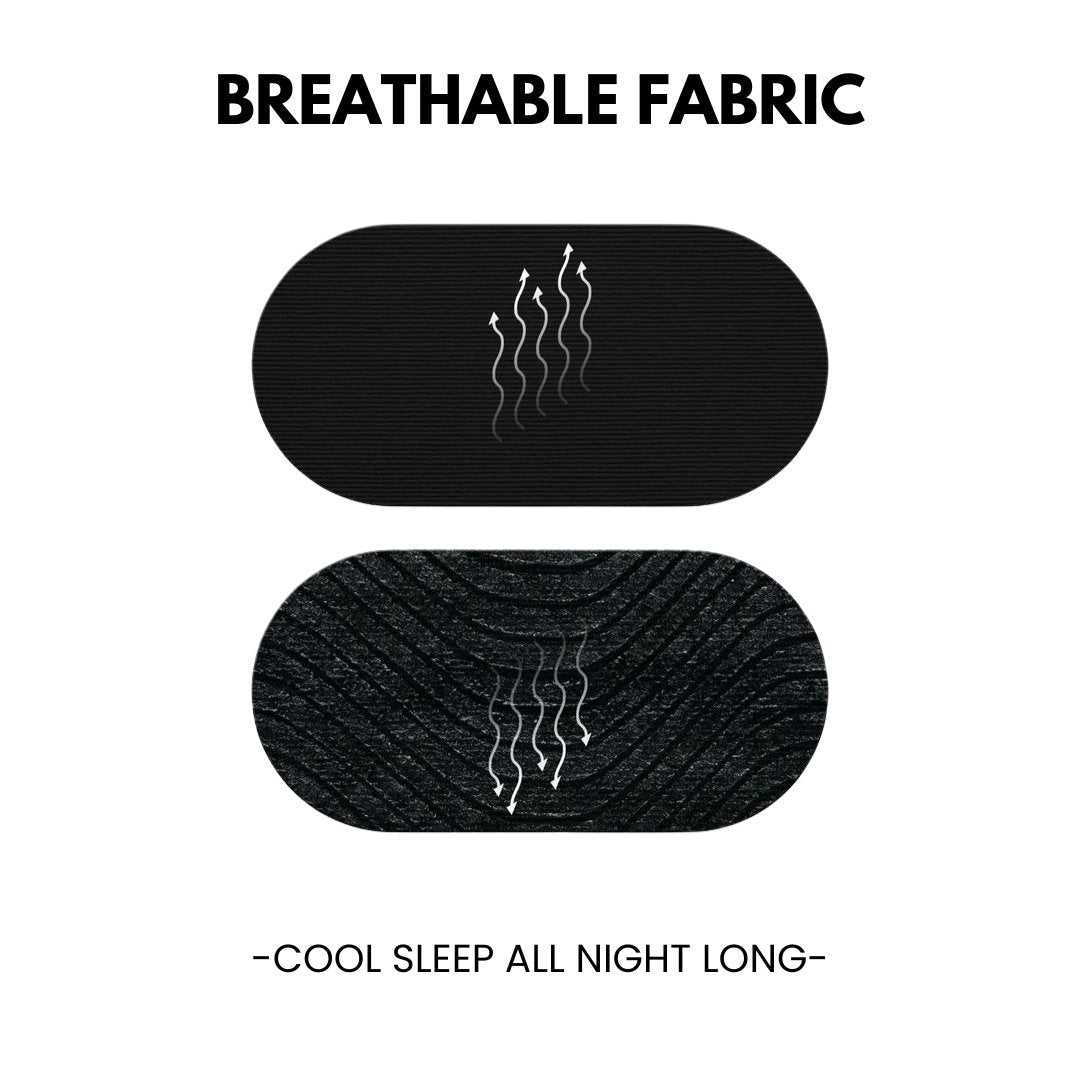
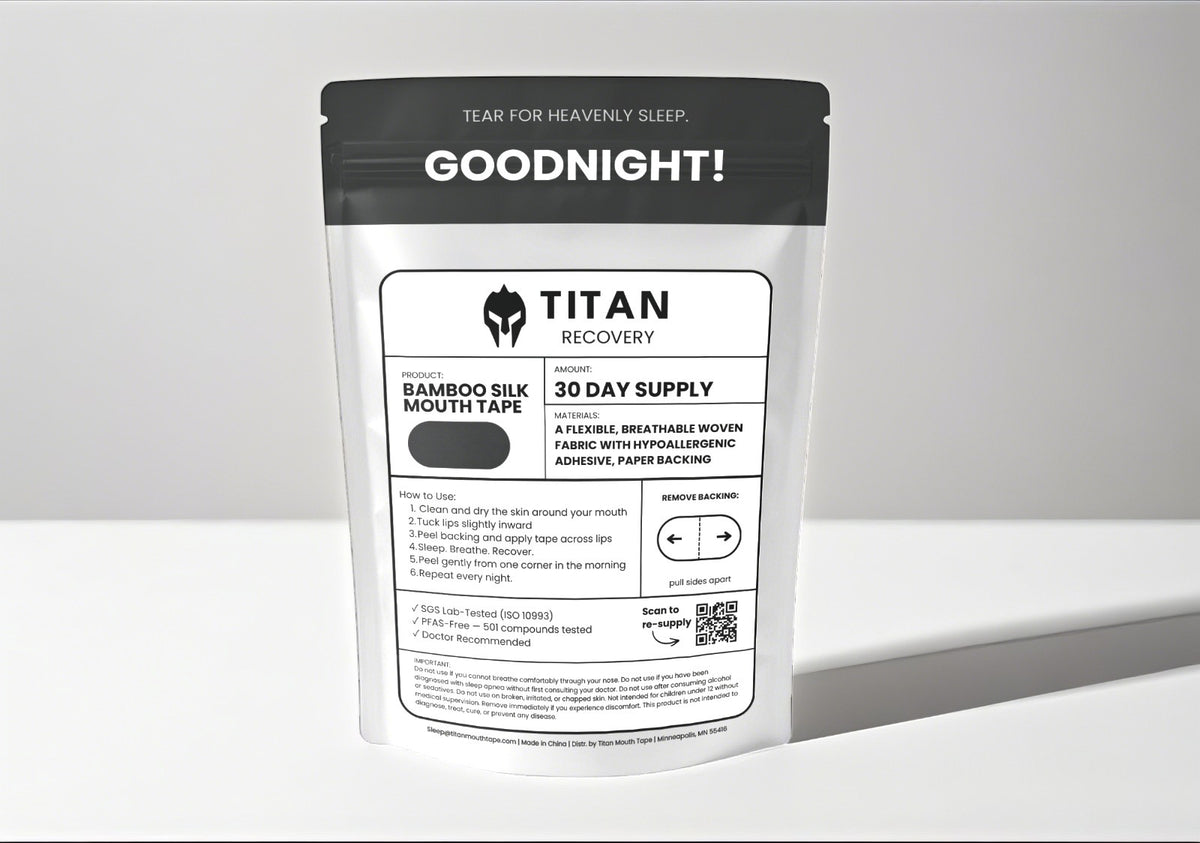
Material matters here. Rigid paper-style tapes and stiff adhesives tend to catch on pillowcases or peel at the edges when pillow pressure shifts them. Bamboo silk -- the material Titan uses -- conforms to the contours of the skin and moves with it rather than fighting against it. That flexibility means the tape adjusts to pressure changes throughout the night instead of breaking its seal when your face shifts on the pillow. If you've tried a stiffer tape and had it peel off during side sleeping, the material is likely the issue, not the concept.
Side sleepers who also roll onto their back. This is an underappreciated group: people who fall asleep on their side but end up on their back at some point during the night. If that's you, mouth tape is particularly valuable because it maintains nasal breathing during the position where you're most vulnerable. You might breathe perfectly through your nose while side sleeping, but the moment you roll onto your back, your jaw drops and mouth breathing kicks in. The tape eliminates that inconsistency. You don't have to stay in one position all night to get the benefit.
Stomach Sleepers: Honest Expectations
Stomach sleeping is the least common position and the trickiest one for mouth tape. That doesn't mean it doesn't work -- it does for most stomach sleepers -- but it helps to know what to expect and how to adjust.
Most stomach sleepers aren't truly face-down. If you identify as a mouth tape stomach sleeper, think about how you actually position your head. Most people who sleep on their stomach turn their head to one side. In that rotated position, the tape functions almost identically to how it works for side sleepers -- pillow pressure is on one cheek, and the tape seal faces either sideways or partially downward. This is a perfectly fine setup and most people in this camp have no issues with the tape staying on or working properly.
True face-down sleepers face more friction. If you bury your face straight into the pillow, you're putting direct, sustained pressure on the tape along with more heat and moisture buildup around the mouth. The tape may shift or feel uncomfortable during the first few nights. Some stomach sleepers find that the tape loosens earlier than it would in other positions.
Give it a few nights. The honest truth: many stomach sleepers who expect problems end up adjusting within three to five nights. The tape is flexible enough to handle face-down pressure, and your body learns to accommodate the sensation quickly. If you wake up in the first few nights and the tape has shifted, re-apply and go back to sleep. By the end of the first week, most people stop noticing it. Start with clean, dry skin, press firmly on application, and give your body time to adapt.
A note on the position itself. Many sleep specialists suggest that stomach sleepers consider transitioning to side sleeping because of the sustained neck rotation involved in prone sleeping. The cervical spine spends hours twisted to one side, which can contribute to neck stiffness, shoulder pain, and headaches over time. Mouth tape can actually make that transition easier -- it keeps you aware of your mouth position as you shift, and because side sleeping with tape is comfortable from the first night, you have less reason to flip back to your stomach. It won't force the change, but it removes one barrier.
Combination Sleepers: Where Mouth Tape Shines Most
If you move between positions during the night -- and research on sleep movement suggests that the average adult changes position 10 to 30 times per night -- you might actually be the best candidate for mouth tape.
The consistency problem. Without mouth tape, your breathing quality varies with your position. You might breathe through your nose on your side, then switch to mouth breathing the moment you roll onto your back. You might be silent for the first three hours of sleep and then snore heavily for the last four, simply because you shifted from a lateral to a supine position. Your partner hears the snoring; you don't -- but you feel it in the morning as dry mouth, sore throat, and fatigue that doesn't match the number of hours you were in bed.
Mouth tape removes the variable. This is the core argument for combination sleepers: the tape maintains nasal breathing regardless of which position your body moves into. Back, side, stomach, back again -- it doesn't matter. The jaw stays closed, the airway stays nasal, and breathing quality remains consistent all night. Instead of getting good breathing in some positions and poor breathing in others, you get consistent nasal breathing in all of them.
No positional training required. Some people try to force themselves into side sleeping with body pillows, wedges, or tennis balls sewn into sleep shirts. Those methods can work, but they also disrupt sleep by introducing discomfort and restricting natural movement. Mouth tape takes a different approach: instead of controlling your position, it controls your breathing. You can move freely, change positions naturally, and still maintain nasal breathing throughout. It's a smaller intervention with a more reliable outcome.
Application Tips by Position
Regardless of your sleep position, the basics of safe mouth taping are the same. But a few position-specific adjustments help.
Back sleepers: Standard application. Clean, dry skin. Press firmly for 10 seconds. No special adjustments needed -- this position is the most forgiving for tape adhesion. If you snore heavily, add nasal strips for the full effect.
Side sleepers: Pay extra attention to the edges of the tape, especially the side that will face the pillow. Press the perimeter of the strip firmly against the skin. If you use a satin or silk pillowcase, you may find the tape stays in place better because the reduced friction means less shear force on the adhesive. A cotton pillowcase creates more drag, which puts slightly more stress on the tape edges.
Stomach sleepers: Same edge attention as side sleepers, but also make sure your nose is completely clear before applying the tape. Since the face-down position can create mild nasal compression, you want to start with the best possible airflow. Blow your nose, apply nasal strips if needed, then apply the mouth tape. Keep a glass of water on the nightstand for the first few nights in case you wake up and want to reset.
Combination sleepers: Apply like a back sleeper (standard application) and let the tape handle the transitions. The key is a good initial seal -- if the tape is well-adhered from the start, it will stay put through whatever position changes happen during the night.
Frequently Asked Questions
Does mouth tape fall off during side sleeping?
Not if it's applied correctly to clean, dry skin with firm pressure on the edges. Flexible materials like bamboo silk hold up better than rigid paper tapes because they move with the skin rather than catching on the pillowcase. If you've had problems with tape peeling off at night, this guide covers the most common reasons and fixes.
Is mouth tape safe for stomach sleepers?
Yes, as long as your nasal passages are clear. The tape keeps the mouth closed, not sealed shut -- you can still part your lips and breathe through your mouth if your body needs to. Stomach sleepers who are congested should clear their nose before bed or use nasal strips to ensure adequate airflow. For a broader look at safety considerations, read our guide to mouth taping safety.
Which sleep position is best for reducing snoring with mouth tape?
Side sleeping combined with mouth tape produces the least snoring for most people because the airway is already at its widest and the tape prevents the remaining mouth-breathing component. That said, back sleepers often notice the biggest improvement because they're starting from a worse baseline -- mouth tape can substantially reduce snoring even in the position most associated with it.
I change positions constantly. Will the tape survive a full night?
In most cases, yes. Quality mouth tape is designed to stay in place through normal sleep movement, including rolling between positions. The adhesive is gentle on skin but strong enough to maintain its seal through the friction and pressure changes that come with position shifts. Most people who use mouth tape through the night find it still in place when they wake up.
Can mouth tape help me transition from stomach to side sleeping?
It can support the transition, though it won't force it. Mouth tape makes you more aware of your mouth and breathing position, which some people find helpful when trying to change sleep habits. And because side sleeping with mouth tape is comfortable from the first night, there's one less reason to default back to stomach sleeping. Pair it with a body pillow for extra positional support during the transition.
The Bottom Line
Mouth tape works in every sleep position. Back sleepers get the most dramatic improvement because gravity creates the strongest pull toward mouth breathing. Side sleepers get the most reliable, consistent results because the position and the tape work together. Stomach sleepers need a little more care with application but find that the tape adapts within a few nights. And combination sleepers -- the majority of us, whether we realize it or not -- get the biggest structural advantage because the tape maintains nasal breathing through every position change that happens during the night.
Your sleep position matters, but it matters less than whether you're breathing through your nose. A back sleeper with mouth tape gets better breathing quality than a side sleeper without it. Instead of trying to control a position that your body will change anyway, control the one variable that actually stays consistent: keep the mouth closed, breathe through the nose, and let your body sleep however it wants.
Doctor Recommended: "As a maxillofacial surgeon and dentist, I recommend Titan Mouth Tape. Nasal breathing during sleep is essential for airway health and deep restorative rest. Titan's bamboo silk design is the most comfortable and effective mouth tape I have tested. If you struggle with snoring, dry mouth, or poor sleep quality, this is the simplest change you can make for your health." — Dr. Francois P., MD, DDS — Maxillofacial Surgeon
Lab-Tested Safety: Titan's adhesive is independently tested to ISO 10993 medical device standards. Non-toxic (95% cell viability). Non-allergenic (0% reaction rate). Non-irritating (score 0.0/8.0). PFAS-free — 501 compounds tested, zero detected. See full test results →
Try the complete system tonight. Titan Mouth Tape (bamboo silk, SilkSeal™ adhesive) + TitanAir Nasal Strips. Free shipping. 30-night Better Sleep Guarantee. Shop Titan Mouth Tape → · Shop TitanAir Nasal Strips →
This article is for informational purposes only and does not constitute medical advice. If you have or suspect a sleep disorder or other medical condition, consult a qualified healthcare provider before making changes to your routine.