Sinus Infection and Sleep: How to Rest and Recover

Share
A sinus infection has a way of making nighttime the worst part of being sick. The pressure, the congestion, the post-nasal drip that starts the moment you lie down — sinus infection sleep is often no sleep at all. And here's the frustrating part: sleep is exactly what your body needs to fight the infection. The immune system does its most intensive work during deep sleep, releasing cytokines and other immune factors that target infection. Sleeping poorly with sinusitis doesn't just make you miserable — it extends the time it takes to get better.
This is a practical guide to sleeping as well as possible while your sinuses recover. That includes when nasal strips and mouth tape can help, when mouth tape should stay in the drawer, and what else you can do to get through the worst nights.
Why Sinus Infections Get Worse at Night
If your sinusitis symptoms seem to intensify when you lie down, it's not your imagination. Several physiological factors converge to make nighttime the peak of sinus misery.
Gravity stops helping. During the day, gravity pulls mucus downward through the nasal passages and sinuses, providing at least some drainage. When you lie flat, that drainage stalls. Mucus pools in the sinus cavities, increasing the pressure sensation across your forehead, cheeks, and behind your eyes. This is why sinus headaches and facial pain often feel worst in bed.
Post-nasal drip increases. The mucus that would normally drain forward during the day now drains backward down the throat. This triggers coughing, throat irritation, and the gagging sensation that makes falling asleep difficult. Post-nasal drip can also cause nausea and an upset stomach, adding another obstacle to rest.
Congestion shifts sides. Your body has a natural nasal cycle — alternating which nostril is more open every few hours. During a sinus infection, this cycle still operates, but now the "closed" side becomes significantly more blocked. When you lie on your side, the lower nostril tends to congest further from blood pooling, while the upper one opens somewhat. This is why you may find yourself constantly flipping sides throughout the night, chasing whichever nostril is currently more breathable.
Dry air worsens inflammation. If your bedroom air is dry — common in air-conditioned or heated rooms — the nasal membranes lose moisture overnight, thickening mucus and increasing the sensation of congestion. Mouth breathing, which many sinus infection sufferers default to, dries the throat and makes post-nasal drip more irritating.
Practical Strategies That Actually Help
You can't will a sinus infection away, but you can address the specific mechanisms that make nighttime symptoms worse.
Elevate your head. This is the single most effective positional change for sinus infection sleep. Propping your head up 15-30 degrees — using a wedge pillow or an extra pillow — restores some gravity-assisted drainage and reduces the blood pooling in the nasal turbinates that worsens congestion when you lie flat. You don't need to sleep sitting up. A modest elevation makes a meaningful difference.
Use a humidifier. Adding moisture to your bedroom air keeps nasal membranes from drying out and helps thin the mucus that's causing pressure and blockage. Aim for 40-60% humidity. Clean the humidifier regularly to avoid introducing mold or bacteria into the air — the last thing inflamed sinuses need. A warm-mist humidifier can feel particularly soothing when sinuses are raw and painful.
Steam before bed. Taking a hot shower or inhaling steam from a bowl of hot water 15-20 minutes before bed temporarily thins mucus and opens the nasal passages. The effect is short-lived — usually 30-60 minutes — but that window often coincides with the critical period of falling asleep. Some people add eucalyptus oil to the steam, which may provide additional perceived relief, though the primary benefit is the moisture and heat.
Saline irrigation. A saline rinse (using a neti pot, squeeze bottle, or saline spray) before bed physically flushes mucus, bacteria, and inflammatory debris from the nasal passages. Research supports saline irrigation as an effective adjunct treatment for sinusitis — it improves symptoms and may reduce the duration of infection. It also helps rehydrate the nasal mucosa. For best results, use distilled or previously boiled water and follow the manufacturer's directions for the device.
Watch the medications. Over-the-counter sinus medications can help or hurt your sleep depending on what's in them. Decongestants containing pseudoephedrine are effective at reducing nasal swelling but are stimulants — taking them too close to bedtime can keep you awake. Look for nighttime formulations that pair a decongestant with an antihistamine (like doxylamine) for sedating effects, or use a decongestant nasal spray (oxymetazoline) instead, which works locally without the systemic stimulant effect. Note: decongestant sprays should not be used for more than three consecutive days due to the risk of rebound congestion.
Nasal Strips: The Star Product for Sinus Sufferers
During a sinus infection, the nasal passages are inflamed and swollen. Even after steam, saline, and medication, there is often residual narrowing that makes nasal breathing effortful. This is where nasal strips earn their place.
Nasal strips work mechanically — they use a spring-like band to physically pull the nostrils open wider, reducing resistance to airflow. They don't treat the underlying infection or reduce swelling, but they do make it easier to move air through partially congested passages. For sinus infection sufferers, this can be the difference between mouth breathing all night and maintaining at least partial nasal breathing.
Why does maintaining nasal breathing matter during a sinus infection? Several reasons.
Nasal breathing maintains sinus moisture. When you breathe through your nose, the air is humidified by the nasal mucosa before reaching the throat and lungs. This keeps the nasal membranes from drying out further and helps maintain the mucociliary function (the tiny hair-like structures that move mucus out of the sinuses). Mouth breathing bypasses this humidification, drying out both the nasal passages and the throat.
Nasal breathing supports drainage. Airflow through the nasal passages creates pressure differentials that actually help move mucus out of the sinus cavities. The science behind nasal breathing includes the production of nitric oxide in the paranasal sinuses, which has antimicrobial properties and helps dilate blood vessels in the nasal tissue. Keeping air flowing through the nose, even partially, supports the body's mechanisms for clearing the infection.
Mouth breathing worsens sore throat from post-nasal drip. If you already have an irritated throat from mucus drainage, breathing dry air through your mouth all night amplifies the pain. You wake up with a throat that feels raw, a mouth that's parched, and sinuses that have dried out and crusted over. Nasal strips can help you avoid this cycle by keeping the nasal pathway open enough to breathe through.
When to Use Mouth Tape (and When Not To)
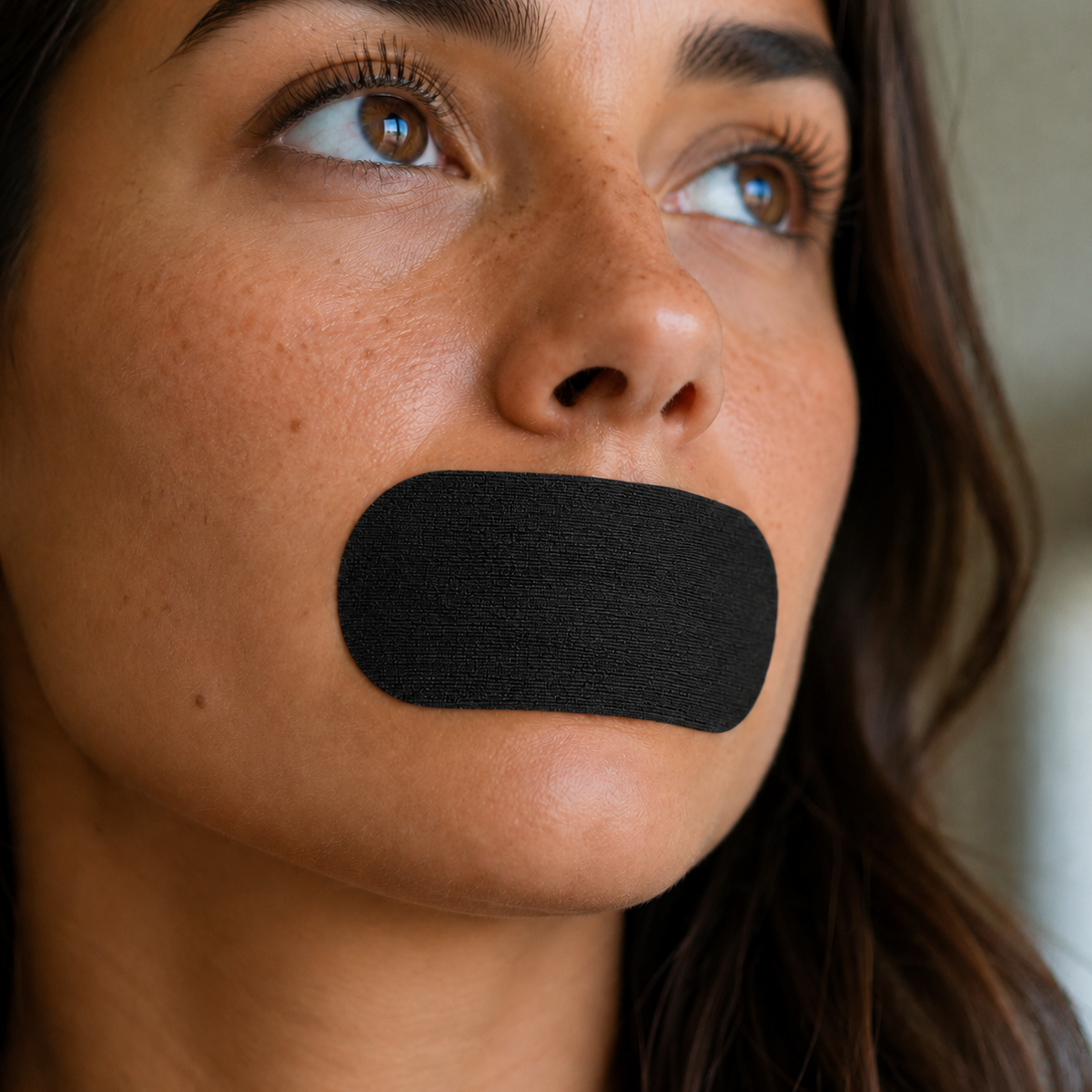
This is where nuance matters. Mouth tape is designed to keep the mouth closed during sleep, routing all breathing through the nose. For healthy sleepers, this is straightforward — nasal breathing improves sleep quality, reduces snoring, and prevents dry mouth. But during a sinus infection, the equation changes.
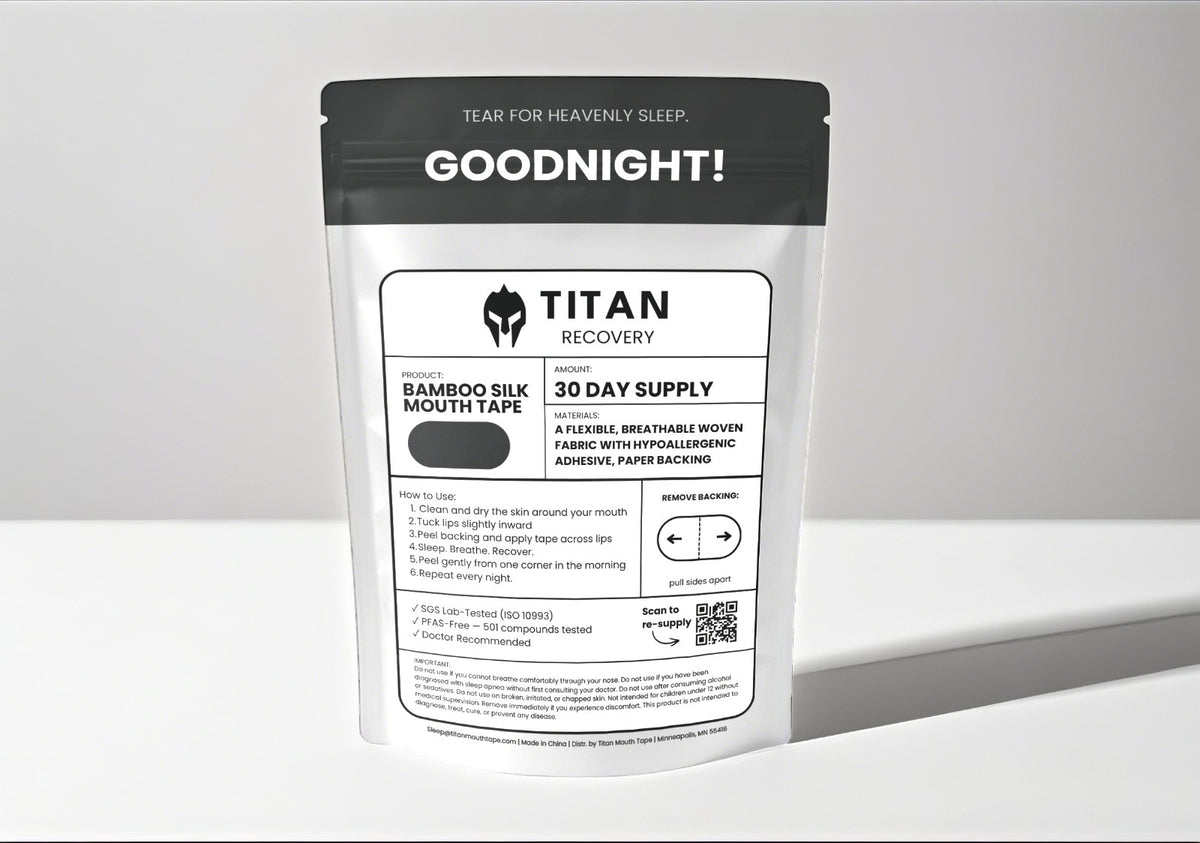
When mouth tape can help: If your congestion is mild to moderate and on one side — meaning you can breathe through at least one nostril with reasonable ease — mouth tape combined with a nasal strip can actually improve your sleep during a sinus infection. Keeping the mouth closed maintains nasal moisture, supports sinus drainage, and prevents the dry mouth and sore throat that come from overnight mouth breathing. Many people with mild sinusitis find that the combination of a nasal strip plus mouth tape is more comfortable than mouth breathing, not less.
When mouth tape should stay in the drawer: If both nostrils are severely blocked and you cannot breathe through your nose at all — or can only breathe with significant effort — do not use mouth tape. This is common during the peak of a sinus infection (usually days two through four). When the nasal passages are too swollen for adequate airflow even with nasal strips, your body needs the mouth as a backup airway. This is not a failure of technique. It is your body needing an open breathing route while it fights the infection. Wait until the congestion subsides enough that nasal breathing is possible with the help of a nasal strip, then reintroduce mouth tape.
The test is simple: Before bed, apply a nasal strip and close your mouth. Breathe through your nose for 30 seconds. If you can do it without straining, gasping, or feeling air-starved, mouth tape is fine. If you're struggling, skip it for tonight and try again tomorrow.
When to See a Doctor
Most sinus infections are viral and resolve on their own within seven to ten days. But some require medical attention.
See a doctor if: symptoms last longer than ten days without improvement; you have a high fever (above 102 degrees Fahrenheit) persisting for more than three to four days; symptoms improve and then suddenly worsen (suggesting a secondary bacterial infection); you experience severe facial pain, swelling around the eyes, or visual changes; or you have recurrent sinus infections (four or more per year).
See an ENT specialist if: you have chronic sinusitis (symptoms lasting twelve weeks or more); nasal polyps are suspected; you have a known structural issue like a deviated septum that worsens every infection; or standard treatments aren't working. An ENT can evaluate whether there's an anatomical factor contributing to your recurrent infections and discuss options that go beyond symptom management.
Antibiotics are only appropriate for bacterial sinus infections and are not helpful for viral ones. Your doctor can help determine which type you have. If antibiotics are prescribed, complete the full course even if you start feeling better — stopping early can contribute to resistant bacteria and recurring infections.
Building Back to Normal Sleep After a Sinus Infection
Once the acute infection clears, some people find that residual inflammation or post-nasal drip lingers for a few weeks. This is normal. The nasal membranes were inflamed and damaged, and they need time to fully heal.
During this recovery period, nasal strips and mouth tape are particularly valuable. The nasal passages may still be slightly swollen even though the infection is gone, and nasal strips help maintain airflow while healing completes. Mouth tape re-establishes the nasal breathing habit that may have been disrupted during the worst days of the infection. If you were mouth breathing for a week, your body may have fallen into the pattern — mouth tape helps retrain that default back to nasal breathing.
Continue saline rinses for a week or two after symptoms resolve. This supports healing and helps flush out residual mucus and debris. Keep the humidifier running if your environment is dry. And if you notice that your nasal breathing doesn't return to normal within three to four weeks after the infection clears, mention it to your doctor — persistent congestion after a sinus infection can sometimes indicate chronic sinusitis developing.
Frequently Asked Questions
Can I use mouth tape with a sinus infection?
It depends on the severity of your congestion. If you can breathe through at least one nostril comfortably with a nasal strip in place, mouth tape can actually help by maintaining nasal moisture and preventing dry mouth. If both nostrils are severely blocked, skip the mouth tape until the congestion improves. The general safety guidance for mouth taping applies — you should always be able to breathe comfortably through your nose before taping.
Why is sinus pressure worse when I lie down?
When you're upright, gravity helps drain mucus from the sinus cavities. Lying flat eliminates this drainage assistance, allowing mucus to pool in the sinuses and increasing pressure. Blood also pools in the nasal turbinates when you're horizontal, causing additional swelling and congestion. Elevating your head 15-30 degrees with a wedge pillow or extra pillows restores some gravity-assisted drainage.
Should I use a nasal strip on both sides or just the congested side?
Use a standard nasal strip that spans the bridge of the nose and pulls both nostrils open. Titan Air Nasal Strips are designed to widen both nasal passages simultaneously, which is important because congestion often shifts from side to side during the night. Even the "clear" side benefits from reduced resistance during a sinus infection.
How long does a sinus infection usually last?
Most viral sinus infections resolve within seven to ten days. Symptoms often peak around days three to five and then gradually improve. If symptoms persist beyond ten days, worsen after initial improvement, or include high fever lasting more than three to four days, see a doctor — these are signs that a bacterial infection may have developed and antibiotics might be appropriate.
Does sleeping with a humidifier help sinus infections?
Yes. Humidity between 40-60% helps keep nasal membranes moist, thins mucus for easier drainage, and reduces the drying effect that worsens congestion overnight. Clean the humidifier daily to prevent mold and bacteria growth. Warm-mist humidifiers may feel more soothing, though both warm and cool mist are effective at adding moisture to the air.
The Bottom Line
Sleeping with a sinus infection is miserable, and the irony is that poor sleep delays recovery. The strategies that help most are mechanical and practical: elevate your head, add humidity, irrigate with saline before bed, use medications strategically (avoiding stimulant decongestants at night), and keep air flowing through the nasal passages with nasal strips.
Mouth tape has a role here, but it's conditional. During mild or one-sided congestion, it can improve comfort by maintaining nasal moisture and preventing dry mouth. During severe bilateral congestion, your body needs the mouth as an open airway — skip the tape and use nasal strips alone until things open up. The decision is simple: if you can breathe through your nose with a nasal strip on, mouth tape helps. If you can't, wait.
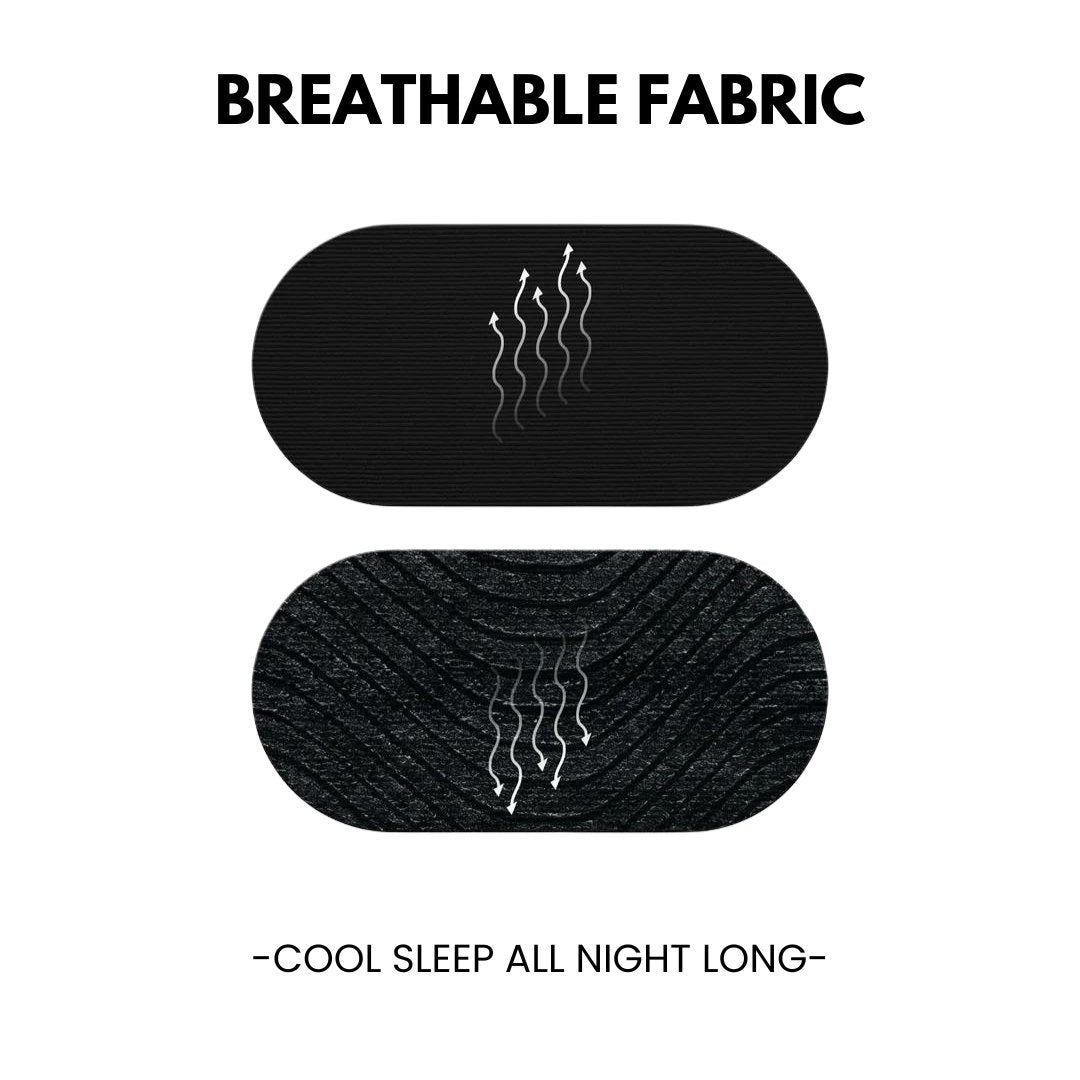
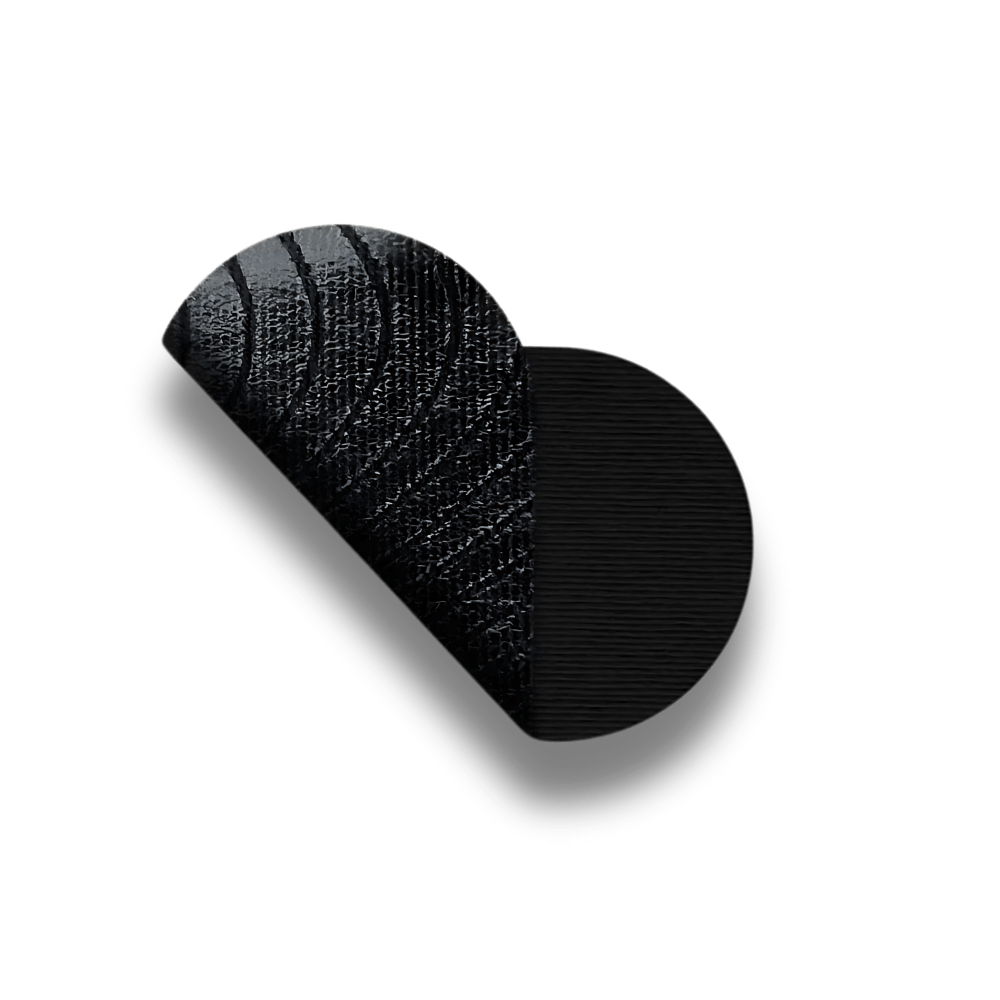
Titan Air Nasal Strips are the starting point for sinus infection sleep — mechanical, drug-free, and effective at widening the nasal passages when inflammation is narrowing them. The Titan Deep Sleep Bundle adds mouth tape for the nights when congestion is manageable and you want the full benefit of nasal breathing while you recover.
Related: nasal strips for congestion and colds →
Doctor Recommended: "As a maxillofacial surgeon and dentist, I recommend Titan Mouth Tape. Nasal breathing during sleep is essential for airway health and deep restorative rest. Titan's bamboo silk design is the most comfortable and effective mouth tape I have tested. If you struggle with snoring, dry mouth, or poor sleep quality, this is the simplest change you can make for your health." — Dr. Francois Proux, MD, DDS — Maxillofacial Surgeon
Lab-Tested Safety: Titan's adhesive is independently tested to ISO 10993 medical device standards. Non-toxic (95% cell viability). Non-allergenic (0% reaction rate). Non-irritating (score 0.0/8.0). PFAS-free — 501 compounds tested, zero detected. See full test results →
Try the complete system tonight. Titan Mouth Tape (bamboo silk, SilkSeal™ adhesive) + TitanAir Nasal Strips. Free shipping. 30-night Better Sleep Guarantee. Shop Titan Mouth Tape → · Shop TitanAir Nasal Strips →