Restless Leg Syndrome and Sleep: What Helps

Share
Restless leg syndrome sleep disruption is one of the most frustrating problems in sleep medicine. The urge to move your legs hits hardest right when you're trying to fall asleep, and the periodic limb movements that follow can fragment your sleep architecture all night long. RLS doesn't just reduce sleep quantity — it shreds sleep quality, leaving you exhausted even after a full night in bed.
There's no magic fix for RLS. It's a neurological condition that often requires medical management. But here's what many RLS sufferers don't hear enough: the quality of the sleep you do get matters enormously, because poor sleep itself worsens RLS symptoms the following night. That creates a vicious cycle — restless legs cause bad sleep, bad sleep causes worse restless legs. Breaking the cycle means optimizing every sleep factor you can control, even the ones that seem unrelated to your legs.
What Restless Leg Syndrome Actually Is
RLS is a neurological sensory-motor disorder. It produces an uncomfortable, often irresistible urge to move the legs, usually accompanied by sensations described as crawling, tingling, aching, or pulling deep inside the leg muscles. The hallmark feature is that these sensations follow a circadian pattern — they're worst in the evening and at night, particularly during periods of rest or inactivity.
The condition affects an estimated 5-10% of adults, with women affected roughly twice as often as men. It runs in families in about 50% of cases, suggesting a strong genetic component. The underlying mechanism involves dopamine signaling in the brain and iron metabolism in the central nervous system — which is why iron deficiency is one of the most common and treatable contributing factors.
Periodic limb movements of sleep (PLMS) are a related but distinct phenomenon that affects roughly 80% of people with RLS. These are involuntary leg jerks that occur every 20-40 seconds during sleep, often without the person being aware of them. PLMS fragments sleep architecture by pulling the sleeper out of deep sleep stages repeatedly throughout the night, even when they don't fully wake up. The result is sleep that looks adequate by the clock but delivers a fraction of the restorative benefit it should.
The RLS-Sleep Cycle: Why It Gets Worse
Research on RLS and sleep quality has consistently shown a bidirectional relationship. RLS disrupts sleep, and sleep deprivation worsens RLS. This isn't coincidental — it's mechanistic. Sleep deprivation alters dopamine receptor sensitivity in the brain, and since RLS involves dopamine pathway dysfunction, less sleep means worse symptoms the following night.
This cycle explains why RLS tends to worsen over time for many people, and why a single bad night can cascade into a week of escalating symptoms. It also explains why addressing sleep quality — independent of the RLS itself — is a legitimate and important treatment strategy. If you can improve the restorative quality of the sleep you do get, you may reduce the severity of the following night's symptoms.
Sleep architecture matters more than sleep duration for RLS. A person with RLS who gets six hours of consolidated, high-quality sleep with adequate time in deep and REM stages may feel better the next day than someone who gets eight fragmented hours with constant micro-arousals. This is why sleep optimization for RLS isn't just about spending more time in bed — it's about making the hours you sleep actually count.
What Triggers RLS at Night
Understanding your triggers is the first line of defense. While the underlying neurological condition may require medical treatment, many people find that specific environmental and behavioral factors significantly influence how bad their symptoms are on any given night.
Caffeine and alcohol. Both are well-documented RLS triggers. Caffeine increases nervous system excitability, and its long half-life means afternoon coffee can still be affecting your nervous system at bedtime. Alcohol, despite its sedative reputation, fragments sleep architecture and has been shown in studies to worsen both RLS sensations and PLMS frequency. Many RLS sufferers find that eliminating both after noon produces noticeable improvement within days.
Prolonged sitting or inactivity. RLS symptoms are triggered by rest, which is why they peak at bedtime. But the length of pre-sleep inactivity matters. Sitting on the couch for three hours before bed tends to produce worse symptoms than an evening that includes some movement. A short walk or gentle stretching in the hour before bed — not intense exercise, which can have its own triggering effect — helps many people reduce the initial onset severity.
Medications. Antihistamines (including many over-the-counter sleep aids containing diphenhydramine), certain antidepressants (particularly SSRIs and SNRIs), and anti-nausea medications can all worsen RLS. If your symptoms started or worsened after beginning a new medication, that's worth discussing with your doctor.
Temperature. Many RLS sufferers report that warmth worsens symptoms and coolness reduces them. This has some physiological basis — peripheral vasodilation from warmth may affect the sensory nerves involved in RLS. A cool sleeping environment, breathable bedding, and keeping the legs uncovered or lightly covered are common strategies.
Iron and Magnesium: The Nutritional Connection
Iron plays a central role in RLS pathophysiology. Brain iron levels influence dopamine production, and low iron — even when blood levels appear "normal" — is one of the most common and correctable causes of RLS. The key measurement is ferritin, a marker of iron storage. Many sleep medicine specialists recommend that RLS patients aim for ferritin levels above 75 ng/mL, which is well above the standard lab "normal" threshold. If your ferritin is below this level, iron supplementation under medical guidance may significantly reduce symptoms.
Magnesium is less well-studied for RLS specifically, but it plays a documented role in nerve function, muscle relaxation, and sleep quality broadly. Some research suggests that magnesium glycinate before bed may help with the muscle discomfort component of RLS, though the evidence is less definitive than for iron. Since many adults are mildly magnesium-deficient and supplementation carries minimal risk at appropriate doses, it's a reasonable addition to discuss with your healthcare provider.
One important caveat: do not self-treat with iron supplements without blood work. Excess iron can be harmful. Get your ferritin level tested, discuss the results with a doctor who understands RLS, and supplement only if the numbers warrant it.
How Breathing Affects the Nervous System During Sleep
This is where sleep optimization starts to intersect with RLS management in a way that surprises many people. The autonomic nervous system — the same system that regulates your fight-or-flight and rest-and-digest responses — influences both RLS symptom severity and sleep quality. And your breathing pattern is one of the most powerful levers you have for shifting autonomic tone.
Nasal breathing activates the parasympathetic nervous system — the branch responsible for calm, recovery, and deep rest. It does this through several mechanisms: the resistance of the nasal passages naturally slows the respiratory rate, slow breathing stimulates the vagus nerve, and nasal breathing promotes diaphragmatic rather than chest breathing. The result is a measurable shift toward the autonomic state that favors falling asleep and staying asleep.
Mouth breathing does the opposite. It tends to be faster, shallower, and chest-dominant — a pattern associated with sympathetic nervous system activation. For someone with RLS, sleeping in a state of elevated sympathetic tone is working against you in two ways: it makes your sleep lighter and more fragile, and sympathetic activation has been associated in some research with increased sensory sensitivity, which may lower the threshold for RLS sensations to become disruptive.
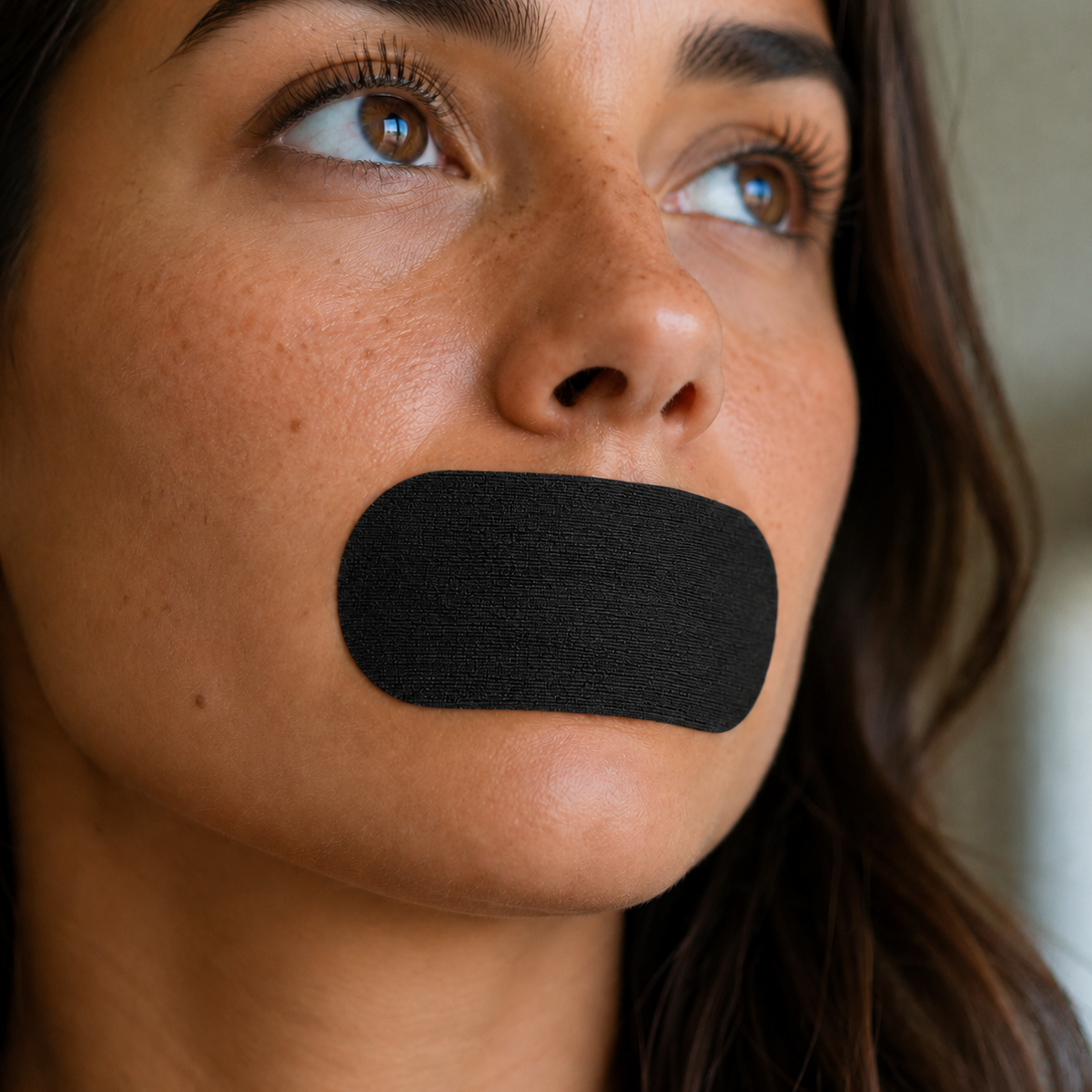
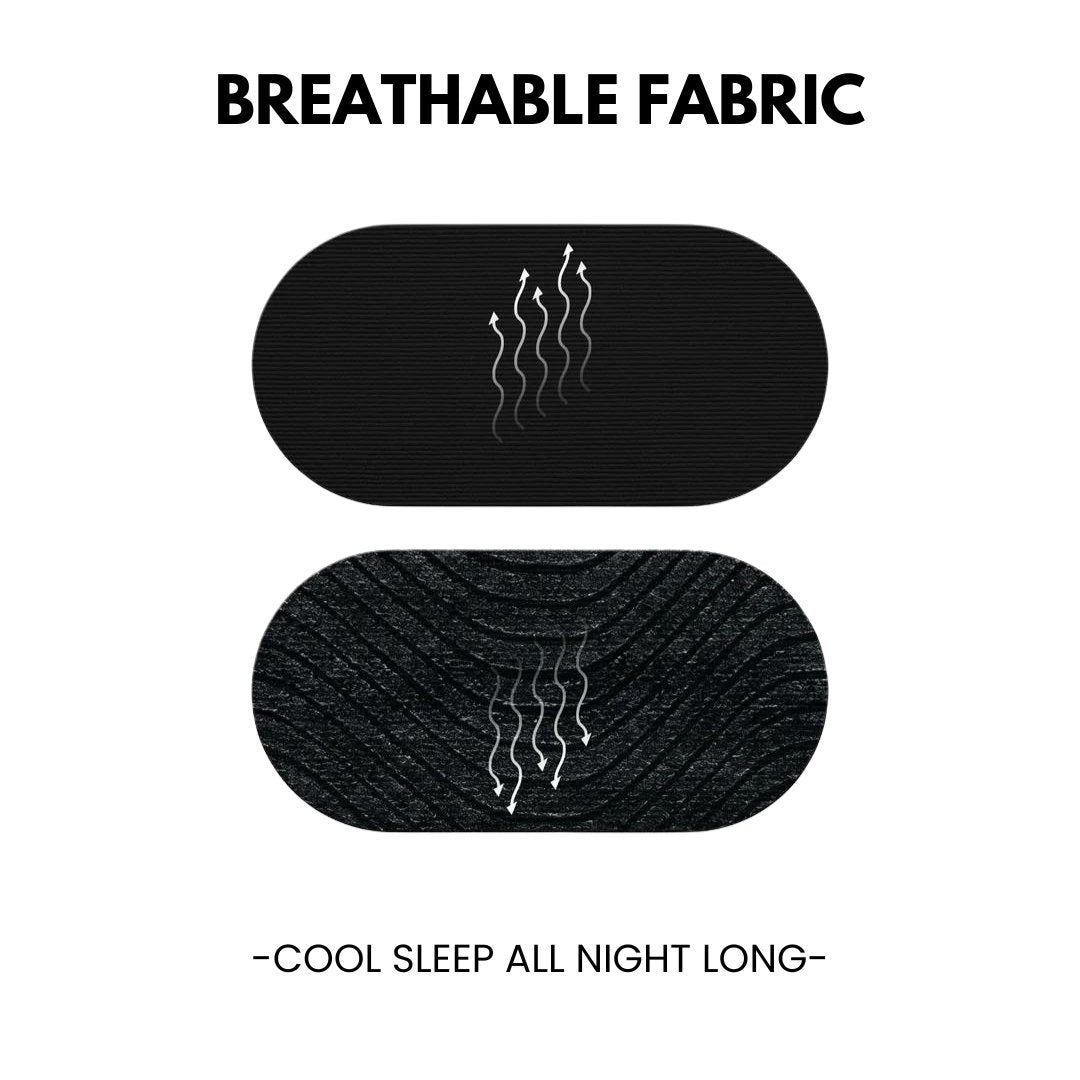
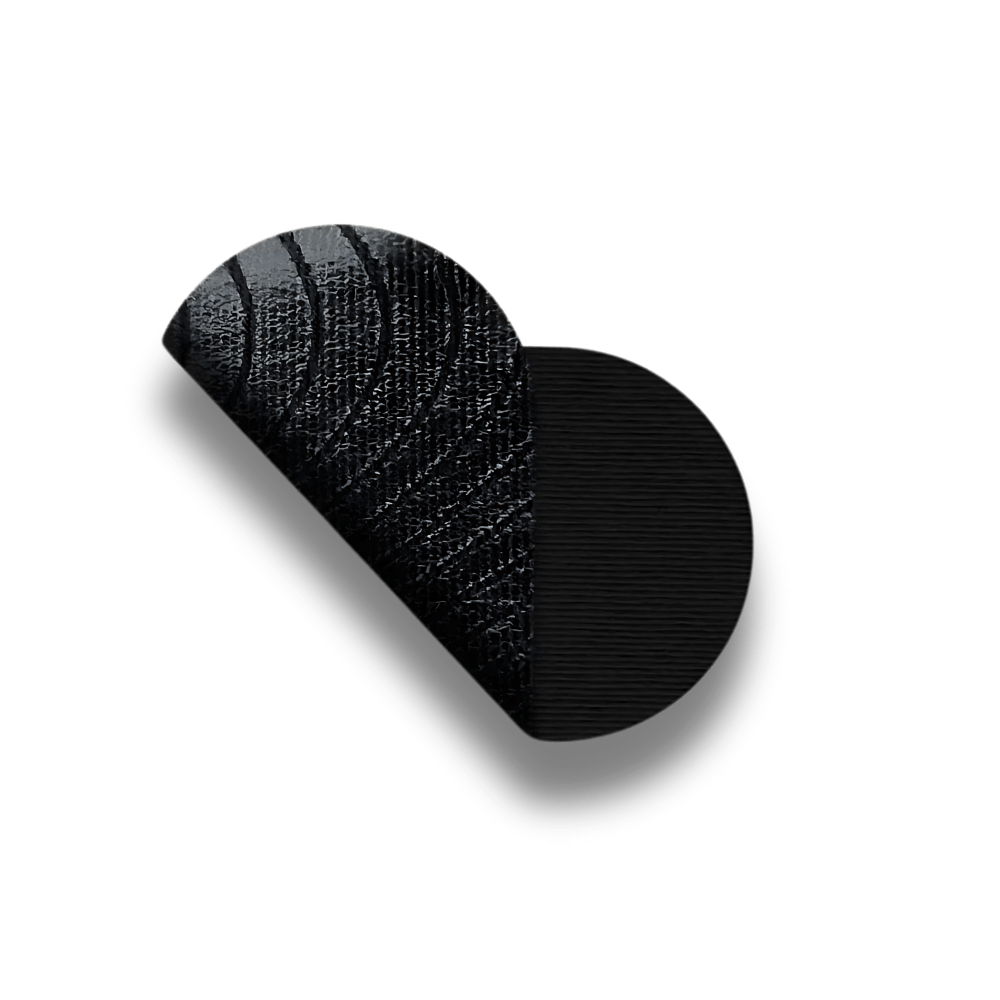
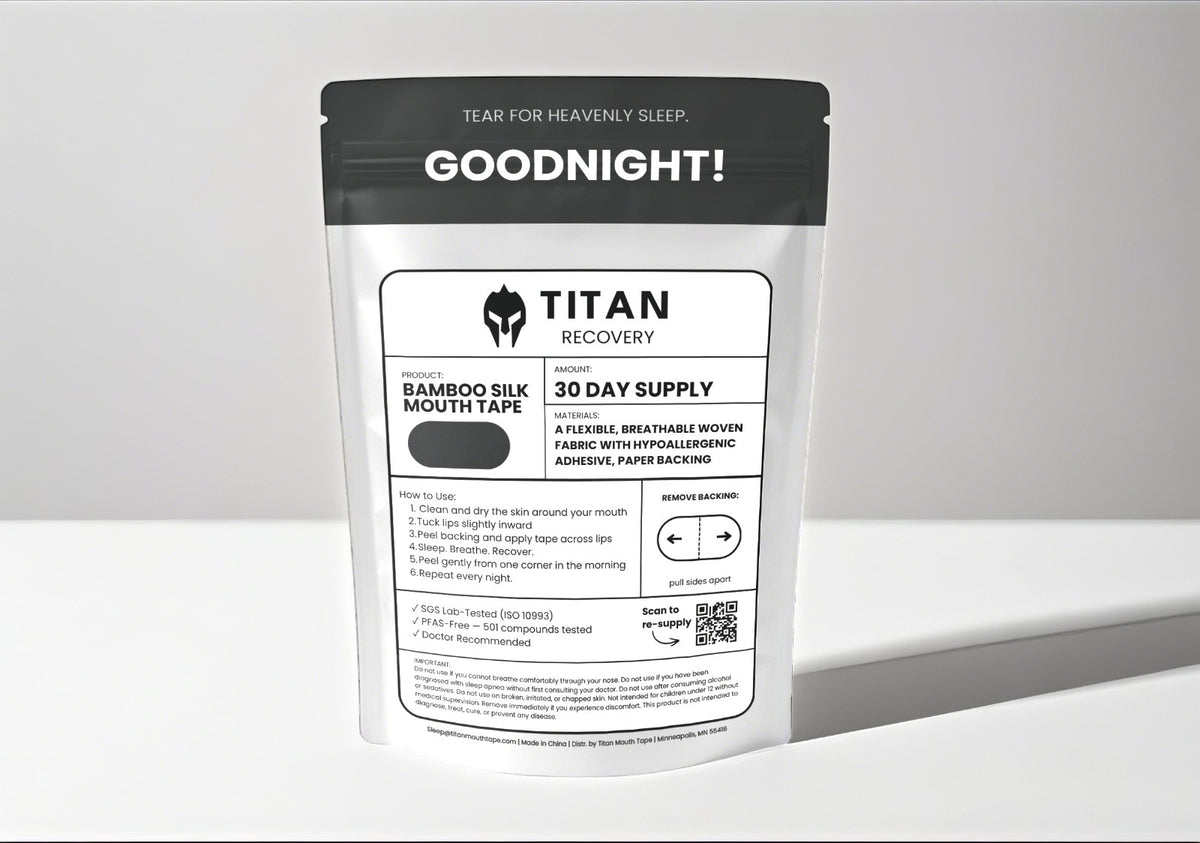
Using mouth tape during sleep ensures that every breath routes through the nasal pathway all night long. It's not addressing the RLS directly — nothing about nasal breathing fixes dopamine signaling or iron metabolism. But it is optimizing the physiological environment in which you sleep, and for someone whose sleep is already compromised by RLS, that optimization matters more than it does for an average sleeper.
Building a Sleep Environment That Works With RLS
Beyond breathing, several environmental factors are worth optimizing when you're dealing with restless leg syndrome at night.
Cool the room aggressively. A bedroom temperature of 65-68 degrees Fahrenheit is generally recommended for sleep, but many RLS sufferers do better even cooler. Some find that a weighted blanket on the torso with legs exposed to cool air reduces both RLS sensations and the overall time to fall asleep.
Compression or massage before bed. Some research and substantial anecdotal evidence supports using compression socks or a foam roller on the calves and thighs in the 20-30 minutes before bed. The mechanism isn't fully understood, but the sensory input from compression may temporarily satisfy the nervous system's "urge to move" signal. This isn't a long-term solution, but it can help on difficult nights.
Consistent sleep-wake times. Sleep regularity is important for everyone, but it's especially important for RLS. Irregular sleep schedules disrupt circadian rhythm, and since RLS follows a circadian pattern, disrupting that rhythm can cause symptoms to appear at unexpected times or worsen at their usual peak. Going to bed and waking up at the same time — even on weekends — helps keep the circadian system stable.
Limit screen exposure before bed. A strong pre-sleep routine helps signal to your nervous system that the transition to rest is happening. For people with RLS, this transition is already fraught — the last thing you need is blue light keeping your brain in alert mode while your legs are starting to act up.
When to See a Doctor
If your RLS symptoms are frequent (three or more nights per week), severe enough to regularly delay sleep onset by more than 30 minutes, or accompanied by significant daytime fatigue or mood disturbance, it's time to seek medical evaluation. RLS is a real neurological condition with real treatments — dopamine agonists, alpha-2-delta ligands, and iron supplementation all have evidence behind them for moderate to severe cases.
A sleep medicine specialist can also evaluate you for periodic limb movement disorder, sleep apnea, and other conditions that may be compounding your sleep disruption. Many RLS sufferers have overlapping sleep disorders that each deserve targeted treatment.
Frequently Asked Questions
Does mouth tape help restless leg syndrome?
Mouth tape does not treat RLS itself — it's a neurological condition involving dopamine pathways and iron metabolism. What mouth tape does is promote nasal breathing during sleep, which supports parasympathetic nervous system activation and deeper, more restorative sleep. For RLS sufferers, maximizing the quality of whatever sleep you get is critical because poor sleep worsens RLS symptoms the following night. Nasal breathing is one variable in that optimization.
What makes restless leg syndrome worse at night?
RLS follows a circadian pattern, with symptoms peaking in the evening and at night during periods of rest. Triggers that can worsen nighttime symptoms include caffeine, alcohol, antihistamines, prolonged inactivity before bed, warm room temperatures, and irregular sleep schedules. Iron deficiency is one of the most common underlying factors that intensifies symptoms overall.
Can magnesium help with restless legs?
Magnesium plays a role in nerve function and muscle relaxation, and some evidence suggests that magnesium supplementation — particularly magnesium glycinate — may help with the muscle discomfort component of RLS. The evidence is less definitive than for iron, but since many adults are mildly magnesium-deficient, it's a reasonable option to discuss with your doctor. Do not substitute magnesium for a proper RLS evaluation if your symptoms are persistent.
How do you fall asleep with restless legs?
Strategies that help include gentle stretching or walking before bed, keeping the bedroom cool, using compression on the legs, maintaining a consistent sleep schedule, and avoiding known triggers like caffeine and alcohol. Nasal breathing — through conscious practice or mouth tape — can also help by promoting the parasympathetic state that supports sleep onset. If these measures aren't sufficient, medical treatment is available and effective for many people.
Should I see a doctor for restless leg syndrome?
Yes, if symptoms occur three or more nights per week, delay sleep onset by more than 30 minutes, or significantly affect your daytime functioning. A doctor can check your iron and ferritin levels, evaluate for underlying conditions, and discuss medication options. RLS is underdiagnosed — many people endure it for years without realizing that effective treatments exist.
The Bottom Line
Restless leg syndrome is a real neurological condition, and there's no shortcut around that reality. If your symptoms are persistent, talk to a doctor — effective treatments exist. But alongside medical management, optimizing the quality of the sleep you do get is one of the most impactful things you can do, because the RLS-sleep cycle means that better sleep tonight translates to less severe symptoms tomorrow night.
Nasal breathing is one piece of that optimization. It promotes the parasympathetic state that supports deeper sleep, and it's something you can improve passively with mouth tape while you focus your conscious efforts on the harder parts of living with RLS. Pair it with a cool room, consistent schedule, trigger management, and appropriate nutrition — including addressing the reasons you might still feel tired despite time in bed — and you've built a sleep environment that works with your body instead of against it.
The Titan Deep Sleep Bundle pairs mouth tape with nasal strips for maximum airflow — gentle adhesive, all-night hold, and a Better Sleep Guarantee. When your legs are already making sleep hard, everything else should be making it easier.
Doctor Recommended: "As a maxillofacial surgeon and dentist, I recommend Titan Mouth Tape. Nasal breathing during sleep is essential for airway health and deep restorative rest. Titan's bamboo silk design is the most comfortable and effective mouth tape I have tested. If you struggle with snoring, dry mouth, or poor sleep quality, this is the simplest change you can make for your health." — Dr. Francois Proux, MD, DDS — Maxillofacial Surgeon
Lab-Tested Safety: Titan's adhesive is independently tested to ISO 10993 medical device standards. Non-toxic (95% cell viability). Non-allergenic (0% reaction rate). Non-irritating (score 0.0/8.0). PFAS-free — 501 compounds tested, zero detected. See full test results →
Try the complete system tonight. Titan Mouth Tape (bamboo silk, SilkSeal™ adhesive) + TitanAir Nasal Strips. Free shipping. 30-night Better Sleep Guarantee. Shop Titan Mouth Tape → · Shop TitanAir Nasal Strips →
This article is for informational purposes only and does not constitute medical advice. If you have or suspect a sleep disorder or other medical condition, consult a qualified healthcare provider before making changes to your routine.