Menopause and Sleep: How Nasal Breathing Helps
Share
If menopause has wrecked your sleep, you're not imagining it and you're not alone. Research estimates that 40 to 60 percent of women experience significant menopause sleep problems during the transition, and for many, poor sleep becomes the symptom that affects daily life more than any other. The causes are multiple and overlapping — hormonal shifts, hot flashes, increased snoring, anxiety, and dry mouth all converge during this stage. Nasal breathing won't reverse menopause, but it directly addresses several of the mechanical and physiological pathways that disrupt sleep during this transition.
This is not a post about curing menopause with tape. It's about understanding why sleep falls apart during perimenopause and menopause, identifying which of those disruptions are breathing-related, and explaining what nasal breathing does about them — and what it doesn't. If you're dealing with severe sleep disruption, talk to your doctor. What follows is one practical tool in what should be a broader conversation with your healthcare provider.
Why Menopause Disrupts Sleep
Sleep disruption during menopause isn't a single problem. It's a convergence of several physiological changes that all happen to affect sleep, and they compound each other. Understanding the individual mechanisms helps explain why a simple breathing change can address more of the picture than you'd expect.
Hormonal changes and airway tone. Declining estrogen and progesterone levels affect muscle tone throughout the body, including the muscles of the upper airway. Progesterone in particular is a respiratory stimulant — it helps maintain airway muscle tone during sleep. As progesterone drops during perimenopause and menopause, the airway muscles relax more during sleep, increasing the likelihood of snoring and upper airway resistance. This is why many women who never snored before menopause begin snoring during or after the transition. Research published in sleep medicine journals has documented a significant increase in snoring prevalence and sleep-disordered breathing in postmenopausal women compared to premenopausal women.
Hot flashes and night sweats. Vasomotor symptoms — hot flashes and their nighttime counterpart, night sweats — affect up to 80 percent of women during menopause. These episodes cause sudden increases in body temperature, heart rate, and skin flushing that wake you up, often followed by chills as the body overcorrects. The disruption to sleep architecture is significant: studies show that women with moderate to severe hot flashes spend less time in deep sleep and REM sleep, the stages most critical for physical recovery and cognitive function.
Anxiety and mood changes. Hormonal shifts during menopause can increase anxiety, irritability, and depressive symptoms — all of which interfere with sleep onset and maintenance. The relationship is bidirectional: poor sleep worsens mood symptoms, and mood symptoms worsen sleep. This feedback loop is one of the most challenging aspects of menopause insomnia.
Dry mouth. Hormonal changes affect mucous membrane hydration throughout the body, including the mouth and throat. Women on certain forms of HRT or those taking medications commonly prescribed during menopause (antidepressants, antihistamines) may experience additional dry mouth as a side effect. Dry mouth causes discomfort, increases the urge to drink water during the night, and can exacerbate snoring by reducing lubrication in the throat.
How Nasal Breathing Addresses Multiple Menopause Sleep Disruptions
What makes nasal breathing relevant to menopause sleep is that it doesn't just target one symptom — it works across several of the disruption pathways simultaneously.
Reducing snoring and airway instability. When you breathe through your nose, your tongue naturally rests against the roof of your mouth, which helps maintain an open airway. Mouth breathing allows the tongue to fall backward, narrowing the airway and increasing the turbulence that produces snoring. For women whose airway muscle tone has decreased due to hormonal changes, this tongue position difference is especially significant. Mouth tape promotes nasal breathing and keeps the airway more stable, which can reduce the menopause snoring that disrupts both your sleep and your partner's.
Activating the parasympathetic nervous system. Nasal breathing is naturally slower and deeper than mouth breathing, and it stimulates the vagus nerve — the primary nerve responsible for the body's rest-and-digest response. This parasympathetic activation lowers heart rate, reduces muscle tension, and promotes the calm physiological state that sleep onset requires. For women dealing with menopause-related anxiety or the hyperarousal that follows a hot flash, nasal breathing's calming effect on the nervous system can help the body return to a sleep-ready state more quickly.
Maintaining moisture. The nasal passages warm, filter, and humidify air before it reaches the lungs and throat. Mouth breathing bypasses this humidification entirely, which is why mouth breathers commonly wake with dry mouth and sore throat. For menopausal women already dealing with reduced mucous membrane hydration, mouth breathing during sleep makes the dryness significantly worse. Nasal breathing preserves the moisture that your body is already working harder to maintain.
Supporting temperature regulation. This connection is less direct but worth noting. Nasal breathing promotes better blood oxygenation through nitric oxide production in the sinuses, and improved oxygenation supports the body's thermoregulatory processes. While nasal breathing doesn't prevent hot flashes, the calmer autonomic state associated with nasal breathing may help the body recover from vasomotor episodes more efficiently — returning to baseline temperature and heart rate faster, which means less total disruption to sleep.
The Mouth Tape Approach
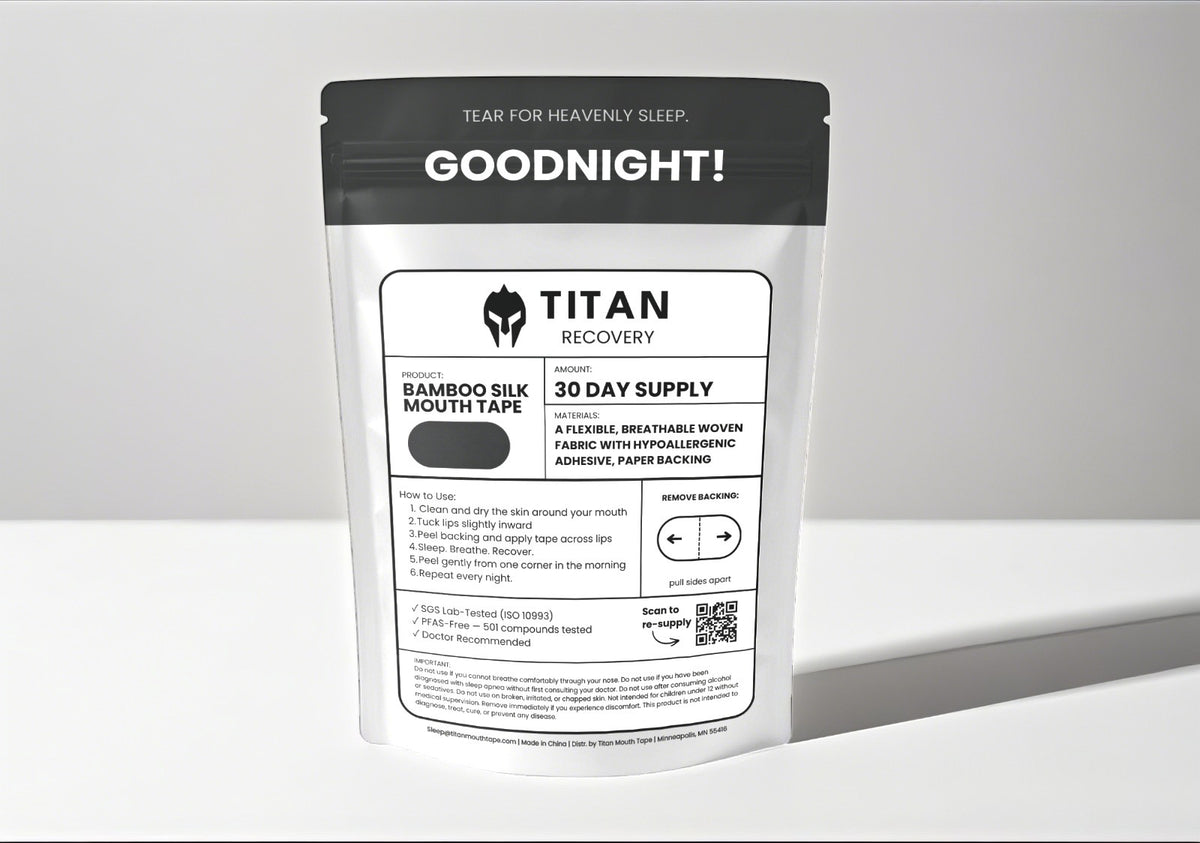
If you're wondering how to sleep better during menopause, mouth tape is one of the more practical tools available because it requires no ongoing effort. You apply Titan Mouth Tape before bed, and it maintains nasal breathing throughout the night — through hot flash episodes, through sleep position changes, through all the hours when you have no conscious control over your breathing pattern.
This matters specifically for menopause because many women breathe through their nose during the day but switch to mouth breathing during sleep, especially as airway muscle tone decreases. You may not even know you're mouth breathing at night until you notice the symptoms: dry mouth every morning, increased snoring (often reported by a partner), waking with a sore or scratchy throat, or feeling unrested despite adequate sleep duration.
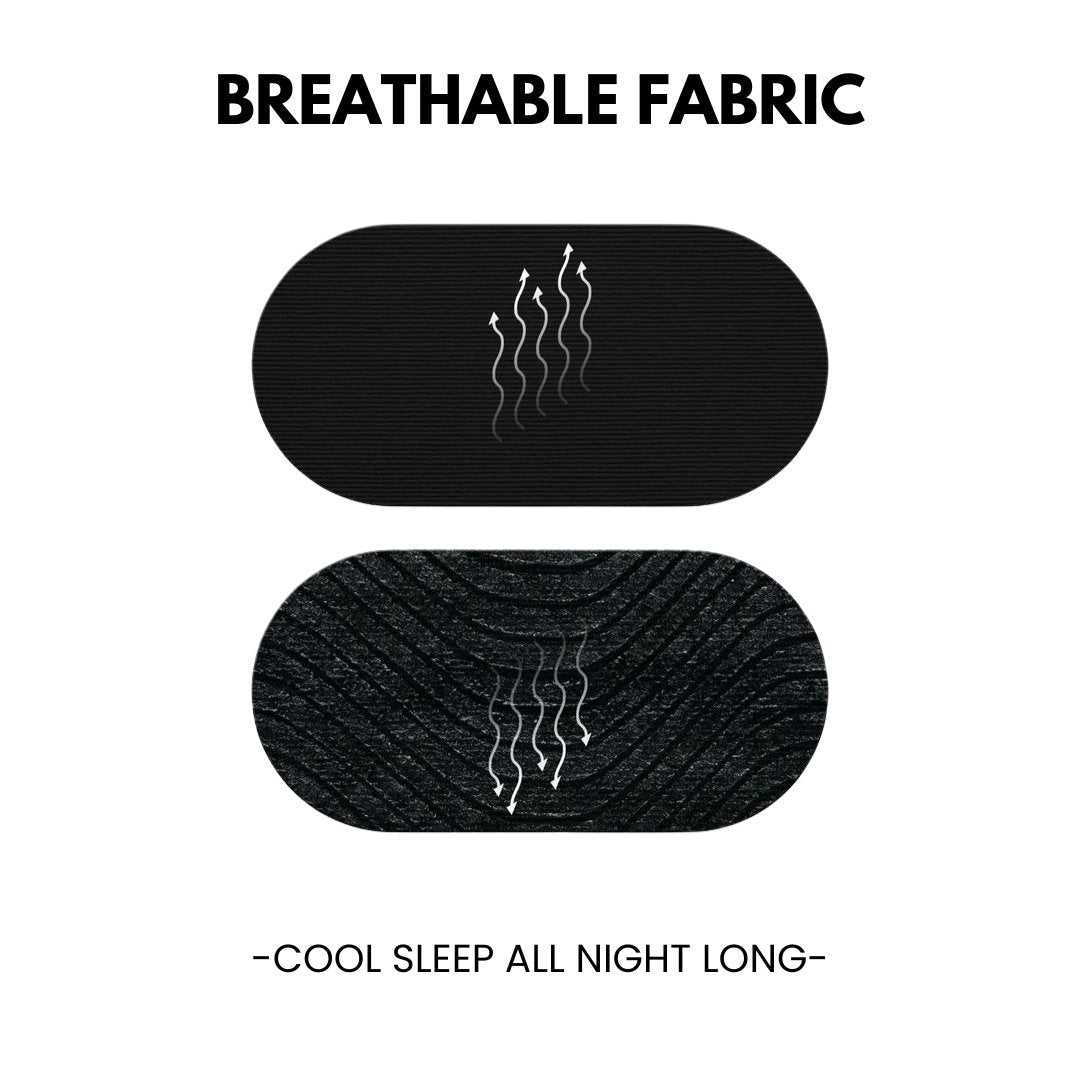
The tape itself is gentle. Products designed for sleep use medical-grade, skin-safe adhesive that holds the lips in a relaxed closed position but releases easily if you open your mouth with intention. You are not sealed shut. If you need to cough, speak, or open your mouth for any reason during the night, you can. This is important to understand, particularly if menopause-related anxiety makes the idea of mouth tape feel claustrophobic at first.
Starting Gradually
Menopause already involves enough physical discomfort and adjustment. Adding something new to your nighttime routine should reduce friction, not increase it. Here's a practical approach.
Try it during the day first. Wear mouth tape for 20-30 minutes while doing something relaxing — reading, stretching, listening to a podcast. This lets you experience the sensation while fully awake and in control. Most women find that the tape is barely noticeable after the first few minutes.
Address nasal congestion before taping. Hormonal fluctuations during menopause can cause nasal mucosal swelling, making nasal breathing feel more restricted than usual. If your nose feels stuffy at bedtime, try a nasal strip to mechanically open the nasal passages. The combination of a nasal strip and mouth tape gives you the clearest possible airway without medication.
Use it consistently. The benefits of nasal breathing during sleep are cumulative. One night may reduce dry mouth and snoring noticeably. A week of consistent use often shows improvements in how rested you feel in the morning. Give it at least two weeks of regular use before evaluating whether it's making a meaningful difference for you.
Keep your doctor in the loop. If you're working with a healthcare provider on menopause symptom management — and you should be, particularly for significant sleep disruption — mention that you're trying mouth tape. It's compatible with HRT, most medications, and other sleep interventions. Your doctor may have additional suggestions that complement nasal breathing.
What Mouth Tape Does Not Do for Menopause
Mouth tape does not replace hormone replacement therapy, cognitive behavioral therapy for insomnia, or any other medical intervention for menopause symptoms. It does not stop hot flashes. It does not correct the hormonal changes that are driving the transition. It does not treat depression or anxiety disorders that may emerge or worsen during menopause.
What it does is address the breathing-related components of menopause sleep disruption — snoring, dry mouth, airway instability, and sympathetic nervous system activation — in a way that's simple, non-pharmaceutical, and compatible with whatever else you and your doctor have decided to try. For many women, the breathing component turns out to be a larger piece of the sleep puzzle than they realized.
The Bigger Picture on Menopause and Sleep
Good sleep during menopause usually requires a multi-layered approach. Temperature management matters — keep the bedroom cool, use breathable bedding, and consider moisture-wicking sleepwear. Consistent sleep and wake times support circadian rhythm stability during a time when the body's internal clock is already being disrupted by hormonal changes. Foundational sleep hygiene — limiting caffeine, reducing screen time before bed, creating a dark and quiet sleep environment — becomes more important, not less, when your body is working against you.
Exercise, particularly moderate aerobic activity, has been shown in multiple studies to improve both hot flash severity and sleep quality in menopausal women. Stress management techniques — meditation, yoga, breathing exercises — support the parasympathetic shift that sleep requires. And for many women, medical interventions including HRT, low-dose antidepressants, or cognitive behavioral therapy for insomnia provide relief that lifestyle changes alone cannot.
Nasal breathing fits into this picture as the nighttime breathing layer. It ensures that during the six to eight hours you spend asleep, your breathing pattern supports rather than undermines every other intervention you're using. It's not the whole answer. But it's a part of the answer that's easy to implement, has no side effects, and works while you sleep.
Frequently Asked Questions
Does menopause cause snoring?
Yes, it can. Declining progesterone levels during menopause reduce upper airway muscle tone, which makes the airway more susceptible to vibration and partial collapse during sleep. Research shows that postmenopausal women have significantly higher rates of snoring and sleep-disordered breathing than premenopausal women. Weight changes during menopause can also contribute. Nasal breathing helps maintain a more stable airway by keeping the tongue positioned against the roof of the mouth.
Is mouth tape safe to use during menopause?
For most women who can breathe comfortably through their nose, mouth tape is safe. It uses gentle adhesive that releases if you open your mouth with effort — you can always override it. If you have significant nasal congestion, a deviated septum, or a diagnosed sleep breathing disorder, consult your healthcare provider before trying mouth tape. Mouth tape is compatible with HRT and most common medications prescribed during menopause.
Can nasal breathing reduce hot flashes?
Nasal breathing does not prevent hot flashes. However, it promotes a calmer autonomic nervous state through parasympathetic activation, which may help the body recover from hot flash episodes more efficiently — returning to baseline heart rate and temperature more quickly. Some women report that the overall calming effect of consistent nasal breathing reduces the subjective severity of nighttime vasomotor symptoms, though this has not been confirmed in controlled studies specific to menopause.
Will mouth tape help if I'm already on HRT?
Mouth tape and HRT address different aspects of menopause sleep disruption. HRT targets the hormonal root cause; mouth tape addresses the mechanical breathing pattern. They are complementary, not redundant. Women on HRT who still experience snoring, dry mouth, or fragmented sleep may find that adding mouth tape improves the remaining symptoms that hormones alone don't fully resolve.
How is menopause insomnia different from regular insomnia?
Menopause insomnia involves the same symptoms — difficulty falling asleep, staying asleep, or waking unrefreshed — but its causes are rooted in hormonal changes specific to the menopausal transition. Hot flashes, night sweats, airway changes from declining progesterone, and hormone-driven mood shifts all contribute. Treatment often requires addressing these underlying hormonal factors in addition to standard sleep hygiene and behavioral approaches. Talk to your doctor if menopause-related sleep disruption persists for more than a few weeks.
The Bottom Line
Menopause changes your body in ways that make sleep harder from multiple directions simultaneously. Hormones affect your airway, your temperature regulation, your mood, and your mucous membranes — and all of those changes converge on sleep. There is no single fix for this, and anyone suggesting otherwise is simplifying a complex biological transition.
But within that complexity, breathing pattern is a variable you can control without medication, without side effects, and without adding another appointment to your calendar. Nasal breathing during sleep reduces snoring, maintains airway stability, preserves oral moisture, and promotes the parasympathetic nervous system state that makes falling and staying asleep possible. Mouth tape keeps nasal breathing consistent all night, including through the sleep position changes and hot flash episodes that would otherwise shift you to mouth breathing.
It's one piece of a larger approach. But for many women dealing with menopause sleep problems, it turns out to be a piece that was missing.
Doctor Recommended: "As a maxillofacial surgeon and dentist, I recommend Titan Mouth Tape. Nasal breathing during sleep is essential for airway health and deep restorative rest. Titan's bamboo silk design is the most comfortable and effective mouth tape I have tested. If you struggle with snoring, dry mouth, or poor sleep quality, this is the simplest change you can make for your health." — Dr. Francois P., MD, DDS — Maxillofacial Surgeon
Lab-Tested Safety: Titan's adhesive is independently tested to ISO 10993 medical device standards. Non-toxic (95% cell viability). Non-allergenic (0% reaction rate). Non-irritating (score 0.0/8.0). PFAS-free — 501 compounds tested, zero detected. See full test results →
Try the complete system tonight. Titan Mouth Tape (bamboo silk, SilkSeal™ adhesive) + TitanAir Nasal Strips. Free shipping. 30-night Better Sleep Guarantee. Shop Titan Mouth Tape → · Shop TitanAir Nasal Strips →