Hypothyroidism and Sleep: Why You're So Tired

Share
Hypothyroidism sleep problems create one of the cruelest combinations in medicine: a condition that makes you profoundly tired while simultaneously preventing you from getting the restorative sleep your body desperately needs. Low thyroid function slows your metabolism, drains your energy, and leaves you feeling exhausted all day — and then, when you finally get to bed, it disrupts the very sleep that should be helping you recover.
If you have hypothyroidism and you're wondering why you're still tired even though you're sleeping eight or nine hours, the answer isn't just your thyroid medication dose. It's that hypothyroidism changes your airway, your breathing pattern, your body temperature regulation, and your sleep architecture in ways that make sleep less effective — even when you get enough of it. Understanding these mechanisms opens up practical strategies beyond adjusting your levothyroxine.
How Hypothyroidism Disrupts Sleep
The thyroid gland produces hormones (T3 and T4) that regulate metabolism in virtually every cell in the body. When thyroid output is low, the downstream effects touch nearly every system, including several that directly affect sleep quality.
Airway narrowing and tongue enlargement. This is one of the most underappreciated effects of hypothyroidism on sleep. Low thyroid function can cause macroglossia — enlargement of the tongue — due to mucopolysaccharide deposits in the tissue. It can also cause swelling of the upper airway soft tissues, including the pharyngeal walls and soft palate. The result is a narrower airway during sleep, which increases resistance to airflow, promotes mouth breathing, and raises the risk of snoring and obstructive sleep apnea. Studies have consistently found that hypothyroid patients have a significantly higher prevalence of sleep apnea than the general population.
Reduced respiratory drive. Thyroid hormones influence the brainstem's respiratory centers. In hypothyroidism, the respiratory drive can be blunted, leading to shallower breathing, reduced ventilatory response to carbon dioxide, and more frequent episodes of upper airway collapse during sleep. This doesn't mean every hypothyroid patient develops sleep apnea, but it means the respiratory system is operating with less margin for error during sleep, when muscle tone is naturally at its lowest.
Temperature dysregulation. Hypothyroidism slows basal metabolic rate, which lowers core body temperature. While a cooler body temperature might seem like it would help sleep (since the body naturally cools during sleep), the issue is more complicated than it sounds. The hypothyroid body's thermoregulatory system is sluggish — it has difficulty making the precise temperature adjustments that normal sleep architecture requires. The transitions between sleep stages involve subtle thermal shifts, and when the thermostat is impaired, those transitions don't happen as cleanly.
Altered sleep architecture. Research on sleep patterns in hypothyroid patients has shown reduced time in slow-wave sleep (deep sleep) — the stage most responsible for physical recovery and immune function. Some studies have also found increased sleep latency (time to fall asleep) and more frequent nighttime awakenings. The net result is sleep that is lighter, more fragmented, and less restorative, even when total sleep time appears adequate.
The Fatigue Paradox: Tired but Can't Sleep Well
This is the core frustration for many people with hypothyroidism. The fatigue is real and profound — it's not laziness or poor motivation, it's a metabolic state in which your cells are literally running at reduced capacity. But the fatigue doesn't translate into good sleep. Instead, many hypothyroid patients experience what researchers call "non-restorative sleep" — they spend enough hours in bed, they may even fall asleep without difficulty, but they wake up feeling unrefreshed because the sleep they got didn't deliver the deep, restorative stages their body needed.
Being tired after a full night of sleep has many possible causes, but for hypothyroid patients, the combination of airway compromise, reduced respiratory drive, and altered sleep architecture creates a specific pattern that medication alone doesn't always fully resolve. Many patients report that even after their thyroid levels are optimized with medication, their sleep quality doesn't fully return to normal — suggesting that the structural and functional changes caused by prolonged hypothyroidism may take additional interventions to address.
Hypothyroidism and Mouth Breathing: A Direct Connection
This is where hypothyroidism and breathing during sleep intersect in a clinically meaningful way. The tongue enlargement and airway soft tissue swelling caused by low thyroid function physically narrow the airway. When the airway is narrower, the path of least resistance for breathing shifts from the nose to the mouth. The jaw relaxes during sleep, the mouth opens, and breathing routes through the oral airway — which is already compromised by the enlarged tongue.
Mouth breathing in this context isn't just a bad habit. It's a physiological consequence of the disease. And it creates a cascade of problems:
Snoring and airway vibration. A narrowed airway with oral breathing produces the turbulent airflow that causes snoring. Snoring disrupts sleep not just for a bed partner but for the snorer — the vibration and partial obstruction cause micro-arousals that fragment sleep architecture.
Dry mouth and its consequences. Mouth breathing during sleep dries out the oral cavity, which is more than a comfort issue. Chronic dry mouth increases the risk of dental decay, gum disease, and throat irritation, and it's a common reason hypothyroid patients wake up during the night or first thing in the morning.
Sympathetic nervous system activation. Mouth breathing is associated with faster, shallower, chest-dominant breathing — a pattern that activates the sympathetic (fight-or-flight) nervous system. For a hypothyroid patient whose sleep architecture is already compromised, adding sympathetic activation on top of it further reduces the body's ability to reach and maintain the deep sleep stages that produce physical recovery.
Reduced nitric oxide delivery. The paranasal sinuses produce nitric oxide, which is delivered to the lungs with each nasal breath. Nitric oxide acts as a bronchodilator and vasodilator, improving airflow and oxygen delivery. When you breathe through your mouth, you bypass the sinuses entirely. For someone with a hypothyroid-narrowed airway, losing this bronchodilatory support makes airflow resistance even worse.
How Nasal Breathing Supports Better Sleep With Hypothyroidism
Nasal breathing doesn't treat hypothyroidism. Nothing about breathing through your nose fixes thyroid hormone levels — that's your endocrinologist's domain. But nasal breathing does address several of the downstream sleep problems that hypothyroidism creates, and it does so through specific, documented mechanisms.
Airway stenting. Nasal breathing creates positive pressure in the upper airway that helps keep the pharyngeal walls from collapsing. This is particularly relevant for hypothyroid patients with swollen airway tissues. The resistance of the nasal passages generates a natural back-pressure that acts as a mild pneumatic splint, similar in principle (though less powerful) to the mechanism used by CPAP machines. Keeping the airway open reduces snoring, reduces apnea events, and allows deeper, more consolidated sleep.
Parasympathetic activation. Nasal breathing activates the parasympathetic nervous system — the branch responsible for rest, recovery, and deep sleep. It does this by slowing the respiratory rate (nasal resistance naturally produces slower breathing), stimulating the vagus nerve, and promoting diaphragmatic rather than chest breathing. For a hypothyroid patient whose sleep quality is already reduced, shifting autonomic tone toward parasympathetic dominance helps the body access whatever deep sleep capacity it has.
Nitric oxide delivery. Restoring nasal breathing restores the nitric oxide that mouth breathing bypasses. The vasodilatory and bronchodilatory effects of nitric oxide improve airflow and oxygen saturation — both of which support better sleep architecture and may partially offset the airway narrowing caused by hypothyroid tissue changes.
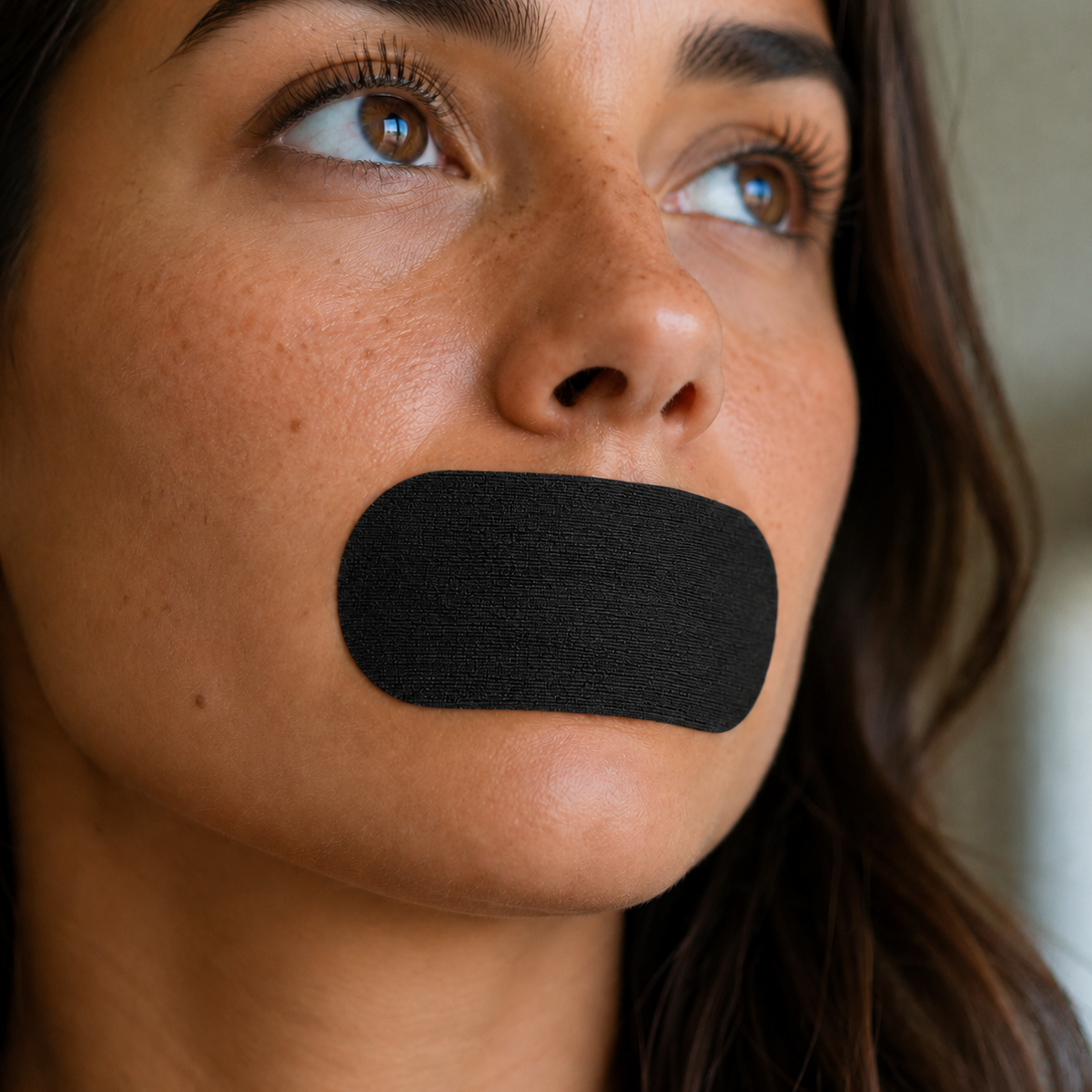
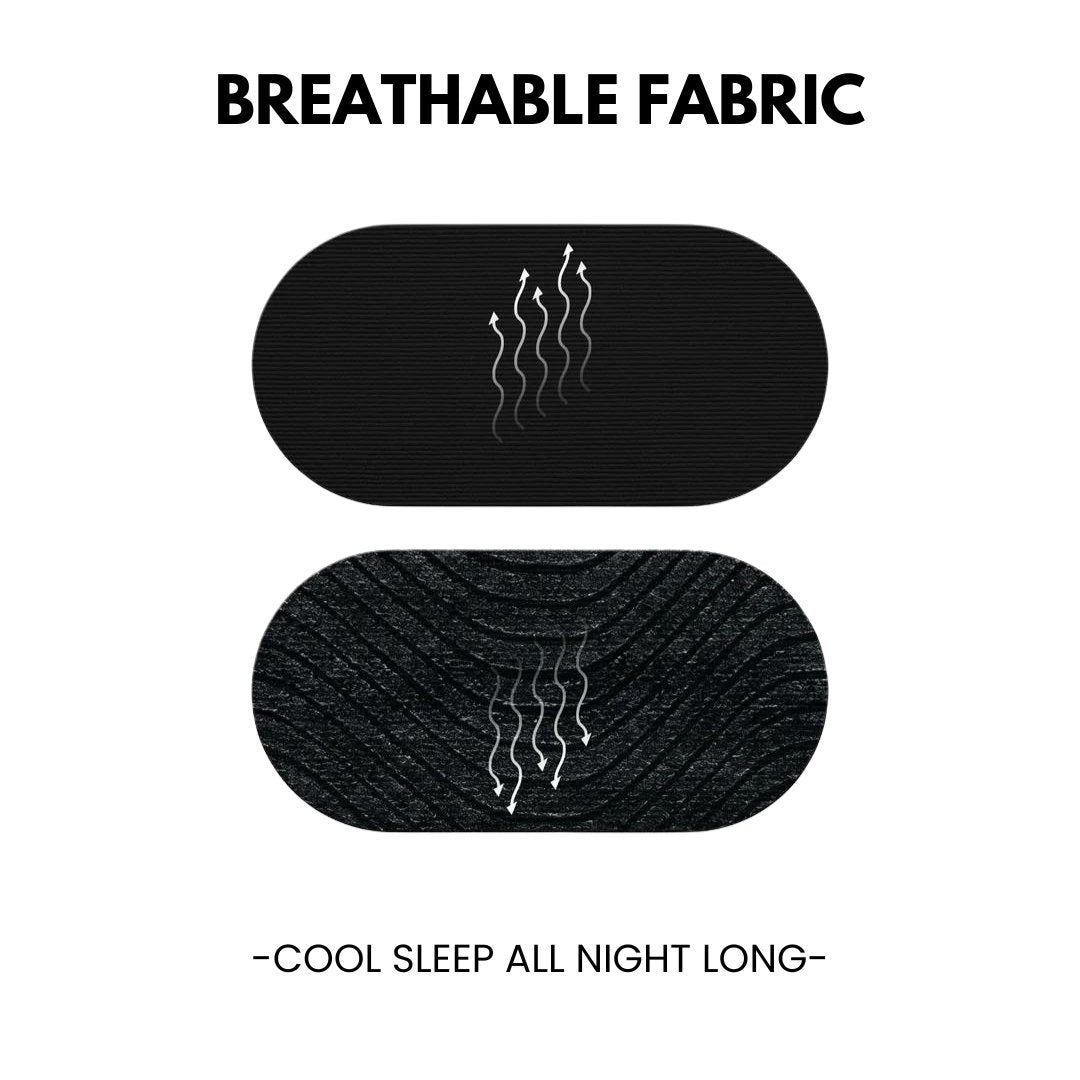
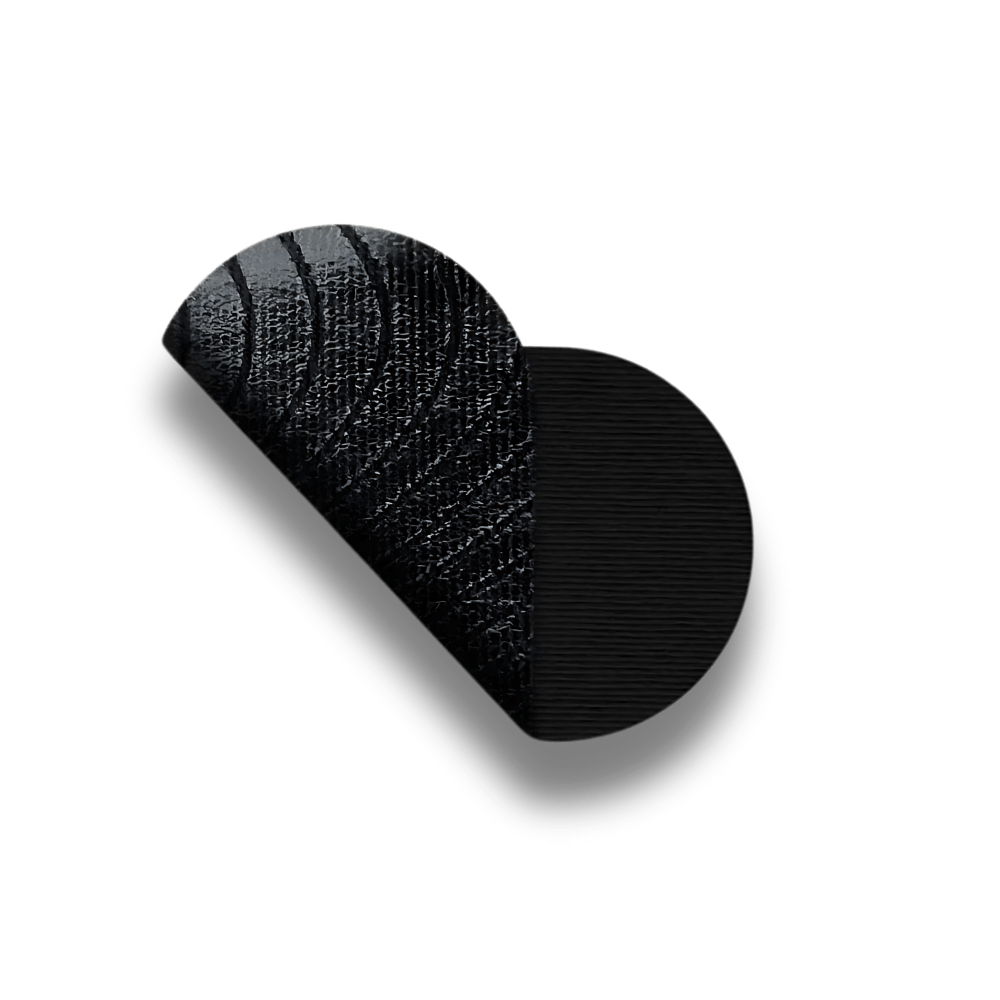
Using mouth tape during sleep ensures that breathing stays nasal throughout the night. For hypothyroid patients, this is particularly relevant because the airway changes caused by the condition actively promote mouth breathing. Without something keeping the mouth closed, the jaw opens, the tongue falls back, and the breathing pattern shifts to oral — undoing whatever nasal breathing you might have started the night with.
What Else Helps: Sleep Strategies for Hypothyroid Patients
Optimize your thyroid medication timing. Some patients find that taking levothyroxine at bedtime rather than in the morning improves their sleep quality — and some research supports this approach for certain patients. Discuss timing with your endocrinologist, as absorption considerations and individual response vary.
Get tested for sleep apnea. Given the significantly elevated risk of obstructive sleep apnea in hypothyroid patients, a sleep study is worth pursuing if you snore, experience daytime sleepiness despite adequate sleep time, or have been told you stop breathing during sleep. Treating sleep apnea — whether with CPAP, oral appliances, or positional therapy — can dramatically improve sleep quality in this population.
Sleep position matters. Side sleeping generally keeps the airway more open than back sleeping, especially for people with enlarged tongues or narrowed airways. If you tend to sleep on your back, a positional aid (even a tennis ball sewn into the back of a sleep shirt) can help train side sleeping. Elevating the head of the bed slightly — 15-30 degrees — also helps reduce airway collapse.
Monitor your iron and B12. Hypothyroidism is associated with impaired absorption of several nutrients, including iron and vitamin B12. Deficiencies in either can independently worsen fatigue and sleep quality. Regular blood work should include these markers, and supplementation should be guided by results rather than guesswork.
Exercise — carefully. Physical activity improves sleep quality in nearly every population studied, including hypothyroid patients. But the fatigue of hypothyroidism makes intense exercise feel impossible, and overexertion can worsen symptoms. Moderate, consistent exercise — walking, swimming, yoga — appears to improve both sleep and energy levels without the crash that high-intensity training can produce in undertreated hypothyroid patients.
Build a consistent sleep routine. The fundamentals of good sleep hygiene matter even more when you have a condition that's already undermining sleep quality. Consistent bed and wake times, a cool dark room, limited screens before bed, and a wind-down routine all help signal to a sluggish system that it's time for the deepest sleep it can manage.
A Note on Thyroid Management
Everything in this article is meant to complement proper thyroid treatment, not replace it. If you have hypothyroidism, your endocrinologist or primary care doctor should be managing your medication, monitoring your TSH, free T3, and free T4 levels, and adjusting your treatment based on lab results and symptoms. Sleep optimization strategies — including nasal breathing, environmental adjustments, and sleep testing — work best when your thyroid levels are at least reasonably well-controlled.
If you suspect you have hypothyroidism but haven't been diagnosed, common symptoms include fatigue, cold intolerance, weight gain, constipation, dry skin, hair thinning, and brain fog. A simple blood test (TSH, with follow-up free T4 if TSH is elevated) is all it takes to screen for the condition. It's one of the most common and most treatable endocrine disorders — but only if you know you have it.
Frequently Asked Questions
Does hypothyroidism cause insomnia?
Hypothyroidism can contribute to sleep difficulties including increased time to fall asleep, frequent nighttime awakenings, and non-restorative sleep. The mechanisms include airway narrowing from tissue swelling, reduced respiratory drive, and altered sleep architecture with less time in deep sleep. Some patients also experience a paradoxical "wired but tired" state, particularly if thyroid medication dosing is not optimized. If you're experiencing hypothyroidism insomnia, discuss both your medication levels and a possible sleep study with your doctor.
Why am I so tired with hypothyroidism even though I sleep a lot?
Hypothyroidism causes fatigue through metabolic slowing at the cellular level — your cells aren't producing energy efficiently regardless of how much you sleep. On top of this, hypothyroidism reduces sleep quality by narrowing the airway, promoting mouth breathing, and decreasing time in deep sleep. So you're tired because of the condition itself AND because the sleep you're getting isn't restorative. Optimizing thyroid medication, testing for sleep apnea, and ensuring nasal breathing during sleep all address different parts of this problem.
Can mouth tape help if I have hypothyroidism?
Mouth tape addresses one specific downstream effect of hypothyroidism: the tendency toward mouth breathing caused by airway narrowing and tongue enlargement. By keeping the mouth closed during sleep, mouth tape maintains nasal breathing, which supports airway patency, parasympathetic activation, and nitric oxide delivery — all factors that improve sleep quality. It does not treat the thyroid condition itself. Always ensure your thyroid is being properly managed by your doctor before adding sleep optimization tools.
Should I get a sleep study if I have hypothyroidism?
If you snore, experience excessive daytime sleepiness despite adequate sleep time, or have been told you stop breathing or gasp during sleep, a sleep study is strongly recommended. Hypothyroid patients have a significantly higher prevalence of obstructive sleep apnea than the general population due to airway tissue changes. Diagnosing and treating sleep apnea can substantially improve sleep quality and daytime energy levels.
Does thyroid medication improve sleep quality?
Properly dosed thyroid medication can improve sleep by normalizing the metabolic and hormonal environment that sleep depends on. However, many patients find that sleep quality doesn't fully normalize even with optimized medication — the structural airway changes and sleep architecture disruptions may require additional interventions. Over-replacement (too much thyroid medication) can actually worsen sleep by causing anxiety, elevated heart rate, and insomnia, so dosing should be carefully managed by your doctor.
The Bottom Line
Hypothyroidism doesn't just make you tired — it specifically undermines the quality of sleep that's supposed to address that tiredness. The airway narrowing, tongue enlargement, reduced respiratory drive, and altered sleep architecture that come with low thyroid function create a sleep environment where mouth breathing thrives and deep sleep suffers. Addressing the thyroid condition with your doctor is the foundation, but it's rarely the entire solution for sleep quality.
Nasal breathing is one of the most direct and practical sleep optimizations for hypothyroid patients because the condition itself pushes you toward mouth breathing. Mouth tape keeps the airway routed through the nose all night — supporting airway patency, parasympathetic tone, and the nitric oxide delivery that mouth breathing bypasses. It's not a thyroid treatment, but it directly counteracts one of the ways hypothyroidism degrades your sleep.
The Titan Deep Sleep Bundle pairs mouth tape with nasal strips for maximum airflow — particularly valuable when airway narrowing is already working against you. Gentle adhesive, all-night hold, and a Better Sleep Guarantee. When your thyroid is making sleep harder, give your breathing every advantage it can get.
Doctor Recommended: "As a maxillofacial surgeon and dentist, I recommend Titan Mouth Tape. Nasal breathing during sleep is essential for airway health and deep restorative rest. Titan's bamboo silk design is the most comfortable and effective mouth tape I have tested. If you struggle with snoring, dry mouth, or poor sleep quality, this is the simplest change you can make for your health." — Dr. Francois Proux, MD, DDS — Maxillofacial Surgeon
Lab-Tested Safety: Titan's adhesive is independently tested to ISO 10993 medical device standards. Non-toxic (95% cell viability). Non-allergenic (0% reaction rate). Non-irritating (score 0.0/8.0). PFAS-free — 501 compounds tested, zero detected. See full test results →
Try the complete system tonight. Titan Mouth Tape (bamboo silk, SilkSeal™ adhesive) + TitanAir Nasal Strips. Free shipping. 30-night Better Sleep Guarantee. Shop Titan Mouth Tape → · Shop TitanAir Nasal Strips →
This article is for informational purposes only and does not constitute medical advice. If you have or suspect a sleep disorder or other medical condition, consult a qualified healthcare provider before making changes to your routine.