Fibromyalgia and Sleep: Why Quality Matters More

Share
Fibromyalgia and sleep have one of the cruelest relationships in medicine. Fibromyalgia sleep problems are not just a side effect of the condition — they are part of the condition itself. Poor sleep amplifies pain sensitivity, increases fatigue, and worsens cognitive symptoms. Pain and fatigue make sleep harder. The cycle is relentless, and for the millions of people living with fibromyalgia, every controllable sleep variable matters more than it does for the average person, because the margin between a manageable day and a terrible one is that thin.
This is not another article telling you that sleep is important. You already know that. What you may not know is why fibromyalgia specifically targets the architecture of sleep — disrupting the very stages that repair tissue, regulate pain processing, and restore energy — and what you can do about the factors that are actually within your control.
What Fibromyalgia Does to Sleep Architecture
Sleep is not a uniform state. It cycles through distinct stages — light sleep, deep sleep (slow-wave sleep), and REM sleep — each serving different physiological functions. Deep sleep is the stage that matters most for physical restoration. It's when growth hormone is released, tissue repair occurs, the immune system recalibrates, and — critically for fibromyalgia — the central nervous system processes and modulates pain signals.
Research using polysomnography (overnight sleep studies) has revealed a specific pattern in fibromyalgia patients that helps explain the severity of their symptoms. During deep sleep, the brain should produce slow, high-amplitude delta waves — the electrical signature of genuinely restorative rest. In many fibromyalgia patients, these delta waves are interrupted by bursts of alpha-wave activity, a pattern called alpha-wave intrusion or alpha-delta sleep. Alpha waves are the brain's "awake but relaxed" frequency. They belong in the transition to sleep, not in the middle of deep sleep.
The result is that the brain enters deep sleep but never fully commits to it. The body goes through the motions of a sleep cycle, but the restorative work that should happen during slow-wave sleep is compromised or incomplete. You can sleep for eight hours and wake up feeling like you slept for three — because in terms of restorative value, you effectively did. This is not insomnia in the traditional sense. Many fibromyalgia patients fall asleep without major difficulty. The problem is what happens after.
The Pain-Sleep Feedback Loop
The relationship between fibromyalgia pain and sleep quality runs in both directions, and understanding this is essential to breaking the cycle.
Poor sleep increases pain sensitivity. Research in pain neuroscience has demonstrated that sleep deprivation — and especially deprivation of deep sleep — lowers the pain threshold in healthy individuals. In people whose pain processing is already altered by fibromyalgia, the effect is amplified. The central nervous system becomes more reactive to stimuli that wouldn't normally register as painful. This phenomenon, called central sensitization, is already a hallmark of fibromyalgia. Poor sleep makes it worse.
Pain disrupts sleep. Widespread muscle pain, tender points, and the general discomfort of fibromyalgia make it harder to find a comfortable sleeping position, harder to stay asleep through the night, and harder to fall back asleep after waking. Micro-arousals — brief moments of near-waking that you may not remember — fragment sleep further and reduce the time spent in deep and REM stages.
Fatigue from poor sleep increases stress hormones. Cortisol dysregulation is common in fibromyalgia, and sleep disruption contributes to it. Elevated nighttime cortisol promotes a state of physiological hyperarousal — the nervous system stays in a low-grade fight-or-flight mode even during rest. This hyperarousal is one of the reasons fibromyalgia patients often describe feeling "wired but tired" — exhausted yet unable to achieve the deep relaxation that sleep requires.
This feedback loop means that anything interfering with sleep quality isn't just causing tiredness. It is directly contributing to pain, fatigue, cognitive fog, and the overall severity of fibromyalgia symptoms.
Hyperarousal and the Fibromyalgia Nervous System
One of the emerging areas of fibromyalgia research focuses on autonomic nervous system dysfunction. Many fibromyalgia patients show reduced heart rate variability, elevated resting heart rate, and other markers of sympathetic dominance — meaning the branch of the nervous system responsible for stress and alertness is overactive relative to the parasympathetic branch that governs rest and recovery.
This matters for sleep because the transition from wakefulness to sleep requires a shift from sympathetic to parasympathetic dominance. If your nervous system is stuck in a low-grade alarm state, that transition is harder. You may lie in bed exhausted but unable to fall asleep, or fall asleep but cycle through shallow, fragmented stages without reaching the deep sleep your body desperately needs.
Nasal breathing is one of the most direct ways to support parasympathetic activation. The nasal airway creates resistance that naturally slows the respiratory rate. Slower breathing — particularly with an extended exhale — stimulates the vagus nerve, the primary conduit for parasympathetic signaling. The vagus nerve tells the heart to slow down, tells the digestive system to activate, and tells the muscles to relax. For people whose nervous systems are chronically tilted toward sympathetic overdrive, nasal breathing is a mechanical input that pushes back toward balance.
Mouth breathing, by contrast, tends to be faster, shallower, and chest-dominant. It bypasses the nasal airway resistance that supports slower breathing and vagal activation. For fibromyalgia patients who already struggle with hyperarousal, spending six to eight hours mouth breathing during sleep means spending those hours in a breathing pattern that reinforces the very nervous system state that is making their sleep worse.
What You Can Actually Control
Fibromyalgia is a condition with limited treatment options and no cure. That reality can make sleep optimization feel futile — if the underlying condition is disrupting sleep at a neurological level, what difference does a pillow or a breathing technique make? The answer is that you cannot control the alpha-wave intrusion pattern directly, but you can control the factors that determine whether the sleep you do get is as restorative as possible. For fibromyalgia patients, the margin is so thin that these factors matter more, not less.
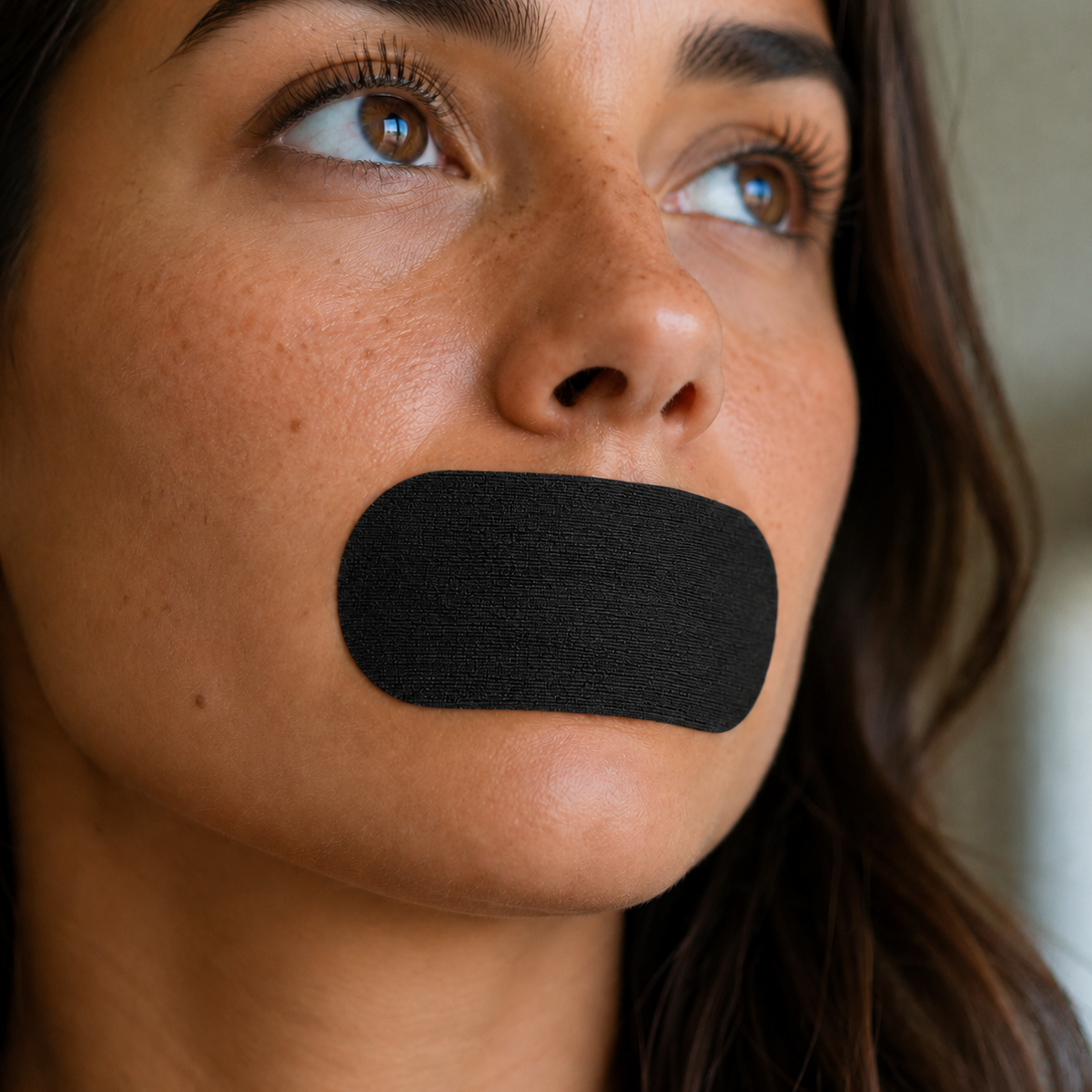
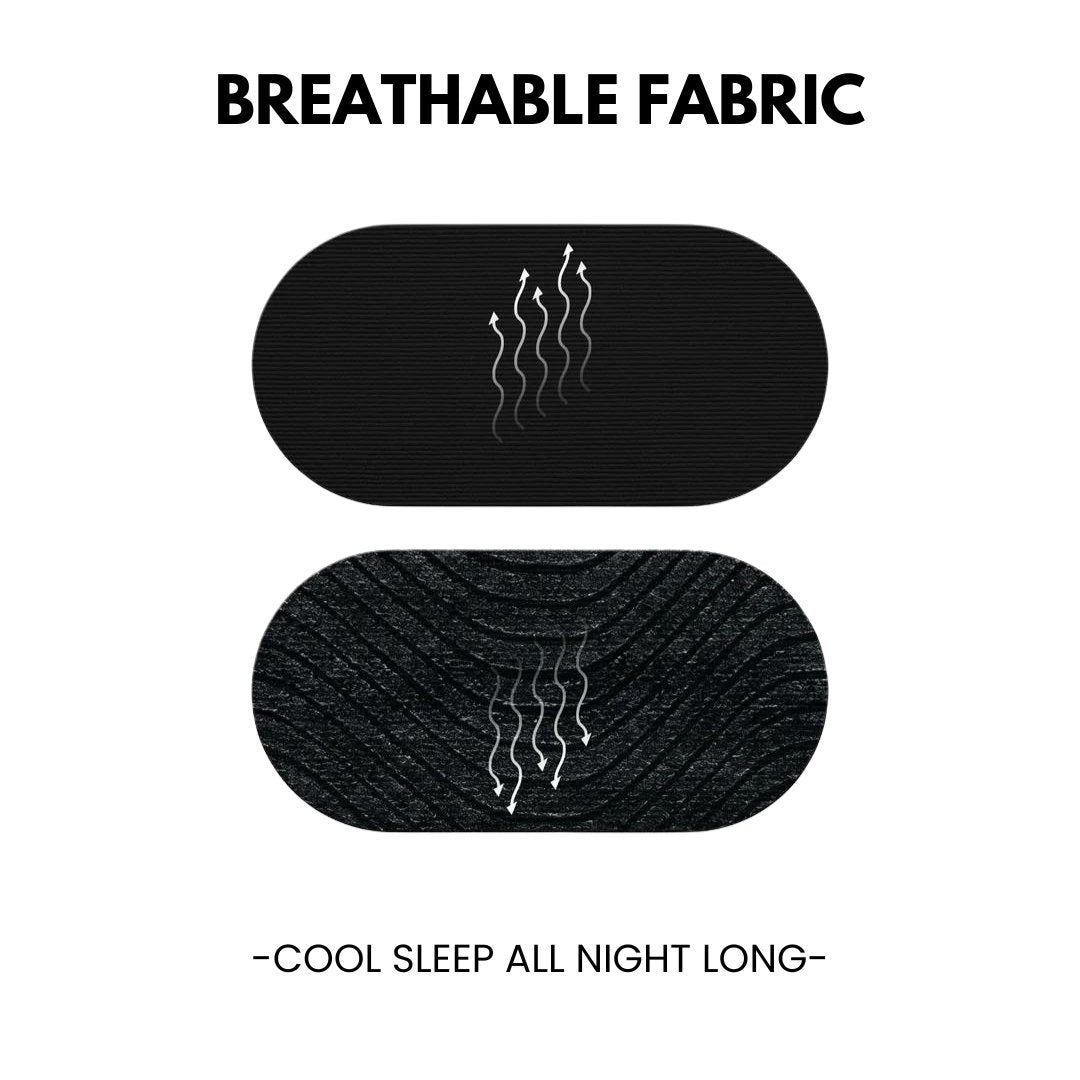
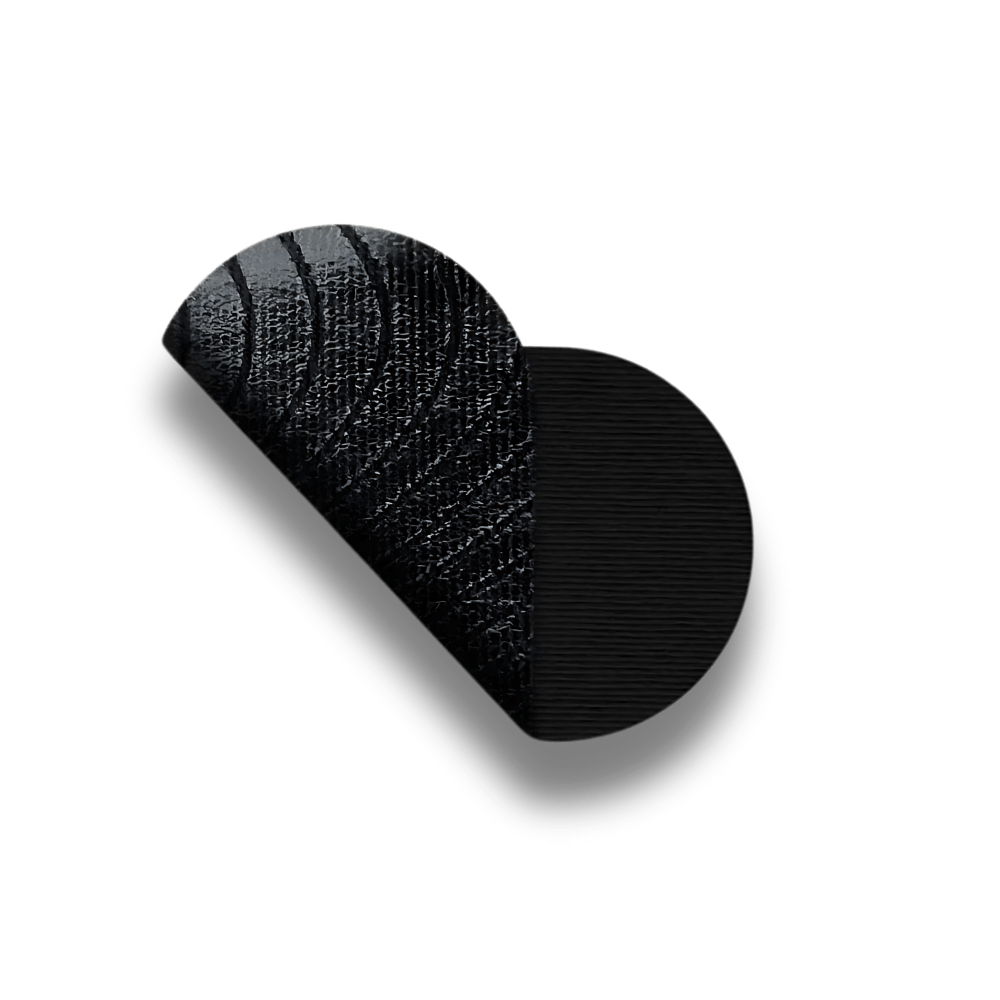
Breathing pathway. Whether you breathe through your nose or your mouth during sleep affects nervous system tone, airway humidity, snoring, and the likelihood of micro-arousals. Mouth tape ensures nasal breathing throughout the night — promoting the slower, deeper breathing pattern that supports parasympathetic activation and may help reduce the hyperarousal state that interferes with deep sleep. Pairing mouth tape with Titan Air Nasal Strips keeps the nasal airway wide open for those with any degree of nasal resistance.
Sleep consistency. Irregular sleep schedules disrupt circadian rhythm, which affects the timing and duration of deep sleep stages. Going to bed and waking up at the same time every day — even on weekends — is one of the most impactful changes for anyone, but it carries extra weight for fibromyalgia patients whose deep sleep is already compromised.
Temperature. Fibromyalgia patients are often temperature-sensitive. A cool sleeping environment (around 65-68 degrees Fahrenheit) supports the natural drop in core body temperature that signals deep sleep onset. Overheating is a common cause of fragmented sleep and can worsen fibromyalgia-related night sweats.
Sleep position. Many fibromyalgia patients find side sleeping most comfortable because it reduces pressure on tender points. A supportive pillow that maintains spinal alignment can reduce the discomfort that causes micro-arousals. If shoulder pain is an issue, switching sides or using a body pillow for support can help.
Evening wind-down. The hyperarousal common in fibromyalgia means the body needs more transition time between wakefulness and sleep. A consistent 30-60 minute wind-down routine — dim lighting, no screens, gentle stretching, calming activities — gives the nervous system time to shift toward parasympathetic dominance. This is not optional wellness advice for fibromyalgia patients. It's a necessary accommodation for a nervous system that doesn't downshift easily.
Why Mouth Breathing Makes Everything Worse
Mouth breathing during sleep is a problem for anyone, but its effects land harder on people with fibromyalgia for specific reasons.
It fragments sleep. Mouth breathing contributes to snoring, dry mouth, and airway instability — all of which cause micro-arousals that fragment sleep architecture. For someone whose deep sleep is already disrupted by alpha-wave intrusion, additional fragmentation from mouth breathing compounds the damage.
It dries out the airway. Mouth breathing bypasses the nasal mucosa, which humidifies and filters incoming air. Dry air reaching the throat and lungs can trigger coughing, throat irritation, and dry mouth that wakes you up. Chronic dry mouth from nighttime mouth breathing also increases the risk of dental problems and throat infections — the last thing someone managing a chronic condition needs.
It bypasses nitric oxide. The paranasal sinuses produce nitric oxide, which is carried into the lungs during nasal breathing. Nitric oxide is a vasodilator and bronchodilator that supports oxygen exchange and blood flow. Mouth breathing skips this entirely. For fibromyalgia patients, whose circulation and oxygen utilization are sometimes impaired, losing the nitric oxide benefit of nasal breathing may be more consequential than it is for healthy sleepers.
It promotes sympathetic tone. Shallow, rapid mouth breathing is associated with sympathetic nervous system activation. For a nervous system already biased toward hyperarousal, mouth breathing during sleep reinforces the problem rather than allowing the recovery that sleep is supposed to provide.
A Note About What This Is and Isn't
Fibromyalgia patients are often dismissed, gaslit, or told their symptoms are "all in their head." If you have fibromyalgia, you have probably encountered more than your share of dubious advice, miracle supplements, and people implying that you just need to try harder. That is not what this is.
Mouth tape is not a fibromyalgia treatment. It will not cure or reverse the condition. What it does is ensure that one specific variable — your breathing pathway during sleep — is optimized for the type of rest your body needs most. In a condition where the margin between a functional day and a debilitating one can hinge on the quality of a single night's sleep, controlling the variables you can control is not wishful thinking. It is practical management.
If you have not discussed your sleep problems with your doctor, that should be the first step. Sleep disorders like obstructive sleep apnea can coexist with fibromyalgia and require their own treatment. A sleep study may be warranted if you haven't had one. Mouth tape is a complement to medical care, not a substitute for it.
Frequently Asked Questions
Why do fibromyalgia patients sleep so poorly even when they get enough hours?
Fibromyalgia disrupts sleep architecture — specifically, it causes alpha-wave intrusion during deep sleep stages, meaning the brain enters restorative sleep but doesn't fully commit to it. The result is that you can log eight hours of sleep and wake up feeling unrestored because the quality of that sleep was compromised at the neurological level. Total hours in bed are a poor measure of actual recovery for fibromyalgia patients.
Is mouth tape safe for someone with fibromyalgia?
Yes. Fibromyalgia does not affect the airway or the ability to breathe nasally. Mouth tape is safe for most adults who can breathe comfortably through their nose. If you have a concurrent condition that affects nasal breathing — severe allergies, a deviated septum, or obstructive sleep apnea — discuss those with your doctor before starting. The tape itself is gentle and can be removed at any time simply by opening your mouth.
Can nasal breathing reduce fibromyalgia pain?
Nasal breathing supports parasympathetic nervous system activation, which may help reduce the hyperarousal state associated with heightened pain sensitivity in fibromyalgia. Better sleep quality through nasal breathing can also interrupt the pain-sleep feedback loop — less fragmented sleep means lower pain sensitivity the following day. It is not a pain treatment on its own, but it contributes to the conditions under which pain management is more effective.
Should I use mouth tape with nasal strips if I have fibromyalgia?
If you experience any nasal congestion — even mild — pairing mouth tape with nasal strips is a good approach. The strips mechanically open the nasal passages, reducing resistance and making nasal breathing more comfortable. The Titan Deep Sleep Bundle includes both for maximum airflow and comfort.
What else should I do about fibromyalgia sleep problems?
Talk to your doctor about a sleep study if you haven't had one — sleep apnea and other diagnosable sleep disorders can coexist with fibromyalgia. Beyond that, prioritize sleep consistency, keep your bedroom cool, establish a 30-60 minute wind-down routine, and address any pain management strategies with your healthcare team. A structured sleep checklist can help you address each variable systematically.
The Bottom Line
Fibromyalgia steals sleep quality at a level most people never have to think about. Alpha-wave intrusion, hyperarousal, pain-sleep feedback loops — these are not problems you can solve with willpower or a better mattress. But they are problems where every controllable variable matters, because the difference between adequate restorative sleep and inadequate restorative sleep has outsized consequences for pain, energy, and cognitive function the following day.
Breathing pathway is one of those variables. Mouth breathing during sleep promotes the shallow, sympathetic-dominant breathing pattern that works against the parasympathetic recovery fibromyalgia patients need most. Nasal breathing supports vagal activation, slower respiratory rates, and the physiological conditions associated with deeper, more restorative sleep. Mouth tape keeps you on the nasal pathway all night without requiring conscious effort.
The Titan Deep Sleep Bundle pairs mouth tape with a nasal strip for maximum airflow — designed to be comfortable enough to wear every night, gentle enough for sensitive skin, and effective enough to make a difference where the margin is thinnest. Start there, give it a week, and pay attention to how you feel when you wake up.
Doctor Recommended: "As a maxillofacial surgeon and dentist, I recommend Titan Mouth Tape. Nasal breathing during sleep is essential for airway health and deep restorative rest. Titan's bamboo silk design is the most comfortable and effective mouth tape I have tested. If you struggle with snoring, dry mouth, or poor sleep quality, this is the simplest change you can make for your health." — Dr. Francois Proux, MD, DDS — Maxillofacial Surgeon
Lab-Tested Safety: Titan's adhesive is independently tested to ISO 10993 medical device standards. Non-toxic (95% cell viability). Non-allergenic (0% reaction rate). Non-irritating (score 0.0/8.0). PFAS-free — 501 compounds tested, zero detected. See full test results →
Try the complete system tonight. Titan Mouth Tape (bamboo silk, SilkSeal™ adhesive) + TitanAir Nasal Strips. Free shipping. 30-night Better Sleep Guarantee. Shop Titan Mouth Tape → · Shop TitanAir Nasal Strips →
This article is for informational purposes only and does not constitute medical advice. If you have or suspect a sleep disorder or other medical condition, consult a qualified healthcare provider before making changes to your routine.