Depression and Sleep: Breaking the Cycle

Share
Depression and sleep have a relationship that most people underestimate. It's not just that depression makes it hard to sleep, or that poor sleep makes you feel down. The two conditions are mechanistically intertwined at the neurological, hormonal, and autonomic level, and each one actively worsens the other. Breaking the cycle at any point helps, and sleep quality turns out to be one of the most actionable intervention points available.
One factor that rarely enters the conversation is how you breathe while you sleep. Mouth breathing during sleep fragments rest, reduces oxygen efficiency, and keeps the nervous system in a state of low-grade arousal. Nasal breathing does the opposite. It promotes deeper sleep, parasympathetic activation, and the kind of uninterrupted rest that gives the brain its best chance at overnight recovery. This is not a treatment for depression. But for people working through depression with professional support, optimizing sleep quality through better breathing is a concrete, evidence-informed step.
If you are in crisis or having thoughts of self-harm, please contact the 988 Suicide and Crisis Lifeline by calling or texting 988, or reach out to the Crisis Text Line by texting HOME to 741741. These services are free, confidential, and available 24/7.
The Bidirectional Relationship
For decades, insomnia was treated as a symptom of depression: you're depressed, so you can't sleep. That model has been substantially revised. Longitudinal research has demonstrated that the relationship runs both directions. People with chronic insomnia are significantly more likely to develop major depressive disorder, even after controlling for other risk factors. The sleep problems often precede the depressive episode by months or years. In people who have recovered from depression, persistent sleep disturbance is one of the strongest predictors of relapse.
This changes how we think about intervention. If poor sleep is not just a downstream effect but an upstream contributor, then improving sleep quality is not merely treating a symptom. It is addressing one of the mechanisms that sustains the condition.
What Poor Sleep Does to the Depressed Brain
Sleep is not passive downtime. It is an active neurobiological process, and several of its functions are directly relevant to mood regulation.
Emotional processing happens during REM sleep. The brain processes emotional memories during REM, integrating them and reducing their charge. Brain imaging research shows that healthy REM sleep reduces amygdala reactivity to negative stimuli the following day. When REM is disrupted, emotional memories remain "hot," and the person is more reactive to stress.
Deep sleep clears metabolic waste. During slow-wave sleep, the brain's glymphatic system removes metabolic byproducts that accumulate during waking hours. Disrupted deep sleep impairs this clearance, and emerging research links the resulting buildup to neuroinflammation implicated in depression.
Sleep regulates cortisol and neurotransmitters. Healthy sleep produces a predictable cortisol pattern: low at night, peaking in the morning. Depression flattens this curve. Poor sleep disrupts it further, reinforcing fatigue, irritability, and emotional reactivity. Meanwhile, serotonin, dopamine, and norepinephrine, the targets of most antidepressant medications, are synthesized and regulated in part during sleep. Chronic sleep deprivation alters their availability in ways that parallel the neurochemical profile of depression.
How Mouth Breathing Undermines Sleep Quality
Breathing pattern is one of the most significant mechanical factors in sleep quality. Mouth breathing dries the throat, causing irritation and arousals. The jaw drops back, narrowing the airway and increasing the likelihood of snoring. The breathing pattern tends to be shallower and more rapid, maintaining sympathetic activation rather than the parasympathetic shift deep sleep requires.
The result is fragmented sleep architecture. You move through cycles without sustaining the deep stages long enough for emotional processing, metabolic clearance, or cortisol regulation. You sleep long enough but still feel exhausted, which is extremely common in depression and reinforces the cycle: the person feels sleep doesn't help, hopelessness increases, the depression worsens, and sleep degrades further. Recognizing that quality, not quantity, is the issue can be the beginning of breaking that cycle.
Nasal Breathing and the Parasympathetic Shift
Depression frequently involves a state of physiological hyperarousal. This seems counterintuitive given the low energy and fatigue, but the underlying autonomic profile often shows elevated sympathetic tone: higher resting heart rate, lower heart rate variability, elevated cortisol. The body is in a low-grade stress state even while the person feels depleted. This is one reason depression insomnia is so stubborn. The body is tired but physiologically activated, the feeling of being "tired but wired."
Nasal breathing promotes parasympathetic activation through several documented mechanisms. The nasal airway's resistance naturally slows breathing, stimulating the vagus nerve. Slower breathing extends the exhale, which is the respiratory pattern most strongly associated with parasympathetic engagement. For someone with depression-related hyperarousal, this provides a sustained calming input throughout the night, for every breath, without requiring conscious effort.
Dry Mouth, Medication Side Effects, and the Sleep Disruption Loop
Many antidepressant medications, including SSRIs, SNRIs, and tricyclic antidepressants, list dry mouth as a common side effect. Antihistamines and benzodiazepines, sometimes prescribed alongside antidepressants, also reduce salivary flow. If someone taking these medications also breathes through their mouth during sleep, the dryness compounds. Severe dry mouth causes throat pain, cracked lips, difficulty swallowing, and frequent waking to drink water.
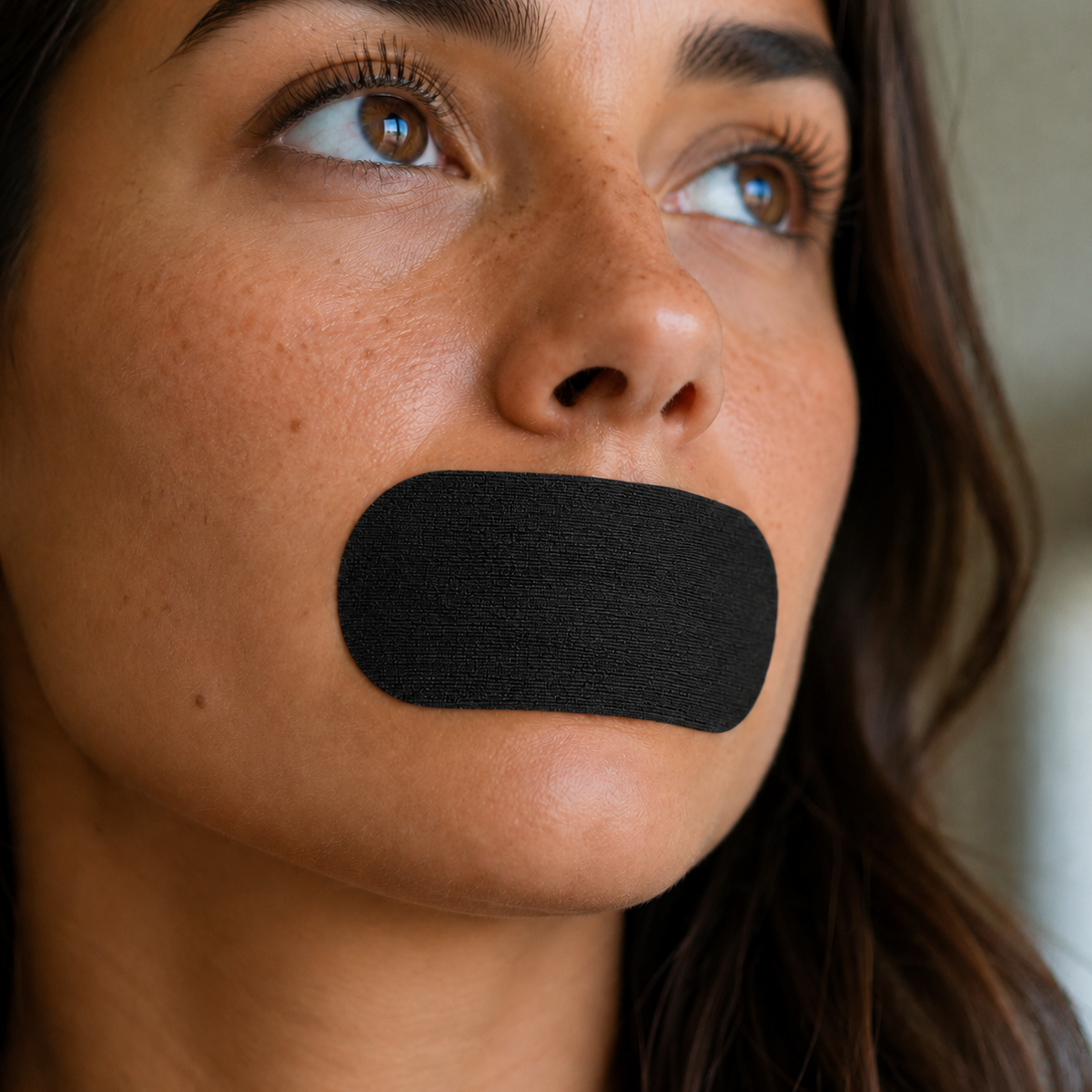
Waking up with dry mouth every morning is not a minor inconvenience when you're managing depression. Every disruption to sleep makes the next day harder. Every hard day makes the depression worse. Mouth tape addresses the mechanical cause of nighttime dry mouth by keeping the lips together so that breathing routes through the nose. Nasal breathing humidifies incoming air through the nasal passages, and keeping the mouth closed preserves oral moisture. It's a simple fix for a problem that has real consequences.
What This Is and What It Is Not
Mouth tape is not a treatment for depression. It is not a replacement for therapy, medication, or professional mental health care. Depression is a serious medical condition with effective, evidence-based treatments: cognitive behavioral therapy (particularly CBT-I for insomnia), antidepressant medications, exercise, social connection, and structured routines. These should be the foundation.
What mouth tape does is address one mechanical factor that affects sleep quality. If you're doing the work of therapy, taking your medication, maintaining your routines, and your sleep is still being undermined by mouth breathing every night, fixing the breathing gives everything else a better chance to work.
How to Approach Better Sleep Breathing with Depression
If depression makes basic self-care feel overwhelming, here's the case for this one: it requires almost no effort. You apply a small piece of tape before bed. No habit to maintain during the night, no technique to practice, no willpower required.
Start small. Try wearing mouth tape during a calm daytime activity for ten to fifteen minutes. Most people find the sensation unremarkable after a few minutes.
Pair it with existing sleep hygiene. If you're already working on a wind-down routine, adding mouth tape is one step. If you aren't, a structured sleep improvement checklist can help.
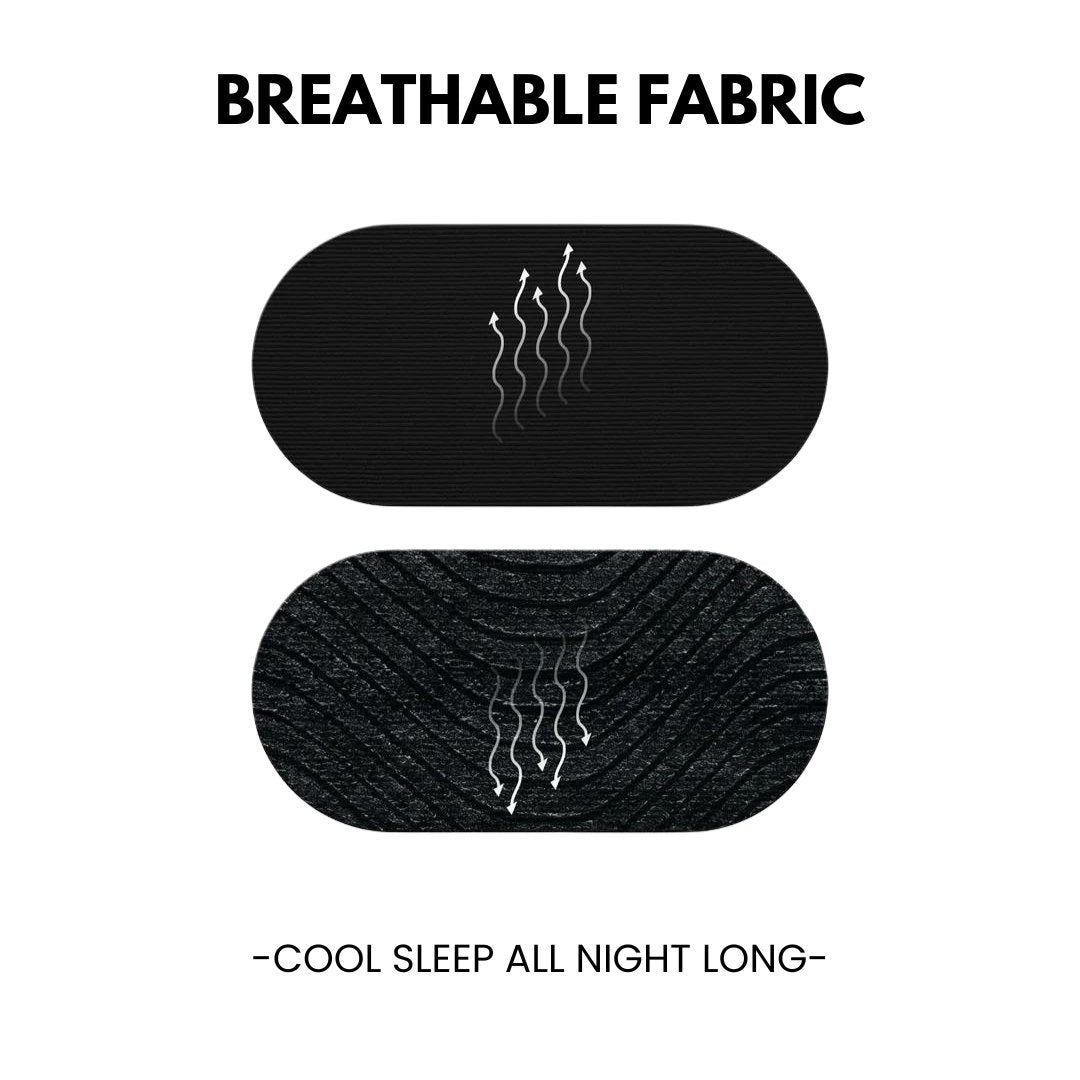
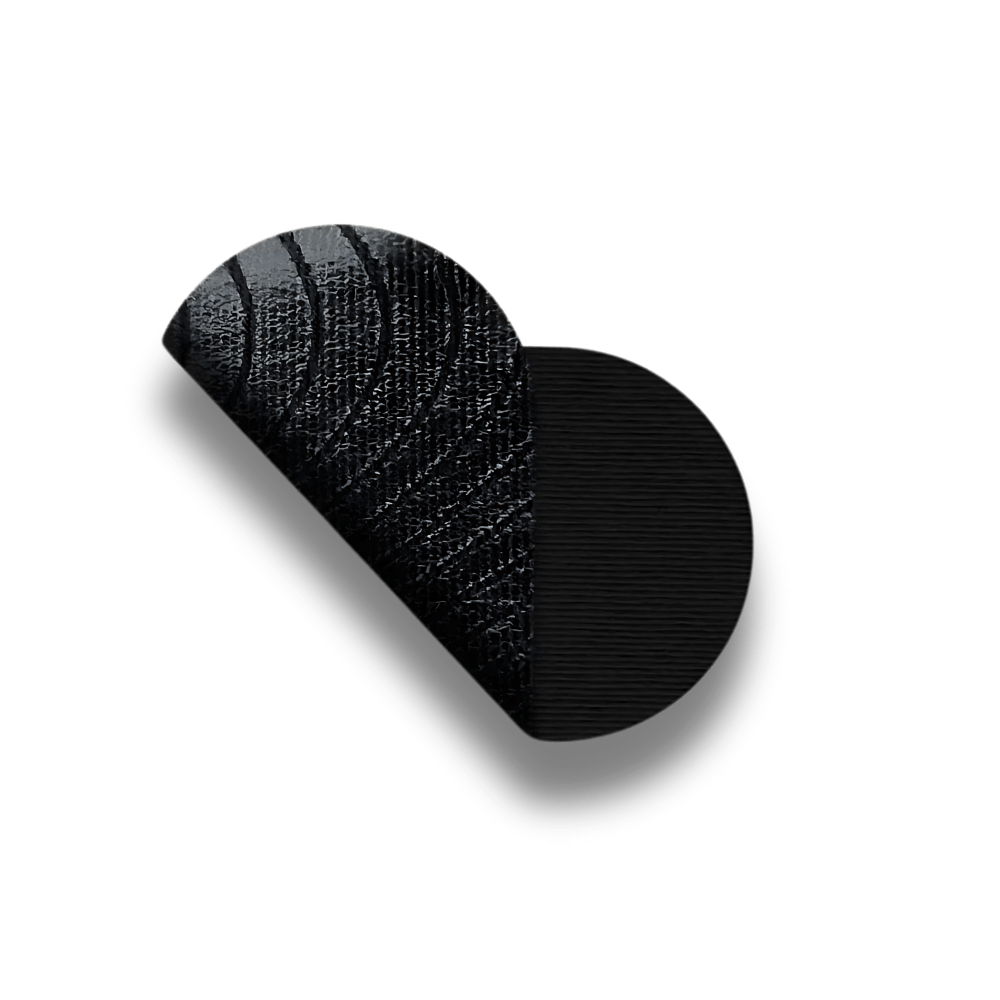
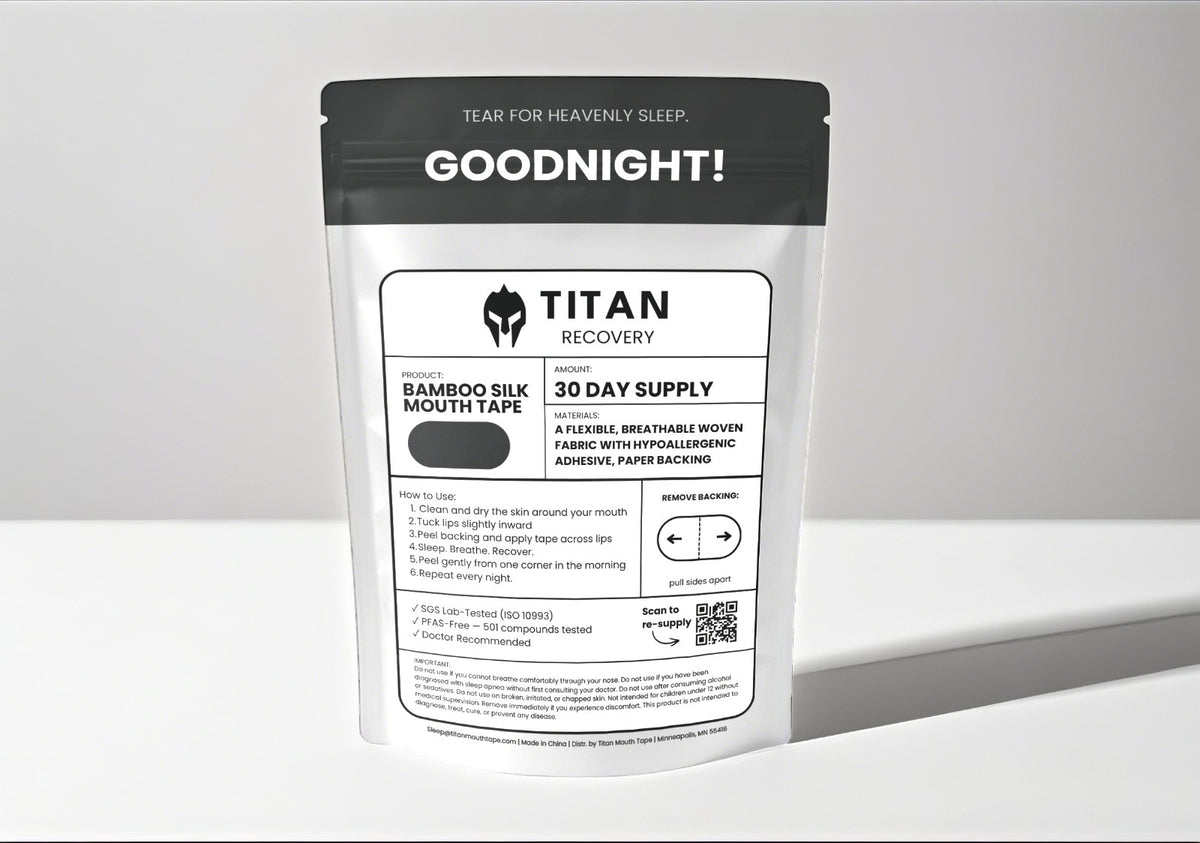
Use a product designed for sleep. Titan Mouth Tape uses gentle adhesive that holds a relaxed closed-mouth position without creating a sealed barrier. You can open your mouth if you need to. For people who experience nighttime anxiety, knowing the tape releases easily is important.
Consider adding nasal strips. If congestion makes nose breathing effortful, a nasal strip opens the passages and makes the transition more comfortable.
Tell your therapist or prescriber. If you're working with a mental health professional, mention that you're improving your sleep breathing. CBT-I therapists will find it relevant. Better sleep data gives your care team more to work with.
Frequently Asked Questions
Can better sleep actually help with depression?
Yes. Clinical trials of CBT-I have shown that treating sleep problems in people with depression improves both sleep and depressive symptoms. Sleep quality influences mood regulation, cortisol patterns, and neurotransmitter function. Better sleep doesn't cure depression, but it removes a barrier that makes recovery harder.
Is it safe to use mouth tape while taking antidepressants?
Mouth tape has no interaction with medications. Since many antidepressants cause dry mouth, mouth tape can actually help by preventing the additional drying that mouth breathing causes. Discuss any concerns with your prescribing physician.
What if my depression makes it hard to try new things?
That's a real barrier that deserves acknowledgment. Depression reduces motivation and often comes with a sense that nothing will help. If trying mouth tape tonight feels like too much, that's fine. It will still be there when you're ready. The fact that it requires no ongoing effort, you just apply it and go to sleep, makes it one of the lowest-effort interventions available.
Does mouth breathing cause depression?
No. Depression is a complex condition involving genetic, psychological, social, and neurobiological factors. What mouth breathing does is contribute to poor sleep quality, and poor sleep is an established risk factor that can worsen depressive symptoms. Addressing mouth breathing removes one contributor to poor sleep, not the root causes of depression.
Should I see a doctor about my sleep problems?
Yes. Sleep disorders like insomnia and sleep apnea have their own evidence-based treatments, and addressing them can meaningfully improve depression outcomes. A sleep study may be warranted, especially if you snore or your partner has noticed you stop breathing during sleep.
The Bottom Line
Depression and poor sleep form a cycle that is easier to describe than to break. But the research is clear that sleep quality is not just a casualty of depression; it's a lever. Improving sleep doesn't replace therapy, medication, or professional care. It makes those interventions more effective by giving the brain the nightly recovery it needs to respond to treatment.
How you breathe during sleep is a significant, modifiable factor in sleep quality. Mouth breathing fragments rest, dries out the mouth and throat, promotes snoring, and keeps the nervous system in a state of low-grade activation. Nasal breathing does the opposite: it promotes deeper sleep, parasympathetic recovery, and the kind of uninterrupted rest that supports emotional regulation and cognitive function. Mouth tape and nasal strips are simple tools that maintain nasal breathing throughout the night without requiring effort or attention. For people managing depression, that simplicity matters. Every small improvement in sleep quality gives the brain a slightly better foundation for the next day, and over time, those increments add up. Talk to your treatment team, address your sleep as seriously as you address the rest of your care, and give your body the breathing pattern that supports recovery.
Doctor Recommended: "As a maxillofacial surgeon and dentist, I recommend Titan Mouth Tape. Nasal breathing during sleep is essential for airway health and deep restorative rest. Titan's bamboo silk design is the most comfortable and effective mouth tape I have tested. If you struggle with snoring, dry mouth, or poor sleep quality, this is the simplest change you can make for your health." — Dr. Francois Proux, MD, DDS — Maxillofacial Surgeon
Lab-Tested Safety: Titan's adhesive is independently tested to ISO 10993 medical device standards. Non-toxic (95% cell viability). Non-allergenic (0% reaction rate). Non-irritating (score 0.0/8.0). PFAS-free — 501 compounds tested, zero detected. See full test results →
Try the complete system tonight. Titan Mouth Tape (bamboo silk, SilkSeal™ adhesive) + TitanAir Nasal Strips. Free shipping. 30-night Better Sleep Guarantee. Shop Titan Mouth Tape → · Shop TitanAir Nasal Strips →
This article is for informational purposes only and does not constitute medical advice. If you have or suspect a sleep disorder or other medical condition, consult a qualified healthcare provider before making changes to your routine.