How to Keep Your Mouth Closed While Sleeping
Share
The most reliable way to keep your mouth closed while sleeping is to make nasal breathing the easy default — and the simplest way to do that is a gentle strip of mouth tape across your lips. Supporting habits help too: clear your nose before bed, sleep on your side, and treat the congestion or allergies that force your mouth open in the first place.
If you wake up with a dry mouth, a sore throat, or a partner complaining about snoring, your mouth is almost certainly falling open at night. Here is why it happens and the methods that actually keep it closed — ranked from most to least reliable.
Why does your mouth fall open when you sleep?
When you fall asleep, the muscles that hold your jaw shut relax — so if breathing through your nose is even slightly harder, your mouth drops open to take over. A stuffy nose, allergies, a narrow airway, or simple habit all push you toward mouth breathing. The problem is that mouth breathing dries your airway, vibrates the soft palate (snoring), and pulls you out of deep, restorative sleep.
So keeping your mouth closed is really about one thing: making nose breathing the path of least resistance, all night, without having to think about it.
How to keep your mouth closed while sleeping
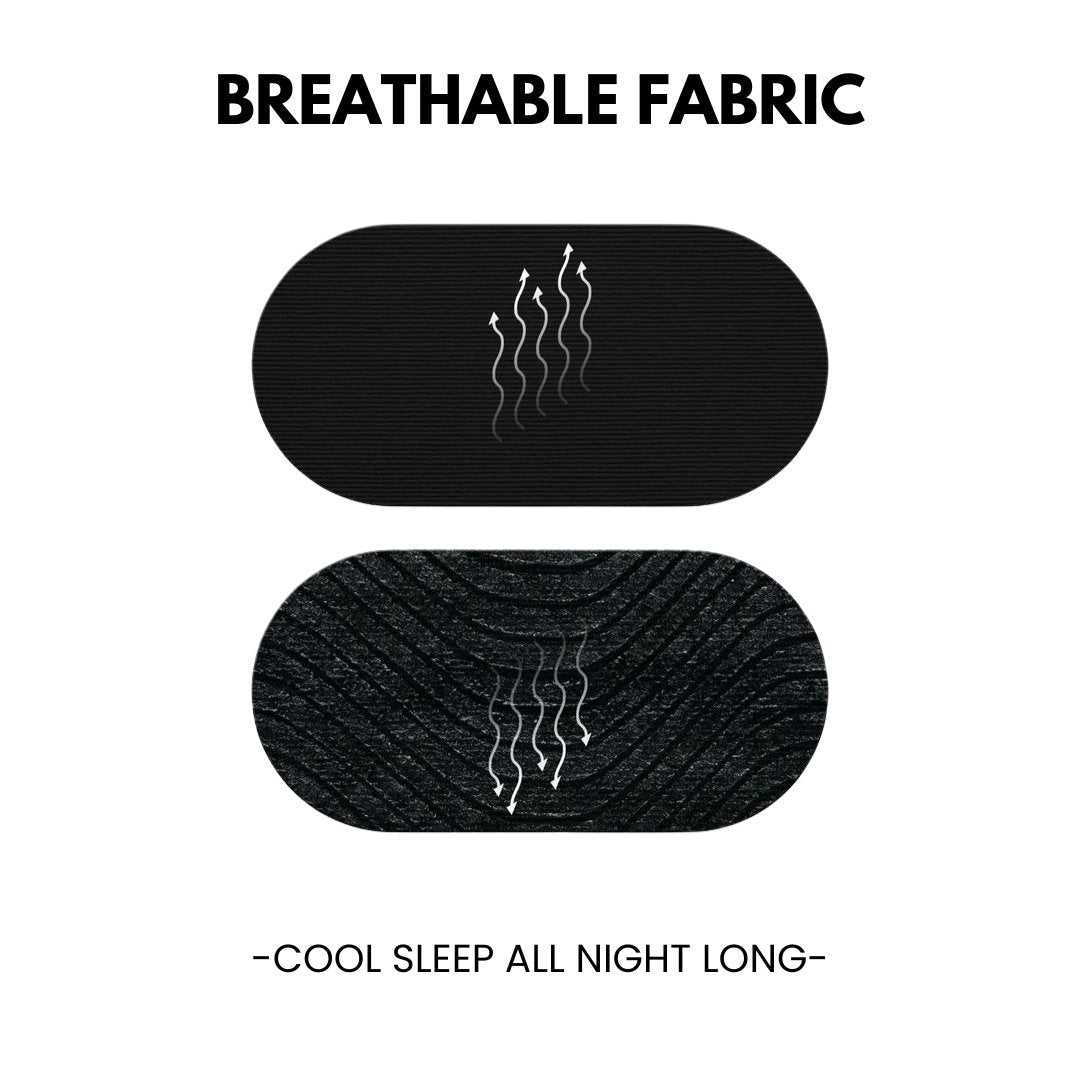
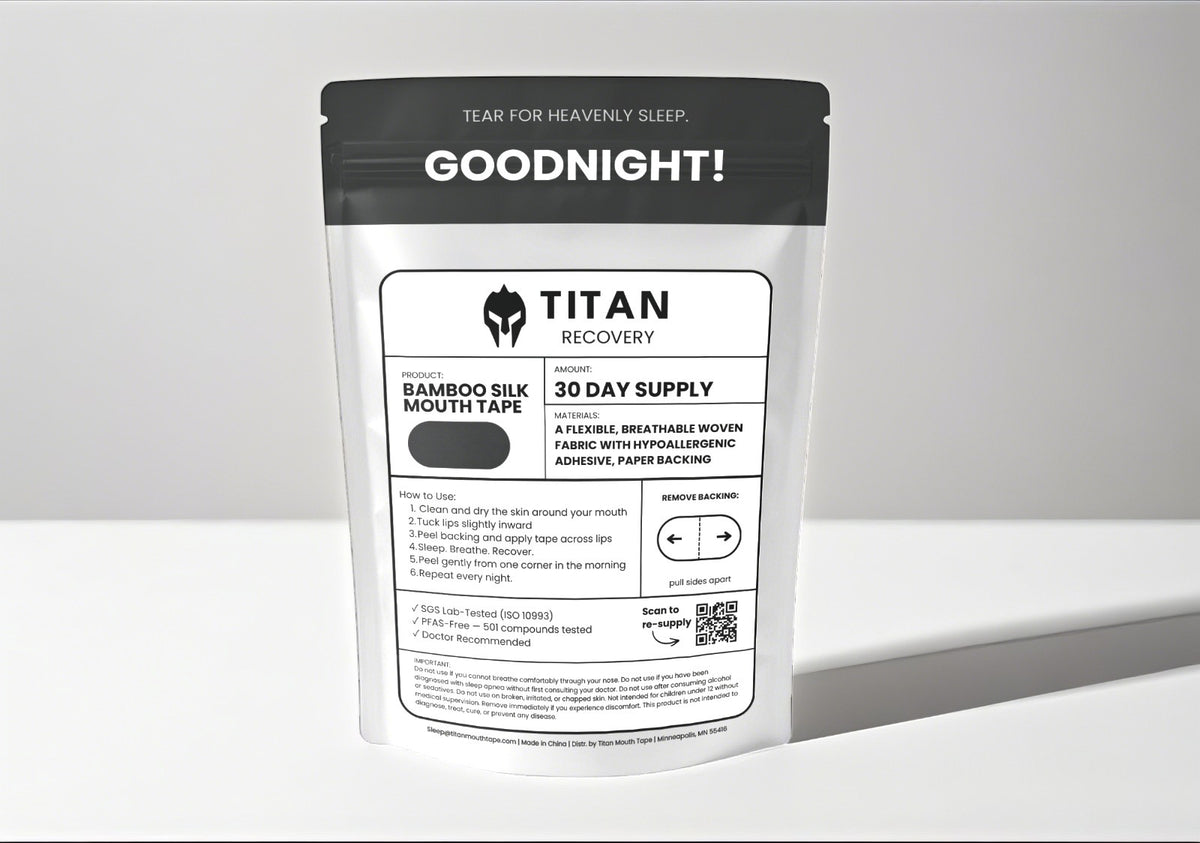
1. Mouth tape — the most direct and reliable method. A soft strip placed over the lips gently keeps your mouth closed so every breath routes through your nose. It is drug-free, works mechanically, and takes about thirty seconds. Most people notice less dry mouth and quieter nights from the very first night. Titan Bamboo Silk Mouth Tape is designed for nightly use — soft enough to forget it is there, strong enough to stay put, and it peels off clean in the morning. (Here is exactly how mouth tape works.)
2. Open your nose first. Tape only works if you can actually breathe through your nose. If you are congested, a nasal strip lifts the nasal passages open for more airflow — pair it with mouth tape and you fix both ends at once. TitanAir Nasal Strips are built to do exactly that.
3. Sleep on your side. Sleeping on your back lets gravity drop your jaw and tongue backward, which opens the mouth and worsens snoring. Shifting to your side keeps the airway more open and the mouth more likely to stay shut.
4. Treat the root cause. Chronic congestion from allergies, dry air, or irritants keeps forcing your mouth open. A humidifier, managing allergies, and keeping the bedroom clean all make nose breathing easier so your mouth stays closed naturally.
5. Chin straps — a bulkier alternative. A chin strap wraps under the jaw to hold it up. Some people prefer it, but many find it uncomfortable and it does not seal the lips the way tape does. Here is how mouth tape and chin straps compare.
6. Daytime nasal-breathing practice. Consciously breathing through your nose during the day builds the habit, so your body is more likely to keep it up at night.
Which method works best?
For most people, mouth tape is the single most effective step — and it works even better paired with an open nose. Side sleeping and treating congestion are helpful supports, but they do not keep the lips closed on their own. If you want one change that reliably keeps your mouth shut tonight, start with tape.
Is it safe to tape your mouth shut at night?
For healthy adults who can breathe comfortably through their nose, gentle mouth taping is widely considered safe. It is a light cue, not an airtight seal — you can always open your mouth if you need to. That said, if you have severe nasal blockage, or if you snore loudly, gasp, or stop breathing during sleep, talk to a doctor to rule out sleep apnea before taping. Mouth tape is not a treatment for sleep apnea.
Titan Bamboo Silk Mouth Tape is PFAS-free and independently lab-tested for nightly use on skin, and it is backed by a 30-Night Better Sleep Guarantee — if you do not sleep better in 30 nights, you get your money back.
Frequently asked questions
How can I keep my mouth closed at night naturally? Make nose breathing easier: clear your nose before bed, sleep on your side, run a humidifier, and treat allergies. These help, but the most reliable single method is a gentle mouth tape that keeps your lips closed for you.
Does mouth tape really keep your mouth shut all night? Yes — a quality strip stays put through the night and keeps your lips gently closed so you breathe through your nose. You can still open your mouth if you ever need to.
What if I can't breathe through my nose? Open your nose first. A nasal strip or treating the underlying congestion lets you breathe freely, so keeping your mouth closed becomes comfortable rather than a struggle.
Will keeping my mouth closed stop snoring? Often, yes. Much snoring comes from open-mouth breathing, so keeping the mouth closed and the tongue forward can reduce it — though results vary and it does not address every cause.
Shop Titan Mouth Tape → Keep your mouth closed, breathe through your nose, and wake up actually rested.