4-7-8 Breathing for Sleep: The Technique, Step by Step

The 4-7-8 breathing technique means inhaling through your nose for 4 seconds, holding for 7, and exhaling slowly through your mouth for 8, repeated a few times to calm your body before sleep. The long, controlled exhale is the active ingredient: it shifts your nervous system out of fight-or-flight and into the rest-and-digest state that lets sleep arrive. It is free, takes two minutes, and you can do it tonight.
4-7-8 breathing is a paced breathing exercise popularized by integrative medicine physician Dr. Andrew Weil, built on older yogic breath-control practices. It is not magic and it is not a cure for insomnia, but it is one of the most reliable ways to downshift a wired body at bedtime. Here is exactly how to do it, why it works, and how to make the calm last past the first two minutes.
How to Do 4-7-8 Breathing
- Get set. Sit or lie down comfortably. Rest the tip of your tongue just behind your front teeth, on the ridge of the roof of your mouth, and keep it there.
- Empty your lungs. Exhale fully through your mouth with a soft whoosh.
- Inhale for 4. Close your mouth and breathe in quietly through your nose for a count of four.
- Hold for 7. Hold your breath for a count of seven.
- Exhale for 8. Exhale completely through your mouth, with that same whoosh, for a count of eight.
- Repeat. That is one cycle. Do four cycles to start. Work up to eight over time if you like.
The exact seconds matter less than the ratio. If holding for seven feels like too much at first, keep the rhythm but shorten the counts, as long as the exhale stays the longest part. Do not strain. Lightheadedness is a sign to ease off, not push through.

Why the Long Exhale Works
Your autonomic nervous system has two modes: the sympathetic (fight-or-flight) and the parasympathetic (rest-and-digest). A long, slow exhale is one of the few direct, conscious ways to tip yourself toward the parasympathetic side. When you extend the exhale, you stimulate the vagus nerve and slow your heart rate, which is the physiological opposite of stress.
The hold adds a gentle rise in carbon dioxide tolerance, which has a calming effect and keeps the pace slow. Put together, 4-7-8 is less about oxygen and more about telling an anxious body, through rhythm alone, that it is safe to stand down. That is why it works best for the racing-mind, can't-switch-off kind of sleeplessness.
If you like the idea but want other paces to try, box breathing for sleep uses an even 4-4-4-4 pattern, and Buteyko breathing takes a different approach focused on breathing less, not more.
When 4-7-8 Helps, and When It Doesn't
It helps when you are lying in bed wired, when your mind is spinning, when you wake at 3am and cannot settle, or as a deliberate signal at the start of your wind-down. It is also a useful tool for everyday stress, not just sleep.
It does less if your sleep problem is structural: short sleep schedules, a too-warm room, late caffeine, or disrupted breathing once you are actually asleep. Two minutes of breathing at bedtime cannot offset habits that sabotage the other eight hours. Think of it as the on-ramp, not the whole highway. For the broader habit list, see 10 ways to improve sleep quality.
The Catch: You Stop Doing It When You Fall Asleep
Here is the honest limitation of every breathing technique, including this one. The moment you drift off, you stop consciously controlling your breath. If you spend the rest of the night breathing through an open mouth, the calm you created evaporates, and the open-mouth posture that drives snoring and fragmented sleep takes over.

That is the gap between daytime breathwork and nighttime breathing. 4-7-8 gets you to sleep calm. What governs your breathing for the next eight hours is habit, not willpower. Training yourself to breathe through your nose while asleep is what keeps the benefit going, and our guide on how to breathe through your nose while sleeping covers that directly.
Nasal breathing also matters for a reason beyond calm. Breathing through your nose is how your body produces nitric oxide, a molecule that helps widen blood vessels and improve oxygen delivery, which we explain in nasal breathing and nitric oxide. You get none of that through an open mouth.
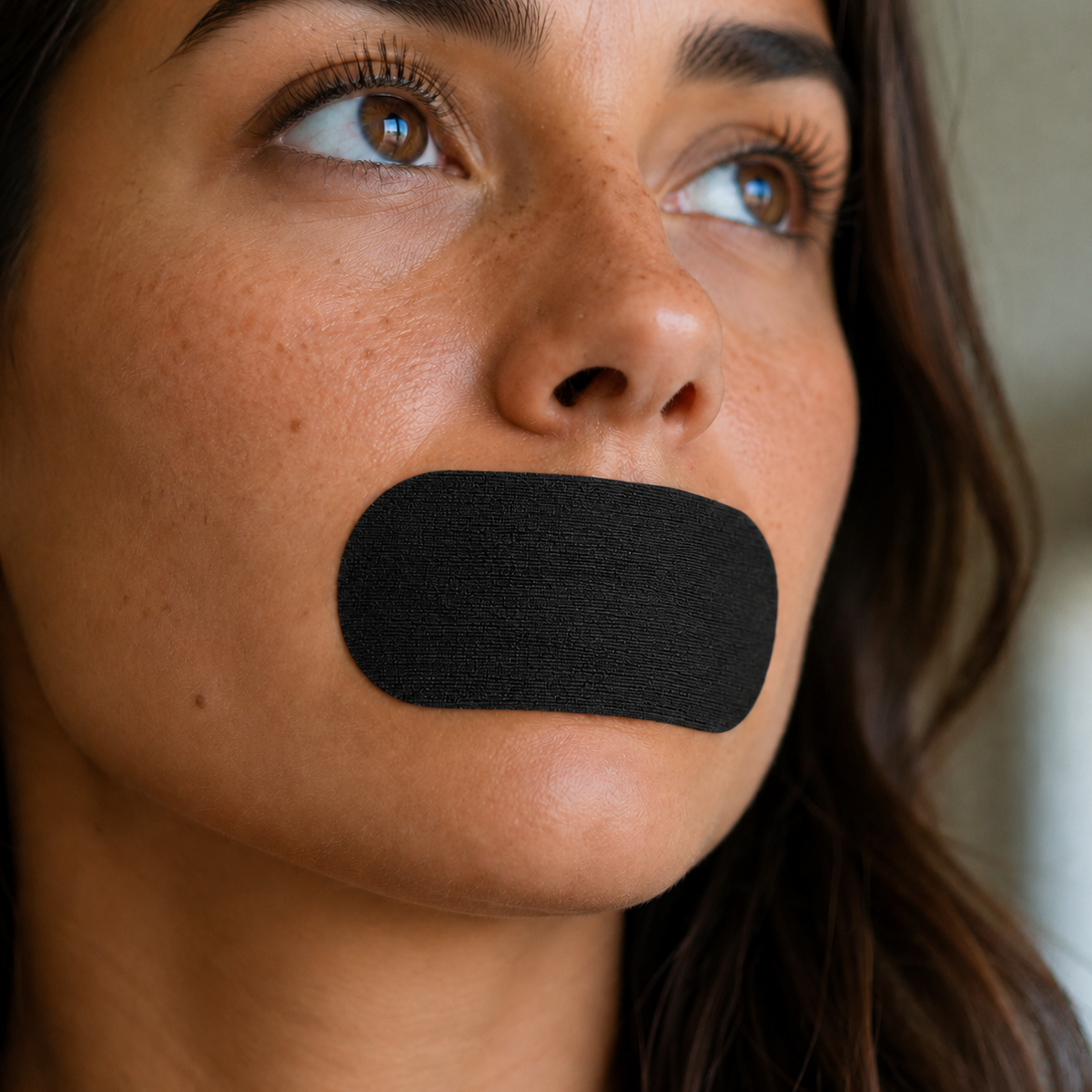
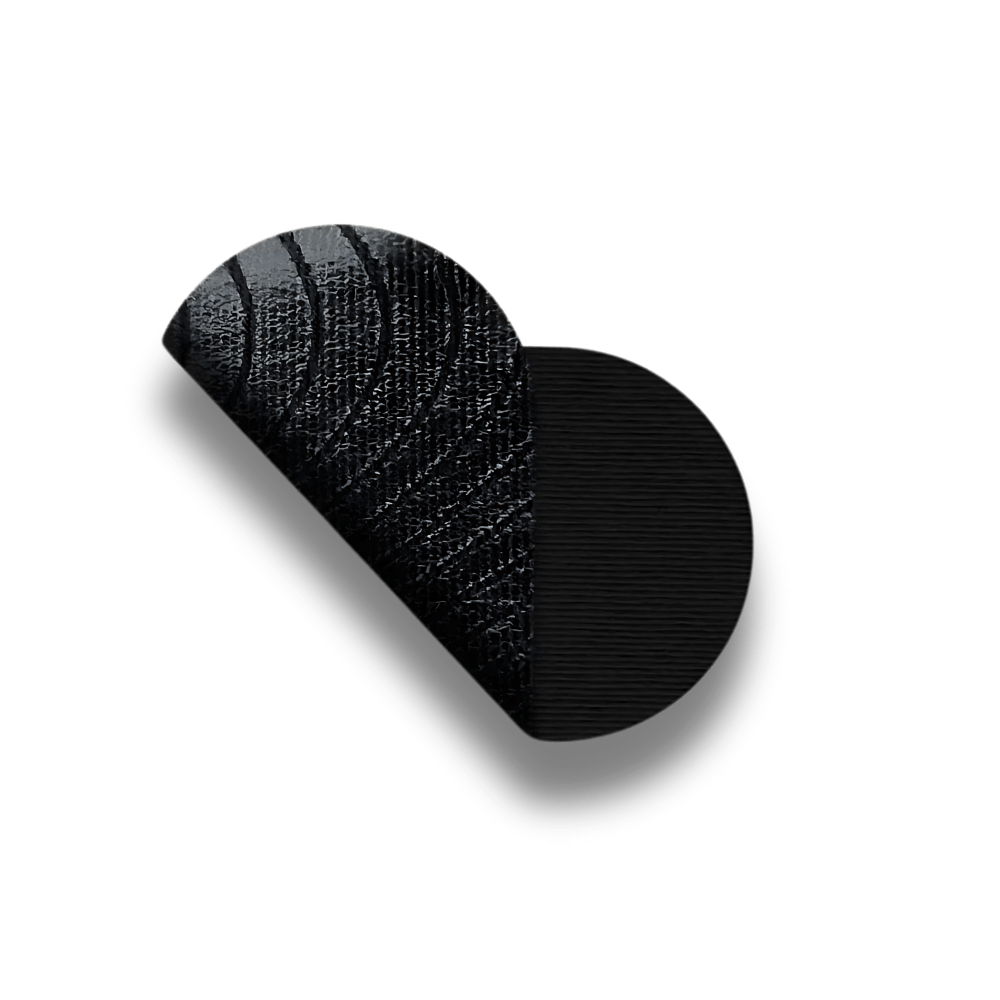
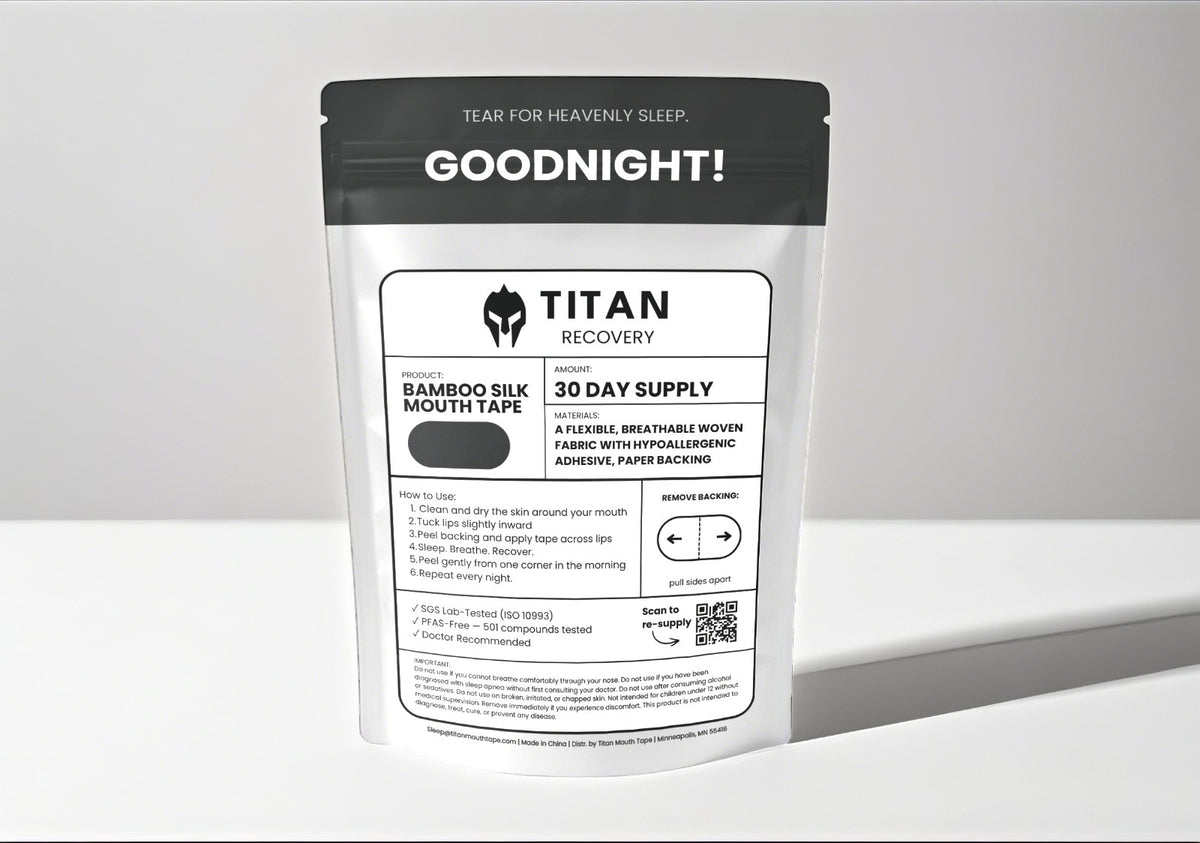
This is exactly why many people pair a bedtime technique like 4-7-8 with mouth taping, the practice of placing a gentle strip over closed lips to keep nasal breathing going after you fall asleep. The technique handles the wind-down, the tape handles the hours you cannot control. (One practical note: the 4-7-8 exhale is done through the mouth, so do your breathing cycles first, then apply tape as the last step before sleep.)
A Simple Bedtime Sequence
- Dim the lights and put the phone away 30 minutes before bed.
- In bed, do four cycles of 4-7-8 breathing, exhaling through the mouth.
- Switch to easy nasal breathing.
- If you are a mouth breather or snorer, apply mouth tape as your last step to carry nasal breathing through the night.
Frequently Asked Questions
How does 4-7-8 breathing help you sleep?
The long, slow exhale activates the parasympathetic nervous system and slows your heart rate, shifting your body out of a stressed, alert state into one where sleep can come. It is most effective for a racing mind or bedtime anxiety.
How many times should I repeat 4-7-8 breathing?
Start with four cycles. As it becomes comfortable, you can work up to about eight. The goal is a relaxed, unforced rhythm, so stop if you feel lightheaded rather than pushing to a target number.
Should I breathe in through my nose or mouth for 4-7-8?
Inhale through your nose and exhale through your mouth with a soft whoosh. The exhale is intentionally the longest phase because that is what triggers the calming response.
Does 4-7-8 breathing work for insomnia?
It can help you fall asleep when the barrier is stress or a busy mind, but it is not a cure for chronic insomnia. If sleeplessness is persistent, address your overall sleep habits and speak with a doctor, since ongoing insomnia can have medical causes.
Can I do 4-7-8 breathing with mouth tape on?
Do your 4-7-8 cycles first, since the exhale uses your mouth, then apply mouth tape as the last step before sleep to keep nasal breathing going through the night. Do not tape if your nose is congested or you cannot breathe comfortably through it.
The Bottom Line
4-7-8 breathing is a genuinely useful, free tool for falling asleep when your body is wired: inhale 4, hold 7, exhale 8, repeat four times, and let the long exhale do the work. Keep the ratio, do not strain, and use it as the first step of a real wind-down.
Just remember its limit. A technique can only run while you are awake. What decides how you breathe for the rest of the night is habit.
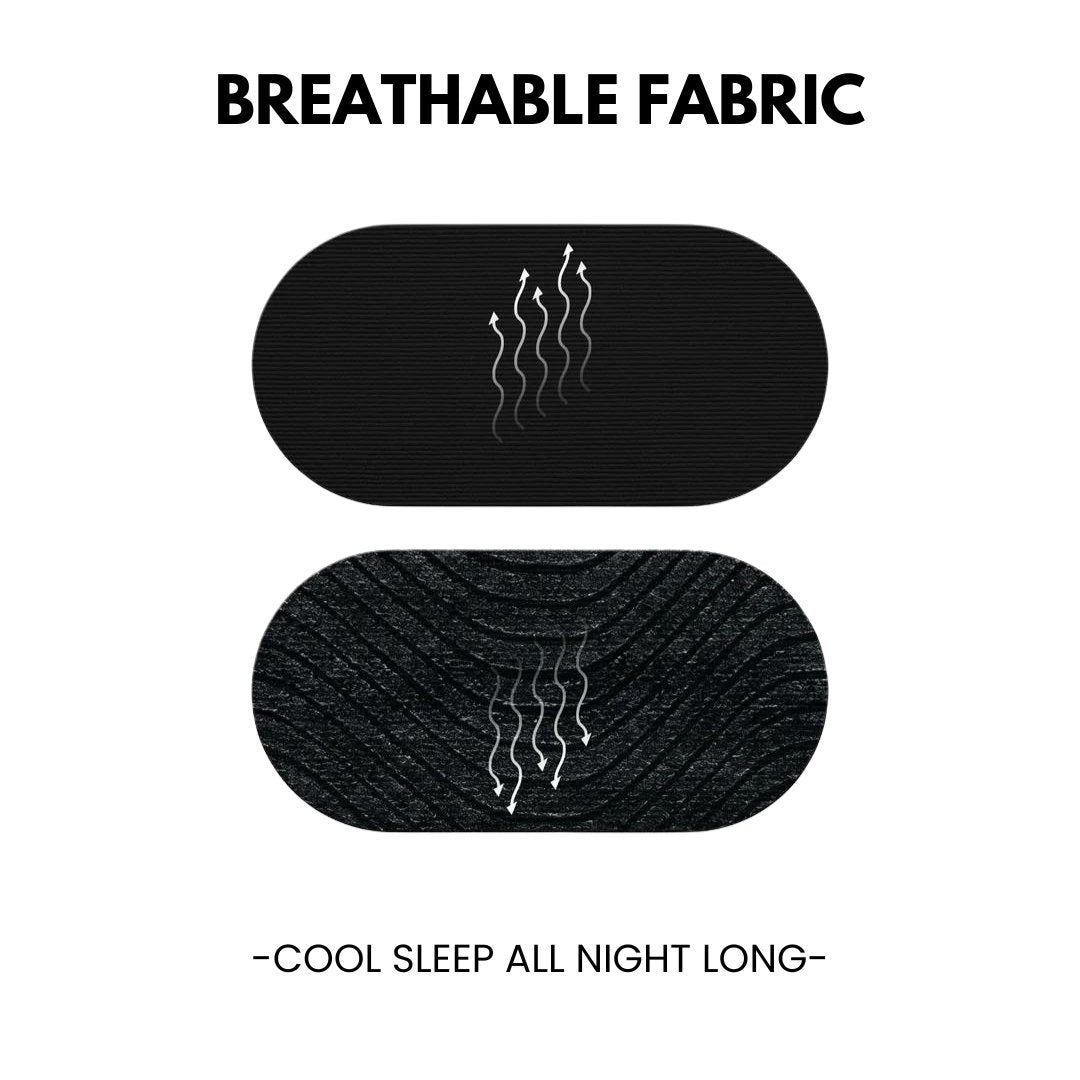
If you want the calm to last past the first two minutes, keep breathing through your nose once you are asleep. Titan Mouth Tape keeps your lips gently closed so nasal breathing continues all night, and if congestion gets in the way, TitanAir Nasal Strips open the nasal passages so the nose-breathing habit actually sticks. Both come with a 30-night guarantee.
Doctor Recommended: "As a maxillofacial surgeon and dentist, I recommend Titan Mouth Tape. Nasal breathing during sleep is essential for airway health and deep restorative rest. Titan's bamboo silk design is the most comfortable and effective mouth tape I have tested. If you struggle with snoring, dry mouth, or poor sleep quality, this is the simplest change you can make for your health." — Dr. Francois Proux, MD, DDS — Maxillofacial Surgeon
Lab-Tested Safety: Titan's adhesive is independently tested to ISO 10993 medical device standards. Non-toxic (95% cell viability). Non-allergenic (0% reaction rate). Non-irritating (score 0.0/8.0). PFAS-free — 501 compounds tested, zero detected. See full test results →
Try the complete system tonight. Titan Mouth Tape (bamboo silk, SilkSeal™ adhesive) + TitanAir Nasal Strips. Free shipping. 30-night Better Sleep Guarantee. Shop Titan Mouth Tape → · Shop TitanAir Nasal Strips →