Nasal Breathing and Blood Pressure: What the Research Shows
Share
The connection between nasal breathing and blood pressure comes down to one molecule: nitric oxide. When you breathe through your nose, your paranasal sinuses produce nitric oxide — a gas that dilates blood vessels and may help lower blood pressure naturally. Mouth breathing bypasses this system entirely, which means chronic mouth breathers are missing a built-in cardiovascular support mechanism every time they take a breath.
This is not a claim that nasal breathing replaces blood pressure medication or substitutes for medical care. It is, however, a well-documented physiological pathway that deserves attention — especially since the simplest way to maintain nasal breathing during the hours you can't consciously control it (sleep) is straightforward and accessible. Here's what the research actually shows.
The Nitric Oxide Mechanism
In 1998, the Nobel Prize in Physiology or Medicine was awarded for the discovery of nitric oxide as a signaling molecule in the cardiovascular system. That research established that nitric oxide (NO) is a potent vasodilator — it relaxes the smooth muscle lining of blood vessels, widening them and reducing the resistance blood encounters as it flows through the body. Lower vascular resistance means lower blood pressure.
What makes this relevant to breathing is where nitric oxide is produced. The paranasal sinuses — the air-filled cavities behind your cheekbones, forehead, and nasal bridge — continuously produce nitric oxide. When you inhale through your nose, that nitric oxide is drawn into the airstream and carried down into the lungs. In the lungs, it performs two functions: it dilates the pulmonary blood vessels (improving oxygen exchange) and it enters the bloodstream, where it contributes to systemic vasodilation.
Mouth breathing skips this entirely. When air enters through the mouth, it bypasses the nasal passages and sinuses. No sinus-derived nitric oxide enters the lungs. The vasodilatory benefit is lost. Research published in respiratory physiology journals has measured significantly higher nitric oxide concentrations in nasally exhaled air compared to orally exhaled air, confirming that the nasal pathway is the delivery route for this molecule.
The implication is straightforward: nasal breathing provides a cardiovascular input that mouth breathing does not. Over the course of a day — and especially over the six to eight hours of sleep — the cumulative difference in nitric oxide exposure between a nasal breather and a mouth breather is substantial.
What Research Says About Breathing and Blood Pressure
Multiple lines of research connect breathing patterns to blood pressure regulation. They approach the question from different angles, and together they build a meaningful picture.
Slow breathing studies. Research on slow, controlled breathing — typically five to six breaths per minute — has consistently shown acute reductions in blood pressure. A review of studies published in the journal Hypertension Research found that device-guided slow breathing produced statistically significant reductions in both systolic and diastolic blood pressure across multiple trials. The mechanism involves baroreflex sensitivity — the body's built-in blood pressure regulation system — which responds to slow breathing by dialing down sympathetic nervous system activity and increasing parasympathetic tone.
Nasal breathing is naturally slower than mouth breathing. The nasal passages create more airflow resistance than the mouth, which means each breath cycle takes longer. People who breathe exclusively through their nose tend to have a lower resting respiratory rate — closer to that six-breaths-per-minute range where cardiovascular benefits have been documented. This isn't a breathing exercise; it's a structural consequence of using the nose instead of the mouth.
Nitric oxide and vascular function. Research in vascular biology has established that nitric oxide bioavailability is a key factor in endothelial function — the health of the blood vessel lining. Reduced nitric oxide availability is associated with endothelial dysfunction, which is a precursor to hypertension. While the primary sources of systemic nitric oxide are enzymatic (produced by endothelial cells themselves), the contribution from nasal breathing adds to the total pool. Some researchers have proposed that chronic mouth breathing may reduce overall nitric oxide exposure enough to affect vascular tone over time, though this specific hypothesis has not been isolated in a controlled trial.
Autonomic nervous system balance. Blood pressure is regulated in part by the autonomic nervous system. Sympathetic activation raises blood pressure; parasympathetic activation lowers it. Nasal breathing has been shown to shift autonomic tone toward parasympathetic dominance — measurable through heart rate variability (HRV) improvements. Higher HRV is associated with better cardiovascular health outcomes, including healthier blood pressure regulation. This connection is consistent across studies of controlled breathing, meditation practices, and sleep-related respiratory research.
Blood Pressure During Sleep: The Nighttime Window
Blood pressure is not static. It follows a circadian rhythm, typically dipping by 10-20% during sleep — a pattern called "nocturnal dipping." This nightly dip is important for cardiovascular health. People who don't experience adequate nocturnal dipping (called "non-dippers") have higher rates of heart disease, stroke, and kidney disease.
Sleep quality directly affects nocturnal dipping. Disrupted sleep, sleep-disordered breathing, and frequent arousals can blunt the nighttime blood pressure dip. Mouth breathing during sleep contributes to several of these disruptions: it increases the likelihood of snoring, dries out the airway (leading to micro-arousals), and is associated with more fragmented sleep architecture.
The practical point: if mouth breathing during sleep is undermining your sleep quality, it may also be undermining the nocturnal blood pressure dip that protects cardiovascular health. Maintaining nasal breathing during sleep — with the help of mouth tape — supports the conditions under which healthy nighttime blood pressure patterns occur: uninterrupted sleep, adequate deep sleep stages, and sustained parasympathetic tone.
Breathing Exercises for Blood Pressure: What Works
If you're interested in using breathing as a tool for blood pressure support, the research points to a few specific practices.
Slow nasal breathing (5-6 breaths per minute). Inhale through the nose for about five seconds, exhale through the nose for about five to six seconds. This pace aligns with the body's baroreflex cycle and has the strongest evidence for acute blood pressure reduction. Ten to fifteen minutes daily has been used in most of the published studies.
Extended exhale breathing. Making the exhale longer than the inhale (for example, inhale for four seconds, exhale for six to eight seconds) emphasizes the parasympathetic phase of the breath cycle. The exhale is when vagal tone increases and heart rate slows. This pattern, done through the nose, combines the nitric oxide benefit with the autonomic benefit.
Resistance breathing. Nasal breathing inherently provides more resistance than mouth breathing. Some practitioners use techniques like partially constricting the throat during exhale (similar to the "ujjayi" breath in yoga traditions) to increase resistance further. The added resistance prolongs the exhale and enhances vagal stimulation. Research on this approach is more limited but physiologically consistent with the mechanisms described above.
The common thread across all of these is the nose. Every effective breathing practice for blood pressure support uses nasal breathing as the foundation. The nose provides the airflow resistance that naturally slows breathing, delivers nitric oxide with each inhale, and activates the neural pathways that promote parasympathetic tone. Mouth breathing doesn't provide any of these inputs.
Why Nighttime Nasal Breathing Is the Low-Hanging Fruit
Daytime breathing exercises require time, attention, and consistency. They work, but they depend on habit formation and conscious effort. The six to eight hours you spend sleeping are different — they represent the longest continuous breathing period in your day, and you have no conscious control over whether you breathe through your nose or your mouth during them.
Many people who breathe through their nose during the day default to mouth breathing during sleep. Jaw muscles relax, the mouth falls open, and the nasal pathway is abandoned. Every benefit described above — nitric oxide delivery, slower respiratory rate, parasympathetic activation — is lost for the entire duration of sleep.
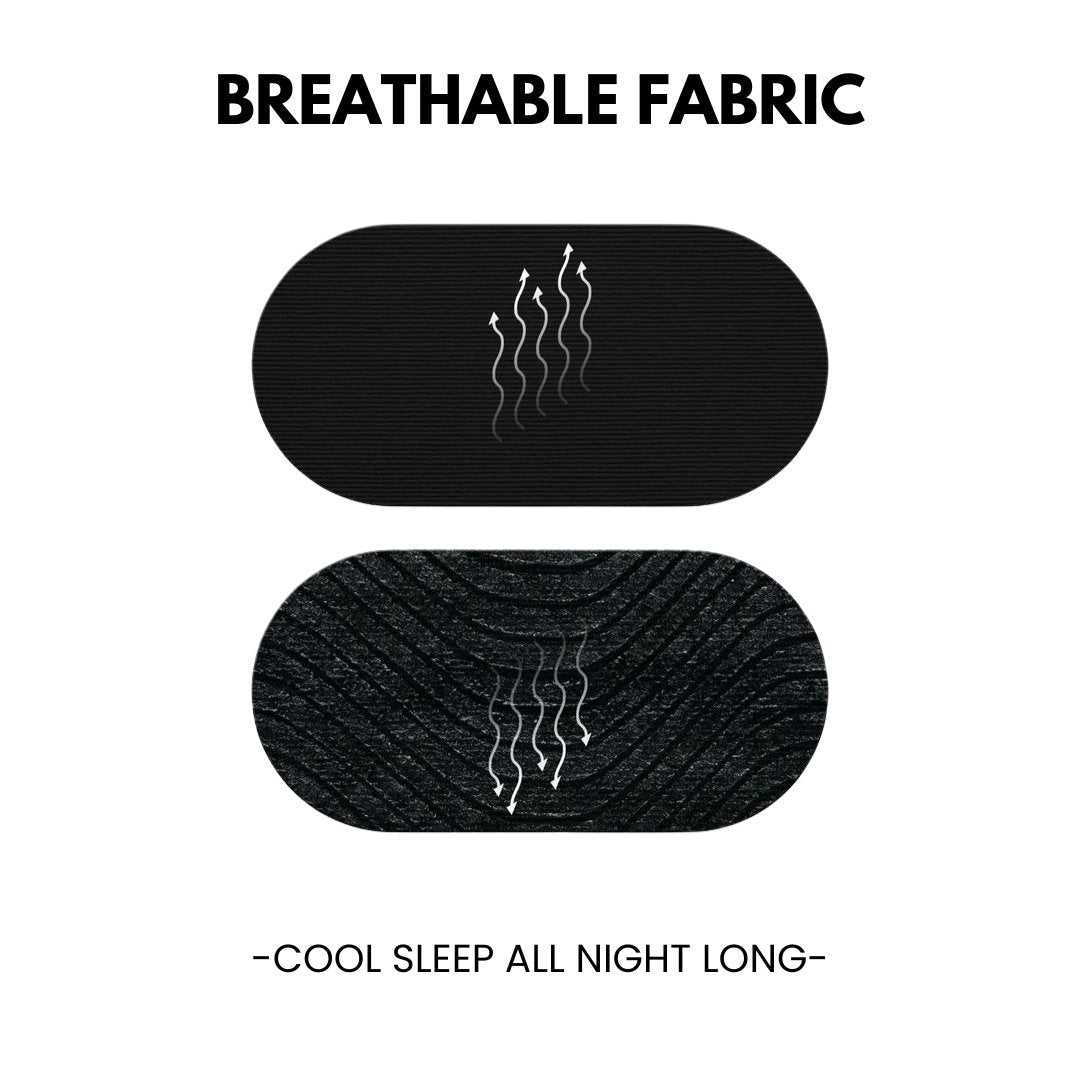
Mouth tape addresses this simply. A gentle adhesive strip holds the lips in a relaxed closed position, routing all breathing through the nose without requiring any conscious effort. It's not a breathing exercise — it's a mechanical correction that ensures your body uses the nasal pathway all night. For people interested in the relationship between nasal breathing and blood pressure, this is the easiest intervention to implement because it requires nothing except applying a strip of tape before sleep.
Pairing mouth tape with nasal strips can further improve the experience, especially if nasal congestion is a factor. Nasal strips mechanically open the nasal valve (the narrowest part of the nasal passage), reducing resistance and making nasal breathing feel effortless — even during allergy season or when mildly congested.
Frequently Asked Questions
Does nasal breathing actually lower blood pressure?
Nasal breathing supports several mechanisms associated with lower blood pressure: it delivers nitric oxide (a vasodilator) from the sinuses, it naturally slows respiratory rate, and it promotes parasympathetic nervous system activity. Slow nasal breathing at five to six breaths per minute has produced measurable blood pressure reductions in published studies. However, nasal breathing alone is not a treatment for hypertension — it's a supportive practice that works alongside medical care and lifestyle factors.
How does nitric oxide from the nose affect blood pressure?
Nitric oxide is produced continuously in the paranasal sinuses. When you inhale through your nose, this gas is carried into the lungs and enters the bloodstream, where it relaxes blood vessel walls and reduces vascular resistance. Lower vascular resistance means the heart doesn't have to pump as hard to circulate blood, which contributes to lower blood pressure. Mouth breathing bypasses the sinuses entirely, so this nitric oxide never reaches the lungs.
Can mouth tape help with blood pressure?
Mouth tape promotes nasal breathing during sleep, which maintains the nitric oxide delivery, slower respiratory rate, and parasympathetic activation that are associated with healthier blood pressure patterns. It also supports better sleep quality, which is independently important for nocturnal blood pressure dipping. Mouth tape is not a medical treatment — it's a tool that keeps your breathing on the nasal pathway during the hours you can't consciously control it.
How long do you need to do breathing exercises to see blood pressure effects?
Most studies on slow breathing and blood pressure have used sessions of 10 to 15 minutes. Acute effects (temporary blood pressure reduction) can occur within a single session. Sustained effects appear to require consistent daily practice over several weeks. For nighttime nasal breathing with mouth tape, the "practice" is passive — you simply maintain nasal breathing for the entire duration of sleep, every night, with no active effort required beyond applying the tape.
Should I stop my blood pressure medication and try nasal breathing instead?
No. Never adjust or discontinue prescribed medication without consulting your doctor. Nasal breathing and slow breathing practices are complementary — they may support cardiovascular health alongside medical treatment, but they are not substitutes for it. If you're interested in incorporating breathing practices into your blood pressure management, discuss it with your healthcare provider so they can monitor your response.
The Bottom Line
The relationship between nasal breathing and blood pressure is grounded in well-established physiology. The nose delivers nitric oxide — a molecule proven to dilate blood vessels. Nasal breathing naturally slows respiratory rate into the range associated with improved baroreflex function. And the autonomic shift toward parasympathetic tone that nasal breathing promotes is directly relevant to blood pressure regulation.
None of this replaces medical care for hypertension. But for anyone looking to support healthy blood pressure through daily habits, making sure you breathe through your nose — especially during the six to eight hours of sleep when you can't consciously control it — is one of the simplest, most evidence-backed steps available. Mouth tape makes nasal breathing during sleep automatic, and the Deep Sleep Bundle pairs it with nasal strips for the most open, comfortable nasal airway possible. The research on what the nose does for your cardiovascular system is clear. The only question is whether you're using it.
Doctor Recommended: "As a maxillofacial surgeon and dentist, I recommend Titan Mouth Tape. Nasal breathing during sleep is essential for airway health and deep restorative rest. Titan's bamboo silk design is the most comfortable and effective mouth tape I have tested. If you struggle with snoring, dry mouth, or poor sleep quality, this is the simplest change you can make for your health." — Dr. Francois P., MD, DDS — Maxillofacial Surgeon
Lab-Tested Safety: Titan's adhesive is independently tested to ISO 10993 medical device standards. Non-toxic (95% cell viability). Non-allergenic (0% reaction rate). Non-irritating (score 0.0/8.0). PFAS-free — 501 compounds tested, zero detected. See full test results →
Try the complete system tonight. Titan Mouth Tape (bamboo silk, SilkSeal™ adhesive) + TitanAir Nasal Strips. Free shipping. 30-night Better Sleep Guarantee. Shop Titan Mouth Tape → · Shop TitanAir Nasal Strips →