Mouth Taping With Dentures or Implants: What to Know

Can you mouth tape with dentures? Usually the question answers itself: removable dentures are typically taken out at night, so there is nothing in your mouth to work around when you tape. Permanent dental implants and crowns generally do not change how mouth tape works either, because the tape sits on the skin around your lips, not on your teeth. After recent dental work, though, wait until your dentist says you are healed.
We hear this question often, and it deserves a careful answer rather than a quick yes. Mouth taping is the practice of placing a gentle adhesive strip over closed lips to encourage nasal breathing during sleep. It is not a treatment for any condition, and it is not right for everyone. This is general information, not dental or medical advice, so your own dentist or doctor has the final word.
Mouth Taping With Removable Dentures
Dental organizations and denture makers commonly advise taking dentures out before bed, cleaning them, and keeping them in water or a denture solution overnight. This gives your gums a rest and lets your mouth recover from a day of pressure. The evidence behind universal nightly removal is more mixed than the advice suggests, so some dentists tailor it to the person. Ask yours what they recommend for you.

If you do take your dentures out, taping is mostly a non-issue. With dentures out, your lips may rest differently, and your cheeks and lips can look or feel slightly more sunken. That can make a strip sit less flat against your skin. A few things help:
Do a fit check while awake. Try the tape on for a few minutes in the evening, before you are in bed, and see how it lies across your lips without dentures in.
Dry the skin first. Denture cleaning routines often leave residue and moisture around the mouth. Wash and fully dry the skin around your lips so the tape can hold gently.
Keep dentures out of the equation. Never tape with dentures in your mouth. A displaced or loose appliance combined with a closed mouth is not a risk worth taking, and sleeping in dentures is a separate question to settle with your dentist.
If you wear dentures during sleep because your dentist told you to, check with them before adding tape. They know your mouth and any reason you were told to keep them in.
Mouth Taping With Dental Implants and Crowns
Here the answer is more reassuring. Permanent dental work, such as fixed implants, crowns, and bridges, does not change the surface the tape touches. Mouth tape adheres to the skin around your lips. It does not bond to your teeth, and it does not grip dental work.
Two situations deserve a pause:
Snap-in or removable implant-supported dentures. These are generally designed to be removed for cleaning and are often taken out at night. Follow your dentist's instructions, and treat them like any other removable denture when it comes to taping.
Implants that are still healing. Implant placement is a surgical procedure, and the healing period is a different matter from living comfortably with finished implants. See the next section.
Mouth Tape After Dental Work: Wait Until You Are Cleared
This is the part we want you to take seriously. After oral surgery or other significant dental work, do not tape your mouth until your dentist or oral surgeon has cleared you and the area has healed. That applies to:
Tooth extractions and wisdom tooth removal. Bleeding, gauze, swelling, and pain are all possible in the first days. A closed, taped mouth is the wrong setup for any of that.
Implant surgery and bone grafts. Your surgeon may have specific instructions about what can touch the area and how your mouth should rest.
Numbness after a dental appointment. Local anesthetic can leave your lips and cheeks numb for hours. If you cannot feel your lips well, skip the tape that night.
Swollen, sore, or irritated lips and skin. Adhesive does not belong on skin that is cut, cracked, inflamed, or healing.
Waiting costs you very little. A few nights without tape will not undo anything, and your dentist can tell you when your mouth is ready. If you are unsure whether you count as healed, you probably do not yet. Ask.
Where the Tape Actually Sits
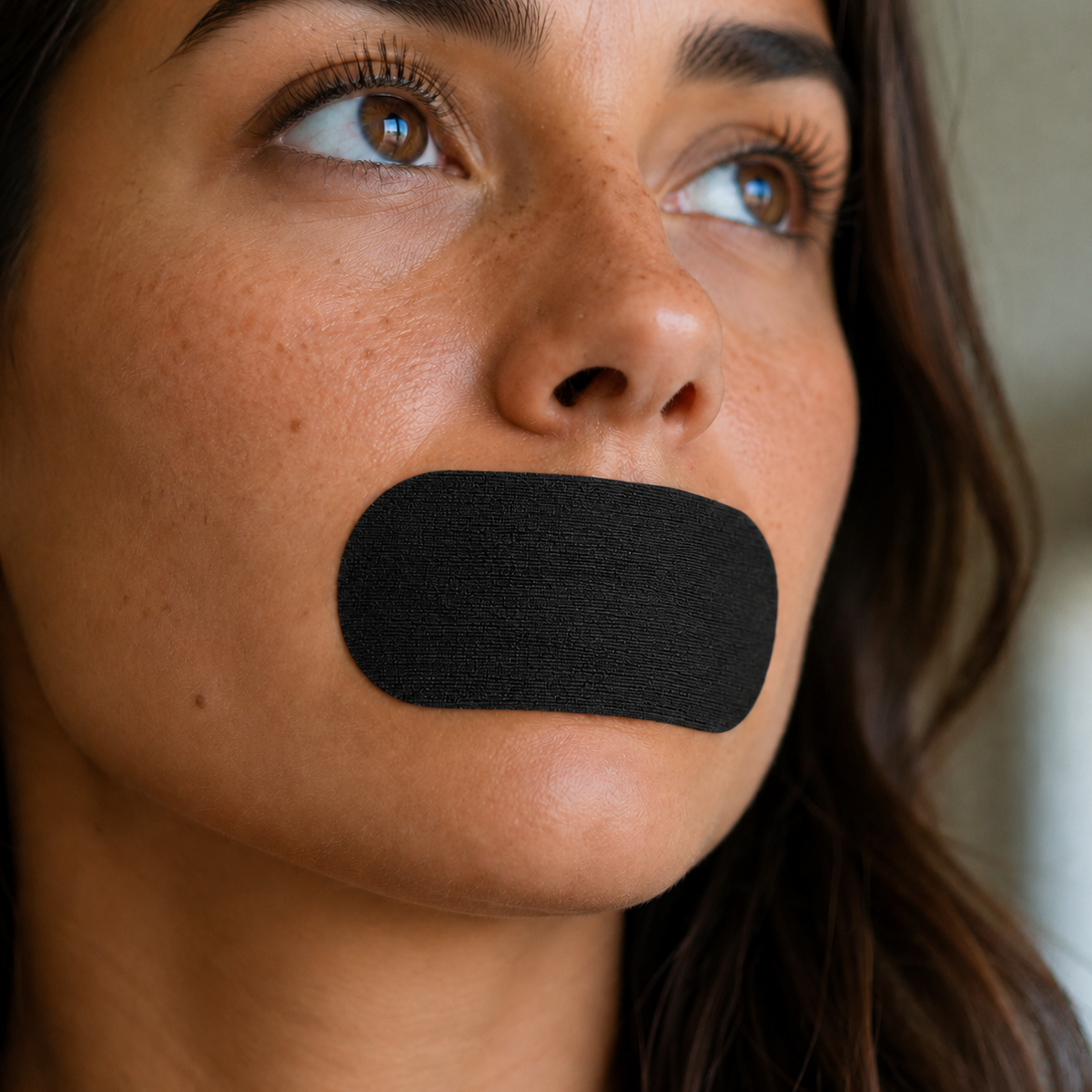
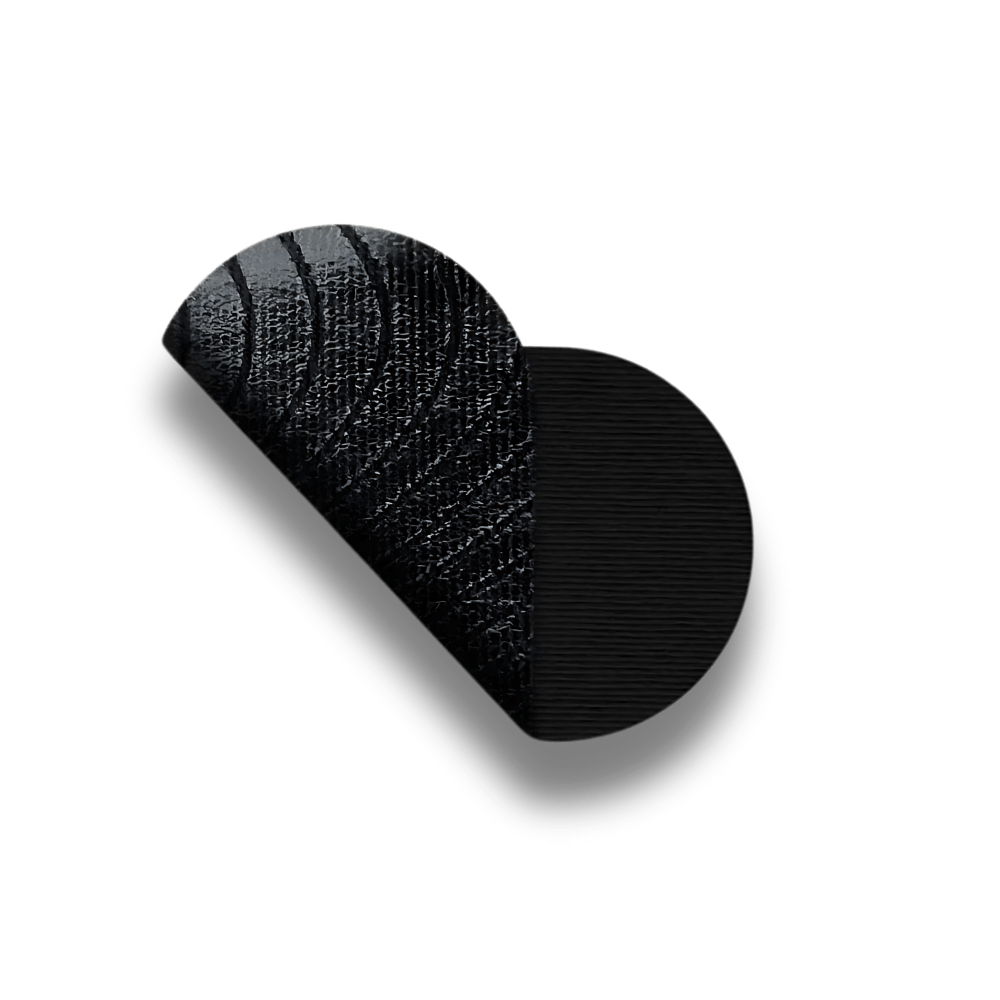
It helps to picture this clearly. Mouth tape is a thin strip that lies across the closed lips and sticks to the skin above and below them. Nothing goes inside your mouth. Your teeth, dentures, and dental work are not touched by the adhesive. If you want a fuller explanation of the mechanics, our guide on how mouth tape works covers it step by step.
The goal is simple: gently keep the lips together so that breathing happens through the nose. For many people, this also means waking up with less dryness. If that is your main reason for asking, see our post on why you wake up with dry mouth every morning. Dry mouth also matters for people with dental work, since a dry mouth can make teeth and gums more vulnerable. It is one more reason to bring up nighttime mouth breathing with your dentist.
Safety Rules That Apply to Everyone
Ease in. Start by wearing the tape for a short time while awake, then move to a nap, then a full night. Many people find our guide to mouth tape for better sleep useful for the first week.
Skip it if your nose is blocked. If you are congested from a cold or allergies, or you cannot comfortably breathe through your nose with your mouth closed, do not tape that night.
Remove it right away if breathing feels difficult. If you feel any anxiety, panic, or trouble getting air, take the tape off immediately. Sleeping should never feel like a struggle.
Remove it gently. Peel slowly from one corner and do not rip it off. Tape that is tugged away fast can irritate skin.
Clean, dry skin only. Skip oily moisturizers, lip balm, or beard products at the contact points, as they stop the strip from sitting well.
Know when not to use it. If you have been diagnosed with sleep apnea, a serious breathing condition, or you use a CPAP, an oral appliance, or a night guard, talk to your doctor or dentist before taping. Mouth tape is not a treatment for sleep apnea. If you snore loudly, gasp in your sleep, or feel exhausted after a full night, see a doctor.
Night Guards, Retainers, and Other Appliances
If you wear a night guard or retainer, ask your dentist before adding tape. A bulky appliance can make it harder for your lips to close comfortably, and a strip across a mouth that does not close easily may simply be uncomfortable. Oral appliances prescribed for snoring or sleep apnea are a medical matter, so those questions belong with the clinician who prescribed them.
Frequently Asked Questions
Can you mouth tape with dentures?
Most people take removable dentures out at night, which makes taping simple, since the tape sits on the skin around the lips and nothing is in your mouth. Never tape with dentures in. If your dentist has told you to sleep in them, ask before adding tape.
Can you mouth tape with dental implants?
Generally, yes, once the implants are fully healed and your dentist agrees. Mouth tape adheres to the skin around the lips, not to teeth or dental work. Removable implant-supported dentures are usually taken out at night, like other dentures.
Can you use mouth tape after dental work?
Not until your dentist or oral surgeon says the area has healed. After extractions, implant surgery, or any procedure with bleeding, swelling, or numbness, skip the tape and follow your dentist's aftercare instructions.
Does mouth tape damage teeth or dental work?
The adhesive sits on the skin around your lips, not on your teeth, so it does not bond to enamel, crowns, or implants. Anything specific to your mouth is a question for your dentist.
What if my lips do not close easily without my dentures?
Try the tape for a few minutes while awake first. If it does not lie flat, or your mouth feels strained when closed, do not use it overnight. Ask your dentist whether it makes sense for you.
The Bottom Line
For most people with removable dentures, taping is straightforward because the dentures come out at night. For people with finished, fully healed implants or crowns, the tape sits on skin and generally does not interact with the dental work. After surgery or significant dental work, wait until you are cleared.
Whatever your mouth looks like, the rules stay the same. Ease in, skip it when you are congested, remove it gently, and take it off immediately if breathing feels difficult. If you are unsure about your own situation, ask your dentist or doctor first.
If you decide it is right for you, Titan Mouth Tape is built to be gentle on the skin around the lips. It comes with a 30-night guarantee, so you can try it carefully and decide for yourself.