Night Sweats and Sleep: Causes and What Helps

Share
Waking up sweating — sheets damp, pillow soaked, sleep destroyed — is more than uncomfortable. Night sweats disrupt sleep architecture, prevent you from reaching or maintaining deep sleep, and leave you exhausted and dehydrated the next morning. They're also surprisingly common, affecting an estimated 10-40% of adults depending on the population studied, and they can range from a minor nuisance to a sign of something that needs medical attention.
The causes of night sweats span a wide spectrum, from hormonal changes and medications to infections and stress responses. Not all of them are within your control. But the way your body regulates temperature during sleep is influenced by factors you can address — including your breathing pattern, your sleep environment, and your nervous system state. Here's what's actually going on and what helps.
What Causes Night Sweats
Night sweats are not the same as being warm in bed. True night sweats involve drenching perspiration that soaks through clothing and bedding, unrelated to an overheated sleep environment. The distinction matters because the causes and appropriate responses are different.
Hormonal changes. This is one of the most common causes, particularly in women during perimenopause and menopause. Declining estrogen levels disrupt the hypothalamus — the brain's thermostat — causing it to misread body temperature and trigger a cooling response (sweating and vasodilation) when no actual overheating has occurred. Hot flashes and night sweats are essentially the same mechanism, occurring during sleep versus waking hours. Hormonal night sweats can also occur during pregnancy, menstruation, and in men with declining testosterone levels.
Medications. A substantial list of medications can cause night sweats as a side effect. Antidepressants — particularly SSRIs and SNRIs — are among the most common culprits, affecting up to 20% of users. Other medications that can cause or worsen night sweats include hormone therapy, hypoglycemic agents, antipyretics (paradoxically), certain blood pressure medications, and some over-the-counter drugs. If your night sweats started or worsened after beginning a new medication, discuss this with your prescribing doctor before making any changes.
Infections. Night sweats are a classic symptom of several infections, including tuberculosis, endocarditis, and certain fungal infections. They can also accompany more common infections during the acute phase. Infection-related night sweats are usually accompanied by other symptoms — fever, weight loss, fatigue — and warrant prompt medical evaluation.
Stress and anxiety. This is where breathing becomes directly relevant. The sympathetic nervous system — your fight-or-flight system — increases body temperature, heart rate, and sweat gland activity when activated. Chronic stress, anxiety, and hyperarousal states can maintain elevated sympathetic tone during sleep, leading to nighttime sweating that has no hormonal or infectious cause. This is more common than most people realize, and it's one of the most addressable causes on this list.
Sleep disorders. Obstructive sleep apnea is associated with night sweats in a significant percentage of patients. The repeated airway obstruction and oxygen desaturation events trigger sympathetic surges — the same stress response that produces sweating. Some research has shown that treating sleep apnea reduces or eliminates night sweats in these patients.
Other medical conditions. Lymphoma, hyperthyroidism, diabetes (nocturnal hypoglycemia), and certain autoimmune conditions can all cause night sweats. This is why persistent, unexplained night sweats always deserve medical evaluation.
When to See a Doctor
This deserves its own section because night sweats can signal serious conditions. See a doctor if your night sweats are:
Persistent — occurring regularly for more than two weeks without an obvious environmental cause. Accompanied by other symptoms — unexplained weight loss, fever, persistent fatigue, swollen lymph nodes, or pain. New and unexplained — particularly if they started suddenly with no change in medications, sleep environment, or lifestyle. Severe enough to regularly disrupt sleep — drenching sweats that require changing clothes or bedding.
Your doctor can run blood work, evaluate for hormonal changes, review your medications, and screen for conditions that may need treatment. Night sweats are a symptom, not a diagnosis, and identifying the underlying cause is the first step toward resolving them.
How Your Nervous System Regulates Temperature During Sleep
Body temperature regulation during sleep is an active process managed by the hypothalamus and influenced heavily by autonomic nervous system balance. During normal sleep, core body temperature drops by 1-2 degrees as the body shifts into parasympathetic dominance — the rest-and-digest state. This cooling is not passive; it's an orchestrated physiological process that facilitates deep sleep onset and maintenance.
The sympathetic nervous system works in the opposite direction. When sympathetic tone is elevated — whether from stress, anxiety, sleep-disordered breathing, or other causes — the body's thermoregulation shifts. Heart rate increases, metabolism rises, and sweat glands become more active. Instead of the gradual cooling that supports deep sleep, the body stays warmer and more reactive to temperature fluctuations.
Nasal breathing promotes parasympathetic activation through multiple mechanisms. The nasal passages create airflow resistance that naturally slows the breathing rate. Slower breathing stimulates the vagus nerve — the primary conduit for parasympathetic signaling. And nasal breathing promotes diaphragmatic rather than chest breathing, which further enhances vagal tone. The cumulative effect is a shift toward the autonomic state that supports the body's natural temperature regulation during sleep.
Mouth breathing does the opposite. It tends to be faster, shallower, and chest-dominant — a pattern associated with sympathetic activation. For someone whose night sweats are driven by stress, anxiety, or autonomic dysregulation, mouth breathing during sleep is maintaining the very nervous system state that's contributing to the problem.
The Mouth Breathing and Night Sweats Connection
This connection operates through the autonomic nervous system, not through any direct thermal mechanism. Mouth breathing doesn't make you hot in the way a heavy blanket does. Instead, it sustains the sympathetic nervous system activation that prevents your body from completing its normal sleep-related cooling.
Think of it this way: your body is supposed to cool down during sleep. That cooling depends on parasympathetic dominance. Mouth breathing undermines parasympathetic dominance. So while mouth breathing isn't causing your night sweats the way a hormonal change or medication might, it may be preventing your body from managing temperature the way it should during sleep — especially if your night sweats have a stress or anxiety component.
Research on heart rate variability (HRV) and nasal breathing consistently shows that nasal breathers achieve higher HRV during sleep than mouth breathers. Higher HRV indicates better parasympathetic tone, which correlates with better thermoregulation, deeper sleep, and reduced sympathetic activation — all of which work in the right direction for someone dealing with night sweats.
Environmental Strategies for Sleeping With Night Sweats
Regardless of the cause, optimizing your sleep environment can significantly reduce the frequency and severity of night sweats and help you sleep through mild episodes without fully waking.
Lower the room temperature. 65-68 degrees Fahrenheit is the standard recommendation for sleep, but if you're dealing with night sweats, try the lower end of that range or even slightly below. Your body needs headroom to regulate its own temperature, and a room that's already on the edge of warm leaves no margin.
Choose moisture-wicking bedding. Cotton and linen outperform synthetic materials for temperature regulation. Some performance fabrics designed for athletic wear are also available in sheet and pillowcase form. The goal is materials that move moisture away from your skin rather than trapping it.
Layer strategically. Instead of one heavy comforter, use multiple lighter layers that can be adjusted during the night. This gives you the ability to regulate without fully waking — pulling a foot out, pushing a layer down — rather than being trapped in a single thermal cocoon that's either too hot or too cold.
Consider a cooling mattress pad or pillow. Active cooling products that circulate water or air through the sleep surface can maintain a consistent temperature regardless of how much heat your body generates. Passive gel-infused foams also help, though their cooling effect diminishes over the course of the night as the gel absorbs heat.
Hydrate before bed — carefully. Night sweats cause fluid loss. Going to bed mildly dehydrated makes the situation worse because dehydration impairs thermoregulation. But drinking too much water before bed creates a different sleep disruption. A moderate amount of water with dinner and a small glass an hour before bed strikes the balance for most people.
How Nasal Breathing Fits Into the Picture
For people whose night sweats are related to stress, anxiety, or autonomic dysregulation — and for anyone looking to optimize sleep quality alongside other night sweat interventions — nasal breathing is a meaningful variable to control.
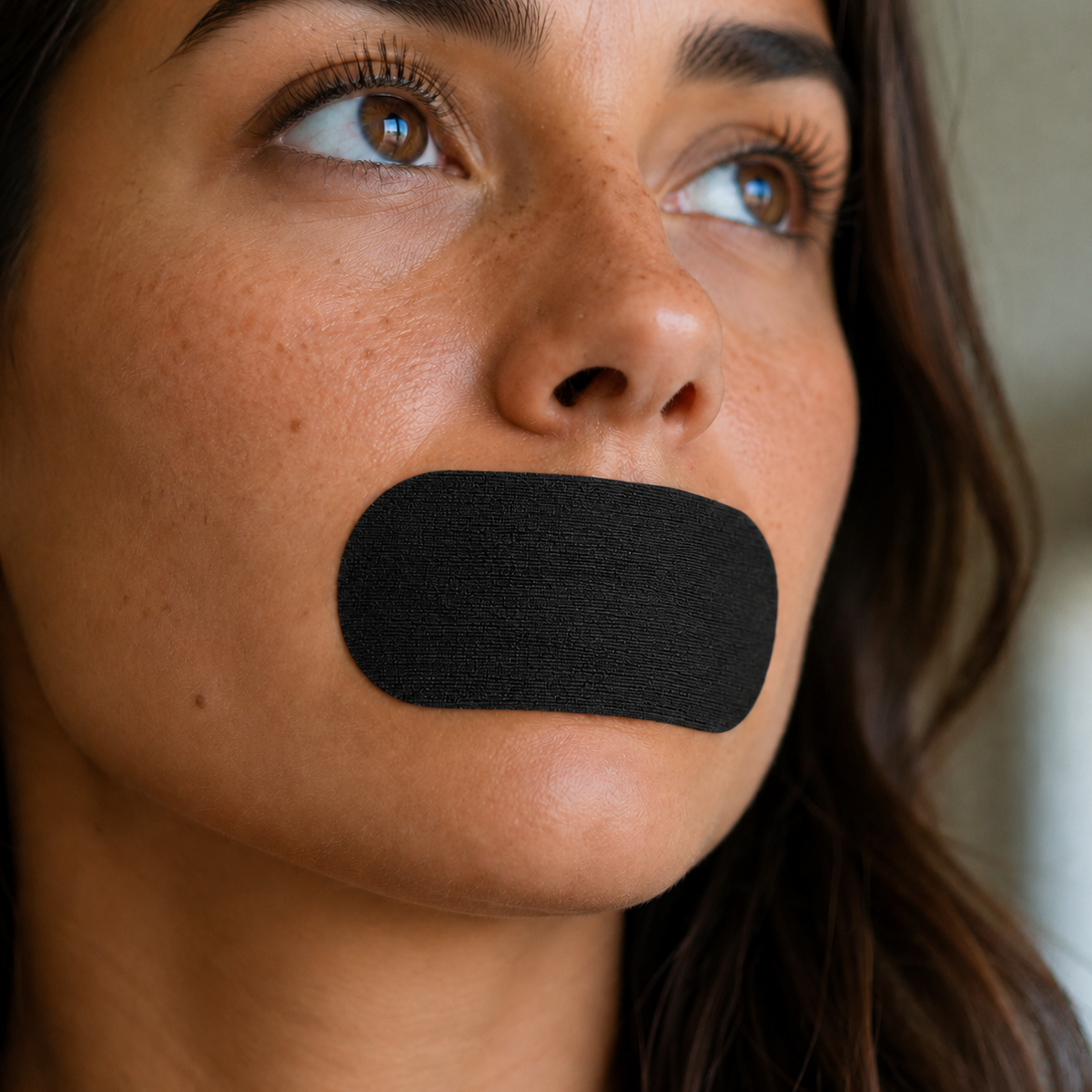
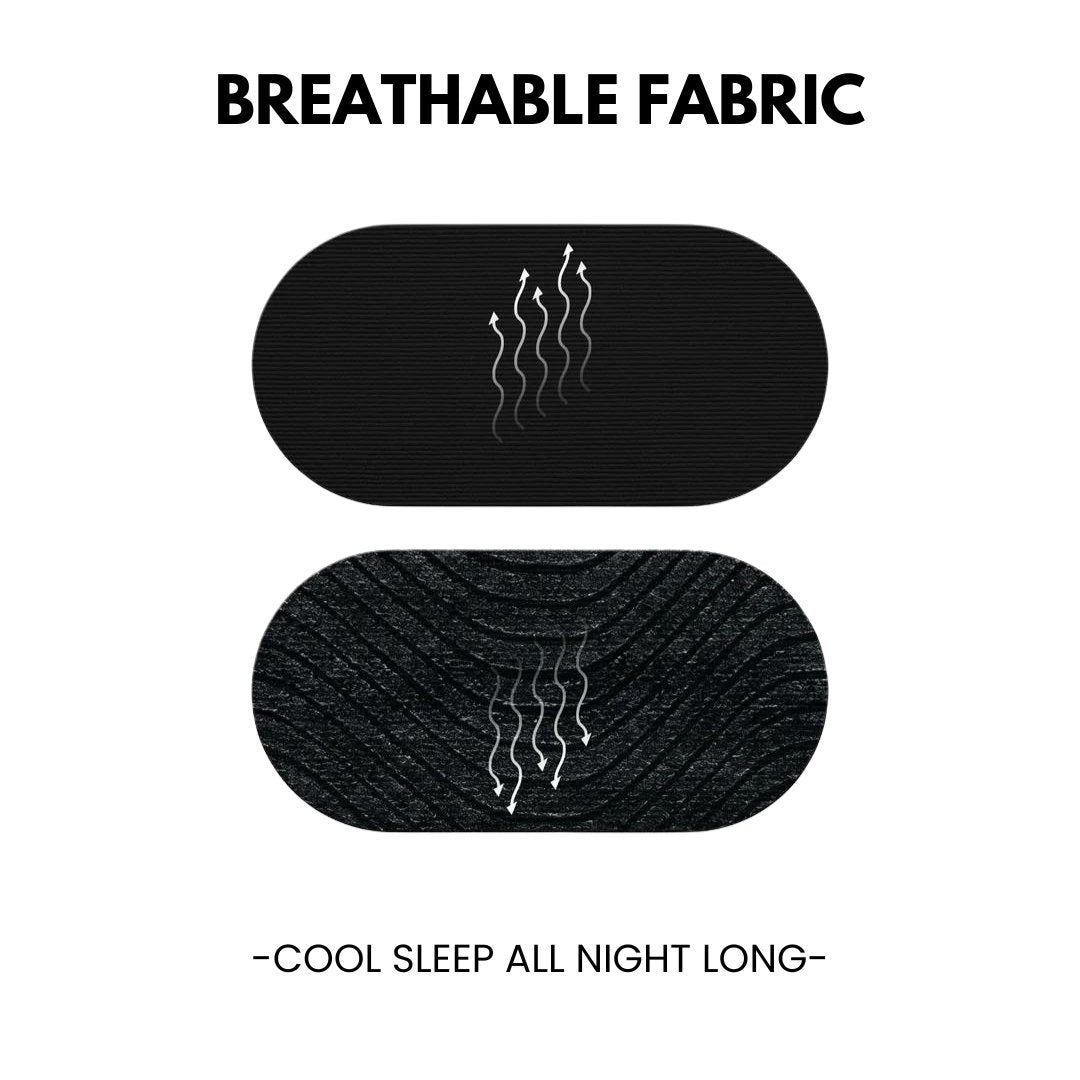
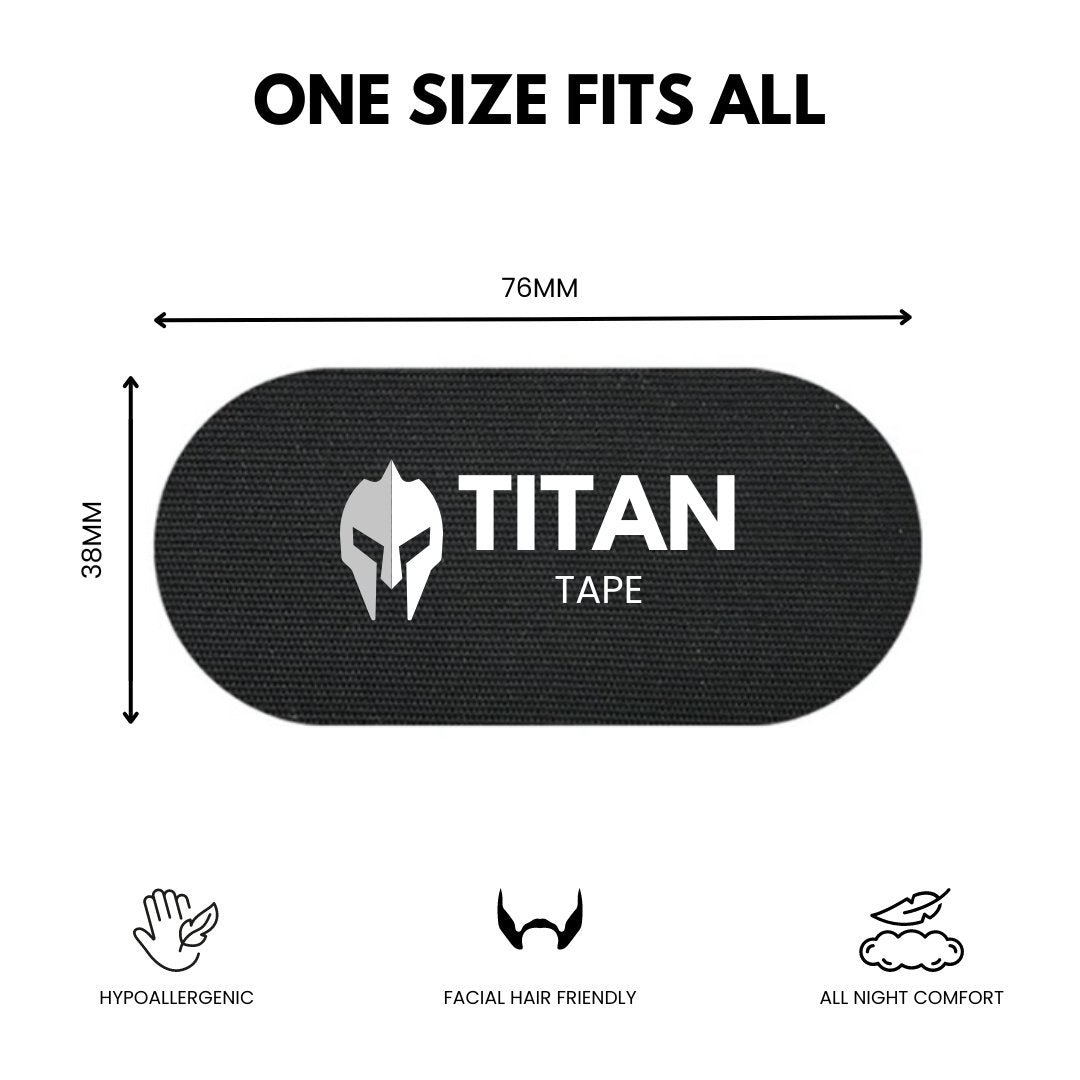
Mouth tape ensures nasal breathing throughout the night without requiring conscious effort. Every breath routes through the nasal passages, maintaining the slower, deeper breathing pattern that supports parasympathetic tone. For someone who's already implementing environmental strategies — cool room, breathable bedding, proper layers — nasal breathing addresses the internal side of the equation: the nervous system state that determines how your body regulates its own temperature.
The science behind nasal breathing also involves nitric oxide production in the paranasal sinuses. Nitric oxide acts as a vasodilator, helping regulate blood flow and, by extension, heat distribution through the body. When you mouth breathe, you bypass the sinuses entirely and lose this regulatory input. It's one more way that the nasal breathing pathway provides more complete physiological support than mouth breathing does.
To be clear: if your night sweats are caused by menopause, medication side effects, or an underlying medical condition, mouth tape alone is not going to resolve them. Those causes need to be addressed on their own terms — with your doctor, through medication adjustments, or with hormone management. But even when a primary cause has been identified and is being treated, optimizing your breathing pattern during sleep supports the overall goal of better temperature regulation and more restorative sleep.
Frequently Asked Questions
Can mouth breathing cause night sweats?
Mouth breathing doesn't directly cause sweating the way a fever or hormonal change does. However, mouth breathing is associated with sympathetic nervous system activation — the fight-or-flight state that increases body temperature, heart rate, and sweat gland activity. For people whose night sweats have a stress or autonomic component, mouth breathing during sleep may be sustaining the nervous system state that contributes to the problem.
Why do I wake up drenched in sweat?
Common causes include hormonal changes (particularly perimenopause and menopause), medication side effects (especially antidepressants), infections, stress and anxiety, sleep apnea, and other medical conditions. An overheated sleep environment can also contribute but doesn't explain true drenching sweats. If waking up sweating is a regular occurrence, see a doctor to identify the cause.
What is the best sleeping temperature for night sweats?
Most sleep experts recommend 65-68 degrees Fahrenheit for general sleep quality. If you experience night sweats, the lower end of that range — or even a few degrees below — gives your body more thermal headroom. Pair a cool room with moisture-wicking bedding and layered covers for the best results.
Do nasal strips help with night sweats?
Nasal strips don't directly affect body temperature, but they improve nasal airflow, which makes nasal breathing easier and more comfortable. Better nasal breathing supports parasympathetic nervous system activation, which supports the body's natural temperature regulation during sleep. Nasal strips paired with mouth tape ensure that every breath follows the nasal pathway all night long.
When should I worry about night sweats?
See a doctor if night sweats are persistent (more than two weeks), accompanied by unexplained weight loss, fever, or swollen lymph nodes, severe enough to regularly soak through clothing or bedding, or new and unexplained. Night sweats can be a symptom of treatable conditions including infections, thyroid disorders, and certain cancers. Don't assume they're just a comfort issue — get them evaluated.
The Bottom Line
Night sweats are a symptom with a wide range of possible causes, and the first step is always identifying what's driving them. Hormonal changes, medications, infections, and other medical conditions all require their own targeted approaches — and a doctor is the right starting point when night sweats are persistent or severe.
But the nervous system plays a significant role in body temperature regulation during sleep, and your breathing pattern directly influences your nervous system state. Mouth breathing sustains sympathetic activation; nasal breathing promotes parasympathetic dominance and the natural cooling that supports deep sleep. For people whose night sweats involve a stress or autonomic component — and as a complementary strategy alongside medical treatment for other causes — ensuring nasal breathing during sleep is a practical, passive way to support better thermoregulation.
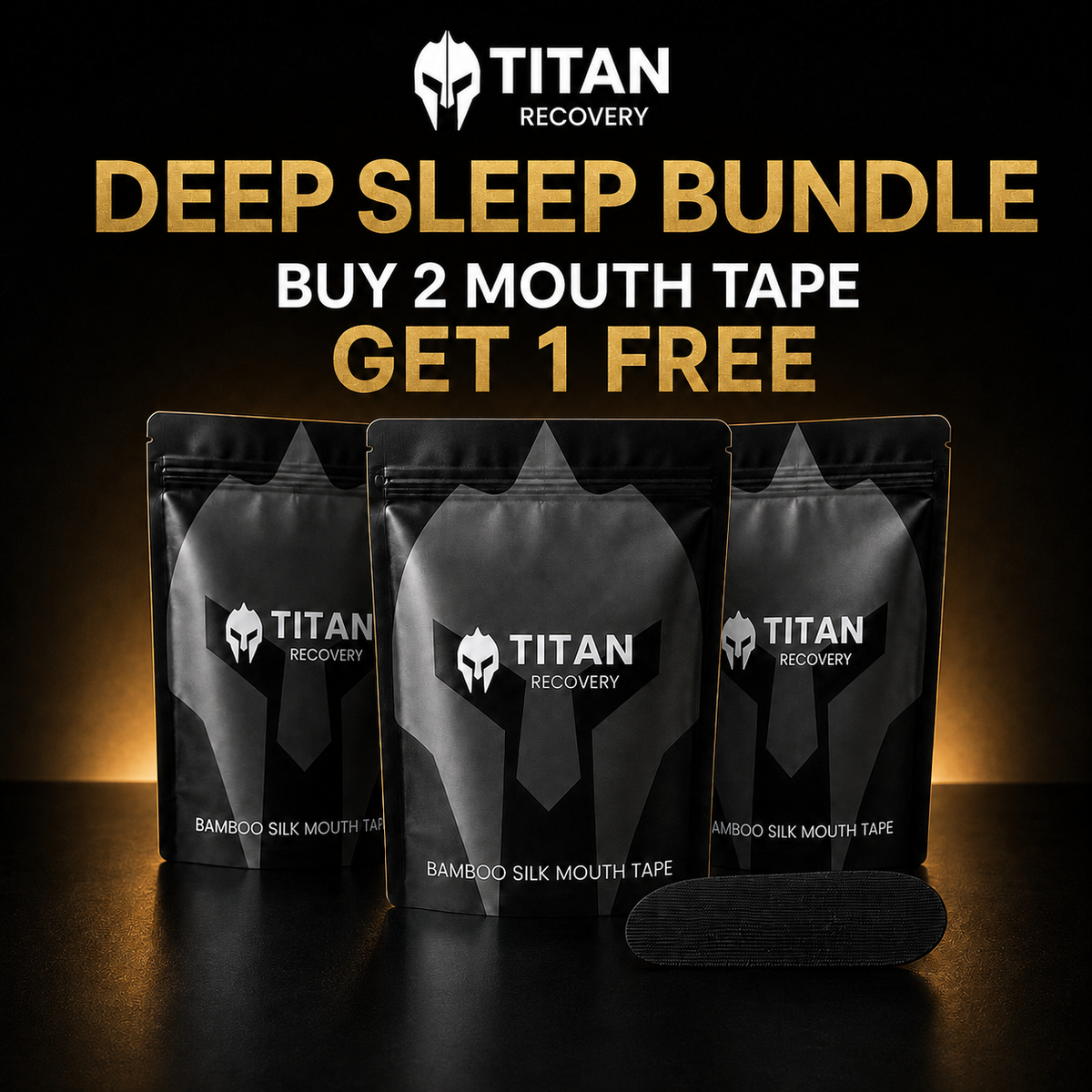
The Titan Deep Sleep Bundle combines mouth tape with nasal strips for complete nasal breathing support — gentle adhesive, all-night hold, and a Better Sleep Guarantee. When your nights are already disrupted, controlling your breathing is one of the simplest things you can do to help your body do what it's designed to do: cool down, recover, and sleep deeply.
Doctor Recommended: "As a maxillofacial surgeon and dentist, I recommend Titan Mouth Tape. Nasal breathing during sleep is essential for airway health and deep restorative rest. Titan's bamboo silk design is the most comfortable and effective mouth tape I have tested. If you struggle with snoring, dry mouth, or poor sleep quality, this is the simplest change you can make for your health." — Dr. Francois Proux, MD, DDS — Maxillofacial Surgeon
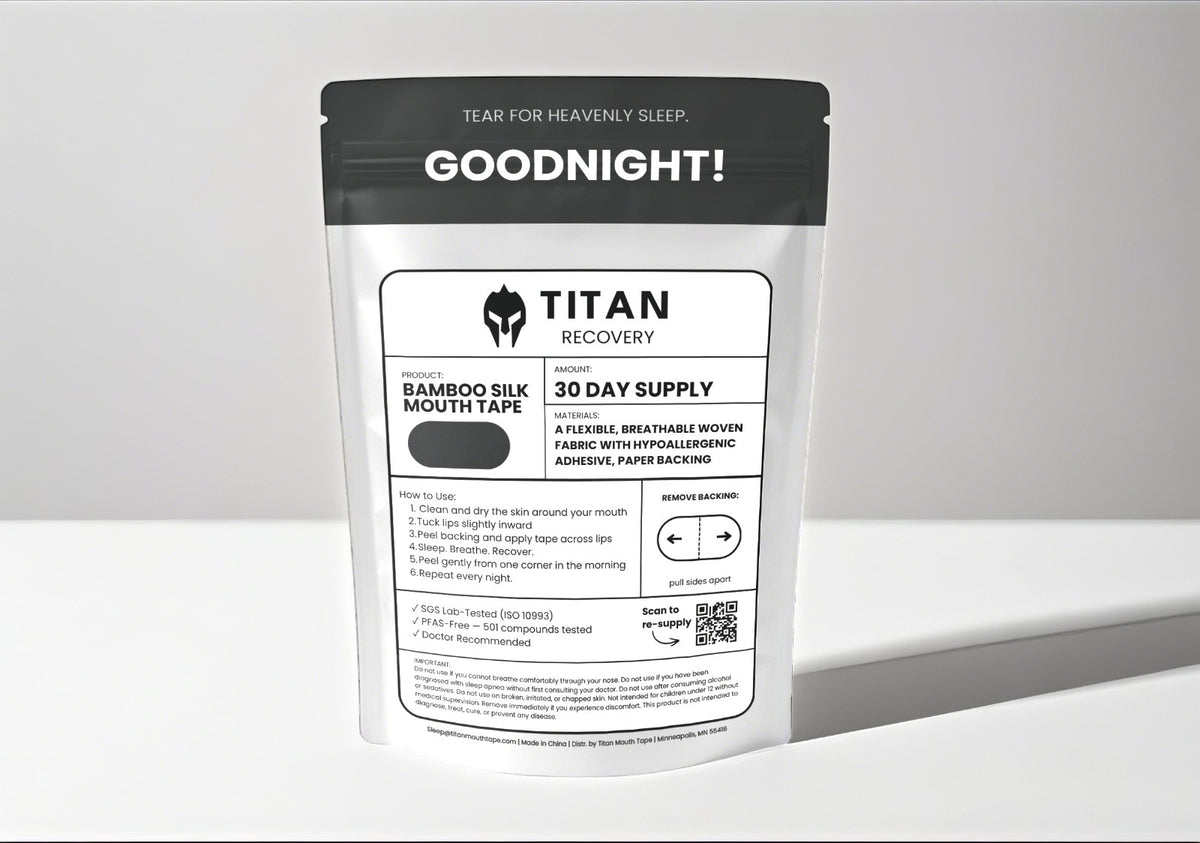
Lab-Tested Safety: Titan's adhesive is independently tested to ISO 10993 medical device standards. Non-toxic (95% cell viability). Non-allergenic (0% reaction rate). Non-irritating (score 0.0/8.0). PFAS-free — 501 compounds tested, zero detected. See full test results →
Try the complete system tonight. Titan Mouth Tape (bamboo silk, SilkSeal™ adhesive) + TitanAir Nasal Strips. Free shipping. 30-night Better Sleep Guarantee. Shop Titan Mouth Tape → · Shop TitanAir Nasal Strips →
This article is for informational purposes only and does not constitute medical advice. If you have or suspect a sleep disorder or other medical condition, consult a qualified healthcare provider before making changes to your routine.