How to Sleep With Post-Nasal Drip
Share
To sleep with post-nasal drip, prop your head up, clear and open your nasal passages before bed, and keep the air moist so mucus drains instead of pooling in your throat. Elevating your upper body, using a saline rinse, running a humidifier, and opening your nasal airway all reduce the drip-cough-wake cycle that wrecks sleep.
Post-nasal drip is the feeling of mucus running down the back of your throat — worse lying down, because gravity stops helping. Here's how to actually get through the night.
Why is post-nasal drip worse at night?
When you lie flat, mucus that would normally drain during the day collects at the back of your throat. That triggers coughing, throat-clearing, and frequent waking. Breathing through your mouth makes it worse — it dries the throat and irritates already-inflamed tissue.
How to sleep with post-nasal drip
1. Elevate your head. Add a pillow or raise the head of the bed a few inches so gravity helps mucus drain instead of pooling.
2. Clear your nose before bed. A saline spray or rinse flushes mucus and allergens so you start the night clearer.
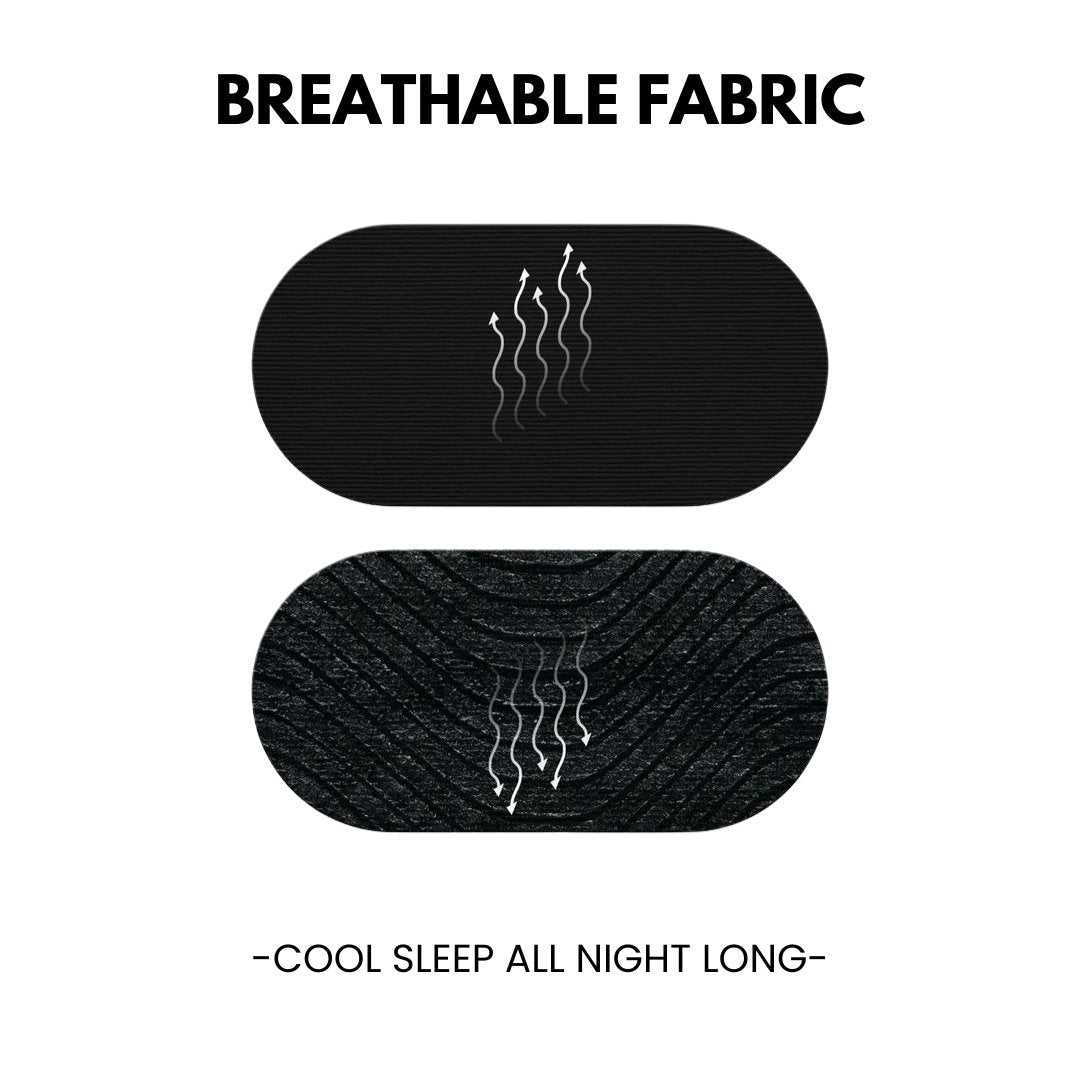
3. Open your nasal airway. If your nose feels narrow or blocked, a nasal strip lifts the nasal passages open so you can breathe through your nose instead of your mouth — which keeps your throat from drying out.
4. Humidify the room. Dry air thickens mucus. A humidifier keeps it thin and easier to drain.
5. Breathe through your nose, not your mouth. Nasal breathing filters and humidifies air before it hits your throat. Keeping your mouth closed with mouth tape can reduce the throat-drying that makes the drip-cough worse — once your nose is clear enough to breathe through comfortably.
6. Avoid late triggers. Dairy, alcohol, and big meals close to bed can thicken mucus or worsen reflux-related drip.
When should you see a doctor?
See a doctor if post-nasal drip lasts more than a few weeks, comes with thick or discolored mucus, fever, or wheezing. Persistent drip can point to allergies, sinus infection, or reflux that needs treatment. The tips above help you sleep through it — they don't replace care for an underlying condition.
Frequently asked questions
What sleeping position is best for post-nasal drip? On your side with your head elevated. It keeps the airway open and helps mucus drain rather than pooling at the back of your throat.
Do nasal strips help with post-nasal drip? They don't stop the mucus, but by opening your nasal airway they help you breathe through your nose instead of your mouth, which keeps your throat from drying out overnight.
Should I use mouth tape with post-nasal drip? Only once your nose is clear enough to breathe through comfortably — clear and open the nose first (saline, nasal strip), then mouth tape helps keep you nasal-breathing so your throat stays moist.