Do Amber Glasses Help You Sleep? What Blue Light Does
Share
Amber glasses can help you sleep by blocking the blue light that suppresses melatonin in the hours before bed. Worn for 1–2 hours before sleep, amber- or red-tinted lenses filter the short-wavelength light from screens and LED bulbs that tells your brain it's still daytime — so your body can start winding down on schedule.
Blue light is only one of several levers for better sleep, but it's one of the easiest to control. Here's what amber glasses actually do, how to use them, and where they fit alongside the other habits that matter more.
How does blue light affect sleep?
Blue light suppresses melatonin, the hormone that signals your body it's time to sleep. Your brain uses light to set its internal clock. Bright, blue-heavy light in the evening — phones, laptops, TVs, LED bulbs — mimics daylight and delays the release of melatonin, pushing your natural sleep time later and making it harder to fall asleep.
Do amber glasses actually work?
Amber and red-tinted lenses block a large share of blue light, and studies suggest wearing them in the evening can improve sleep onset and quality. They aren't magic — they work by removing one disruptive input, not by sedating you. The darker the tint (true amber or red beats light yellow), the more blue light is filtered.
When and how should you wear them?
Put them on 1–2 hours before bed and keep them on until you turn out the lights. A few tips to get the most out of them:
- Choose genuine amber or red lenses, not lightly tinted "blue-light" glasses, for real filtering.
- Wear them for any evening screen time, reading under LED light, or bright bathroom lighting.
- Pair them with dimmer, warmer lighting in the house after sunset for a bigger effect.
What matters more than blue light for sleep?
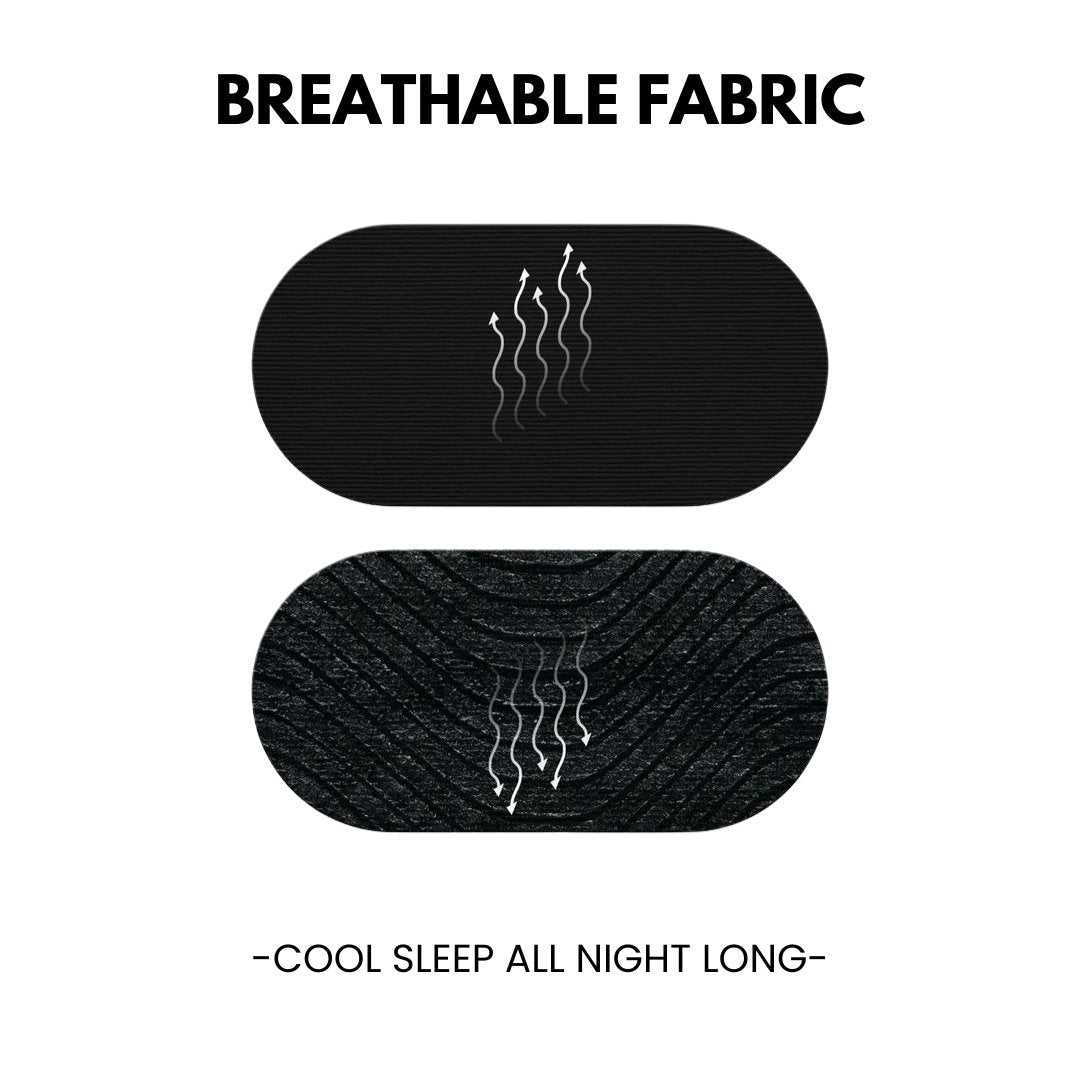
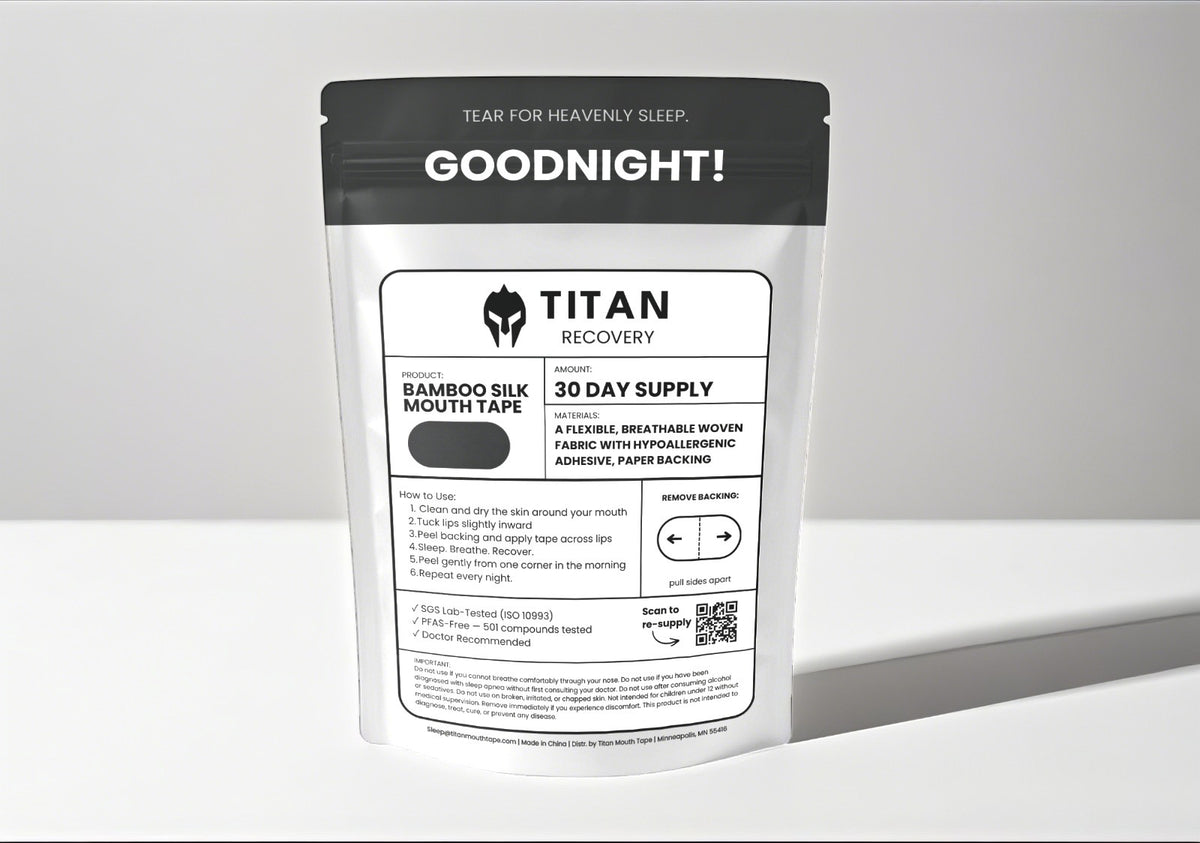
Amber glasses help, but they won't fix fragmented sleep caused by how you breathe at night. If you wake up tired, dry-mouthed, or groggy despite a full night in bed, the bigger issue is often mouth breathing. Keeping your mouth closed so you breathe through your nose keeps you in deeper, less interrupted sleep. Many people pair an evening wind-down (amber glasses, dim light, no late caffeine) with Titan bamboo silk mouth tape at night for the full effect. For more on the mechanism, see how mouth taping works.
Frequently asked questions
Do amber glasses replace night mode on my phone? They go further. Night mode reduces some blue light, but glasses filter all the light reaching your eyes — including room lighting — so they're more complete.
How long before bed should I put them on? One to two hours before your target sleep time, and keep them on until lights out.
Are they safe to wear every night? Yes. They simply filter light and have no side effects.