How High Cortisol Wrecks Your Sleep
Share
The relationship between cortisol and sleep is a vicious cycle: stress raises cortisol, high cortisol prevents deep sleep, poor sleep raises cortisol further, and the loop tightens night after night. If you've ever been exhausted but unable to fall asleep, or woken at 3 AM with a racing mind and couldn't get back down, elevated cortisol is likely the mechanism behind it. Breaking the cycle doesn't require medication — it requires understanding what cortisol does at night and using the right tools to bring it down before bed.
Cortisol isn't the enemy. It's a hormone your body needs — it drives alertness in the morning, mobilizes energy during exercise, and regulates inflammation. The problem starts when cortisol stays elevated at the wrong times, especially in the hours when your body should be preparing for sleep.
How Cortisol Is Supposed to Work
In a healthy system, cortisol follows a predictable daily pattern called the cortisol awakening response. Levels peak within 30-45 minutes of waking up — this is by design. That morning cortisol surge is what makes you alert, focused, and ready to move. From that peak, cortisol gradually declines throughout the day, reaching its lowest point around midnight. This decline is one of the key signals that allows melatonin to rise and deep sleep to begin.
When the system works correctly, cortisol and melatonin operate on opposite schedules. As one goes up, the other comes down. They're not directly antagonistic — they're regulated by different mechanisms — but they functionally oppose each other. High cortisol suppresses the conditions melatonin needs to do its job. And without adequate melatonin signaling, the body struggles to enter and maintain deep, restorative sleep stages.
What Goes Wrong: The Cortisol-Sleep Cycle
Chronic stress — whether from work, relationships, financial pressure, health concerns, or even just the ambient information overload of modern life — disrupts this pattern. The hypothalamic-pituitary-adrenal (HPA) axis, which controls cortisol release, stops following the normal rhythm. Instead of declining in the evening, cortisol stays elevated. Sometimes it even spikes at night.
Difficulty falling asleep. Elevated cortisol at bedtime keeps the sympathetic nervous system engaged. Heart rate stays higher. Body temperature stays elevated. The brain stays in a state of low-grade alertness that's incompatible with sleep onset. You might feel physically tired but mentally wired — a hallmark of cortisol-driven insomnia.
Waking in the middle of the night. Cortisol levels naturally reach their lowest point around 2-4 AM, then begin to rise in preparation for morning. In people with dysregulated cortisol, this rise happens earlier and more abruptly — often producing a 3 AM wake-up where the mind immediately snaps to full alertness. This isn't random. It's cortisol surging ahead of schedule.
Reduced deep sleep. Even when you stay asleep, elevated cortisol reduces time spent in slow-wave (deep) sleep. Deep sleep is where growth hormone is released, tissue repair happens, and immune function is maintained. Research shows that even moderately elevated evening cortisol can reduce deep sleep by 10-20%, which over time produces the chronic fatigue, brain fog, and immune vulnerability that characterize burnout. Being tired after a full eight hours is one of the clearest signs that cortisol is interfering with sleep architecture.
The feedback loop. Poor sleep raises baseline cortisol the next day. Higher daytime cortisol makes you more reactive to stress. More stress raises evening cortisol. Worse sleep follows. This is why the cortisol-sleep problem tends to escalate — each bad night makes the next one slightly harder, and willpower alone doesn't break the loop because the mechanism is hormonal, not behavioral.
How Nasal Breathing Downregulates Cortisol
This is where the conversation shifts from problem to solution. One of the most direct ways to lower cortisol before and during sleep is through the breath — specifically, nasal breathing.
Breathing through the nose activates the parasympathetic nervous system via the vagus nerve. The vagus nerve is the longest cranial nerve in the body, running from the brainstem through the throat and into the chest and abdomen. When stimulated, it triggers a cascade of calming effects: heart rate slows, blood pressure drops, and — critically — cortisol production decreases. The parasympathetic activation from nasal breathing is not a placebo effect. It's a measurable physiological response that has been documented in multiple research settings.
Nasal breathing produces nitric oxide. The paranasal sinuses produce nitric oxide during nasal breathing, which acts as a vasodilator — it relaxes blood vessels and improves oxygen delivery. This reduces the cardiovascular stress signals that contribute to cortisol release. Mouth breathing bypasses this entirely.
Nasal breathing engages the diaphragm. Breathing through the nose naturally promotes deeper, slower, diaphragmatic breathing. This pattern directly stimulates the vagus nerve and shifts the nervous system away from the fight-or-flight state that cortisol supports. Mouth breathing, by contrast, tends to be shallower and more chest-driven — a pattern that maintains sympathetic activation.
Nasal breathing supports HRV. Heart rate variability — the variation in time between heartbeats — is one of the best indicators of parasympathetic tone. Higher HRV correlates with lower stress reactivity and better cortisol regulation. Nasal breathing during sleep has been shown to improve HRV, which over time helps recalibrate the cortisol rhythm toward its normal pattern.
An Evening Routine to Lower Cortisol
Breaking the cortisol-sleep cycle requires consistent intervention in the 1-2 hours before bed. No single step is a magic fix, but stacked together, these practices reliably bring cortisol down to levels compatible with deep sleep.
90 minutes before bed: cut stimulation. The stress response doesn't distinguish between a work email and a saber-toothed tiger. Anything that triggers cognitive engagement, worry, or problem-solving keeps cortisol elevated. Put the phone in another room. Close the laptop. Stop consuming information that activates the decision-making or threat-assessment centers of the brain. This isn't about being disciplined — it's about removing the inputs that keep cortisol artificially high.
60 minutes before bed: dim the lights. Bright light, especially from overhead sources and screens, suppresses melatonin and can stimulate cortisol. Switch to warm, low-level lighting. If you must use a screen, night mode plus genuinely passive content (nothing that generates anxiety or requires decisions). The light shift sends a circadian signal that it's time for cortisol to decline and melatonin to rise.
30 minutes before bed: nasal breathing exercise. Sit or lie comfortably and breathe exclusively through the nose. Try a 4-7-8 pattern: inhale through the nose for 4 counts, hold for 7, exhale slowly for 8. The extended exhalation is what drives vagus nerve stimulation and cortisol reduction. Five to six rounds is enough to produce a noticeable shift — heart rate slows, shoulders drop, the mental noise quiets. This isn't meditation in the spiritual sense. It's a targeted physiological intervention that happens to use the breath as its lever.
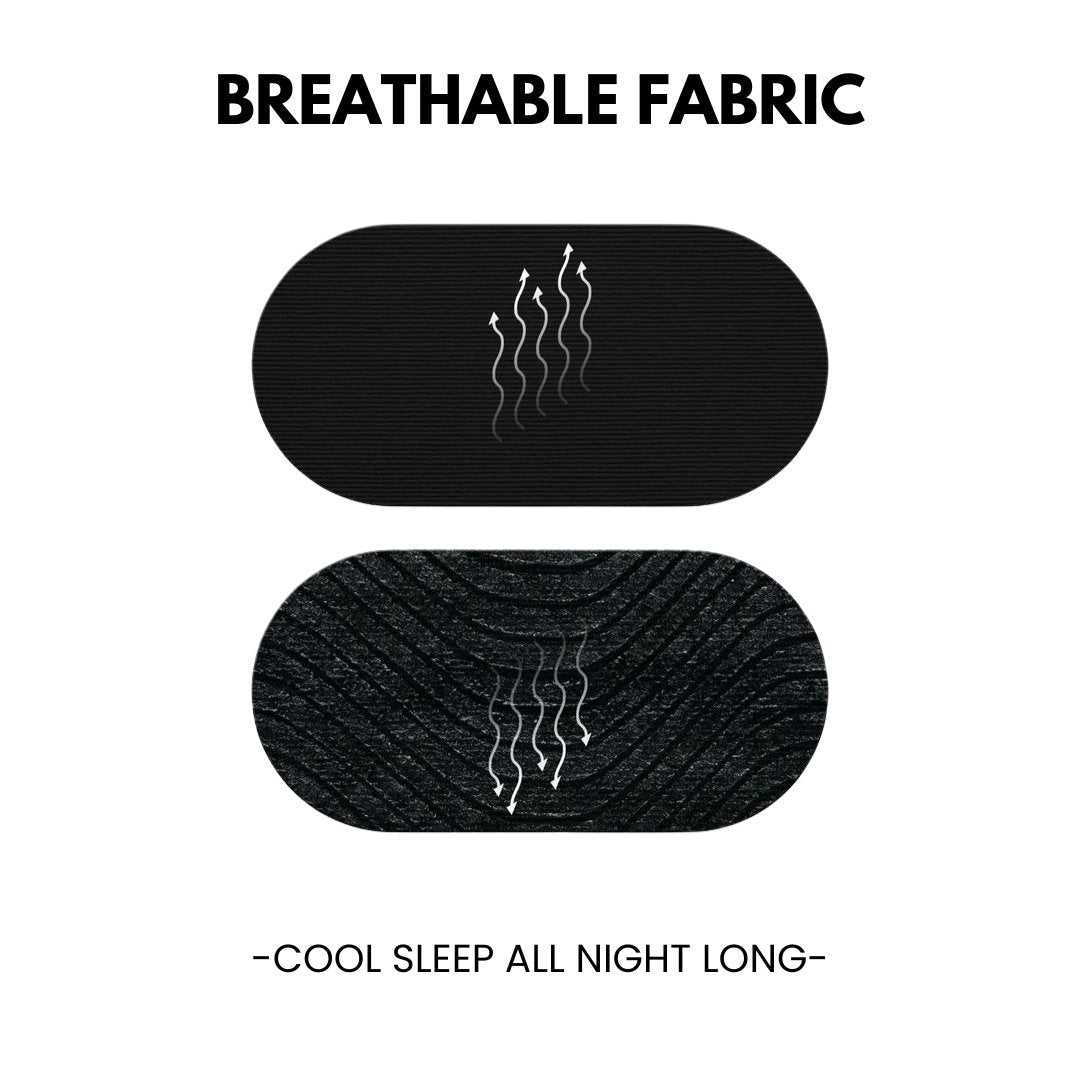
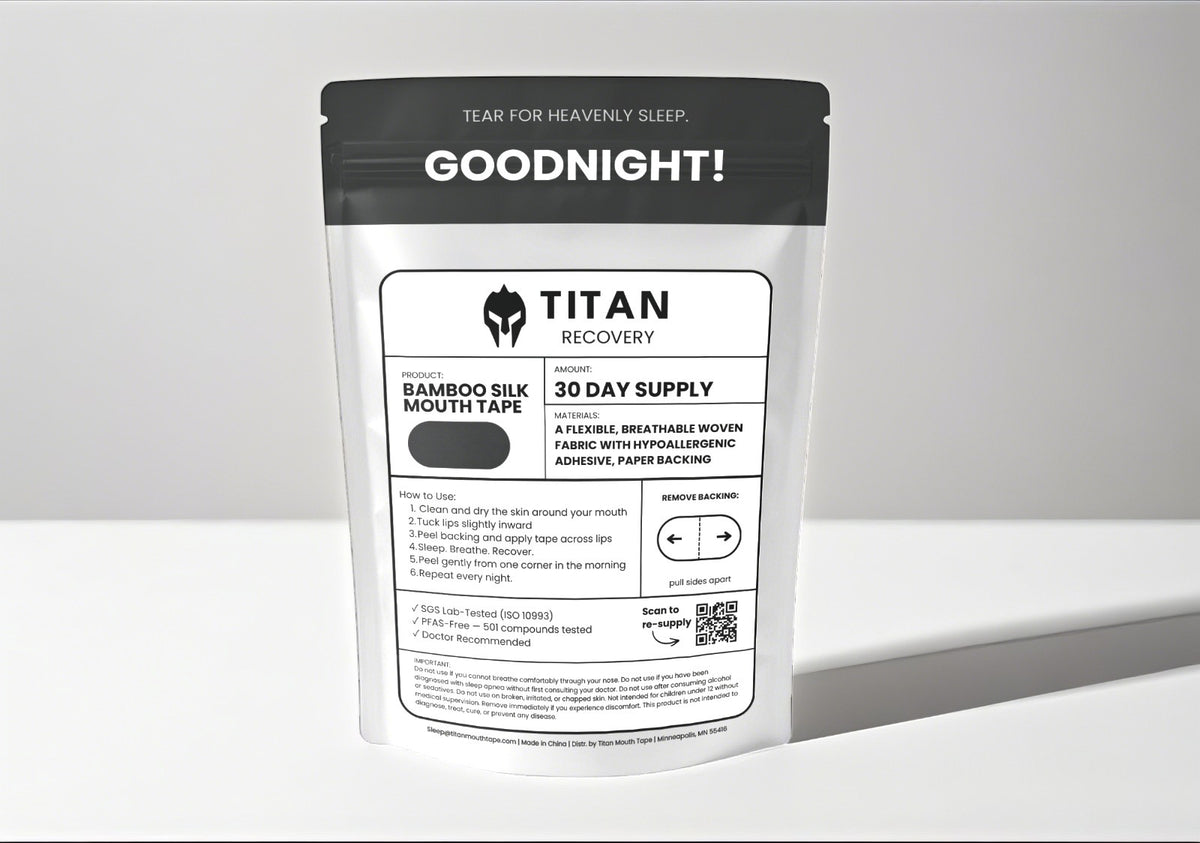
At bedtime: apply mouth tape. You've just spent 30 minutes activating the parasympathetic nervous system through nasal breathing. Mouth tape ensures that state continues for the next 7-8 hours instead of being undone by the jaw falling open and breathing reverting to the mouth. It's the bridge between a conscious pre-sleep breathing practice and unconscious breathing during sleep. Without it, the parasympathetic benefits you built during the breathing exercise dissipate within the first sleep cycle.
Support the airway. If nasal congestion makes it difficult to breathe exclusively through the nose, add nasal strips to mechanically widen the nasal passages. The Deep Sleep Bundle combines mouth tape and nasal strips for exactly this purpose — keeping the mouth closed and the nose open so nasal breathing can do its work on cortisol all night.
What This Looks Like Over Time
The cortisol-sleep cycle didn't develop overnight, and it doesn't resolve overnight. But the timeline for improvement is shorter than most people expect.
Nights 1-3: Most people notice they fall asleep faster and wake with less dry mouth. The cortisol effect isn't dramatic yet, but the parasympathetic shift from nasal breathing is noticeable.
Weeks 1-2: The 3 AM wake-ups become less frequent. Sleep feels more continuous. If you track HRV, you may see it begin to trend upward — an early sign that the vagal tone is improving and cortisol regulation is shifting.
Weeks 3-4: Daytime stress reactivity begins to change. Not because life is less stressful, but because better sleep lowers baseline cortisol, which increases the buffer between normal functioning and the stress threshold. You handle the same situations with less physiological activation. The anxiety and stress relief benefits of mouth taping aren't separate from the cortisol benefits — they're the same mechanism expressing itself during the day.
Frequently Asked Questions
Can mouth tape actually lower cortisol?
Mouth tape itself doesn't directly lower cortisol. What it does is maintain nasal breathing throughout the night, which activates the parasympathetic nervous system via the vagus nerve. That parasympathetic activation is what downregulates cortisol production. The tape is the mechanism that keeps nasal breathing going while you're unconscious — it's the delivery system, not the active ingredient.
How do I know if my cortisol is too high at night?
Common signs include difficulty falling asleep despite being tired, waking between 2-4 AM with a racing or alert mind, feeling wired but exhausted at bedtime, and waking up feeling unrested even after adequate sleep duration. If you track HRV with a wearable, consistently low nighttime HRV can indicate elevated cortisol. A doctor can also test salivary cortisol at multiple points during the day if you want clinical confirmation.
Will a breathing exercise before bed really make a difference?
Yes, and the research supports it. Extended-exhalation breathing patterns (like 4-7-8) have been shown to reduce heart rate, lower blood pressure, and decrease cortisol within minutes. The key is consistency — a single session helps, but the benefits compound over days and weeks of nightly practice as the nervous system recalibrates its baseline.
Should I stop taking my sleep supplement if I start using mouth tape?
Don't change any supplement or medication routine without discussing it with your doctor. Mouth tape addresses a mechanical problem — keeping the airway in its optimal configuration during sleep. Supplements like magnesium or melatonin address different aspects of sleep. They can work together. Some people find they naturally need fewer supplements once their breathing is optimized, but that's a gradual, individual process.
Is this the same as what therapists call "sleep anxiety"?
Related but not identical. Sleep anxiety is the psychological dread of not being able to sleep, which itself raises cortisol and makes sleep harder. The cortisol-sleep cycle described here is a broader hormonal pattern that can exist with or without conscious anxiety. Someone can have elevated nighttime cortisol from chronic daytime stress without ever feeling anxious about sleep itself. Addressing the cortisol cycle through nasal breathing can help with both.
The Bottom Line
The cortisol-sleep cycle is real, it's common, and it doesn't fix itself. High evening cortisol prevents deep sleep, poor sleep raises cortisol the next day, and the loop compounds. Breaking it requires bringing cortisol down before bed — through reduced stimulation, dimmed lights, and nasal breathing — and keeping it down through the night with consistent nasal breathing during sleep.
Mouth tape is the simplest tool for ensuring that the parasympathetic state you build before bed persists through all your sleep cycles. It's not a cortisol drug. It's a mechanical intervention that lets your body's own calming systems work the way they're designed to — all night, every night. Start with the evening breathing exercise, add the tape, and give it two weeks. The cycle breaks faster than you'd expect once you stop reinforcing it.
Doctor Recommended: "As a maxillofacial surgeon and dentist, I recommend Titan Mouth Tape. Nasal breathing during sleep is essential for airway health and deep restorative rest. Titan's bamboo silk design is the most comfortable and effective mouth tape I have tested. If you struggle with snoring, dry mouth, or poor sleep quality, this is the simplest change you can make for your health." — Dr. Francois P., MD, DDS — Maxillofacial Surgeon
Lab-Tested Safety: Titan's adhesive is independently tested to ISO 10993 medical device standards. Non-toxic (95% cell viability). Non-allergenic (0% reaction rate). Non-irritating (score 0.0/8.0). PFAS-free — 501 compounds tested, zero detected. See full test results →
Try the complete system tonight. Titan Mouth Tape (bamboo silk, SilkSeal™ adhesive) + TitanAir Nasal Strips. Free shipping. 30-night Better Sleep Guarantee. Shop Titan Mouth Tape → · Shop TitanAir Nasal Strips →
This article is for informational purposes only and does not constitute medical advice. If you have or suspect a sleep disorder or other medical condition, consult a qualified healthcare provider before making changes to your routine.