Can Mouth Taping Help With Brain Fog?
Share
If you're searching whether mouth taping can clear brain fog, here's the grounded answer: mouth taping won't sharpen your mind on its own, but if your fog is downstream of poor, mouth-breathing sleep, supporting nasal breathing at night can improve the sleep quality that daytime focus depends on. The lever is sleep — mouth taping is one way to pull it.
Let's look at how nighttime breathing connects to next-day clarity, and what's realistic to expect.
What Brain Fog Actually Is
"Brain fog" isn't a medical diagnosis — it's a description of feeling mentally slow, unfocused, and forgetful. It has many drivers: stress, dehydration, diet, certain medications, hormonal shifts, and — very commonly — poor sleep. When people track down the cause of persistent fog, unrefreshing sleep is one of the most frequent culprits.
That's the thread worth pulling if your nights involve snoring, a dry mouth on waking, or the sense that you slept but don't feel rested.
How Mouth Breathing Undermines the Sleep Behind Focus
Your brain does its recovery work during deep and REM sleep — consolidating memory, clearing metabolic waste, and resetting attention systems. Anything that fragments those stages blunts next-day cognition.
Mouth breathing tends to fragment sleep. An open-mouth posture destabilizes the airway, making snoring and micro-arousals more likely, and it pulls you into lighter, less restorative sleep. You may spend eight hours in bed and still wake foggy because the quality was poor. Nasal breathing, by contrast, supports steadier, deeper sleep and delivers the physiological benefits of breathing through your nose. Our explainer on nasal breathing and oxygen covers the mechanism, and how mouth tape works explains how closing the mouth supports it.
So the chain is: mouth breathing → lighter, more fragmented sleep → poorer overnight brain recovery → daytime fog. Break the first link and the last one often improves.
Can Mouth Taping Realistically Help?
If mouth breathing is degrading your sleep, then yes — encouraging nasal breathing can improve sleep quality, and better sleep is the most reliable lever for clearer thinking. Many people who start mouth taping report waking less groggy and feeling sharper, and the most plausible reason is simply better sleep, not anything magic about the tape.
Be realistic about the boundaries. Mouth taping won't help fog caused by stress, dehydration, diet, or a medical condition. And if your fog comes with loud snoring, gasping, or genuine daytime sleepiness, that points toward sleep apnea — which mouth taping does not treat and which needs medical evaluation. Our overview of who should avoid mouth tape covers those cases.
How to Test It for Yourself
Rule out the obvious first. Hydration, a consistent sleep schedule, and cutting late caffeine and alcohol resolve a lot of fog on their own.
Make sure you can breathe through your nose. Taping only helps if your nasal airway is clear. If you're congested, open it with a saline rinse or nasal strips first.
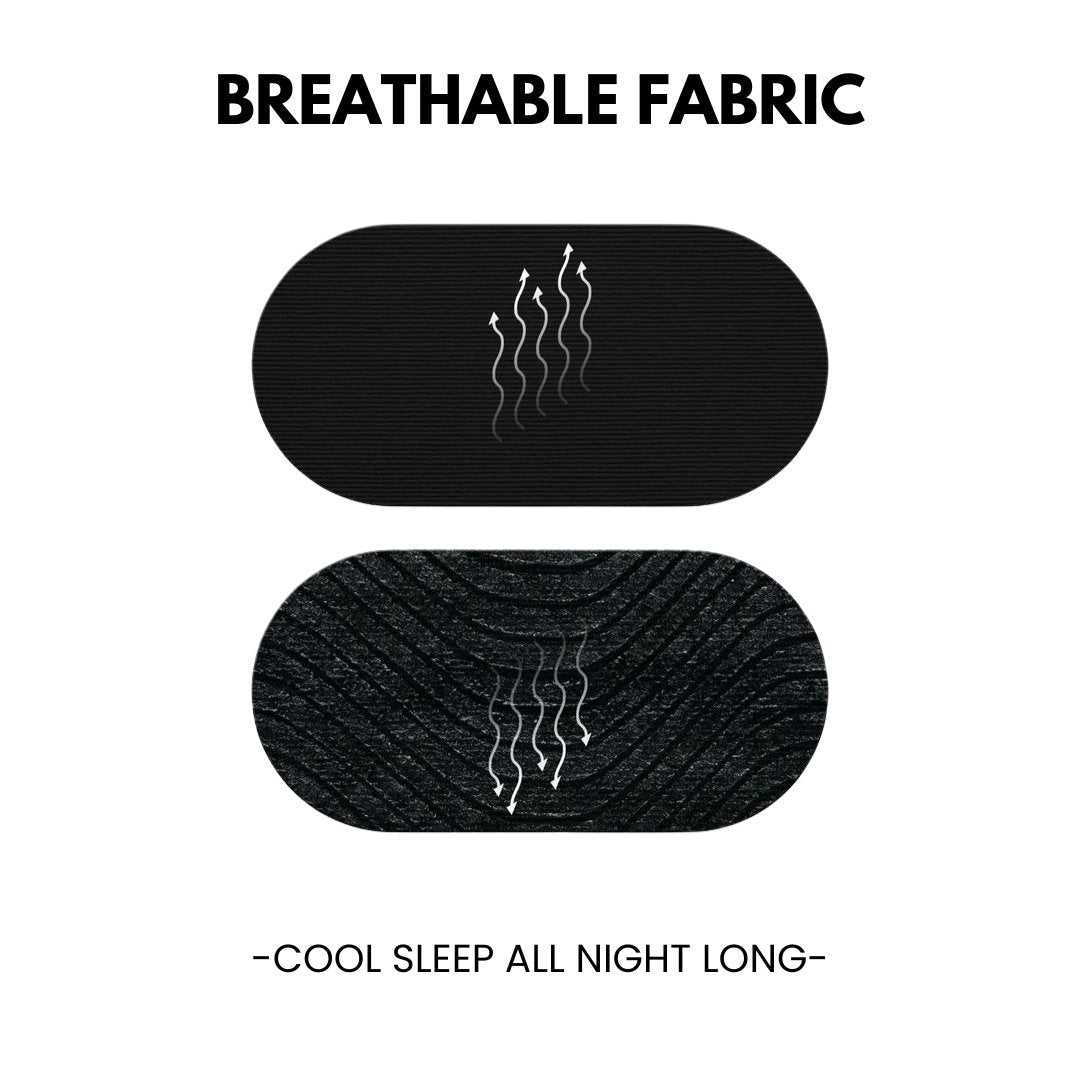
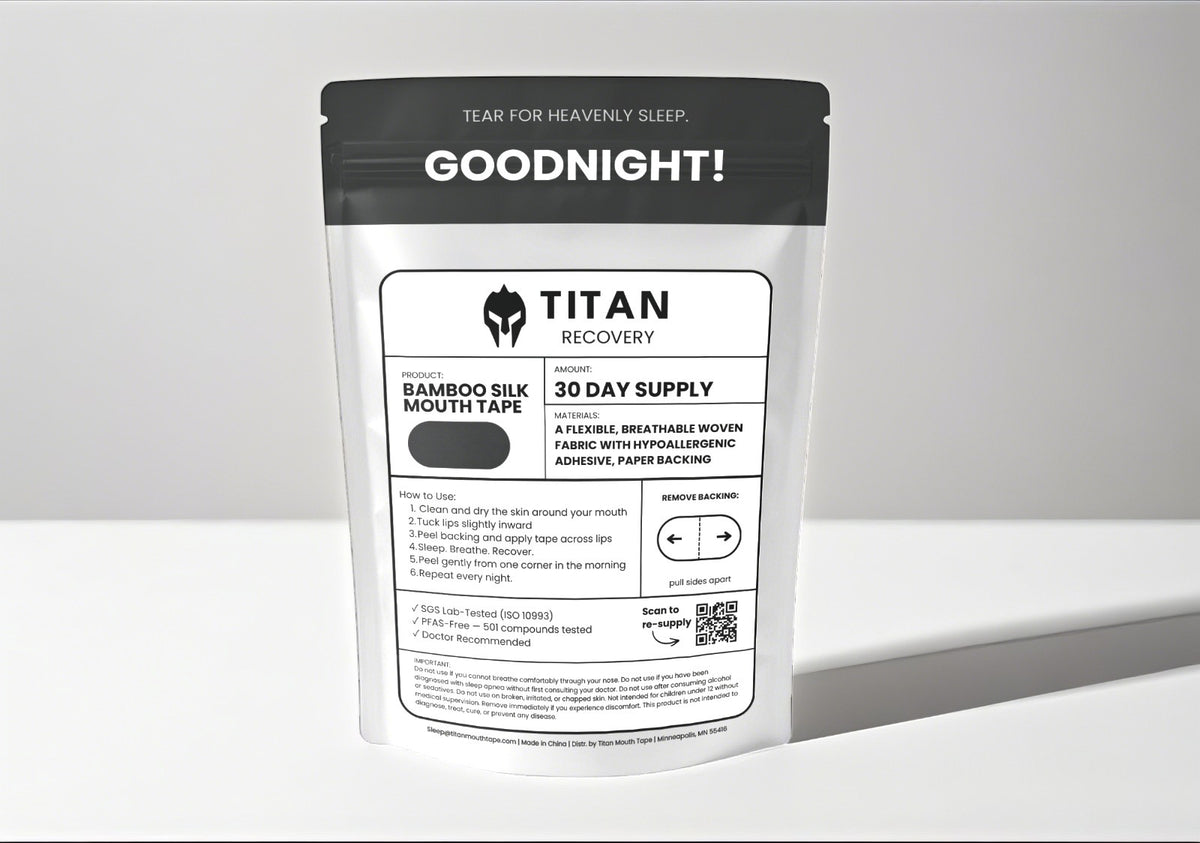
Try mouth taping for two to three weeks. Give it enough time to see a pattern rather than judging a single night. Start with our beginner's guide and a comfortable, skin-friendly option like our bamboo silk mouth tape.
Track how you feel. Note morning grogginess, mid-afternoon focus, and dry mouth. If nasal breathing was part of your fog, you'll usually notice steadier energy and clearer mornings.
Does mouth breathing lower oxygen to the brain?
Mouth breathing is less efficient than nasal breathing and is linked to more fragmented sleep, which reduces overnight brain recovery. The bigger factor for most people isn't a dramatic oxygen drop but the poorer sleep quality that comes with an unstable airway.
How fast would mouth taping improve my focus?
If poor sleep is your issue, some people notice fresher mornings within a week, but give it two to three weeks to judge fairly. If nothing changes, mouth breathing probably wasn't the driver.
Could brain fog mean sleep apnea?
It can. Persistent fog with loud snoring, gasping, or daytime sleepiness is a reason to get evaluated for sleep apnea — a condition mouth taping does not treat.
The Bottom Line
Mouth taping isn't a nootropic, but brain fog is very often a sleep problem, and mouth breathing is a common reason sleep quality suffers. If you can breathe through your nose and you've ruled out apnea, supporting nasal breathing — with nasal strips to open the airway and mouth tape to keep it closed — is a low-cost way to improve the sleep your focus depends on. Give it a few weeks, track how your mornings feel, and see a doctor if fog persists alongside heavy snoring or daytime sleepiness.
Doctor Recommended: "As a maxillofacial surgeon and dentist, I recommend Titan Mouth Tape. Nasal breathing during sleep is essential for airway health and deep restorative rest. Titan's bamboo silk design is the most comfortable and effective mouth tape I have tested. If you struggle with snoring, dry mouth, or poor sleep quality, this is the simplest change you can make for your health." — Dr. Francois P., MD, DDS — Maxillofacial Surgeon
Lab-Tested Safety: Titan's adhesive is independently tested to ISO 10993 medical device standards. Non-toxic (95% cell viability). Non-allergenic (0% reaction rate). Non-irritating (score 0.0/8.0). PFAS-free — 501 compounds tested, zero detected. See full test results →
Try the complete system tonight. Titan Mouth Tape (bamboo silk, SilkSeal™ adhesive) + TitanAir Nasal Strips. Free shipping. 30-night Better Sleep Guarantee. Shop Titan Mouth Tape → · Shop TitanAir Nasal Strips →