Your Dentist Might Not Tell You This: How Mouth Breathing Causes Cavities
Share
Your Dentist Might Not Tell You This: How Mouth Breathing Causes Cavities
Good brushing, good flossing, still getting cavities? Your mouth might be open all night.
If your dentist keeps finding new cavities despite your diligent brushing, flossing, and twice-yearly cleanings — the problem may not be your hygiene. It may be what happens after you brush: eight hours of mouth breathing that undoes everything your toothbrush just did.
The Role of Saliva in Dental Health
Saliva does more than keep your mouth moist. It actively protects your teeth by neutralizing acids produced by bacteria, washing away food debris, delivering minerals like calcium and phosphate that remineralize weakened enamel, and maintaining a pH balance that inhibits the growth of decay-causing organisms. Without adequate saliva, your teeth are exposed to a relentless acid attack all night long.
How Mouth Breathing Destroys Saliva Protection
When your mouth is open during sleep, the constant airflow evaporates saliva. The oral environment shifts from a neutral, protected state to a dry, acidic one. Bacteria like Streptococcus mutans — the primary driver of tooth decay — thrive in these conditions. Over months and years of nightly mouth breathing, even the best oral hygiene routine cannot compensate for eight hours of zero saliva protection.
What Dentists Are Starting to Recognize
Forward-thinking dentists and dental hygienists are increasingly identifying mouth breathing as a modifiable risk factor for dental decay. Some are recommending mouth taping as part of a comprehensive oral health plan — not as a replacement for hygiene, but as a way to maintain the salivary protection that hygiene alone cannot sustain overnight.
Protect Your Teeth While You Sleep
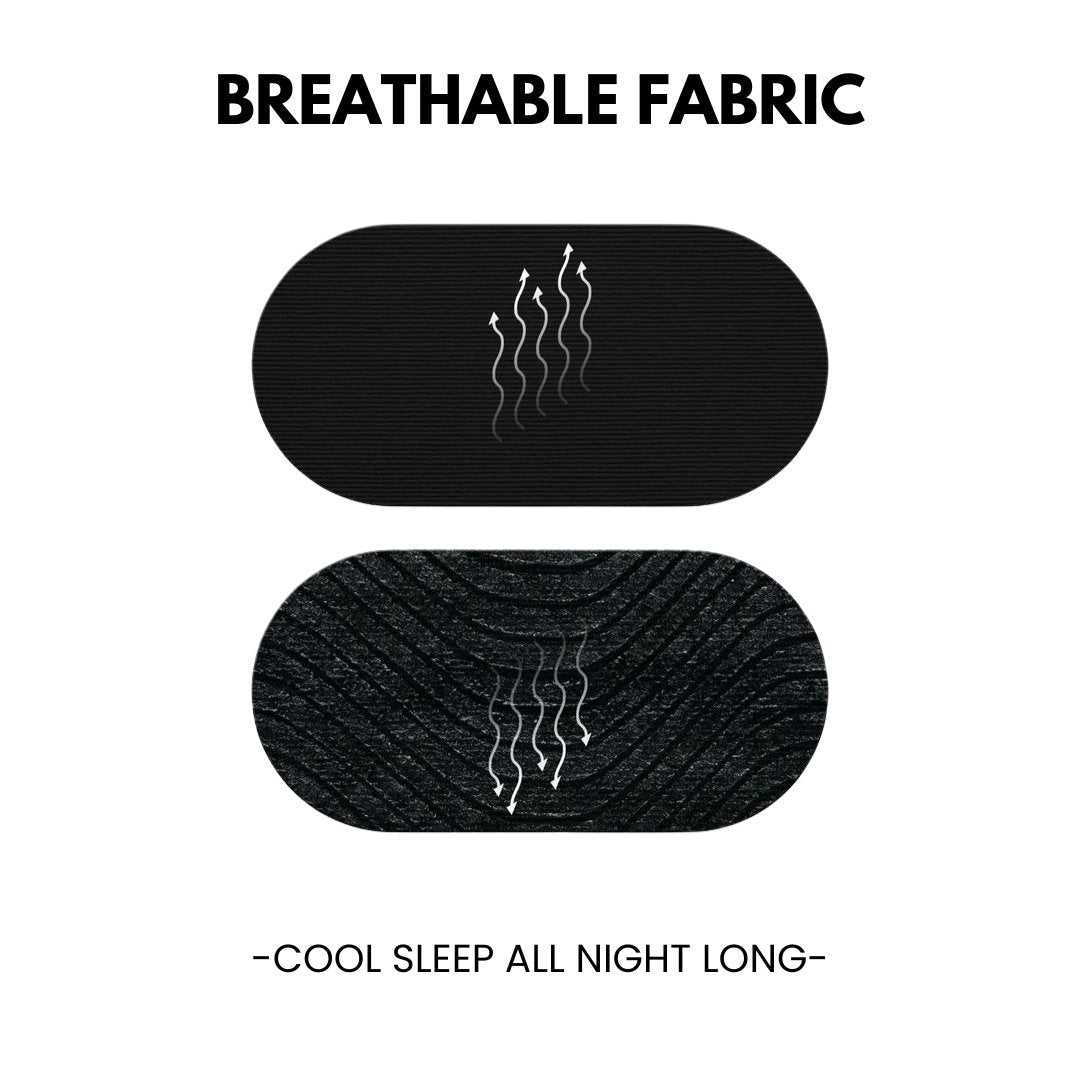
Titan Mouth Tape. Bamboo silk. Your nightly dental defense.
Shop Titan Mouth TapeFree shipping. Better Sleep Guarantee.