Why Your City Is Ruining Your Sleep (And What to Do About It)
Share
Americans are sleeping terribly. But not equally.
Where you live in the United States has a measurable impact on how well you sleep. Altitude, humidity, air quality, seasonal light exposure, temperature, and lifestyle patterns all vary dramatically by region — and they all affect sleep quality in ways most people never consider.
Here's a city-by-city breakdown of what's working against your sleep, and what you can do about it.
The Dry Cities: Phoenix, Denver, Las Vegas, Salt Lake City
If you live in the desert Southwest or the high-altitude Mountain West, you already know the feeling: you wake up with a mouth that feels like sandpaper. Your lips are cracked. Your throat is raw. You reach for water before your feet hit the floor.
Humidity in Phoenix averages 20-30% for much of the year. Denver sits even lower during winter. Las Vegas regularly drops into single digits. Salt Lake City swings between dry winters and dry summers with almost no relief.
Here's the problem: dry air accelerates moisture loss from every exposed mucous membrane. When you sleep with your mouth open in a dry climate, the evaporation effect is dramatically worse than in a humid environment. Your saliva dries up faster. Your nasal passages crack and swell. Your throat becomes irritated and inflamed.
The result is a cycle that feeds itself. Dry air irritates the nasal passages, which causes congestion, which forces mouth breathing, which dries out the mouth even more. By morning, you've spent eight hours in a dehydration loop.
What helps: A bedroom humidifier (targeting 40-50% humidity) makes a significant difference. But the more important fix is keeping your mouth closed. When you nasal breathe all night, the nose warms and humidifies incoming air naturally — that's one of its primary functions. Mouth taping in a dry climate isn't just a sleep improvement tool. It's the difference between waking up hydrated and waking up parched.
The Allergy Belt: Atlanta, Nashville, Dallas, Charlotte, Raleigh
The southeastern United States is beautiful. It's also an allergy nightmare.
Pollen season in the South starts earlier, lasts longer, and hits harder than almost anywhere else in the country. Atlanta consistently ranks in the top five worst cities for allergies. Nashville and Dallas aren't far behind. Charlotte and Raleigh sit in the middle of the Piedmont — a region where tree pollen, grass pollen, and ragweed overlap across three seasons.
For the 50+ million Americans with allergic rhinitis, nighttime is the worst. Pollen settles into bedding. Nasal passages swell. Congestion forces mouth breathing. And mouth breathing during allergy season creates a vicious cycle: bypassing the nasal filtration system that's supposed to trap the allergens, allowing more irritants into the throat and lungs, and triggering more inflammation.
The irony is that the nose is designed to filter exactly what's causing the problem. But when allergies make nasal breathing uncomfortable, people default to mouth breathing — which makes everything worse.
What helps: Shower before bed to rinse pollen off your skin and hair. Use a saline nasal rinse. Keep windows closed during peak pollen hours. Consider a HEPA filter in the bedroom. And keep your mouth closed at night — mouth taping actually helps train nasal breathing even during mild congestion, and forces air through the filtration system that protects your lungs.
The Altitude Cities: Denver, Colorado Springs, Albuquerque, Boise, Reno
Living above 5,000 feet changes your sleep in ways most residents don't realize until they compare notes with someone at sea level.
At altitude, the air contains less oxygen per breath. Your body compensates by breathing faster and deeper — a pattern that often persists during sleep. This hyperventilation response lowers CO2 levels in the blood, which paradoxically makes it harder for hemoglobin to release oxygen to tissues (the Bohr effect). The result: you breathe more, but your cells get less oxygen.
Altitude also increases periodic breathing during sleep — cycles where breathing speeds up, slows down, and sometimes pauses briefly. This is a normal physiological response to altitude, but it fragments sleep architecture and reduces time in deep sleep stages.
Denver residents report higher rates of insomnia, middle-of-the-night wakeups, and unrefreshing sleep compared to sea-level cities. Visitors to Colorado often experience this acutely — the "first night at altitude" feeling — but even long-term residents are affected, they've just normalized it.
What helps: Nasal breathing is even more important at altitude. The resistance created by nasal passages slows breathing, increases CO2 retention, and improves oxygen delivery to tissues. Mouth breathing at altitude amplifies the hyperventilation response and worsens the Bohr effect. Mouth taping at 5,000+ feet isn't optional — it's one of the most effective sleep interventions available for altitude residents.
The Cold and Dark: Minneapolis, Chicago, Detroit, Milwaukee, Buffalo
Winter in the Upper Midwest and Great Lakes means months of furnace-heated indoor air — dry enough to crack wood furniture — combined with minimal daylight and extreme cold.
Indoor humidity in a Minneapolis home during January can drop to 15-20% without a humidifier. That's drier than Phoenix. And unlike Phoenix, you're spending 18+ hours a day sealed inside that dry environment.
The lack of natural light compounds the problem. Minneapolis gets about 8.5 hours of daylight in December. Chicago gets similar. Detroit slightly more, but with persistent cloud cover that blocks even the light that's available. This disrupts circadian rhythm, suppresses melatonin timing, and makes both sleep onset and wake timing harder to regulate.
The combination — extreme dryness, limited light, cold temperatures that keep you indoors — creates a winter sleep deficit that most Midwesterners experience as seasonal fatigue. They blame the weather. They blame the darkness. They rarely blame the fact that their heated bedroom air is drying out their airways every night.
What helps: A whole-house humidifier is ideal, but even a bedroom unit helps. Light therapy in the morning (10,000 lux for 20-30 minutes) resets circadian rhythm. And mouth taping addresses the dryness problem at the source — keeping the mouth closed means air enters through the nose, where it's warmed and humidified naturally before reaching the lungs. In a 15% humidity bedroom, the difference between mouth breathing and nasal breathing is enormous.
The Humid and Hot: Houston, Miami, New Orleans, Tampa, Jacksonville
The Gulf Coast and South Florida present the opposite problem: too much moisture, not too little.
Humidity in Houston regularly exceeds 90% overnight. Miami is similar. New Orleans is worse. This level of humidity promotes dust mites, mold growth, and indoor allergens — all of which trigger nasal congestion and airway irritation.
High overnight temperatures also disrupt sleep. Your body needs to drop its core temperature by about 2-3 degrees to initiate sleep. When the ambient temperature stays above 75-80 degrees — even with air conditioning — this process is slower and less complete. People in hot, humid climates take longer to fall asleep and spend less time in deep sleep.
Air conditioning helps with temperature but creates its own problem: AC removes moisture from indoor air, creating a dry microenvironment in the bedroom. So you go from 90% humidity outside to 35% humidity inside — and your airways react to the sudden change.
What helps: Set the bedroom temperature to 65-68 degrees Fahrenheit. Use a dehumidifier if mold or dust mites are an issue. Change HVAC filters monthly during summer. And mouth taping — nasal breathing in an air-conditioned bedroom helps your body humidify the dry AC air naturally, reducing the morning dry mouth that plagues so many people in climate-controlled environments.
The High Air Pollution Cities: Los Angeles, Bakersfield, Houston, Philadelphia, New York
Air quality affects sleep quality. This is well-documented but rarely discussed in the context of how you breathe at night.
Los Angeles and the Central Valley of California consistently rank among the worst air quality regions in the country. Houston's petrochemical corridor contributes to high ozone levels. Philadelphia and New York experience traffic-related particulate matter that peaks during evening commute hours and lingers into the night.
When you breathe through your mouth at night in a high-pollution city, you're bypassing the one filtration system your body has: your nose. The nasal passages use cilia (tiny hairs) and mucous membranes to trap particulates, allergens, and pollutants before they reach your lungs. Your nose also produces nitric oxide, which has antimicrobial properties.
Mouth breathing eliminates all of this. Unfiltered, unhumidified air goes directly into your throat and lungs — carrying whatever particulates are in your bedroom air with it.
What helps: Run a HEPA air purifier in the bedroom — this is one of the highest-impact sleep investments for anyone in a high-pollution city. Keep windows closed during high-pollution days. And keep your mouth closed at night. Nasal breathing is your body's built-in air purifier. Use it.
The Screen Time Capitals: San Francisco, Seattle, Austin, New York, Boston
Tech hubs and major metros have a sleep problem that has nothing to do with climate: their populations work later, stare at screens longer, and have higher rates of stimulant consumption (caffeine, in particular) than the national average.
Blue light from screens suppresses melatonin production. Evening caffeine extends sleep onset. The culture of "always on" work — especially in tech and finance — normalizes going to bed wired and checking Slack before the alarm goes off.
But here's what connects this back to breathing: people who are stressed and overstimulated at bedtime tend to breathe through their mouths. Mouth breathing is associated with sympathetic nervous system activation — the fight-or-flight response. When you're stressed, your breathing shifts from slow, nasal, diaphragmatic breaths to faster, shallower, chest-level mouth breaths. If this pattern continues into sleep, your body never fully transitions to parasympathetic dominance.
What helps: The screen hygiene advice is well-known — blue light glasses, no screens 60 minutes before bed, dimming lights after sunset. But mouth taping adds a physiological reset that screen hygiene alone can't provide. Forcing nasal breathing during sleep activates the parasympathetic nervous system regardless of what happened before bed. It's not a replacement for good sleep hygiene. It's the thing that actually shifts your nervous system once you're lying down.
The One Thing Every City Has in Common
The climate changes. The altitude changes. The allergens change. The air quality changes.
But the physiology doesn't.
Whether you're in dry Phoenix or humid Houston. Whether you're at sea level in Miami or 5,280 feet in Denver. Whether you're breathing clean mountain air in Boise or filtered AC air in Dallas — your body recovers better when you breathe through your nose at night.
Nasal breathing warms the air. Humidifies it. Filters it. Produces nitric oxide. Activates the parasympathetic nervous system. Maintains proper CO2 levels. Keeps the airway open. Protects your teeth and gums.
Mouth breathing does none of this. In any city. At any altitude. In any climate.
The environmental factors where you live make sleep harder. Mouth taping doesn't change your environment. It changes how your body handles it.
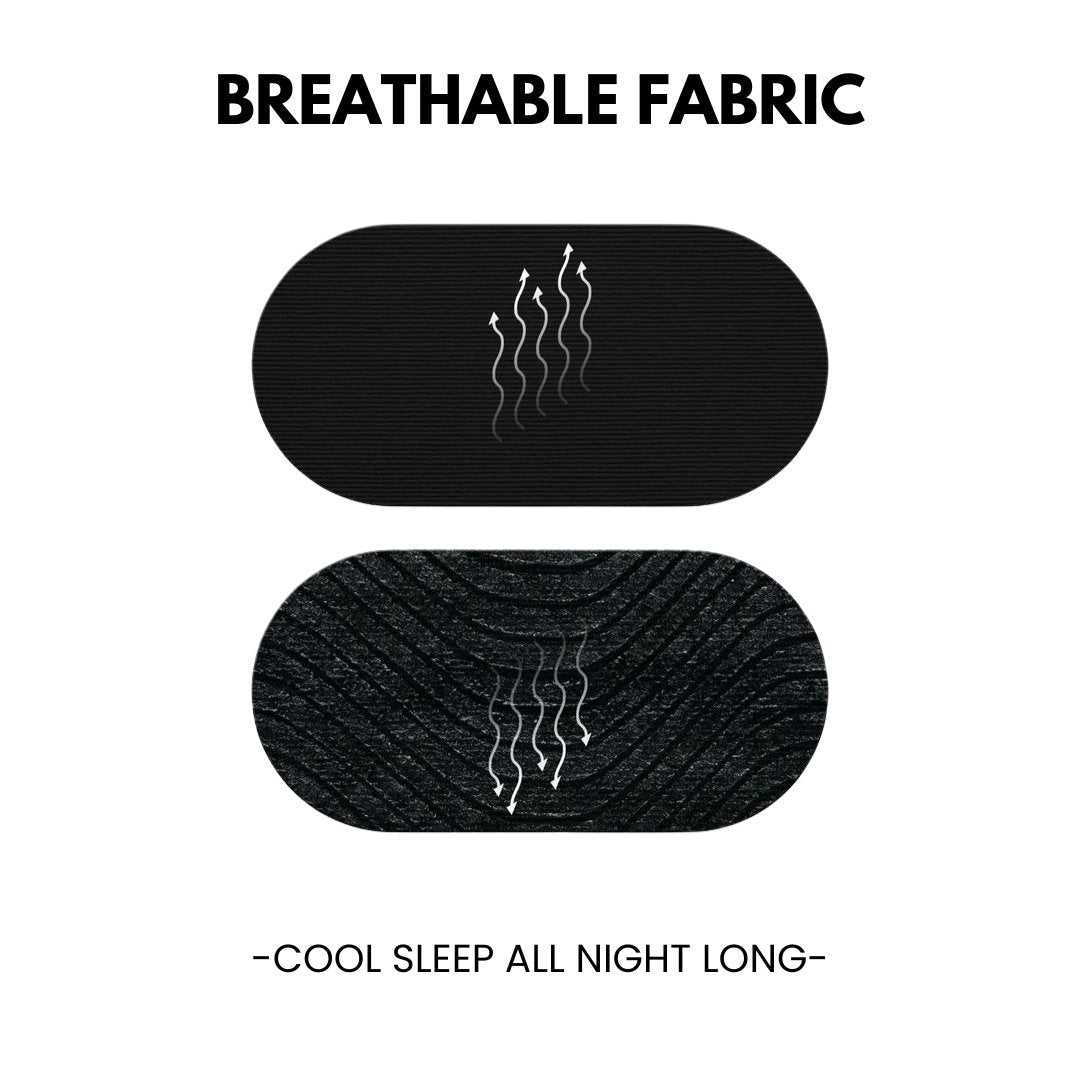
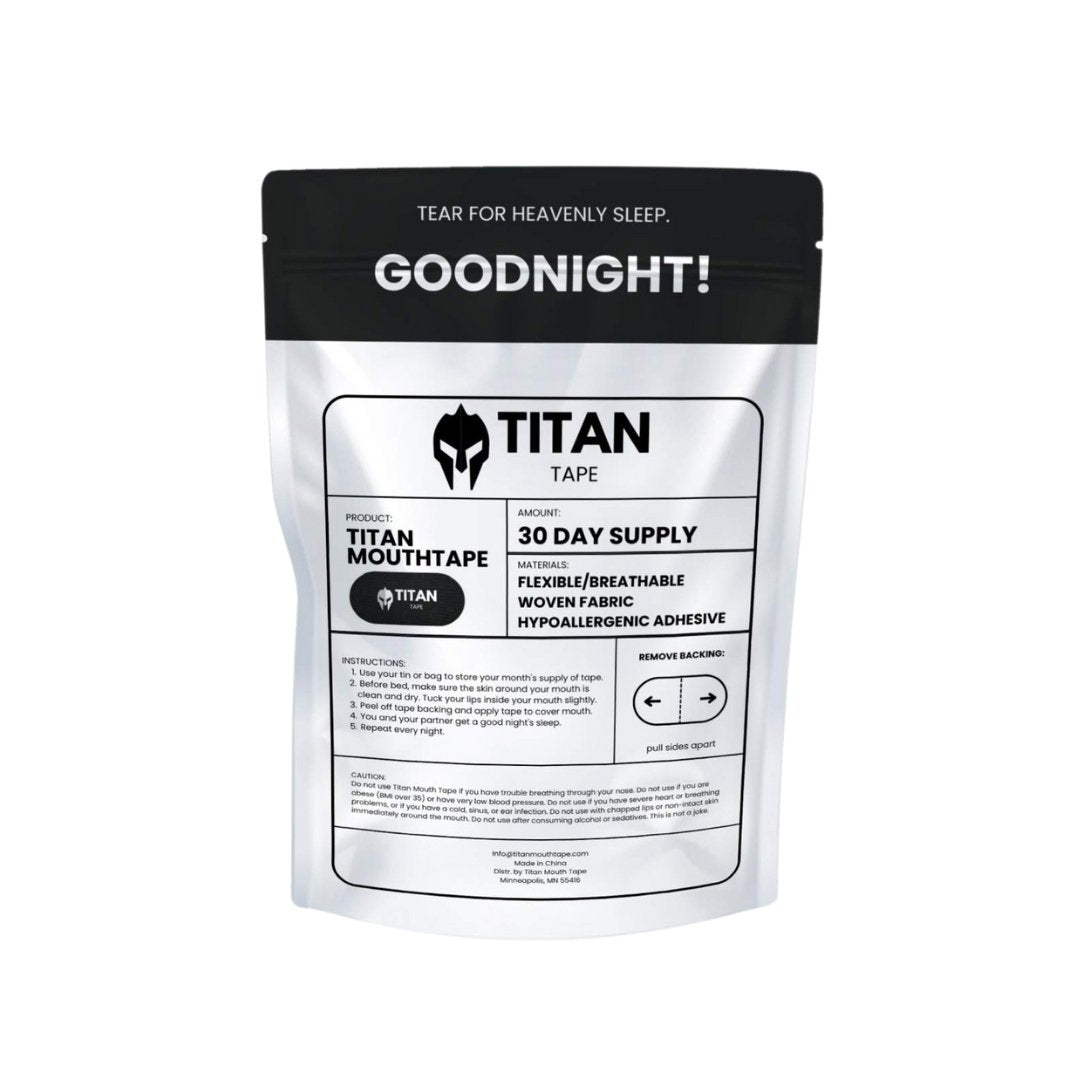
Doctor Recommended: "As a maxillofacial surgeon and dentist, I recommend Titan Mouth Tape. Nasal breathing during sleep is essential for airway health, jaw alignment, and deep restorative rest. Titan's bamboo silk design is the most comfortable and effective mouth tape I have tested." — Dr. Francious Proulx, MD, DDS — Maxillofacial Surgeon
Lab-Tested Safety: Titan's SilkSeal™ adhesive is independently tested by SGS to ISO 10993 medical device standards. Non-toxic (95% cell viability). Non-allergenic (0% reaction rate). Non-irritating (score 0.0/8.0). PFAS-free — 501 compounds tested, zero detected. REACH compliant — 250 toxic substances screened, all clear. See full test results →
Try it tonight. Bamboo silk. SilkSeal™ adhesive. Beard-friendly. No logo on the tape. Free shipping. 30-night Better Sleep Guarantee. Shop Titan Mouth Tape →