Why You Snore — And the One Fix Most People Never Try
Share
Why You Snore — And the One Fix Most People Never Try
Snoring is not just noise. It is a signal that your body is struggling to breathe. Here is what is really happening and how to stop it.
Nearly half of all adults snore at least occasionally. Most write it off as annoying but harmless — a quirk their partner complains about, nothing more. But snoring is not just sound. It is the vibration of soft tissue in an airway that is too narrow, too dry, or too relaxed to handle the volume of air passing through it.
In other words, snoring is your body telling you it cannot breathe properly while you sleep. And the most common reason it cannot breathe properly is surprisingly simple: your mouth is open.
How Snoring Actually Works
When you fall asleep, the muscles in your throat relax. Your jaw drops. Your tongue slides backward. If your mouth is open, the combination of a relaxed throat and uncontrolled airflow creates turbulence — air rushing through a narrowed, floppy passage. The soft tissues vibrate against each other, and the result is the sound everyone in the house recognizes.
This is why snoring gets worse when you sleep on your back (gravity pulls the tongue further down), when you have been drinking (alcohol relaxes the throat muscles even more), and when you are congested (restricted nasal flow forces more air through the mouth).
But the root mechanic in the majority of cases is the same: the mouth is open, and air is taking the wrong path.
Notice where the chain starts: the mouth opening. Everything downstream — the tongue position, the airway narrowing, the tissue vibration — follows from that one event. Which means the most direct intervention is not addressing the vibration at the end of the chain. It is preventing the mouth from opening in the first place.
The 7 Most Common Causes of Snoring
Snoring has multiple contributing factors. Understanding which ones apply to you helps determine the right solution.
Mouth Breathing During Sleep
The number one cause. When your mouth opens, the airway dries out, the tongue falls back, and the conditions for snoring are set. Most people do not know they mouth breathe because they are unconscious when it happens. The first clue is usually dry mouth or sore throat in the morning.
Alcohol and Sedatives
Alcohol relaxes throat muscles beyond their normal resting state, making the airway even more likely to collapse and vibrate. This is why people who do not normally snore will snore after drinking. Sedatives and certain sleep medications have the same effect.
Sleep Position
Sleeping on your back allows gravity to pull the tongue and soft palate toward the back of the throat, narrowing the airway. Side sleeping reduces this effect significantly, which is why many snorers notice improvement just by changing positions.
Nasal Congestion and Allergies
When the nose is blocked — from allergies, a cold, a deviated septum, or nasal polyps — the body switches to mouth breathing as a backup. This bypasses the nose's air-conditioning function and creates the dry, turbulent airflow that causes snoring.
Excess Weight
Extra tissue around the neck and throat can narrow the airway and increase the likelihood of obstruction during sleep. Weight loss is one of the most effective long-term interventions for chronic snoring, though it does not address mouth breathing directly.
Age and Muscle Tone
As you age, throat muscles naturally lose tone and become more prone to collapse during sleep. This is why snoring often gets worse over time even if nothing else in your lifestyle has changed. Nasal breathing helps counter this by keeping the airway pressurized from the inside.
Obstructive Sleep Apnea
Loud, chronic snoring — especially with gasping, choking, or observed pauses in breathing — may be a sign of obstructive sleep apnea (OSA). OSA is a medical condition where the airway fully collapses during sleep, and it requires professional diagnosis and treatment. If you suspect sleep apnea, see a doctor before trying any self-treatment.
What Snoring Actually Costs You
Snoring is not just a sound problem. It is a sleep quality problem that compounds every night.
Every time you snore, your body is pulling itself out of deep, restorative sleep. The vibration itself is a sign that airflow is restricted — which means oxygen delivery is compromised, your nervous system stays in a more activated state, and the recovery processes that should be happening during deep sleep are interrupted or diminished.
Your partner hears the noise. You feel the consequences: morning fatigue, brain fog, irritability, headaches, dry mouth, sore throat. Over months and years, chronic snoring is associated with elevated blood pressure, cardiovascular strain, and reduced cognitive performance.
What Actually Stops Snoring — And What Doesn't
There is no shortage of anti-snoring products on the market. Some address the root cause. Most do not. Here is a straightforward breakdown.
Why Mouth Tape Works for Snoring
Mouth tape works because it addresses the event that starts the entire snoring chain: the mouth opening. When a gentle adhesive strip keeps the lips sealed, the body defaults to nasal breathing. The airway stays pressurized from the inside. The tongue maintains a forward position instead of falling backward. The throat tissues do not dry out or vibrate.
A small clinical study published in sleep medicine literature found that participants with mild obstructive sleep apnea who used mouth tape experienced a 50 percent reduction in snoring events after just one week. The improvement was not because the tape physically stopped the vibration — it was because the tape eliminated the mouth breathing that caused it.
Why Nasal Breathing Prevents Snoring
When you breathe through your nose, several things happen simultaneously that protect against snoring. Air is slowed, filtered, warmed, and humidified before it reaches the throat — eliminating the dry, turbulent airflow that causes tissue vibration. Your nasal passages produce nitric oxide, which dilates blood vessels in the lungs and improves oxygen absorption. And nasal airflow creates a slight positive pressure that helps keep the upper airway open and toned — the opposite of what happens during mouth breathing, where the lack of pressure allows the airway to collapse.
Over time, consistent nasal breathing during sleep actually strengthens the muscles and tissues of the upper airway. Science journalist James Nestor documented this in his bestselling book Breath: "Nasal breathing begets more nasal breathing" — the tissues get conditioned to stay open and firm, reducing snoring even further.
Why Titan Mouth Tape for Snoring
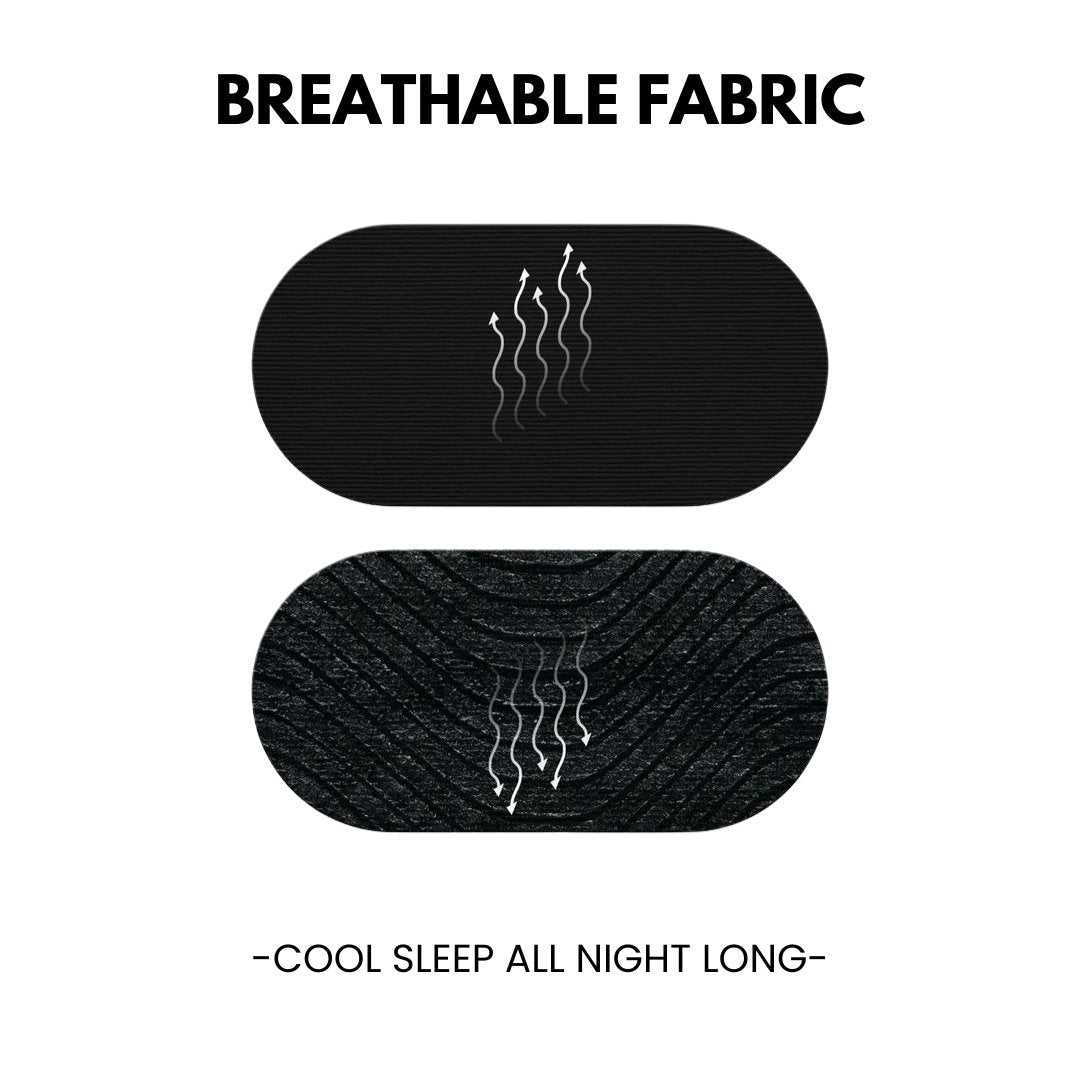
If you are going to put something on your face every night for the foreseeable future, the material and adhesive matter. Titan Mouth Tape is made from breathable bamboo silk — not kinesiology tape, not paper, not synthetic fabric. The hypoallergenic adhesive holds all night without residue, irritation, or skin damage, even on beards and sensitive skin. No logo is printed on the tape itself, because ink on adhesive can cause contact irritation with repeated nightly use.
Titan is available in 30, 90, 180, and 360-day supplies because mouth taping is a nightly habit, not a one-time experiment. Free shipping on every order. Every purchase is backed by the Better Sleep Guarantee — if you do not sleep better in 30 nights, you get your money back.
Your partner hears the snoring. You feel the damage. The fix is one strip of bamboo silk tape — and a lifetime of quieter, deeper, better sleep.
Quiet Nights Start Tonight
One strip. Mouth closed. No snoring. No dry mouth. No waking up exhausted. Just sleep the way it is supposed to work.
Shop Titan Mouth TapeBamboo silk. Hypoallergenic. Beard-friendly. Free shipping. Better Sleep Guarantee.