Why Am I Always So Tired? 7 Causes Your Doctor Won't Mention
Share
Why Am I Always So Tired? 7 Causes Your Doctor Won't Mention
You sleep enough. Your bloodwork is normal. Nothing is clinically "wrong." And yet you are exhausted every single day. Here is what is actually going on.
You have been to the doctor. You have had the bloodwork done. Thyroid is fine. Iron is fine. Vitamin D is within range. Nothing is flagged. And yet you are tired — the kind of tired that does not respond to more sleep, more coffee, or more willpower. The kind that makes you wonder if this is just what being an adult feels like.
It is not. Something is causing your fatigue, and the standard medical workup does not test for most of the hidden culprits. Here are seven causes of chronic tiredness that rarely show up in a doctor visit — and the one that affects roughly half of all adults without their knowledge.
Mouth Breathing During Sleep
This is the cause almost nobody considers — and it may be the most common one on this list. When your mouth opens during sleep, a chain reaction begins: your airway narrows, your throat dries out, snoring starts, your body shifts out of deep sleep into lighter, fragmented cycles, and your oxygen absorption drops by 10 to 18 percent because your nasal passages are no longer producing nitric oxide.
You spend eight hours in bed and get maybe four to five hours of actual restorative sleep. Your brain never fully consolidates memory. Your muscles never fully repair. Your cortisol stays elevated. And you wake up exhausted — not because you did not sleep long enough, but because the sleep you got was mechanically broken.
The cruelest part: you have no idea it is happening. Mouth breathing occurs while you are unconscious. There is no alarm, no notification, no symptom that says "your mouth was open." The only clues are downstream: dry mouth in the morning, sore throat, snoring (that your partner hears but you do not), brain fog, and the persistent feeling that sleep is not doing its job.
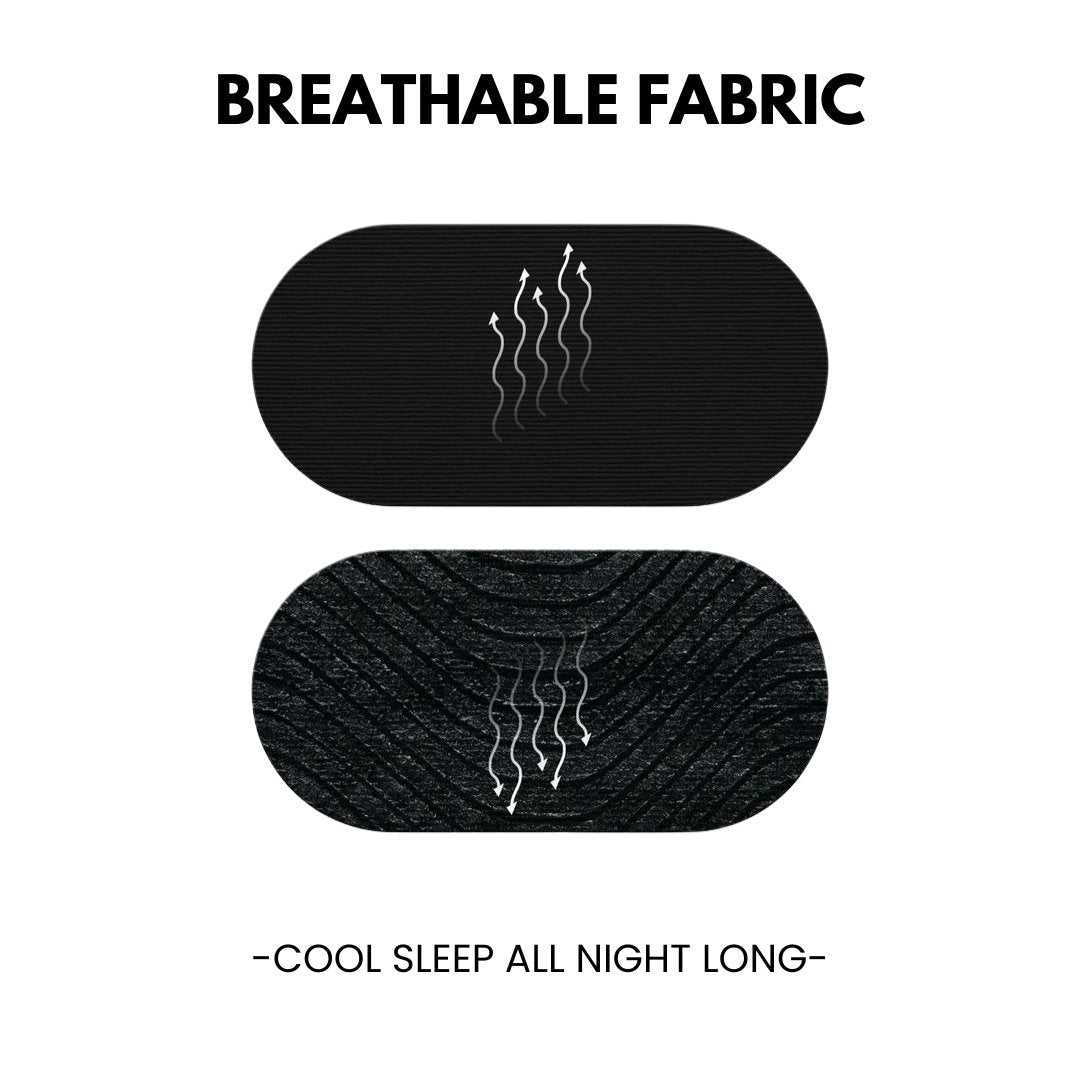
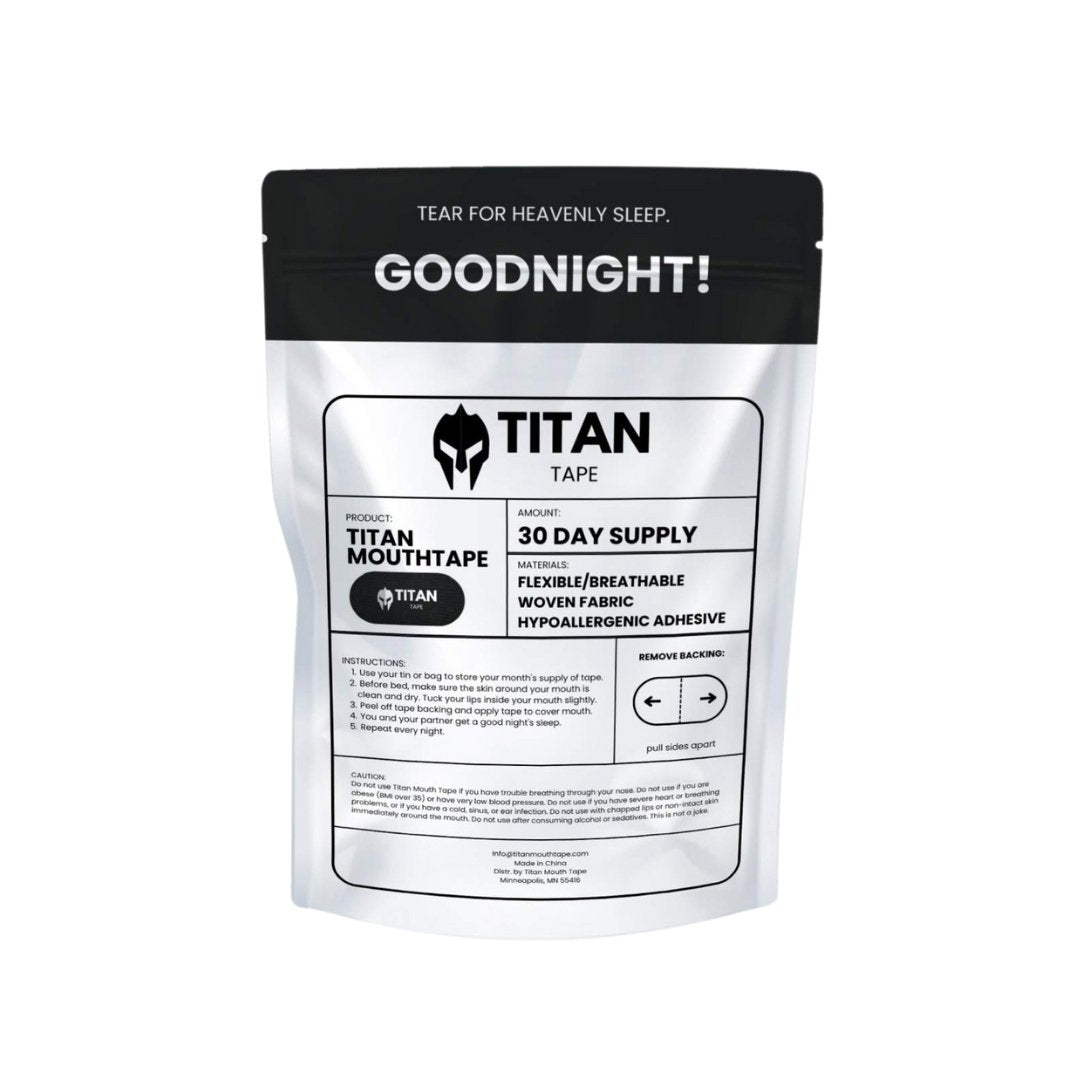
The fix: Mouth tape keeps your lips sealed so your body breathes through the nose all night. Most people notice the difference on the first night — no dry mouth, less grogginess, more energy before coffee. It is the simplest intervention on this entire list, and it addresses the most common cause.
Fragmented Sleep Architecture (Not Duration)
You can sleep eight hours and get two hours of deep sleep — or you can sleep eight hours and get four. The difference is enormous, and it has nothing to do with how many hours you are in bed. Deep sleep is when the body repairs muscle tissue, clears metabolic waste from the brain, consolidates memory, and regulates hormones including growth hormone and testosterone. If your sleep is constantly cycling through light stages without reaching or maintaining deep sleep, the hours are empty.
Causes of fragmented sleep architecture include mouth breathing (see above), alcohol within three hours of bed (sedates you into sleep but destroys sleep staging), an irregular sleep schedule (disrupts circadian-driven sleep staging), and a bedroom that is too warm (prevents the core temperature drop required for deep sleep initiation).
Chronic Low-Grade Stress (Sympathetic Overdrive)
Your nervous system has two modes: sympathetic (fight-or-flight) and parasympathetic (rest-and-recover). Modern life keeps most people biased toward sympathetic activation — work stress, financial pressure, information overload, social media, constant notifications. When the sympathetic branch dominates, cortisol stays elevated, heart rate variability drops, and your body never fully enters recovery mode — even during sleep.
This is not clinical anxiety. It is a nervous system that never gets a full break. The fatigue comes not from doing too much, but from never truly resting — even when you are technically asleep. Nasal breathing during sleep is one of the most direct ways to shift the balance back toward parasympathetic dominance.
Magnesium Deficiency
Up to 50 percent of US adults may not get sufficient magnesium from their diet. Magnesium is involved in over 300 enzymatic reactions, including those that regulate the nervous system, support melatonin production, and promote muscle relaxation. Subclinical magnesium deficiency does not show up on standard blood tests (because your body pulls magnesium from bones and tissues to maintain blood levels), but it manifests as difficulty relaxing, muscle tension, restless legs, and poor sleep quality.
The fix: 200 to 400mg of magnesium glycinate taken 30 to 60 minutes before bed. It helps you fall asleep — though it does not fix how you breathe once you are asleep.
Caffeine Half-Life Accumulation
Caffeine has a half-life of five to six hours. Your 2 PM coffee is still 50 percent active in your system at 8 PM — and 25 percent active at 2 AM. You may fall asleep fine, but the caffeine is reducing the amount of deep sleep your brain can achieve. Over weeks and months, the deep sleep deficit accumulates. You feel tired, so you drink more caffeine, which further reduces deep sleep, which makes you more tired. It is a cycle that feeds itself.
The fix: Cut caffeine by 1 PM and see what changes within a week. Most people are stunned by the difference.
Evening Light Exposure Disrupting Melatonin
Bright light — especially blue light from screens — suppresses melatonin production by up to 50 percent. If you are scrolling your phone in bed or watching TV until you fall asleep, your brain is getting a daylight signal at the exact moment it should be shifting into sleep mode. You may fall asleep eventually, but your melatonin curve is delayed and blunted, which shortens the restorative stages of sleep in the first half of the night.
The fix: Dim all lights two hours before bed. If screens are unavoidable, use blue-blocking glasses. The difference in next-morning energy is noticeable within two to three nights.
Alcohol Before Bed
A drink before bed feels relaxing. Alcohol is technically a sedative — it does help you fall asleep faster. But as your body metabolizes the alcohol through the night, it disrupts sleep architecture dramatically: suppressing REM sleep, increasing nighttime awakenings, elevating heart rate, and worsening mouth breathing and snoring. The net effect is sedation without recovery. You sleep, but the sleep does not work.
The fix: Stop drinking at least three hours before bed. If you are going to drink, do it earlier in the evening and hydrate before sleep.
The Common Thread
Notice the pattern: most of these causes affect sleep quality, not sleep duration. You are getting enough hours. The hours are just not producing enough recovery. Your doctor tests for clinical conditions — thyroid, anemia, diabetes — and when those come back normal, the answer is usually "get more rest" or "reduce stress." But the problem is not how much you sleep or how stressed you are. It is the mechanical and environmental factors that degrade your sleep from the inside.
What to Do About It (In Order)
If you are chronically tired and your doctor says nothing is wrong, work through these in order. Each one is simple, inexpensive, and addresses a specific cause from the list above.
1. Close your mouth at night. Mouth tape keeps your lips sealed so you nasal breathe all night. This addresses cause #1 (mouth breathing), improves cause #2 (sleep architecture), and helps with cause #3 (parasympathetic activation). It is the single highest-impact change because it affects every hour of every night. Under $0.54/night.
2. Cut caffeine by 1 PM. Free. Addresses cause #5. Give it one week.
3. Dim lights 2 hours before bed. Free. Addresses cause #6. Noticeable within 2–3 nights.
4. Take magnesium glycinate. 200–400mg before bed. ~$0.50/night. Addresses cause #4.
5. Stop drinking 3+ hours before bed. Free. Addresses cause #7.
Five changes. Three are free. The other two cost about a dollar per day combined. If your fatigue does not improve within two weeks, see your doctor for additional testing — but start here first, because these are the causes standard medicine does not screen for.
Stop Being Tired Tomorrow
One strip. One night. The fix your doctor never mentioned.
Shop Titan Mouth TapeBamboo silk. Beard-friendly. Free shipping. Better Sleep Guarantee.