The Sleep Checklist: 7 Things That Actually Improve Sleep Quality
Share
The Sleep Checklist: 7 Things That Actually Improve Sleep Quality
Not 50 tips. Not a listicle. Seven evidence-backed changes ranked by impact — starting with the one most people skip.
The internet is drowning in sleep advice. Take melatonin. Buy a weighted blanket. Keep your room at 65 degrees. Drink tart cherry juice. Put your phone in another room. Some of it helps. Most of it is marginal at best.
Here are the seven things that actually move the needle on sleep quality — ranked from highest impact to lowest. If you only do one, do the first one. If you do all seven, you will sleep better than you have in years.
Close Your Mouth
This is the single most overlooked variable in sleep quality. When your mouth opens during sleep, your airway narrows, your throat dries out, snoring starts, and your body shifts out of deep sleep into lighter, fragmented cycles. You also lose the nitric oxide production that only happens through nasal breathing — a molecule that improves oxygen absorption by up to 18 percent.
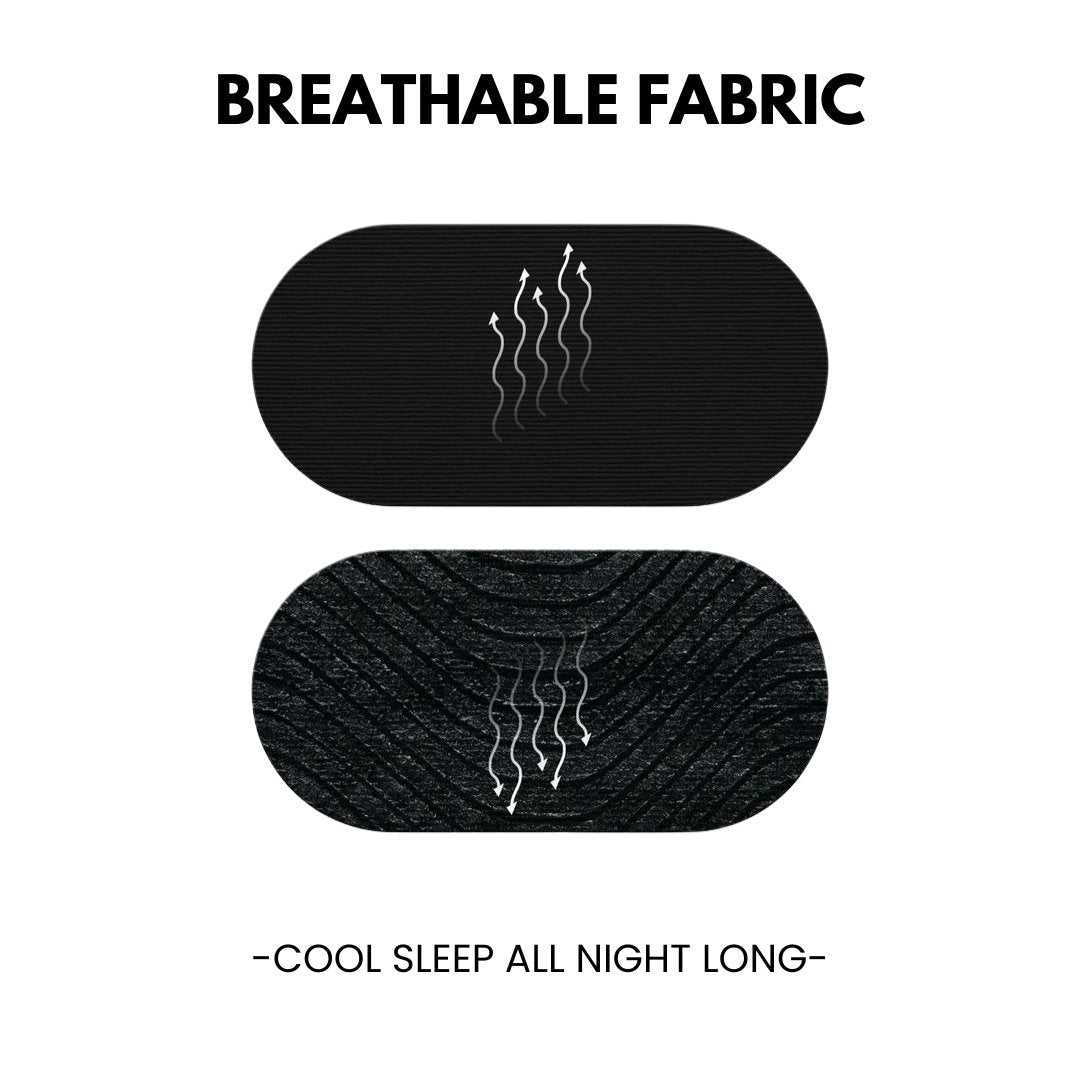
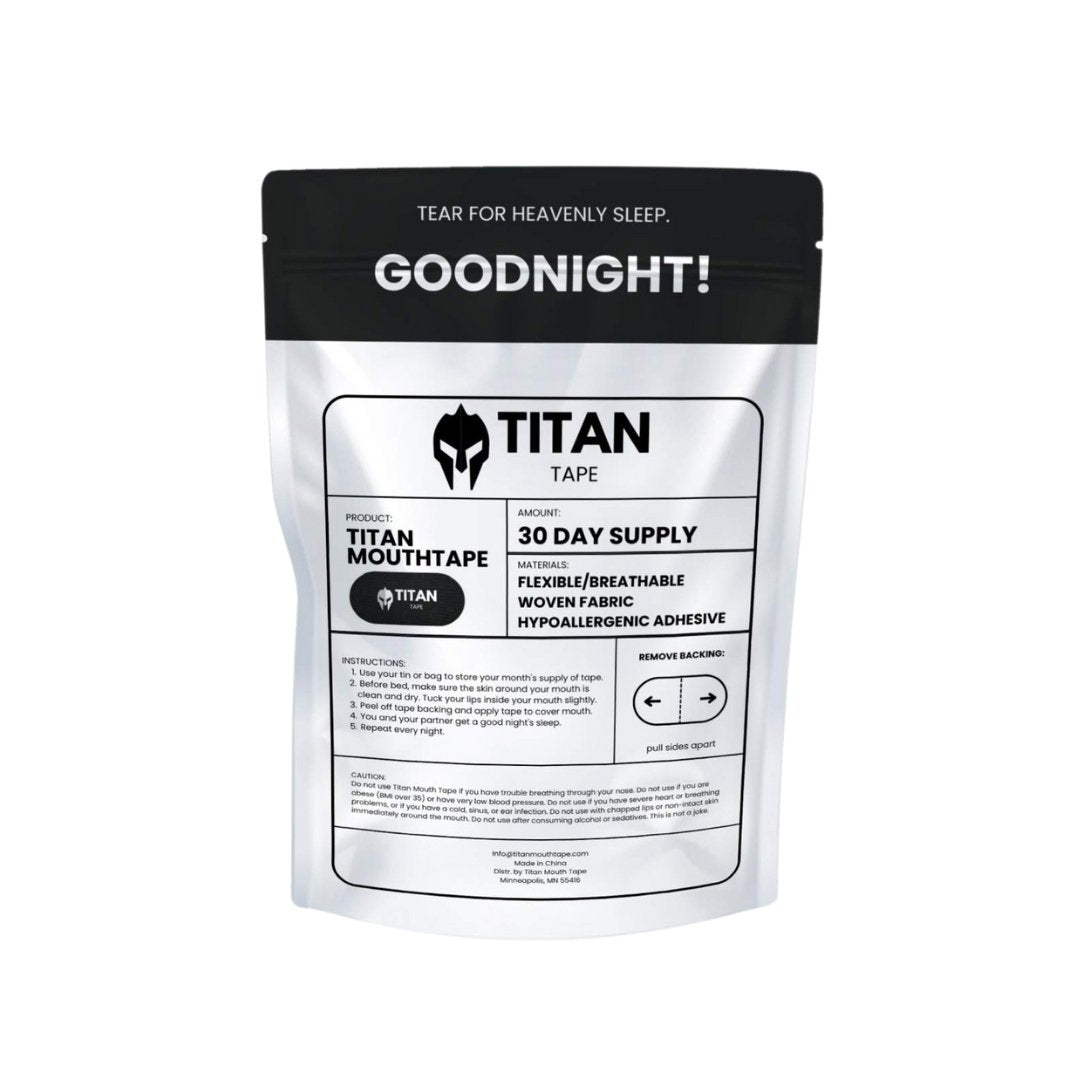
Mouth tape keeps your lips sealed so your body defaults to nasal breathing all night. Most people notice a dramatic difference on the very first night: no dry mouth, no sore throat, deeper sleep, more energy in the morning. It is the highest-impact, lowest-cost sleep intervention that exists.
Fix Your Light Exposure
Your circadian rhythm is primarily regulated by light. Get bright sunlight within 30 to 60 minutes of waking — even 10 minutes of outdoor light is more powerful than an hour of indoor lighting. In the evening, dim the lights two hours before bed and minimize screen exposure. If you cannot avoid screens, use blue-blocking glasses. Bright morning light and dim evening light are the two most powerful signals you can send your brain to regulate your sleep-wake cycle.
Keep a Consistent Sleep Schedule
Go to bed and wake up at the same time every day — including weekends. Your body's internal clock thrives on consistency. Irregular sleep schedules fragment your circadian rhythm, reduce time spent in deep sleep, and make it harder to fall asleep even when you are tired. A fixed schedule is more important than total hours. Seven consistent hours outperform eight irregular ones.
Control Your Sleep Temperature
Your core body temperature needs to drop by about two to three degrees Fahrenheit to initiate and maintain deep sleep. A bedroom temperature between 60 and 67 degrees Fahrenheit is optimal for most people. If you run hot, consider cooling sheets, a fan, or a bed cooling system. A warm shower before bed can paradoxically help — it brings blood to the surface, and the subsequent cooling triggers the temperature drop your body needs.
Cut Caffeine by Early Afternoon
Caffeine has a half-life of five to six hours, meaning half of your afternoon coffee is still circulating in your system at bedtime. Even if you can "fall asleep fine" after coffee, caffeine reduces the amount of deep sleep you achieve — the stages where recovery, memory consolidation, and hormonal regulation happen. Cut caffeine by 1 to 2 PM and see what changes within a week.
Make Your Room Dark — Actually Dark
Even small amounts of ambient light suppress melatonin production and reduce sleep quality. Standby lights on electronics, streetlight through curtains, a bright alarm clock — all of it counts. Use blackout curtains or a quality sleep mask. The goal is darkness so complete that you cannot see your hand in front of your face. If you can, your room is too bright.
Stop Eating Two to Three Hours Before Bed
Eating close to bedtime forces your body to divert energy toward digestion during sleep — energy that should be going toward repair and recovery. Late meals also increase the likelihood of acid reflux, which disrupts sleep and can worsen mouth breathing. A light snack is fine if needed, but a full meal within two hours of bed is working against you.
The Order Matters
Most sleep advice starts with environment — temperature, darkness, noise. These things matter. But they are optimizations applied on top of a foundation. If the foundation is broken — if you are mouth breathing all night — no amount of environmental tuning will fully fix your sleep.
Close your mouth first. Then dial in the environment. That is the order that produces results.
Better Sleep Starts With One Strip
The highest-impact item on the checklist costs less than a dollar a night. Start tonight.
Shop Titan Mouth TapeBamboo silk. Hypoallergenic. Beard-friendly. Free shipping.