The Nighttime Routine Every High Performer Follows
Share
The Nighttime Routine Every High Performer Follows
Huberman, Haaland, Tim Ferriss, and the world's top performers do the same 5 things before bed. One of them costs $0.54. Most people skip it.
The morning routine gets all the attention. Cold plunges, journaling, green smoothies, gratitude lists — the internet is obsessed with the first two hours of the day. But the highest-performing people in the world will tell you the same thing: your morning is decided the night before.
What you do in the 90 minutes before bed determines how deeply you sleep, how efficiently you recover, and how sharp you are the next day. And when you study the evening routines of elite athletes, neuroscientists, and peak performers, the same five steps appear over and over — regardless of industry, age, or background.
Here they are, ranked by impact. If you only do one, do the first.
Close Your Mouth (Mouth Tape)
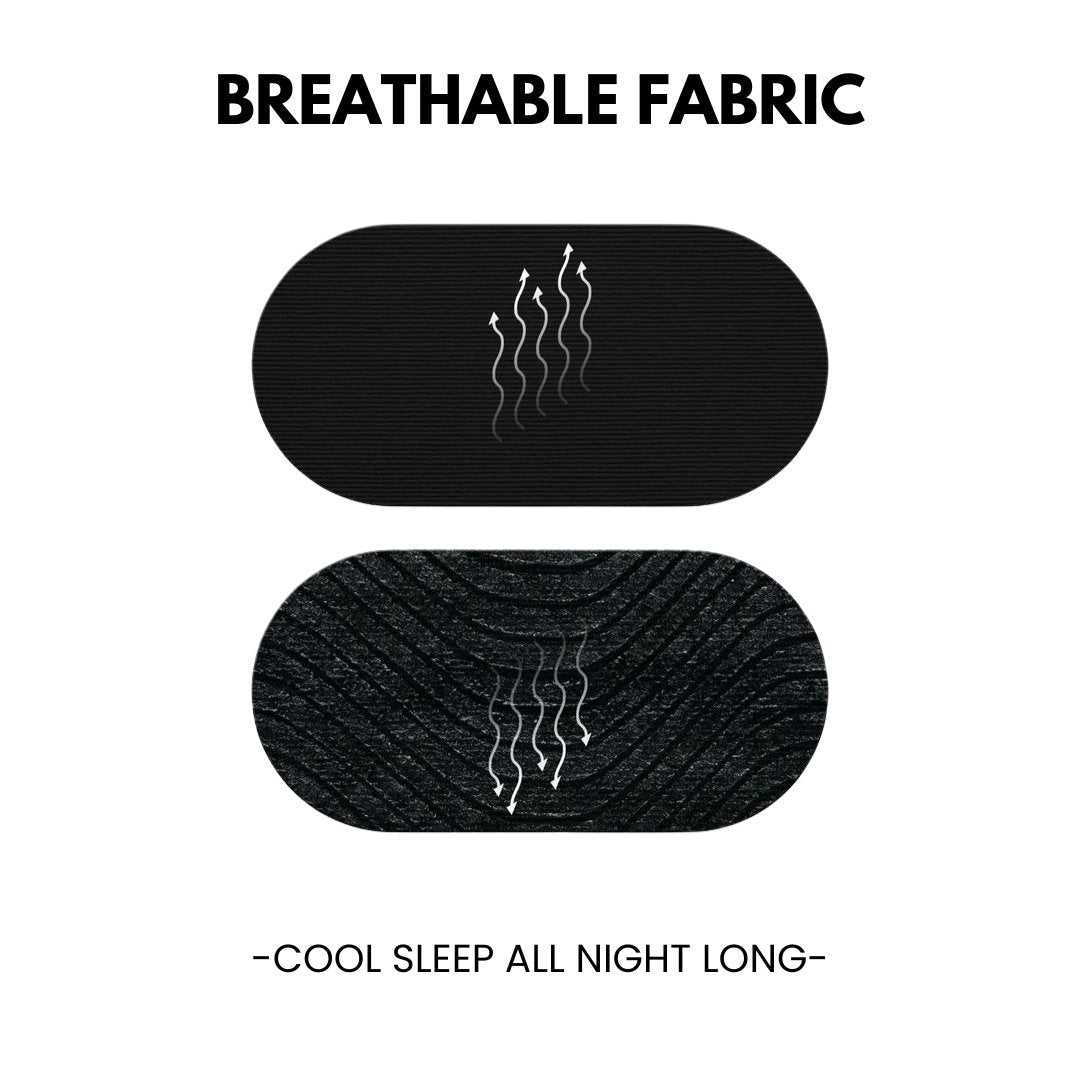
This is the step most people skip — and it is the one with the highest impact on actual sleep quality. When your mouth falls open during sleep, your airway narrows, your throat dries out, snoring starts, oxygen absorption drops, and your body never reaches the deep sleep stages where recovery happens. Mouth tape keeps your lips sealed so you breathe through your nose all night — producing nitric oxide, improving oxygen uptake by up to 18 percent, and activating the parasympathetic nervous system for genuine rest.
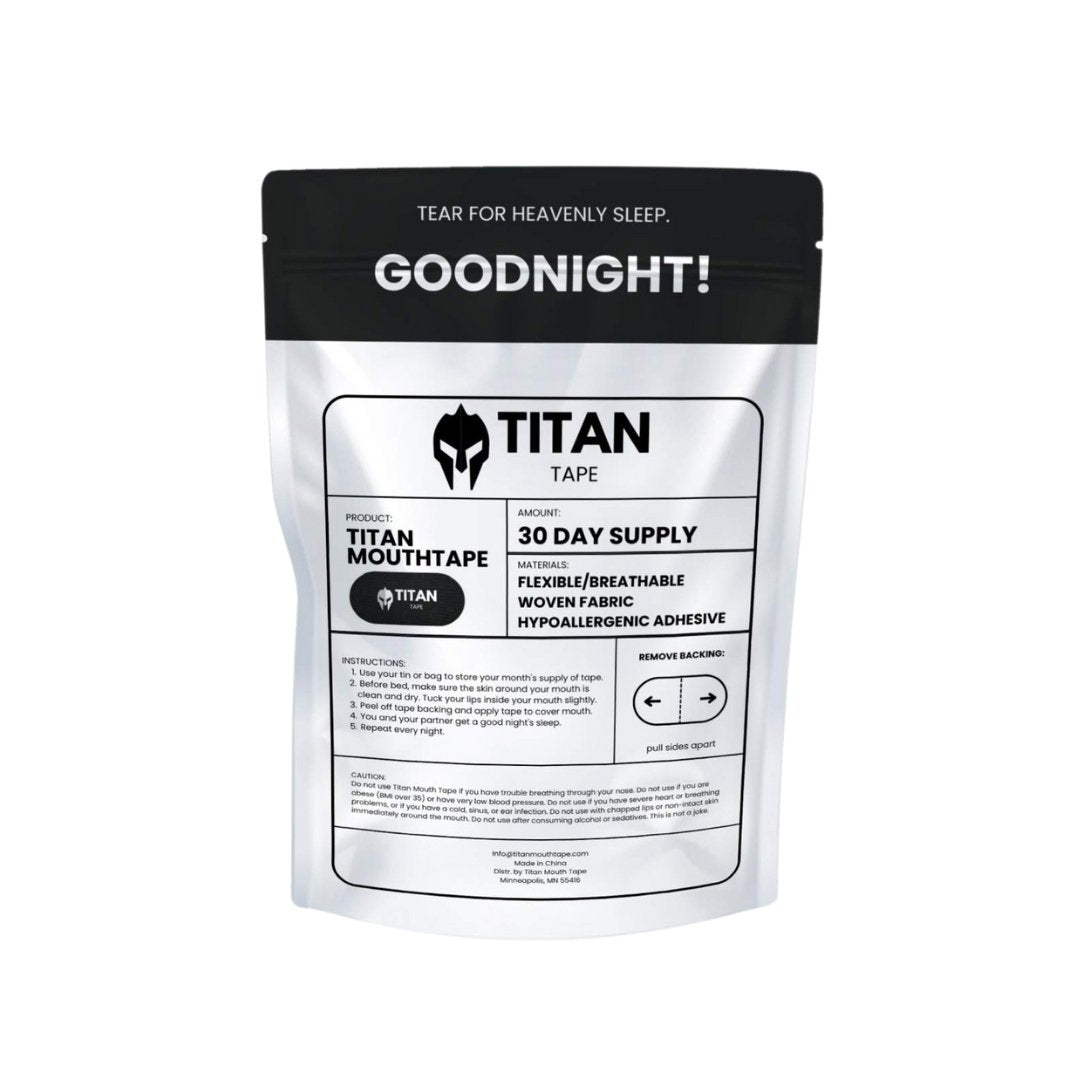
This is not a fringe biohack. Premier League record-holder Erling Haaland tapes his mouth every night. Stanford neuroscientist Andrew Huberman calls mouth breathing during sleep "actually dangerous." Tennis champion Iga Świątek trains with tape on. A maxillofacial surgeon recommends Titan Mouth Tape to his patients. And it costs less than a dollar per night.
Kill the Light (2 Hours Before Bed)
Light is the primary regulator of your circadian rhythm. Bright light — especially blue light from screens — suppresses melatonin production and tells your brain it is still daytime. Dimming the lights two hours before bed is the signal that starts the transition from wakefulness to sleep. The most disciplined performers swap to warm, dim lighting after sunset, use blue-blocking glasses if screens are unavoidable, and treat the last hour before bed as a low-stimulation period. Huberman recommends keeping overhead lights off and using only floor-level or candlelight-level brightness after 8 PM.
Drop Your Core Temperature
Your body needs to cool down by two to three degrees Fahrenheit to initiate deep sleep. The most common hack: a warm shower or bath 60 to 90 minutes before bed. The warm water brings blood to the surface, and when you step out, the rapid cooling triggers the temperature drop your body needs. Bedroom temperature should be 60 to 67°F. Some performers use bed cooling systems like Eight Sleep or ChiliPad, but a fan and lighter bedding accomplish most of the same effect for free.
Take Magnesium Glycinate
Magnesium is the most evidence-backed sleep supplement available. It supports muscle relaxation, nervous system regulation, and melatonin production. The preferred form for sleep is magnesium glycinate — well-absorbed, gentle on the stomach, and the attached glycine amino acid has its own calming properties. Typical dose is 200 to 400mg taken 30 to 60 minutes before bed. Huberman, Ferriss, and Rhonda Patrick all take magnesium as part of their evening routine. It helps you fall asleep — but it does not fix how you breathe once you are asleep. That is what mouth tape handles.
Set a Non-Negotiable Bedtime
Every high performer treats their bedtime like a meeting they cannot cancel. Consistency is more important than duration. Seven hours at the same time every night — including weekends — outperforms eight irregular hours. Your circadian rhythm is an internal clock that thrives on predictability. When you go to bed at 10 PM one night and midnight the next, your body never fully calibrates. The performers who sleep best are the ones who bore you with how consistent their schedule is.
The Complete Evening Routine (90 Minutes)
That is the complete routine. Six actions. Three of them are free (lights, schedule, shower). One costs $0.54 per night (mouth tape). One costs roughly $0.50 per night (magnesium). The total cost of the most effective evening routine on the planet is about a dollar a day.
Why the Morning Routine Is a Lie
Not literally — morning routines matter. But the obsession with the first hour of the day distracts from the truth: your morning is the output of your night. If you mouth breathe for eight hours, skip temperature management, blast your retinas with blue light until 11 PM, and go to bed at random times, no amount of cold plunging and gratitude journaling will overcome the sleep debt you are carrying.
The performers who look effortlessly sharp in the morning are not morning people. They are evening people. They are disciplined about the 90 minutes before bed because they understand that sleep quality — not sleep quantity, not morning rituals — is the foundation that everything else is built on.
Your Evening Routine Starts Here
One strip. Every night. The step most people skip is the one that matters most.
Shop Titan Mouth TapeBamboo silk. Beard-friendly. Free shipping. Better Sleep Guarantee.