Snoring vs. Sleep Apnea: How to Tell the Difference
Share
Snoring vs. Sleep Apnea: How to Tell the Difference
One is annoying. The other is dangerous. Here's how to figure out which one you have — and what to do about it.
Most snorers assume their snoring is harmless. And most of the time, it is — about half of all adults snore occasionally, and habitual snoring alone is not a medical emergency. But snoring is also the number one symptom of obstructive sleep apnea, a condition that causes your airway to fully collapse during sleep, stopping your breathing for seconds at a time.
The difference between simple snoring and sleep apnea matters — because the treatments are different, the risks are different, and getting it wrong in either direction costs you.
Snoring vs. Sleep Apnea: The Quick Comparison
Signs It Might Be Sleep Apnea
Simple snoring typically has a steady rhythm and does not involve pauses, gasping, or choking. Sleep apnea looks and sounds different. If any of the following apply to you, it is worth getting evaluated.
Observed Breathing Pauses
Your partner watches you stop breathing during sleep — sometimes for 10 seconds or longer — followed by a loud gasp or snort. This is the hallmark sign of obstructive sleep apnea. You typically will not remember these events.
Extreme Daytime Fatigue
Not just "I'm tired" — but debilitating, fall-asleep-at-your-desk, cannot-function-by-2 PM exhaustion. Sleep apnea fragments your sleep so severely that you may get eight hours in bed and achieve only a fraction of actual restorative sleep.
Morning Headaches
Waking up with headaches on a regular basis can indicate that your oxygen levels dropped repeatedly during the night — a consequence of repeated breathing pauses.
Frequent Nighttime Urination
Waking up two or more times per night to use the bathroom — without increased fluid intake — can be a sign of sleep apnea. The breathing interruptions signal your body to produce more urine.
Difficulty Concentrating and Mood Changes
Chronic sleep fragmentation from apnea affects cognitive function, memory, and emotional regulation. Irritability, depression, and difficulty focusing are common downstream effects.
Volume and Irregularity of Snoring
Simple snoring is usually consistent in volume and rhythm. Apnea-related snoring is louder, more erratic, and punctuated by silence (the breathing pause) followed by a loud gasp or snort.
Signs It Is Probably Simple Snoring
If your snoring is steady, your partner has never observed you stop breathing, you do not wake up gasping, and your daytime fatigue is mild rather than debilitating — you are most likely dealing with habitual snoring caused by mouth breathing, sleep position, or lifestyle factors. This is the far more common scenario.
Simple snoring responds well to behavioral interventions: sleeping on your side, avoiding alcohol before bed, managing nasal congestion, and — most directly — keeping your mouth closed during sleep with mouth tape.
How Mouth Tape Fits In
For Simple Snoring
Mouth tape is one of the most effective interventions for snoring caused by mouth breathing. By keeping the lips sealed, it forces nasal breathing — preventing the airway narrowing, tissue drying, and soft palate vibration that cause snoring. A clinical study found a 50 percent reduction in snoring events after just one week of mouth taping in participants with mild sleep-disordered breathing.
For Diagnosed Sleep Apnea
If you have been diagnosed with obstructive sleep apnea and prescribed a CPAP machine, mouth tape can serve as a useful complement — not a replacement. Many CPAP users with nasal masks experience mouth leaks, which reduce therapy effectiveness. Mouth tape keeps the lips sealed so pressurized air stays in the airway. Some sleep specialists recommend this as a more comfortable alternative to a chin strap.
Before Diagnosis
If you are unsure whether you have simple snoring or sleep apnea, get evaluated before using mouth tape. Mouth tape addresses mouth breathing, which is a contributor to simple snoring. It does not treat airway collapse, which is the mechanism behind obstructive sleep apnea. Using mouth tape when you actually need a CPAP could mask symptoms and delay treatment.
Next Steps
If you suspect sleep apnea, talk to your doctor about a sleep study. Many can now be done at home with portable devices — no overnight lab visit required.
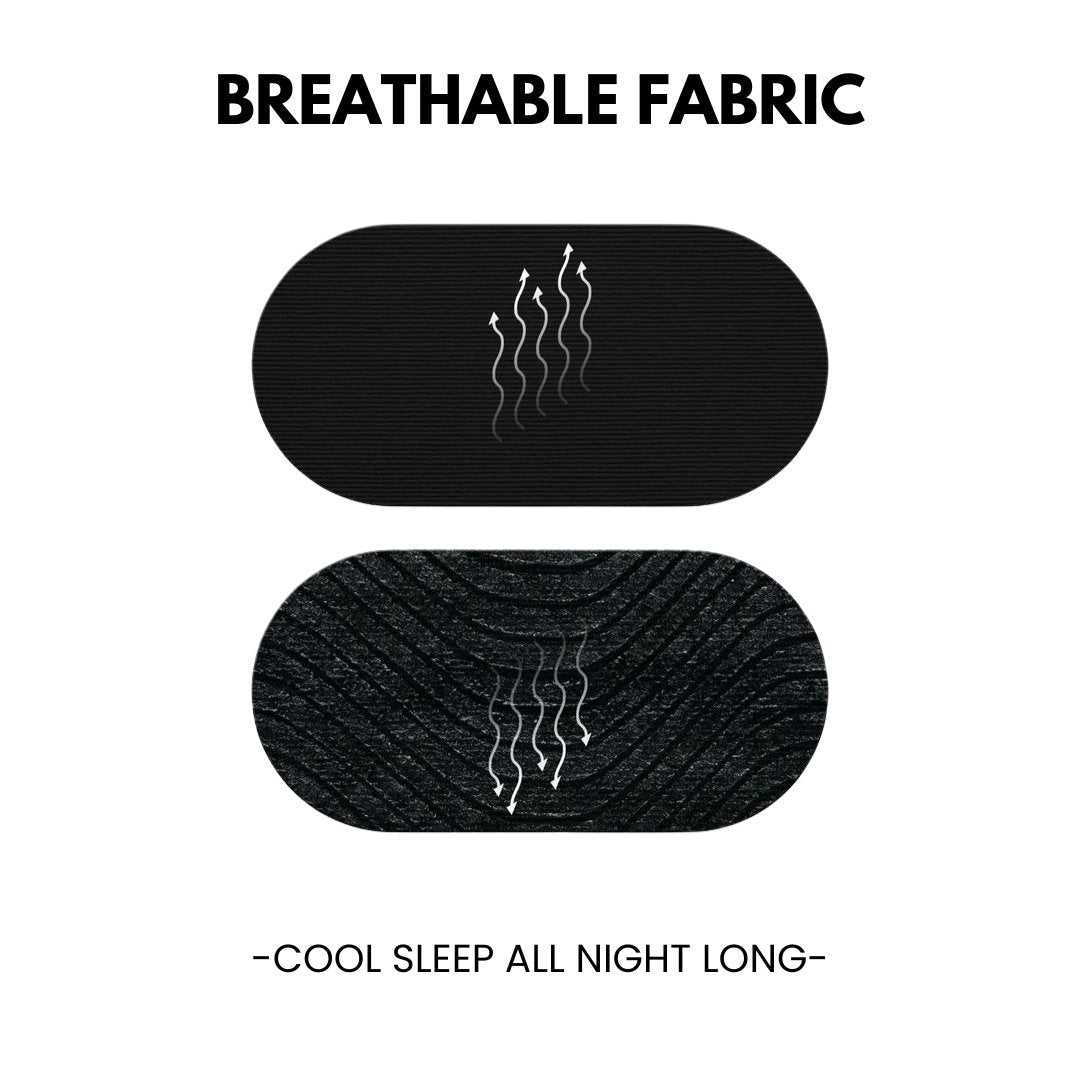
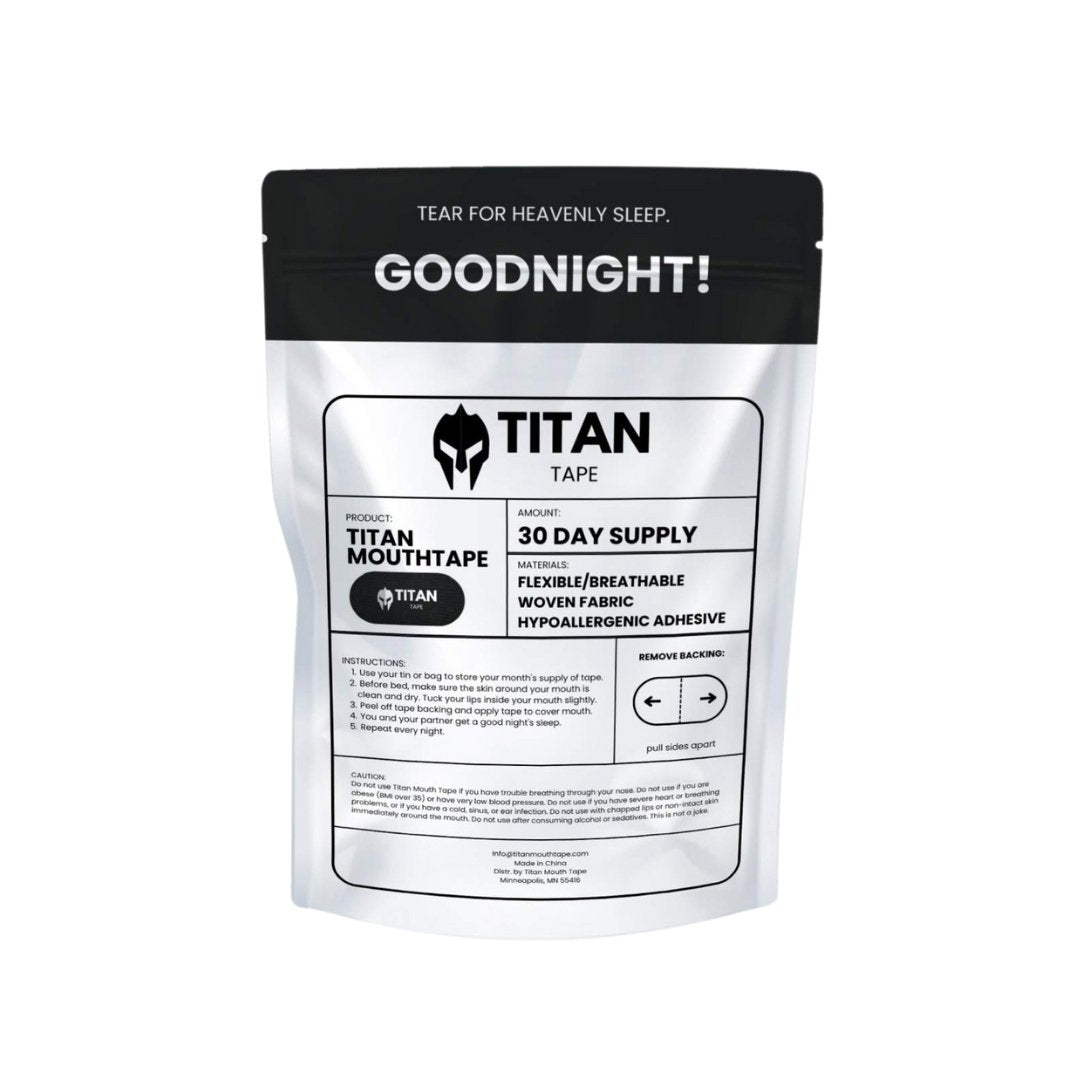
If you are confident your snoring is simple mouth-breathing snoring, Titan Mouth Tape is the most direct fix. Bamboo silk material, hypoallergenic adhesive, beard-friendly, no logo on the tape. Available in 30 to 360-day supplies with free shipping and a 30-night Better Sleep Guarantee.
Simple Snoring? Fix It Tonight.
One strip of bamboo silk tape. Mouth closed. Nasal breathing restored. Quieter nights by morning.
Shop Titan Mouth TapeFree shipping. Better Sleep Guarantee. Under $0.54/night.