Sleepmaxxing: What Actually Works, What's Hype, and the One Thing Most People Skip
Share
Sleepmaxxing: What Actually Works, What's Hype, and the One Thing Most People Skip
Magnesium gummies. Red light panels. Cooling pads. $300 sleep rings. Mouth tape. TikTok has turned sleep into a competitive sport. Here is what actually matters — ranked by impact.
Sleepmaxxing — the practice of optimizing every controllable variable that affects your sleep — has gone from Reddit niche to mainstream phenomenon. The hashtag has over 100 million views on TikTok. Gen Z is three to four times more likely to experiment with sleep hacks than older generations. And the sleep optimization market is projected to be one of the fastest-growing wellness categories through the end of the decade.
The problem is not the impulse. The impulse is right — sleep is the foundation of health, performance, and longevity. The problem is signal-to-noise ratio. When your TikTok feed shows someone applying seven skincare products, taking four supplements, taping their mouth, wearing a weighted eye mask, running a red light panel, sleeping on a cooling mattress topper, and tracking it all with an Oura Ring — it is impossible to know what is actually producing the results and what is just expensive theater.
This guide cuts through the noise. Every sleepmaxxing tool and habit is ranked by evidence and impact — from essential to skip — so you can build a stack that actually works without turning bedtime into a 45-minute production.
The Sleepmaxxing Stack — Ranked by Impact
Think of sleep optimization as a pyramid. The foundation is non-negotiable — without it, nothing above it matters. Each layer adds value, but with diminishing returns. Most people skip the foundation and go straight to the supplements and gadgets. That is like buying racing tires for a car with a flat.
Tier 1: How You Breathe (The Foundation)
This is the variable that affects everything else. If your mouth is open while you sleep, no supplement, gadget, or environment will fully compensate. Your airway narrows, your throat dries out, snoring starts, oxygen absorption drops, cortisol stays elevated, and your body never reaches the deep sleep stages where recovery happens. Fix this first and everything above it works better.
Mouth Tape
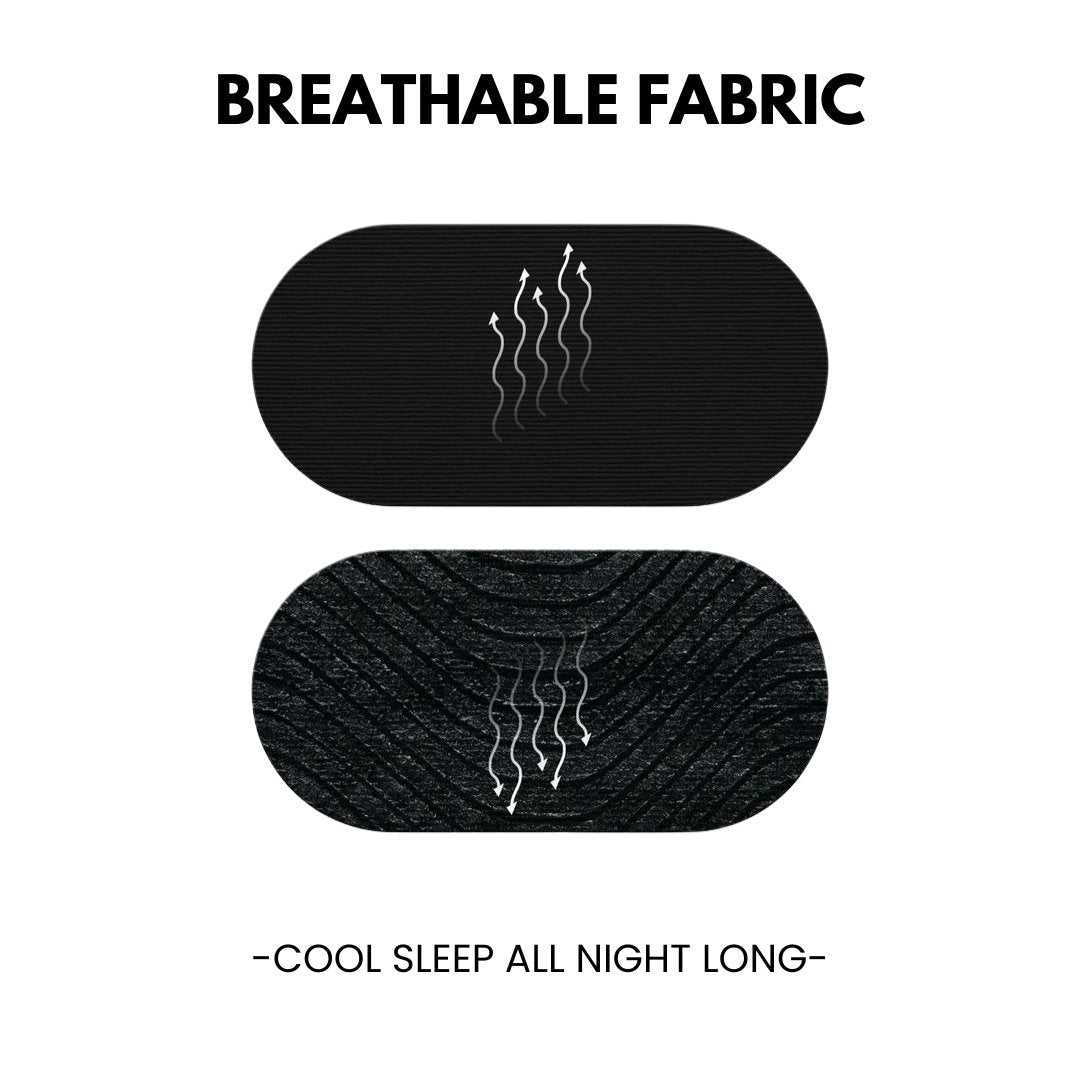
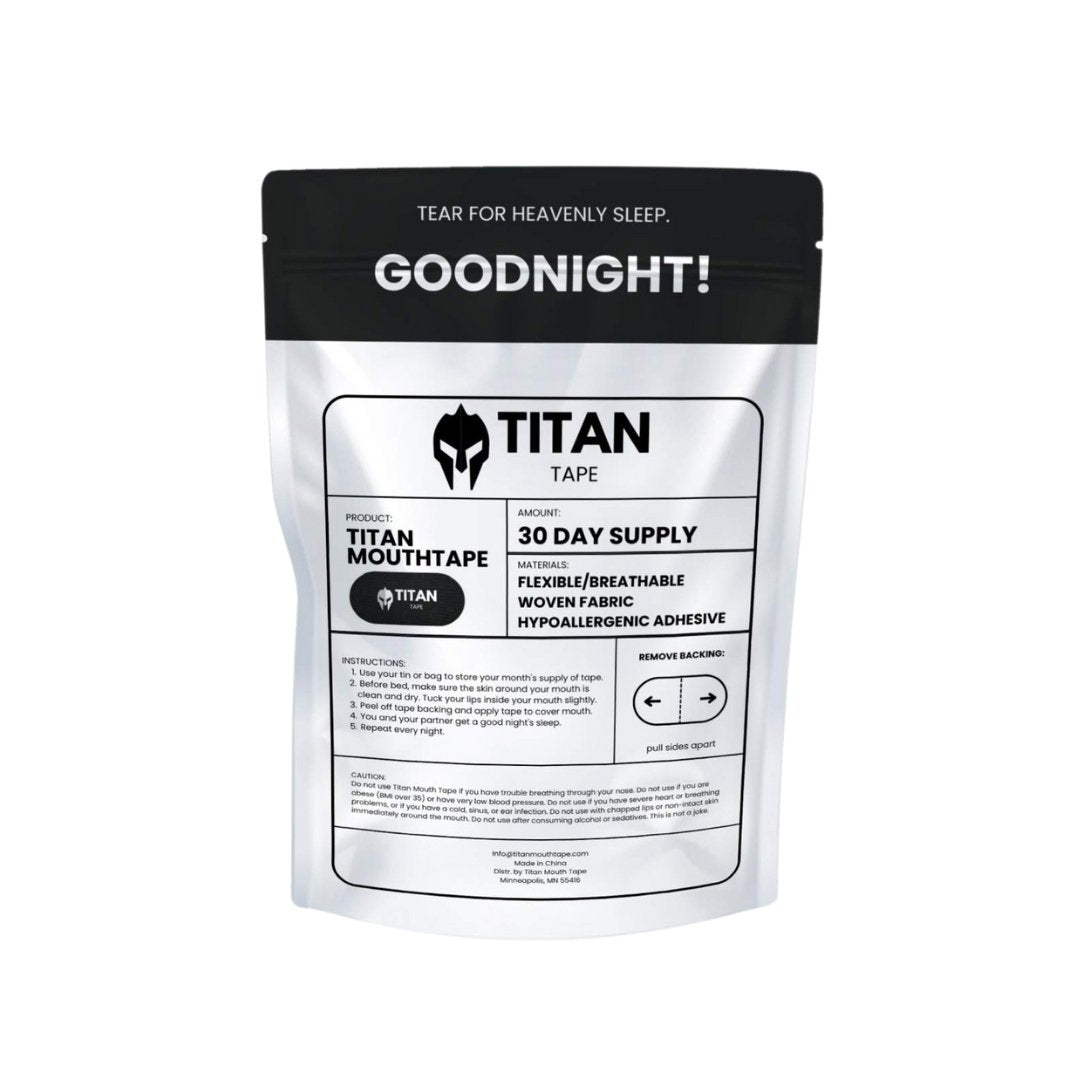
A single strip of breathable tape keeps your lips sealed so your body defaults to nasal breathing all night. Nasal breathing produces nitric oxide (improving oxygen absorption by 10–18%), activates the parasympathetic nervous system, protects saliva and oral health, and enables the deep sleep architecture that everything else in your sleepmaxxing stack depends on. This is the single highest-impact, lowest-cost tool in the entire sleep optimization category. Under $0.54 per night. No batteries. No app. No learning curve.
If you only do one thing from this entire guide, do this.
Consistent Sleep Schedule
Go to bed and wake up at the same time every day — including weekends. Your circadian rhythm thrives on consistency. Irregular schedules create "social jet lag" that fragments sleep architecture even when total hours are adequate. Seven consistent hours beat eight irregular ones every time. This costs nothing and is the single most recommended intervention by every sleep scientist, including Andrew Huberman, Matt Walker, and the American Academy of Sleep Medicine.
Morning Sunlight
Five to fifteen minutes of bright outdoor light within the first hour of waking sets your circadian clock for the entire day. It triggers cortisol at the right time (morning) and tells your brain when to start producing melatonin later (evening). This is the single most effective tool for falling asleep at a consistent time — and it is free. No light therapy lamp replaces actual sunlight, though a 10,000 lux light box is a reasonable substitute on dark winter mornings.
Tier 2: Sleep Environment
Once the foundation is set — nasal breathing, consistent schedule, morning light — your environment is the next highest-leverage layer. These are the conditions that allow deep sleep to happen.
Cool Bedroom (60–67°F / 15–19°C)
Your core body temperature needs to drop two to three degrees to initiate and maintain deep sleep. A bedroom that is too warm prevents this drop. Most sleep scientists recommend 60–67°F. If you run hot, a fan, cooling sheets, or a bed cooling system like a ChiliPad or Eight Sleep can help. A warm shower before bed paradoxically helps — it brings blood to the surface, and the subsequent cooling when you get out triggers the temperature drop.
Total Darkness
Even small amounts of ambient light suppress melatonin and fragment sleep. Blackout curtains or a quality sleep mask. Cover standby lights on electronics. Remove or dim your alarm clock. The test: if you can see your hand in front of your face, your room is too bright. This is free to cheap and the impact is immediate.
Low-Stimulation Evening Routine
Dim lights two hours before bed. Minimize screen exposure or use blue-blocking glasses. Stop eating two to three hours before sleep. Avoid intense exercise within two hours of bedtime. Avoid alcohol — it sedates you into sleep but destroys sleep architecture once it metabolizes, reducing deep sleep and REM. A simple wind-down routine (reading, stretching, journaling) signals your brain that sleep is coming. This does not need to be elaborate. Simplicity beats complexity.
Caffeine Cutoff (by 1–2 PM)
Caffeine has a half-life of five to six hours. Your afternoon coffee is still 50% active in your system at bedtime. Even if you can "fall asleep fine," caffeine reduces deep sleep duration — the stage where physical recovery and memory consolidation happen. Most sleep scientists recommend cutting caffeine by early afternoon. Some recommend eliminating it entirely if sleep quality is a priority. At minimum, stop by 2 PM and see what changes within a week.
Tier 3: Supplements
This is where most sleepmaxxers start — and where diminishing returns begin. Supplements can be helpful tools, but they are optimizations on top of a foundation, not replacements for one. If your mouth is open, your room is bright, and your schedule is erratic, no supplement will fix your sleep.
Magnesium Glycinate
The most evidence-backed sleep supplement. Magnesium supports muscle relaxation, nervous system regulation, and melatonin production. Glycinate is the preferred form for sleep (better absorption, less GI distress than citrate). Typical dose is 200–400mg taken 30–60 minutes before bed. Most beneficial if you are magnesium-deficient — which many adults are. It helps you fall asleep and may improve sleep quality, but it does not address breathing mechanics.
L-Theanine
An amino acid found in tea that promotes relaxation without sedation. It increases alpha brain wave activity, which is associated with calm, focused wakefulness — helpful for the transition from awake to asleep. Typical dose is 100–200mg before bed. Pairs well with magnesium. Low risk of side effects or dependency.
Melatonin
Melatonin is a timing signal, not a sleeping pill. It tells your body when to sleep, not how deeply to sleep. It is most useful for jet lag and shift work — situations where your circadian clock needs resetting. For chronic use, most experts recommend 0.3–0.5mg (far lower than the 5–10mg doses sold in stores). Higher doses can cause grogginess and may suppress your body's natural melatonin production over time. Use sparingly and strategically, not nightly.
Sleepy Girl Mocktails / Cherry Juice / Herbal Teas
The "sleepy girl mocktail" (tart cherry juice + magnesium powder + sparkling water) went viral for a reason — it tastes good and the ritual of making it signals bedtime to your brain. But the actual sleep-promoting effect of the cherry juice is marginal at best. The magnesium in the powder is the only active ingredient with evidence behind it, and you get more per dose from a capsule. The ritual has value. The drink itself is mostly theater.
Tier 4: Gadgets and Tracking
The shiniest, most expensive layer — and the one with the most marketing behind it. Some of these tools are genuinely useful. Others are solving problems that do not exist or creating new ones (looking at you, orthosomnia).
Sleep Trackers (Oura, Whoop, Apple Watch)
Sleep trackers are useful for one thing: showing you the impact of changes you make. Start mouth taping and watch your deep sleep increase. Cut alcohol and watch your HRV improve. The data is motivating and validates that the foundational habits are working. The risk is orthosomnia — obsessing over your sleep score so much that it creates anxiety that worsens your sleep. Use the data as feedback, not as a grade.
Cooling Mattress Pads / Eight Sleep
If temperature is your primary sleep disruptor, a bed cooling system can be transformative. If your room is already cool enough, it is an expensive solution to a problem you do not have. Try a fan or lighter bedding first. If that is not enough, then invest.
Red Light Panels
The evidence for red light therapy improving sleep is thin. A few small studies show a possible association with melatonin levels, but others found red light still induced alertness during sleep. The main benefit of red light in the evening is simply that it is not blue light — but you get the same effect by dimming your regular lights or using warm-toned bulbs for a fraction of the cost.
Sound Machines / Brown Noise / Green Noise
Useful if you live in a noisy environment. Otherwise, silence is fine. The viral obsession with specific noise colors (brown, green, pink) is mostly preference — there is no evidence that one color of noise produces better sleep than another. If noise is not your problem, this is not your solution.
The Orthosomnia Trap: When Sleepmaxxing Backfires
The Only Sleepmaxxing Checklist You Need
Forget the 20-step routines. Here is the stack that actually produces results, ranked in the order you should implement them.
The Essentials (Do These First)
The Add-Ons (Once the Foundation Is Solid)
That is it. Eight items. Five of them are free. The most expensive one costs $0.54 per night. This checklist — executed consistently — will outperform any 20-step TikTok routine that costs ten times as much and takes ten times as long.
The Bottom Line on Sleepmaxxing
Sleepmaxxing is a good impulse with a bad execution problem. The impulse — take sleep seriously, treat it as a pillar of health, optimize the variables you can control — is exactly right. The execution problem is complexity: turning a simple biological process into a 20-step production that creates more stress than it resolves.
The best sleepmaxxing routine is the one you will actually do every night for the rest of your life. For most people, that means five foundational habits executed consistently — not fifteen gadgets and supplements layered on top of broken mechanics.
Close your mouth. Keep a schedule. Get morning light. Sleep cool and dark. Cut the caffeine. Everything else is optional. That is not a simplification. It is the science, stripped of the marketing.
As a maxillofacial surgeon and dentist, I recommend Titan Mouth Tape to my patients. Nasal breathing during sleep is essential for airway health, jaw alignment, and deep restorative rest. Titan
Start With the Foundation
Titan Mouth Tape. The #1 item in any sleepmaxxing stack. Bamboo silk. Hypoallergenic. Beard-friendly. Under $0.54/night.
Shop Titan Mouth TapeFree shipping. 30-night Better Sleep Guarantee. Available in 30, 90, 180, and 360-day supplies.