Mouth Taping for Snoring
Share
Snoring is not just noise. It is a signal that your airway is partially obstructed during sleep. The soft tissues in your throat vibrate as air forces its way through a narrowed passage. And the number one cause of that narrowed passage is mouth breathing.
When your mouth opens during sleep, your jaw drops, your tongue falls backward, and your airway narrows. The result is turbulent airflow, tissue vibration, and the sound your partner has been complaining about.
Mouth taping keeps your lips sealed, your jaw supported, and your airway open. Nasal breathing is quieter, smoother, and more efficient. For many people, the snoring stops on night one.
What the Research Says
A 2022 study published in Healthcare examined 30 patients with mild obstructive sleep apnea who used mouth tape during sleep. Participants experienced reduced snoring intensity and frequency, along with improvements in sleep quality and daytime alertness.
A larger retrospective survey published in Sleep and Breathing found that 65% of mouth tapers reported reduced snoring after using the technique for at least four weeks. 58% reported improved overall sleep quality.
The research is still limited in scale — most studies are small — but the mechanism is well understood. Nasal breathing keeps the airway structurally more open than mouth breathing. Less obstruction means less vibration. Less vibration means less snoring.
When Mouth Taping Works for Snoring
Mouth taping is most effective for snoring caused by mouth breathing — which is the majority of snoring in healthy adults. If your snoring gets worse when you sleep on your back (positional snoring) or your partner notices that your mouth is open when you snore, mouth tape is likely to help.
It is also effective as a complement to CPAP therapy. Many CPAP users with nasal masks experience mouth leaks — air escapes through the open mouth, reducing the pressure and effectiveness of the machine. Mouth tape keeps the lips sealed so the CPAP pressure is maintained through the nose.
When It May Not Be Enough
If your snoring is caused by a structural issue — enlarged tonsils, a significantly deviated septum, or moderate to severe obstructive sleep apnea — mouth tape alone may not resolve it. These conditions require medical evaluation. Mouth tape can be part of the solution, but it is not a substitute for diagnosis and treatment of underlying conditions.
If you snore loudly, stop breathing during sleep, gasp or choke awake, or feel excessively tired during the day despite sleeping enough, talk to your doctor. A sleep study can determine whether you have sleep apnea and guide appropriate treatment.
How to Start
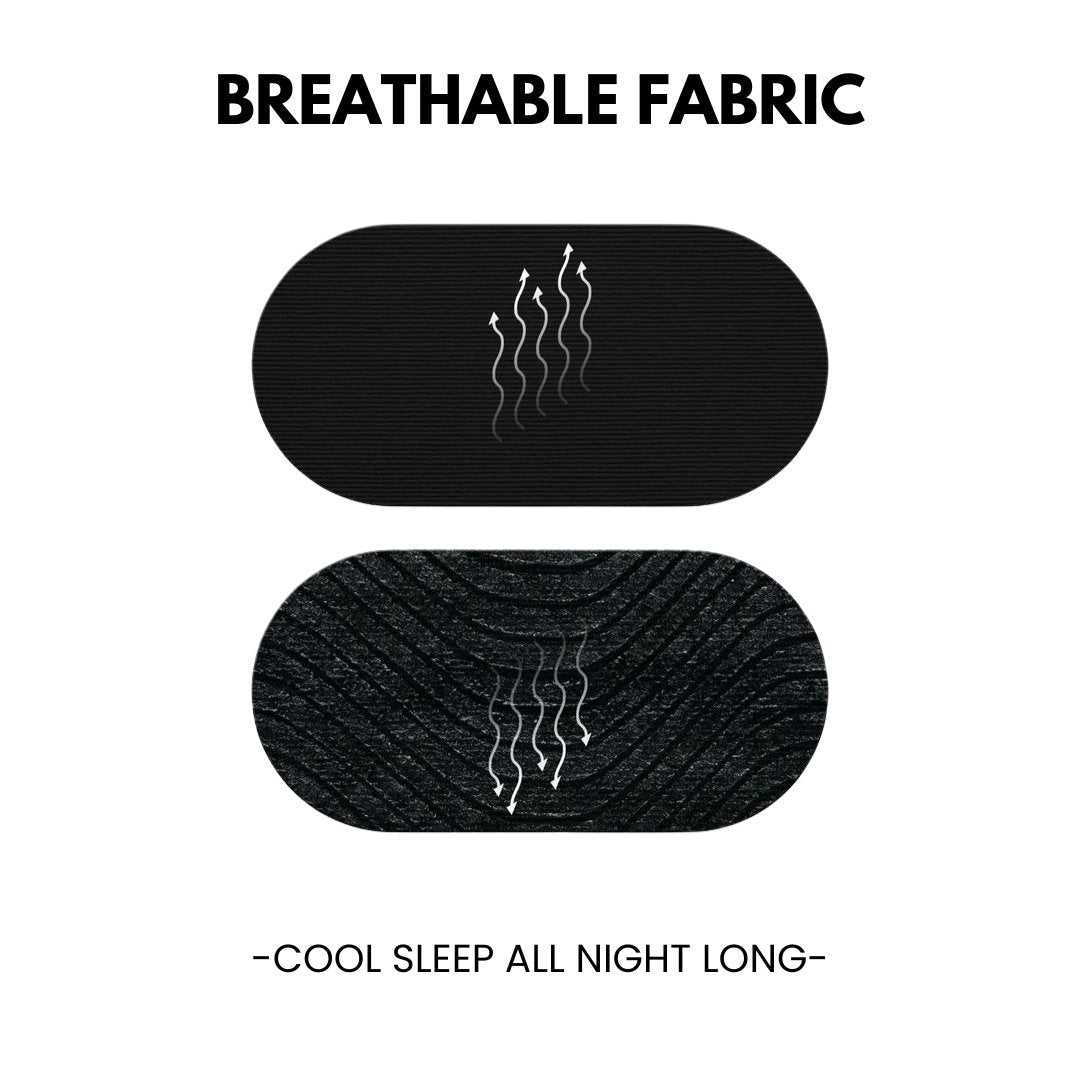
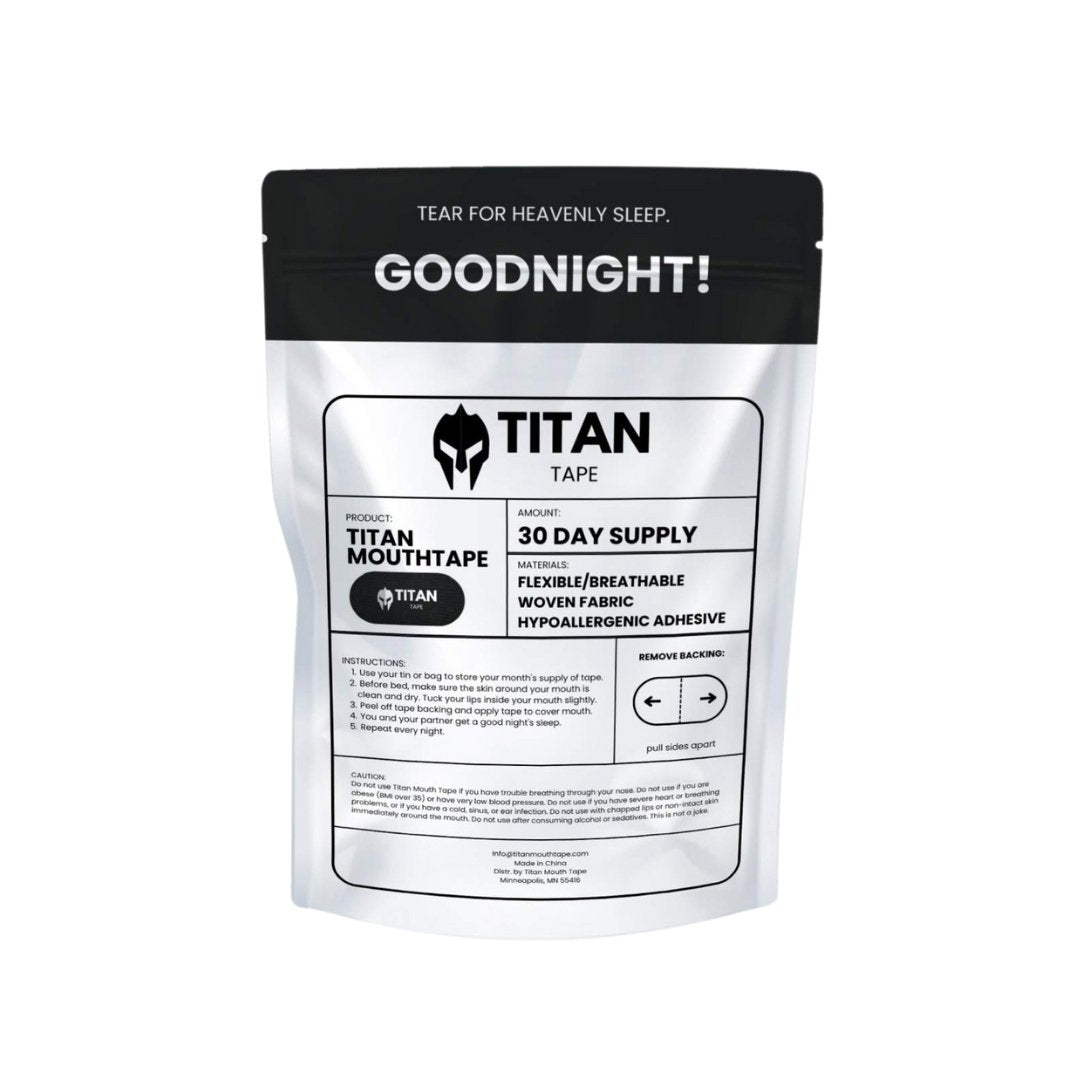
Before bed, blow your nose or use a saline rinse. Peel one strip of Titan Mouth Tape from the sheet and apply it horizontally across your closed lips. Press gently for three seconds. That is it.
Most people adjust within two to three nights. By the end of the first week, the snoring is either significantly reduced or gone. Ask your partner — they will notice before you do.
Doctor Recommended: "As a maxillofacial surgeon and dentist, I recommend Titan Mouth Tape. Nasal breathing during sleep is essential for airway health, jaw alignment, and deep restorative rest. Titan's bamboo silk design is the most comfortable and effective mouth tape I have tested." — Dr. Francious Proulx, MD, DDS — Maxillofacial Surgeon
Lab-Tested Safety: Titan's SilkSeal™ adhesive is independently tested by SGS to ISO 10993 medical device standards. Non-toxic (exceeded safety threshold by 25%). Non-allergenic (0% reaction rate). Non-irritating (score 0.0/8.0). See full test results.