I Mouth Taped for 30 Days. Here's What Actually Changed.
Share
I'd read the articles. I'd seen the TikToks. I'd heard the claims — better sleep, less snoring, more energy, improved focus.
And I thought it sounded ridiculous.
Taping your mouth shut before bed? On purpose? Every night? It sounded like something a college roommate would do to you as a prank, not a legitimate health practice.
But I was tired. Not the kind of tired where you yawn at 3pm. The kind where you sleep eight hours and wake up feeling like you got four. The kind where your partner has been sleeping in the guest room because your snoring is unbearable. The kind where you've tried melatonin, magnesium, a new mattress, blackout curtains, a white noise machine, and a $200 pillow — and nothing has actually fixed the problem.
So I ordered a 30-day supply of mouth tape. And for 30 nights straight, I taped my mouth shut before bed.
Here's what happened.
Night 1: Weird but Fine
I won't lie — it felt strange. Not uncomfortable, just unfamiliar. Like wearing a watch on the wrong wrist. You're aware of it.
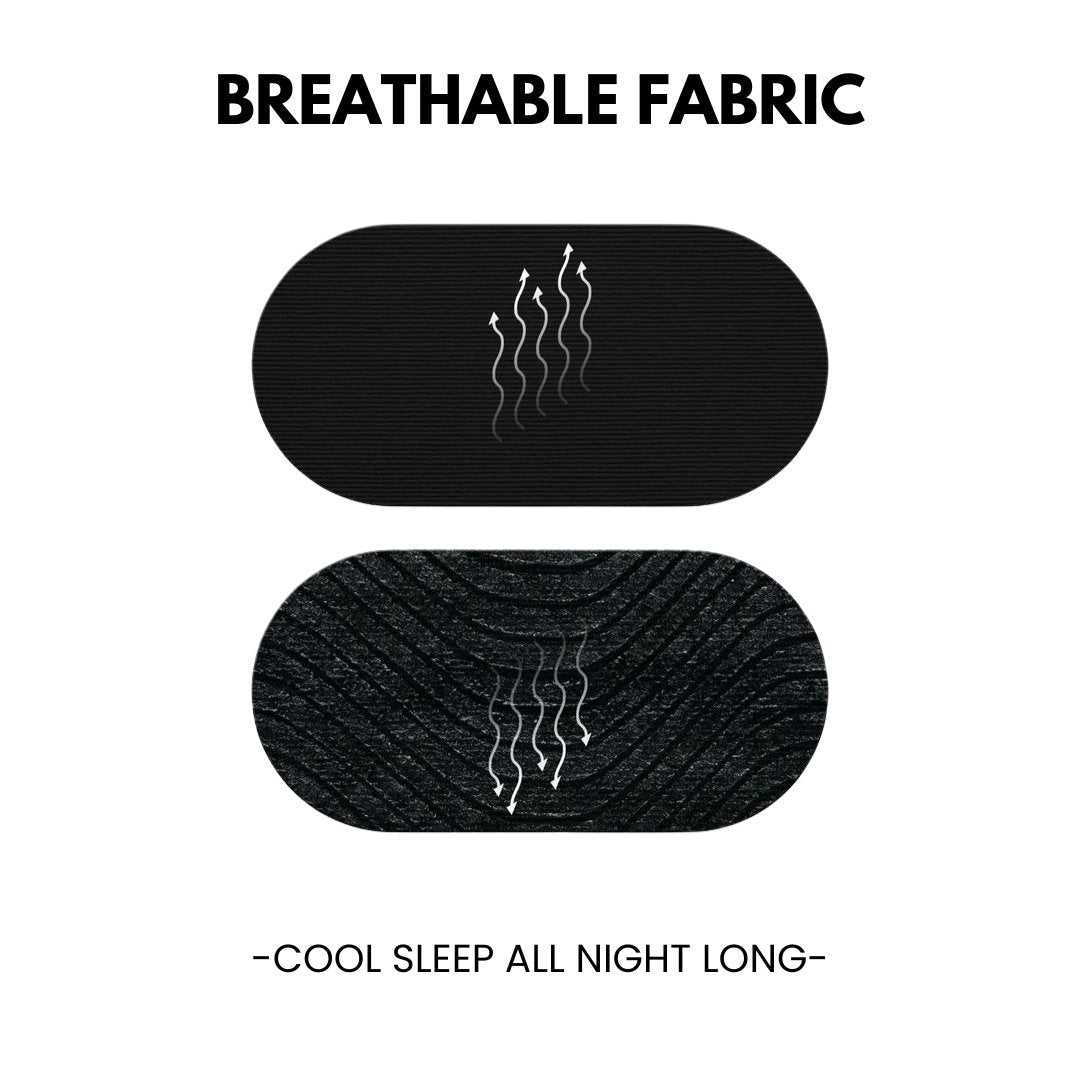
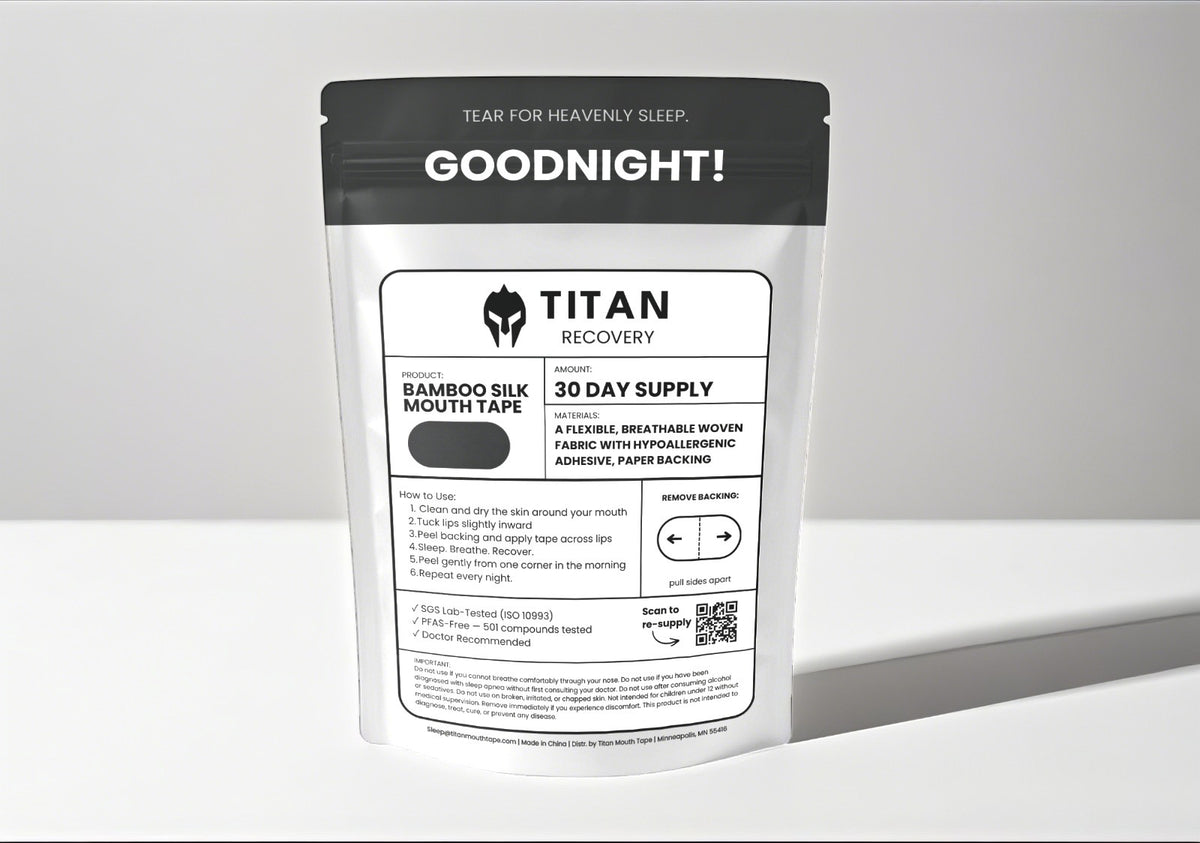
I used bamboo silk tape, which helped. It didn't feel like duct tape or athletic tape. It felt like a thin piece of fabric sitting across my lips. Light. Breathable. Barely there.
I fell asleep within my normal timeframe — maybe 15 minutes. At no point did I feel like I couldn't breathe. My nose was clear, and the air flowed fine. I just wasn't used to having something on my face.
In the morning, the tape was still on. My mouth was closed. And the first thing I noticed: my mouth wasn't dry.
That probably sounds small. It wasn't. I'd been waking up with a dry mouth every single morning for years. Tongue stuck to the roof of my mouth. Reaching for water before I even opened my eyes. It was so normal that I'd stopped thinking about it.
Day one, and that was gone.
Nights 2-5: The Adjustment
By night two, the weirdness was already fading. By night three, applying the tape felt like brushing my teeth — just part of the routine.
During this stretch, I noticed two things:
First, I was sleeping through the night. Not perfectly — I still got up once to use the bathroom, as usual. But I wasn't lying awake at 3am staring at the ceiling for no reason. The middle-of-the-night restlessness that I'd accepted as normal had quietly disappeared.
Second, my partner mentioned — unprompted — that I hadn't been snoring. Not "snoring less." Not snoring. She'd been sleeping in the same room again since night one, waiting for it to come back. By night five, she stopped waiting.
Week 2: Something Shifted
By the second week, I stopped noticing the tape at all. Putting it on took five seconds. Taking it off in the morning took two. It had become invisible — just part of going to bed.
What I did start noticing was how I felt during the day.
I'm not going to make dramatic claims here. I didn't become a superhero. I didn't suddenly need four hours of sleep. I didn't start running marathons or writing novels at 5am.
But something was different. I was less groggy in the morning. The fog that normally hung around until my second cup of coffee was lifting earlier — sometimes before the first cup. I had more patience at work. I was less irritable in the evenings. I was making it to the gym on days I normally would have skipped because I was too tired.
Were these dramatic, life-changing improvements? No. Were they noticeable enough that I'd attribute them to one variable? Honestly — yes. The only thing I'd changed was the tape.
Week 3: The Dental Appointment
This one was coincidental but relevant. I had a routine dental cleaning scheduled during week three.
My dentist had flagged gum inflammation at my last visit six months earlier. Nothing severe — just persistent redness and slight bleeding during cleaning. She'd recommended better flossing, which I'd been doing. Same routine, no changes.
At this visit, she noted the inflammation had improved. "Whatever you're doing, keep doing it," she said. I told her about the mouth taping. She nodded and said it tracked — that dry mouth during sleep is one of the most common contributors to gum inflammation, and that several of her patients had reported similar improvements after switching to nasal breathing at night.
One data point. Not a clinical trial. But it was consistent with what I'd read about saliva's role in protecting teeth and gums during sleep.
Week 4: The Experiment I Didn't Plan
On night 26, I forgot to put the tape on. Just fell asleep without it. First time in almost a month.
I woke up at 6am with a dry mouth, a sore throat, and a headache. My partner said I'd been snoring again — not the whole night, but enough that she'd noticed. I felt groggy in a way I hadn't felt in weeks.
One night. That's all it took to feel the difference in reverse.
It was the most convincing evidence I'd experienced. Not because the taped nights felt amazing — they'd become my new normal, so I'd stopped noticing. But because the one untaped night felt noticeably worse. The contrast made the benefit impossible to ignore.
I put the tape back on the next night. I haven't skipped since.
What I Measured
I wear an Oura Ring, so I had data for the full 30 days. Here's what I saw — keeping in mind that consumer sleep trackers estimate sleep stages and these numbers should be taken as directional, not clinical:
Deep sleep: My average before taping was roughly 35 minutes per night. During the 30 days of taping, it averaged around 55 minutes. That's a meaningful shift — though I can't isolate whether it was the tape, the placebo effect, or just a good month of sleep.
HRV: My resting HRV trended upward by about 8-12 points over the month. Again, many variables could explain this — stress levels, training load, diet. But the trend coincided with the taping.
Respiratory rate: Dropped from an average of about 16 breaths per minute to about 13. This was the most consistent change and the one I'd most confidently attribute to nasal breathing, since respiratory rate is a relatively direct measurement.
Morning resting heart rate: Dropped by about 3-4 bpm on average. Modest but consistent.
I'm not presenting this as proof that mouth taping caused these changes. Too many variables, no control, n=1. But the data was consistent with what I'd expected based on the research I'd read about nasal breathing — and it was consistent with how I felt.
What I Didn't Experience
Honesty matters, so here's what didn't happen:
I didn't lose weight. I didn't suddenly cure any medical condition. I didn't experience "the best sleep of my life" on night one. I didn't wake up feeling like a different person. The improvements were gradual, subtle, and cumulative — not dramatic overnight transformations.
I also didn't experience any negative effects. No skin irritation from the adhesive. No anxiety about having my mouth closed. No difficulty breathing at any point. The tape came off easily every morning with no residue.
Your experience may be completely different from mine. Individual results vary — that's not a disclaimer, it's the truth.
What I'd Tell Someone Who's Considering It
Start on a night when you're not stressed about it. A Friday or Saturday, when you don't have an early alarm. Give yourself permission to rip it off if you hate it. Most people don't — but knowing you can takes the pressure off.
Make sure your nose works first. If you can't breathe comfortably through your nose while awake, mouth taping during sleep isn't going to work. Address congestion, allergies, or structural issues first. If you suspect you have sleep apnea, see a doctor before trying mouth tape — this isn't a treatment for sleep apnea.
Use the right tape. Don't grab whatever's in the junk drawer. Kinesiology tape is too aggressive. Medical paper tape is too weak. Use something designed for mouth taping — breathable material, tested adhesive, comfortable enough to forget about.
Give it a week. Night one is data. Night seven is a trend. Most people I've talked to noticed meaningful changes by nights 3-5. By the end of the first week, you'll know whether it's for you.
Track something. Even if it's just "dry mouth: yes/no" and "how I feel: 1-10" written on your phone each morning. Without tracking, the gradual improvements blend into your new baseline and you stop noticing them — until the night you forget to tape and the old symptoms come back.
Day 31 and Beyond
I'm still taping. Every night. It's as automatic as setting my alarm.
The dry mouth is gone. The snoring is gone. The mornings are better. The data trends in the right direction. My partner is back in the bedroom.
Is it the tape? Is it the nasal breathing? Is it placebo? Is it just that I'm sleeping with my mouth closed for the first time in years and my body is finally doing what it's supposed to do at night?
I don't know which variable matters most. I just know what changed when I started, and what came back the one night I stopped.
That's enough for me.
Doctor Recommended: "As a maxillofacial surgeon and dentist, I recommend Titan Mouth Tape. Nasal breathing during sleep is essential for airway health and deep restorative rest. Titan's bamboo silk design is the most comfortable and effective mouth tape I have tested. If you struggle with snoring, dry mouth, or poor sleep quality, this is the simplest change you can make for your health." — Dr. Francois P., MD, DDS — Maxillofacial Surgeon
Lab-Tested Safety: Titan's SilkSeal™ adhesive is independently tested by an independent, globally accredited laboratory to ISO 10993 medical device standards. Non-toxic (95% cell viability). Non-allergenic (0% reaction rate). Non-irritating (score 0.0/8.0). PFAS-free — 501 compounds tested, zero detected. compliant with European chemical safety standards — 250 toxic substances screened, all clear. See full test results →
Try it for 30 nights. Bamboo silk. SilkSeal™ adhesive. Beard-friendly. No logo on the tape. Free shipping. 30-night Better Sleep Guarantee — if your experience isn't like this one, you get your money back. Start your 30 days →
Try it tonight. Bamboo silk. SilkSeal™ adhesive. Beard-friendly. No logo on the tape. Free shipping. 30-night Better Sleep Guarantee. Shop Titan Mouth Tape → · Shop TitanAir →