Mouth Tape vs. Chin Strap
Share
Mouth Tape vs. Chin Strap
One holds the jaw. The other seals the lips. The difference is bigger than you think.
If you snore or mouth breathe during sleep, you have probably considered two options: a chin strap or mouth tape. Both aim to keep the mouth closed. But they work through completely different mechanisms — and the results are not comparable.
How a Chin Strap Works
A chin strap wraps under your jaw and attaches at the top of your head, using fabric tension to hold the jaw in a closed position. It addresses jaw drop but does not create a lip seal — your jaw may be held closed while your lips still part, allowing air to escape. Chin straps are bulky, frequently shift during the night, leave marks on the face, and many users find them uncomfortable enough to abandon within weeks.
How Mouth Tape Works
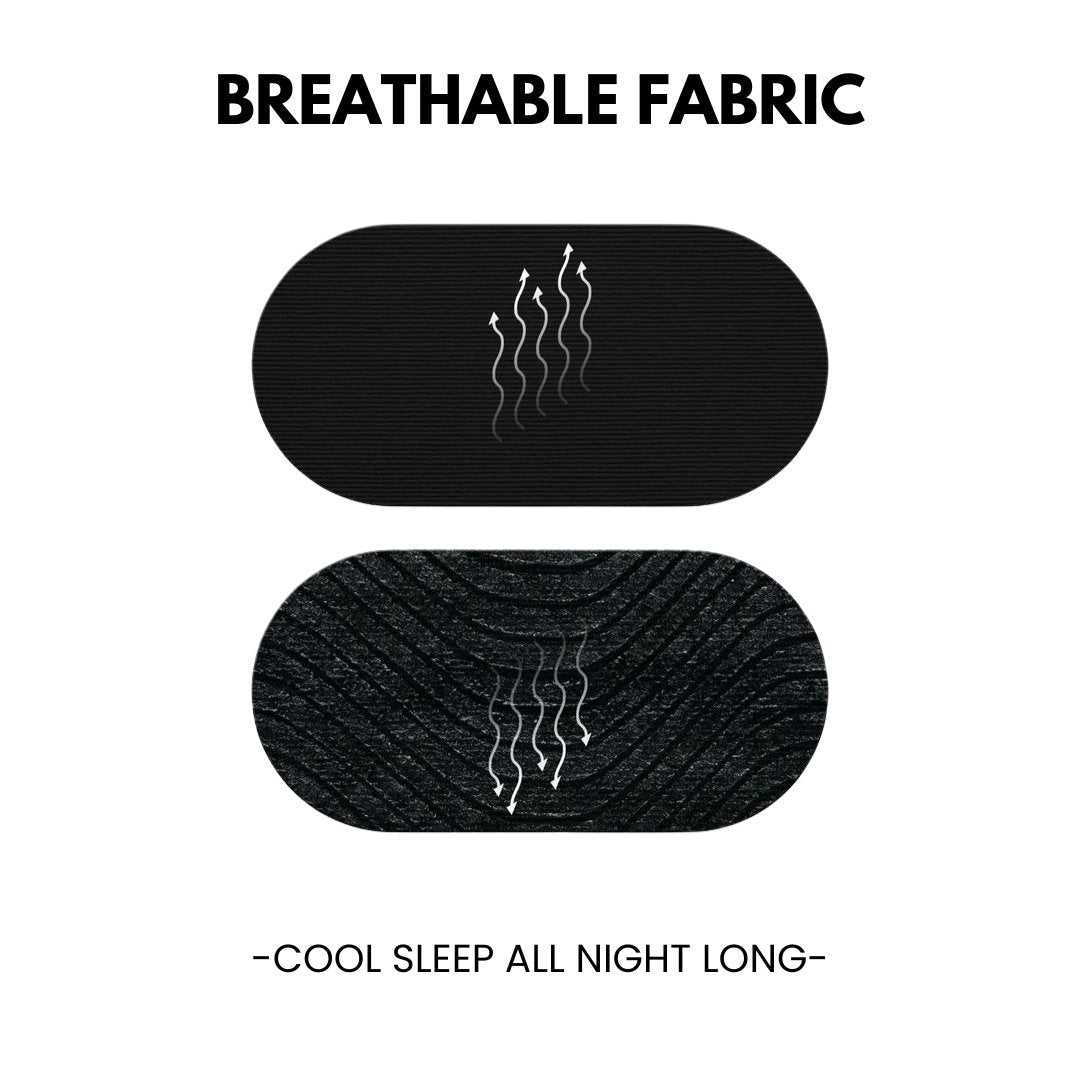
Mouth tape creates a direct seal between the upper and lower lip. It does not rely on external force or headgear — just a gentle adhesive that holds the lips together while you sleep. The seal is complete (no air escapes through parted lips), the tape is thin and nearly invisible, it works with any sleep position, and it does not interfere with CPAP headgear or pillows.
The Verdict
Chin straps are a blunt instrument. Mouth tape is precision. For keeping the mouth truly closed during sleep, mouth tape wins on seal quality, comfort, convenience, and long-term adherence. The only scenario where a chin strap may be preferred is if you have skin sensitivities that prevent any adhesive use — and even then, hypoallergenic options like Titan Mouth Tape make this rare.
Ditch the Strap
One strip. Complete lip seal. All night.
Shop Titan Mouth TapeFree shipping. Better Sleep Guarantee.