Mouth Tape and Sleep Apnea
Share
Sleep apnea and mouth taping come up together constantly — and the conversation is usually oversimplified. Some people claim mouth tape cures sleep apnea. Others say it is dangerous for anyone with sleep apnea. Neither is accurate.
The real answer depends on the type and severity of your sleep apnea, whether you use a CPAP machine, and what your doctor recommends.
Mouth Tape Is Not a Treatment for Sleep Apnea
This needs to be stated clearly. Mouth tape is not a replacement for CPAP, oral appliances, or any prescribed treatment for obstructive sleep apnea (OSA). Sleep apnea involves repeated episodes of airway collapse during sleep — a structural problem that mouth tape cannot fix.
If you have been diagnosed with moderate to severe sleep apnea, continue your prescribed treatment. Do not replace it with mouth tape.
When Mouth Tape Can Help
As a CPAP complement. Many CPAP users with nasal masks experience mouth leaks — air escapes through the open mouth, reducing machine pressure and effectiveness. Mouth tape keeps the lips sealed so CPAP pressure is maintained through the nose. This is the most common and well-supported use of mouth tape for sleep apnea patients.
A 2022 study found that adding mouth tape or mouth sealing to CPAP therapy improved treatment efficacy in patients who experienced mouth leaks. Many sleep specialists now suggest mouth tape as an alternative to chin straps for CPAP users.
For mild sleep apnea under medical guidance. A small study published in Healthcare examined mouth tape in patients with mild OSA and found reduced snoring and improved sleep quality. However, the study was limited in size and should not be interpreted as a universal recommendation.
If you have mild sleep apnea and want to try mouth tape, talk to your doctor first. They may recommend a home sleep test with and without tape to measure the impact on your breathing events.
When Mouth Tape Should Not Be Used
Do not use mouth tape if you have moderate to severe sleep apnea and are not currently on CPAP or another prescribed treatment. Do not use it if you cannot breathe comfortably through your nose. Do not use it if you have been told by your doctor to avoid it.
If you snore heavily, gasp or choke during sleep, stop breathing (as observed by a partner), or feel excessively tired during the day despite sleeping enough — get a sleep study before trying mouth tape. These are signs of sleep apnea that require medical evaluation.
If You Use a Full-Face CPAP Mask
Full-face CPAP masks cover both the nose and mouth. Mouth tape is not needed with this type of mask because the mask already seals the mouth. Mouth tape is relevant only for nasal masks and nasal pillow masks where mouth leaks are possible.
The Bottom Line
Mouth tape is a tool, not a treatment. For CPAP users with nasal masks, it can improve compliance and effectiveness. For people with mild sleep apnea under medical guidance, it may complement other interventions. For people with untreated moderate to severe sleep apnea, it is not appropriate without medical supervision.
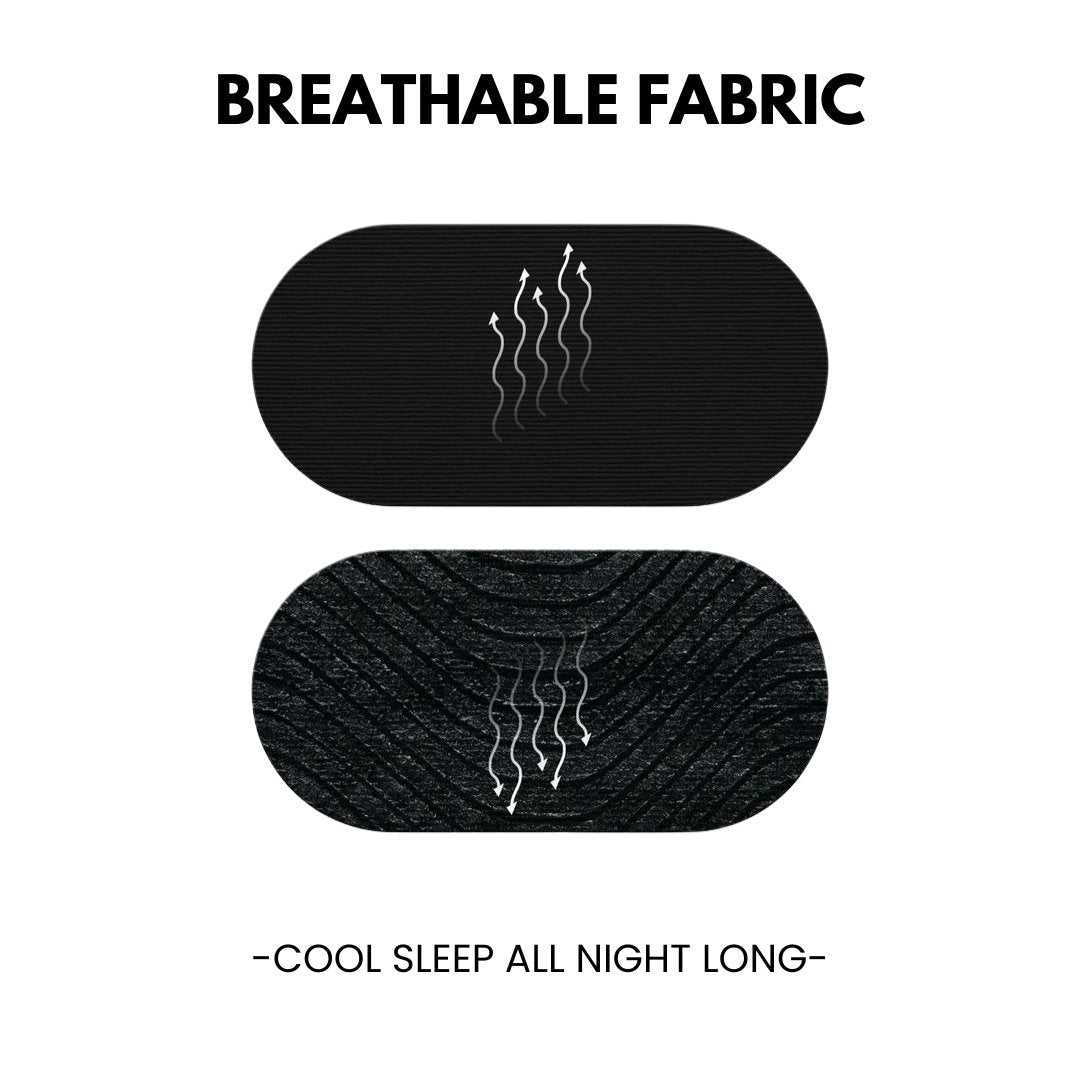
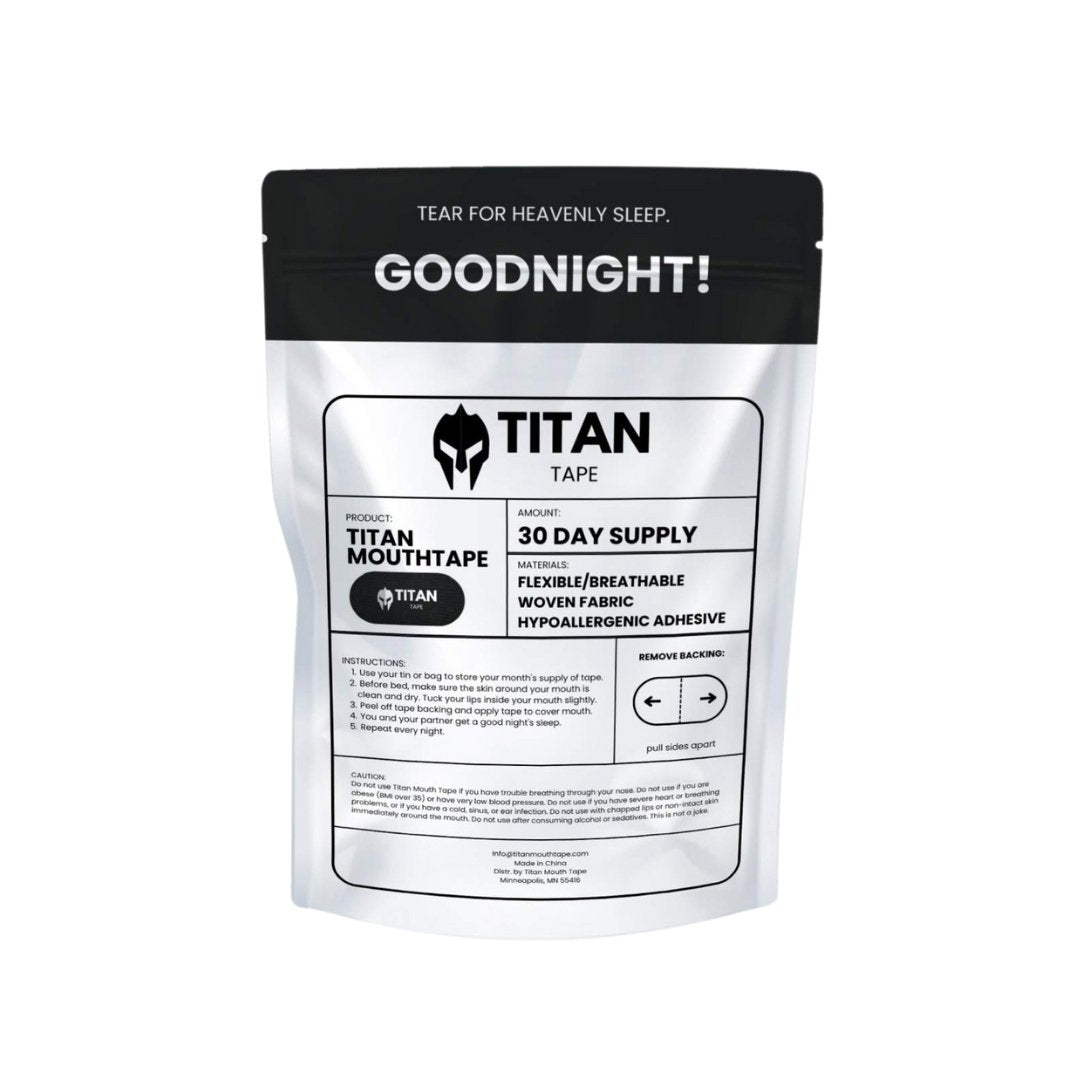
If you use CPAP with a nasal mask and experience mouth leaks, Titan Mouth Tape may help. Bamboo silk, SilkSeal adhesive, SGS lab-tested. Talk to your doctor and try it with their guidance.
Doctor Recommended: "As a maxillofacial surgeon and dentist, I recommend Titan Mouth Tape. Nasal breathing during sleep is essential for airway health, jaw alignment, and deep restorative rest. Titan's bamboo silk design is the most comfortable and effective mouth tape I have tested." — Dr. Francious Proulx, MD, DDS — Maxillofacial Surgeon
Lab-Tested Safety: Titan's SilkSeal™ adhesive is independently tested by SGS to ISO 10993 medical device standards. Non-toxic (exceeded safety threshold by 25%). Non-allergenic (0% reaction rate). Non-irritating (score 0.0/8.0). See full test results.