Mouth Breathing at Night: 12 Problems You Don't Know You Have
Share
Mouth Breathing at Night: 12 Problems You Don't Know You Have
You might be doing it right now without realizing it. Here is what mouth breathing costs you — and the simplest fix that exists.
Most people have no idea they breathe through their mouth at night. There is no alarm that goes off. No notification. You go to bed, your jaw relaxes, your mouth falls open, and for the next eight hours your body breathes through a pathway it was never designed to rely on during sleep.
The symptoms show up in the morning — dry mouth, sore throat, fatigue, brain fog — but most people blame stress, aging, or "just not being a morning person." They never connect it to how they breathe.
This post breaks down the 12 biggest problems caused by mouth breathing at night, the science behind each one, and why a single behavioral change can fix most of them.
Are You a Mouth Breather? The Signs
Before we get into the damage, let's figure out if this applies to you. Most mouth breathers do not know they are mouth breathers. Check how many of these sound familiar.
The 12 Problems Caused by Mouth Breathing at Night
Fragmented Sleep Cycles
When your mouth falls open, your airway narrows. Your tongue drops backward. The resulting airflow turbulence pulls your body out of deep sleep and into lighter stages — often without fully waking you. You get eight hours in bed but the actual restorative sleep you receive might be closer to four or five. This is why you can "sleep enough" and still wake up exhausted.
Snoring and Sleep-Disordered Breathing
Mouth breathing is one of the primary drivers of snoring. When air passes through a narrowed, dry oral airway, the soft tissues in the back of the throat vibrate — producing the sound everyone in the house can hear except you. In some cases, this progresses to obstructive sleep apnea, where the airway fully collapses and breathing stops for seconds at a time. A clinical study using 3M mouth tape found that 13 out of 20 participants with mild obstructive sleep apnea showed a 50 percent reduction in snoring after just one week of mouth taping.
Reduced Oxygen Intake
Nasal breathing produces nitric oxide — a vasodilator that improves oxygen absorption in the lungs. Studies show nasal breathing increases blood oxygen uptake by 10 to 18 percent compared to mouth breathing at the same respiratory rate. When you mouth breathe, you bypass nitric oxide production entirely. Over eight hours of sleep, that is a significant deficit in the oxygen reaching your brain, muscles, and organs.
Dry Mouth and Tooth Decay
Saliva is your mouth's natural defense system. It neutralizes acids, washes away bacteria, and remineralizes tooth enamel. When you mouth breathe at night, your oral cavity dries out for hours. The bacterial environment shifts toward decay-causing organisms. Dentists have long identified chronic mouth breathing as a significant risk factor for cavities, gum disease, and periodontal issues — even in patients with otherwise good dental hygiene.
Chronic Bad Breath
Morning bad breath that does not respond to brushing, flossing, or mouthwash is almost always a mouth breathing problem, not a hygiene problem. A dry mouth creates an ideal environment for anaerobic bacteria — the organisms responsible for sulfur-compound production and persistent halitosis. Restoring saliva flow by keeping the mouth closed during sleep often resolves the issue within days.
Brain Fog and Cognitive Impairment
Your brain consumes roughly 20 percent of your body's oxygen. When mouth breathing reduces oxygen efficiency during sleep, your brain receives less of what it needs for overnight maintenance — memory consolidation, waste clearance, neural repair. The result is morning grogginess, difficulty concentrating, and the kind of brain fog that many people attribute to aging or stress when it is actually a breathing problem.
Elevated Cortisol and Stress Response
Mouth breathing activates the sympathetic nervous system — the fight-or-flight branch. Over the course of a full night, this sustained sympathetic activation elevates cortisol levels, increases heart rate, and keeps your body in a low-grade stress state even while you sleep. Nasal breathing does the opposite: it activates the parasympathetic branch, lowering cortisol, improving heart rate variability, and creating the conditions for genuine rest and recovery.
Weakened Immune Defense
Nitric oxide produced in the nasal passages has potent antimicrobial properties. It neutralizes bacteria, viruses, and other airborne pathogens before they reach the lungs. When you mouth breathe, you bypass this entire first line of defense. The air entering your lungs is unfiltered, unhumidified, and free of the antimicrobial protection that nasal breathing provides. Over time, this increases susceptibility to respiratory infections.
Higher Blood Pressure
The nitric oxide produced during nasal breathing relaxes blood vessels and reduces pulmonary vascular resistance. Without it, the cardiovascular system works harder overnight. Science journalist James Nestor documented this directly: during his Stanford mouth-breathing experiment, his blood pressure rose measurably. When he switched to exclusive nasal breathing, his blood pressure dropped an average of 10 points.
Slower Physical Recovery
Recovery happens during deep sleep. If mouth breathing is fragmenting your sleep cycles and reducing your oxygen efficiency, your body's ability to repair muscle tissue, regulate hormones, and clear metabolic waste is compromised. For athletes and active people, mouth breathing at night can be the hidden bottleneck limiting progress — the reason you train hard but never feel fully recovered.
Daytime Fatigue and Afternoon Crashes
When your sleep quality is compromised, no amount of coffee will fix the downstream effects. Mouth breathers consistently report needing more caffeine, experiencing sharper afternoon energy drops, and having lower overall stamina throughout the day. The problem is not the afternoon — it is the eight hours of inefficient breathing that preceded it.
Sore Throat and Respiratory Irritation
Nasal breathing warms, filters, and humidifies air before it reaches your throat and lungs. Mouth breathing delivers cold, dry, unfiltered air directly to the back of your throat for eight hours straight. The result is chronic throat irritation, morning soreness, increased susceptibility to upper respiratory infections, and exacerbation of existing conditions like asthma or allergies.
Mouth Breathing vs. Nasal Breathing: What Happens Overnight
How to Stop Mouth Breathing at Night
The challenge with mouth breathing is that it happens while you are unconscious. You cannot willpower your way through it. You cannot set an alarm to check. You need a mechanical solution that keeps your mouth closed while you sleep — so your body defaults to nasal breathing automatically.
Step 1: Rule Out Structural Issues
If you cannot breathe comfortably through your nose while awake and lying down, see a doctor before trying mouth tape. Chronic nasal congestion, a deviated septum, or nasal polyps may need to be addressed first. Mouth tape works by redirecting airflow to the nose — but only if the nose is clear enough to handle it.
Step 2: Try Mouth Tape
Mouth tape is the simplest, most cost-effective intervention for keeping the mouth closed during sleep. A single strip of breathable, hypoallergenic tape applied over the lips before bed holds the mouth gently closed all night, training the body to breathe through the nose. Most people adjust within one to two nights. The change in morning energy, dry mouth, and overall sleep quality is typically noticeable within the first week.
Step 3: Build the Habit
Mouth taping is not a one-time fix — it is a nightly practice. Over time, consistent nasal breathing during sleep actually retrains the muscles and tissues of the airway. The soft tissues in the throat become toned and conditioned to stay open. Nasal breathing begets more nasal breathing. Many long-term mouth tapers report that even without tape, their mouth stays closed more naturally during sleep after months of consistent use.
Why Titan Mouth Tape
Not all mouth tape is created equal. Some brands use repackaged kinesiology tape with aggressive acrylic adhesives that cause skin irritation, residue, and rashes with repeated nightly use. Others use thin silicone that loses adhesion before morning — especially on facial hair.
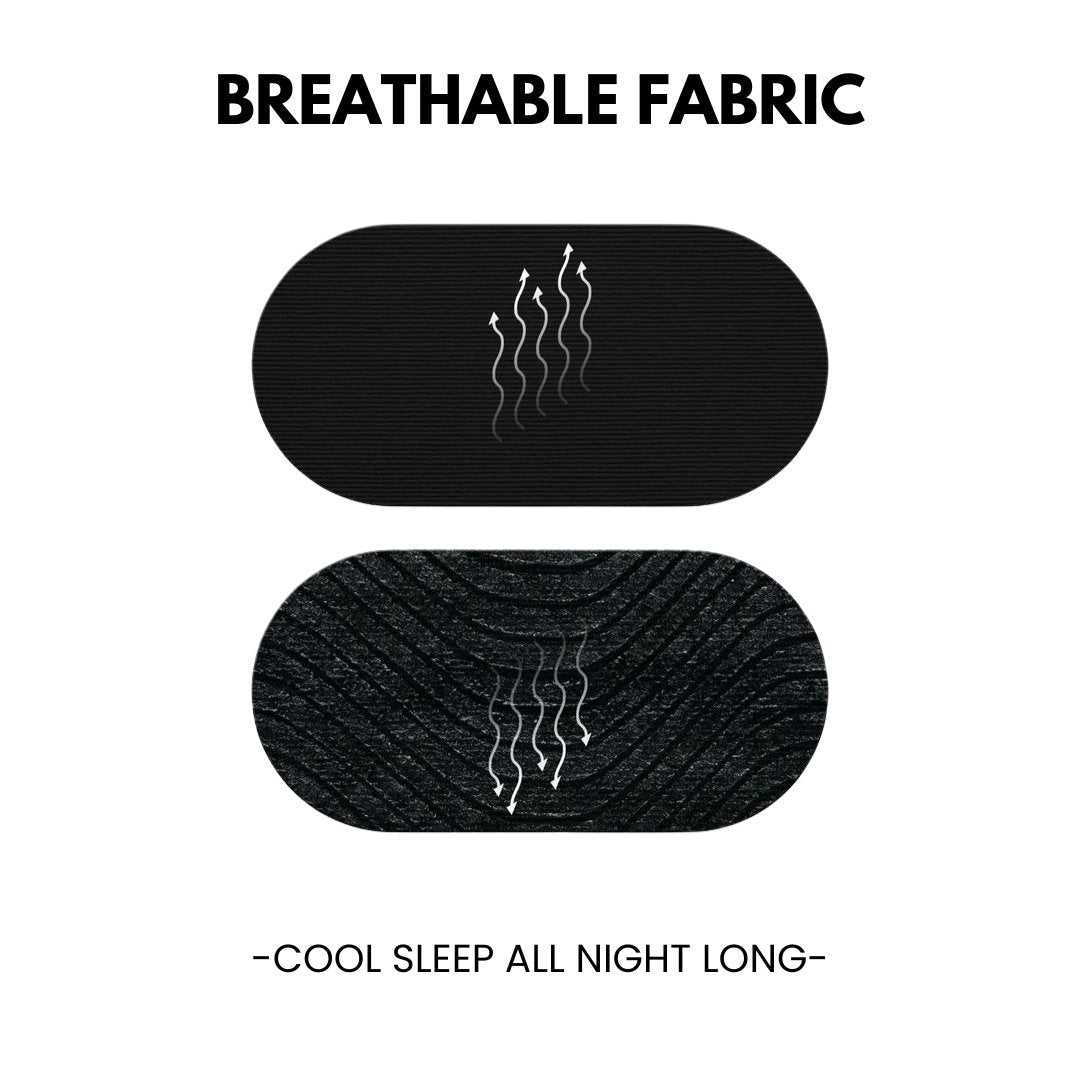
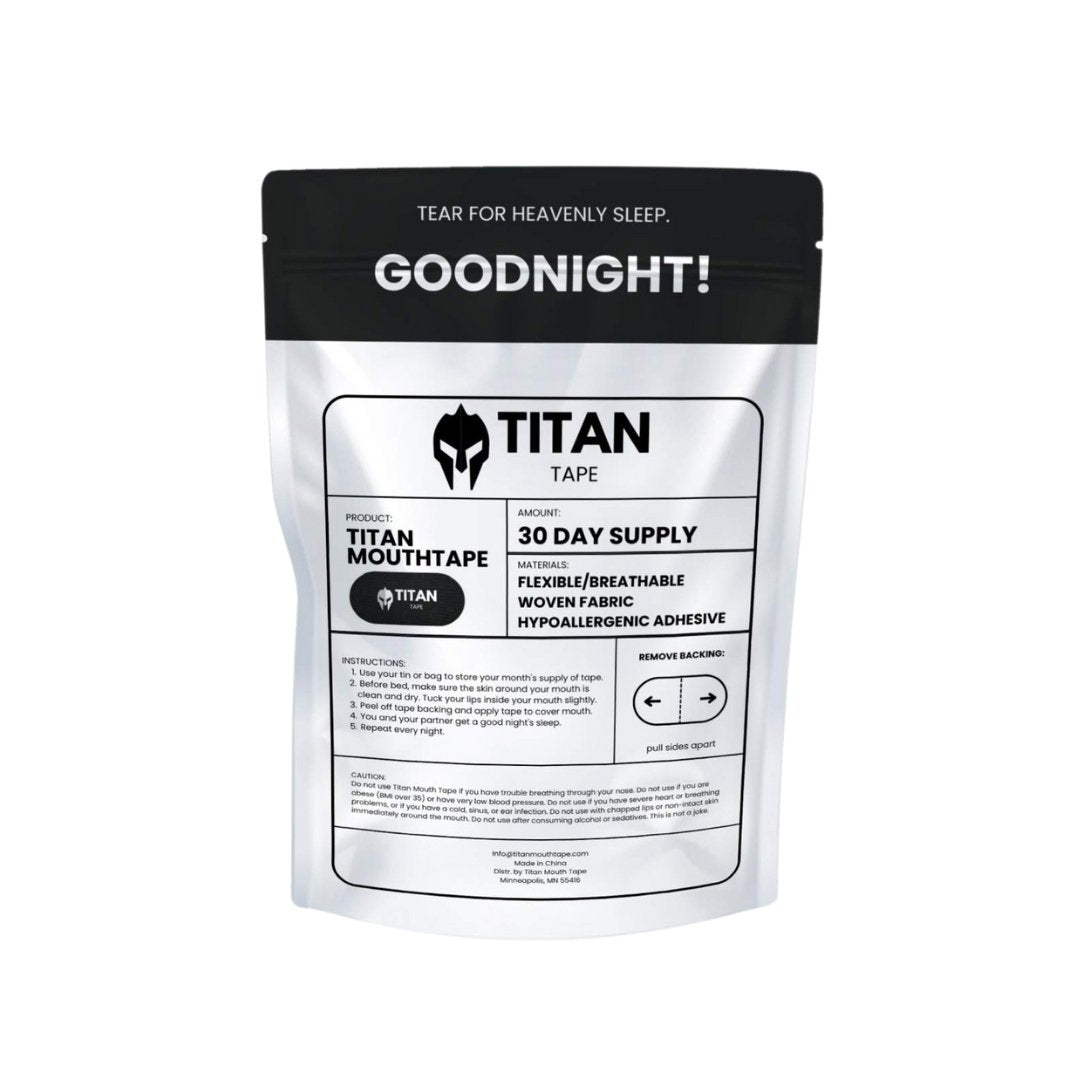
Titan Mouth Tape is made from breathable bamboo silk with a hypoallergenic adhesive designed specifically for nightly use on sensitive skin. It stays on all night — including over beards — without irritation, peeling, or residue. The tape itself carries no printed logo, because ink on adhesive can cause contact irritation over hundreds of nights of use. It is a detail no other brand bothers with, and it is the kind of detail that matters when you are putting something on your face 365 days a year.
Available in 30, 90, 180, and 360-day supplies. Free shipping on every order. Every purchase is backed by the Better Sleep Guarantee — try it for 30 nights, and if you do not sleep better, you get your money back.
Fix the Problem Tonight
Twelve problems. One root cause. One strip of tape. Close your mouth and let your body do the rest.
Shop Titan Mouth TapeBamboo silk. Hypoallergenic. Beard-friendly. Free shipping. Under $0.54/night.