Is Mouth Taping Safe? What You Need to Know Before You Start
Share
Is Mouth Taping Safe? What You Need to Know Before You Start
An honest look at the risks, the benefits, who should try mouth taping, and who should talk to a doctor first.
You have probably seen mouth taping on TikTok, heard Andrew Huberman talk about it, or read about Erling Haaland doing it every night. And your first reaction was probably the same as everyone else's: is it safe to tape your mouth shut while you sleep?
It is a fair question. And the answer is nuanced — not a blanket yes or no. Mouth taping is safe for most healthy adults, but there are specific situations where it is not appropriate and where you should consult a doctor first. Here is the honest breakdown.
The Short Answer
For healthy adults who can breathe comfortably through their nose while lying down, mouth taping is a low-risk practice with well-documented benefits for sleep quality, snoring reduction, and nasal breathing. Purpose-built sleep tape uses gentle, breathable adhesive that can be removed instantly if needed — you are not sealing your mouth with duct tape.
However, mouth taping is not appropriate for everyone. Below is who should try it, who should not, and who should check with a doctor first.
Who Should Try Mouth Taping
Healthy adults who mouth breathe during sleep
If you wake up with dry mouth, sore throat, or morning bad breath — and you can breathe through your nose comfortably when lying down — mouth tape is safe and likely beneficial for you.
Snorers (without diagnosed sleep apnea)
If your snoring is caused by habitual mouth breathing and not by a medical airway condition, mouth tape addresses the root cause — keeping the mouth closed so air flows through the nose.
CPAP users experiencing mouth leaks
For people using nasal CPAP masks who lose pressurized air through an open mouth, mouth tape can improve therapy effectiveness by maintaining lip seal. Many sleep specialists recommend this as an alternative to a chin strap.
Athletes and active people focused on recovery
Nasal breathing during sleep improves oxygen absorption and activates the parasympathetic nervous system, supporting faster physical recovery. Elite athletes across multiple sports have adopted mouth taping for this purpose.
Who Should NOT Use Mouth Tape
People with moderate to severe obstructive sleep apnea (undiagnosed or untreated)
If you have undiagnosed or untreated sleep apnea, mouth taping could mask symptoms and potentially worsen breathing events. Loud snoring with gasping, choking, or observed pauses in breathing requires a sleep study and professional treatment before attempting mouth tape.
People who cannot breathe through their nose
If chronic nasal congestion, severe allergies, nasal polyps, or a significantly deviated septum prevent you from breathing through your nose while lying down, mouth tape will not work — and attempting it could cause distress. Address the nasal obstruction first with appropriate medical treatment.
Children under 12 (without medical supervision)
Mouth taping has not been sufficiently studied in children. While some pediatric dentists and airway specialists use taping in clinical settings, it should never be attempted on children without guidance from a qualified healthcare provider.
Anyone at risk of vomiting during sleep
If you have a condition that increases the risk of nausea or vomiting during sleep — such as gastroparesis or heavy alcohol use — mouth tape is not appropriate as it could impede clearance of the airway.
Who Should Check With a Doctor First
People with asthma or COPD
Nasal breathing is generally beneficial for respiratory conditions, but anyone with a diagnosed breathing disorder should consult their doctor before changing how they breathe during sleep.
People who suspect but have not confirmed sleep apnea
If you are a loud snorer and experience daytime fatigue, morning headaches, or your partner reports gasping or pauses in your breathing — get a sleep study before using mouth tape. Mouth tape may complement CPAP therapy, but it is not a replacement for diagnosing and treating sleep apnea.
People with significant anxiety about restricted breathing
Some people experience claustrophobia or anxiety when their mouth is covered. If this is you, start by wearing the tape for short periods while awake to acclimate. If the anxiety does not subside, mouth tape may not be right for you — and that is okay.
Common Safety Questions
Can you suffocate from mouth taping?
No. Purpose-built sleep tape uses a gentle, breathable adhesive. The material allows a small amount of air permeability. And the adhesive is designed to release if you open your mouth with moderate force — your body's survival instinct will override the tape if you genuinely need to mouth breathe. You are not creating a hermetic seal. You are creating a gentle hold that redirects airflow to the nose.
What if my nose gets congested during the night?
If you can breathe through your nose when you lie down, you will almost always be able to breathe through it all night. Temporary congestion shifts during sleep typically resolve on their own. If you are prone to nighttime congestion, a saline rinse before bed and an antihistamine can help. And again — the tape releases with deliberate effort if needed.
Will the adhesive damage my skin?
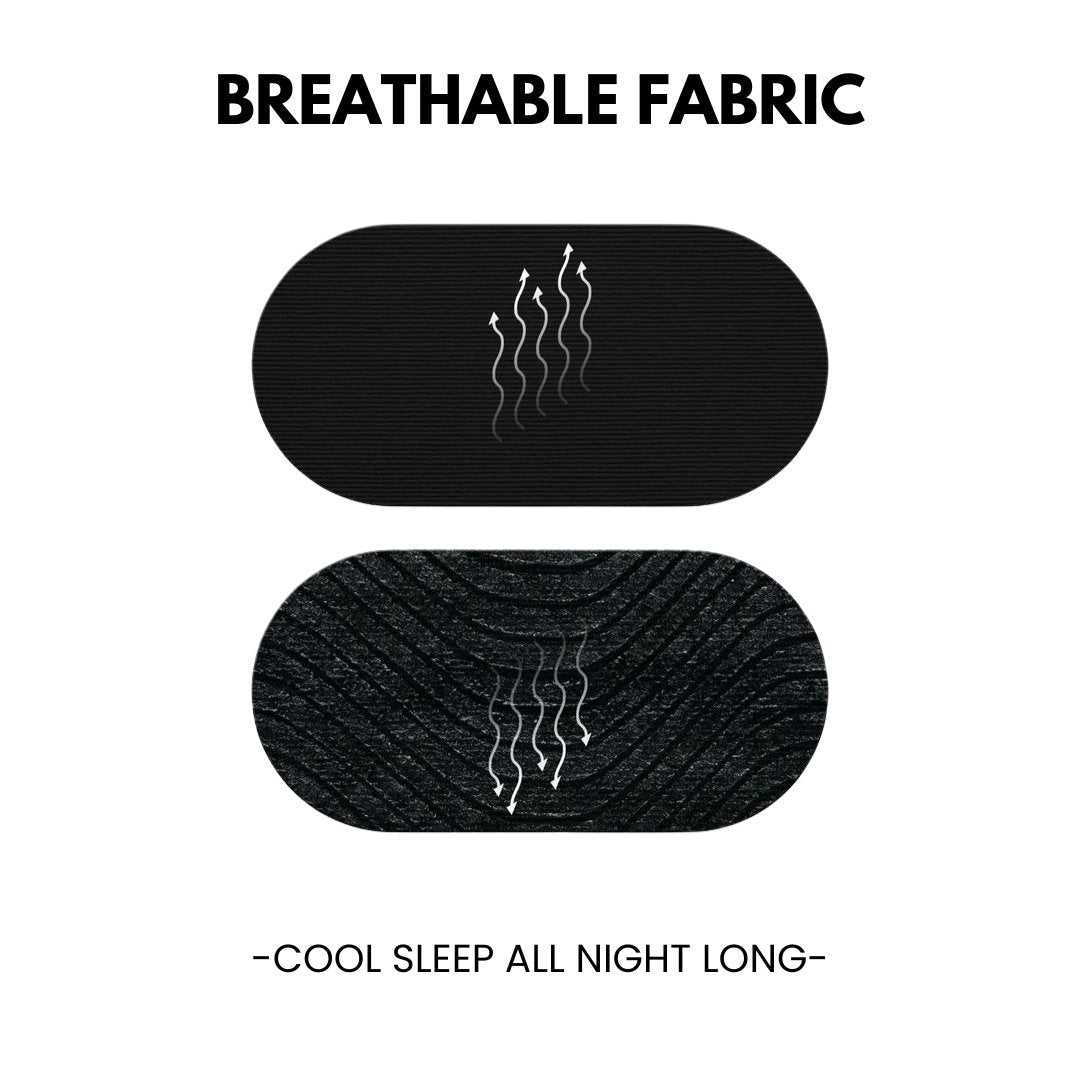
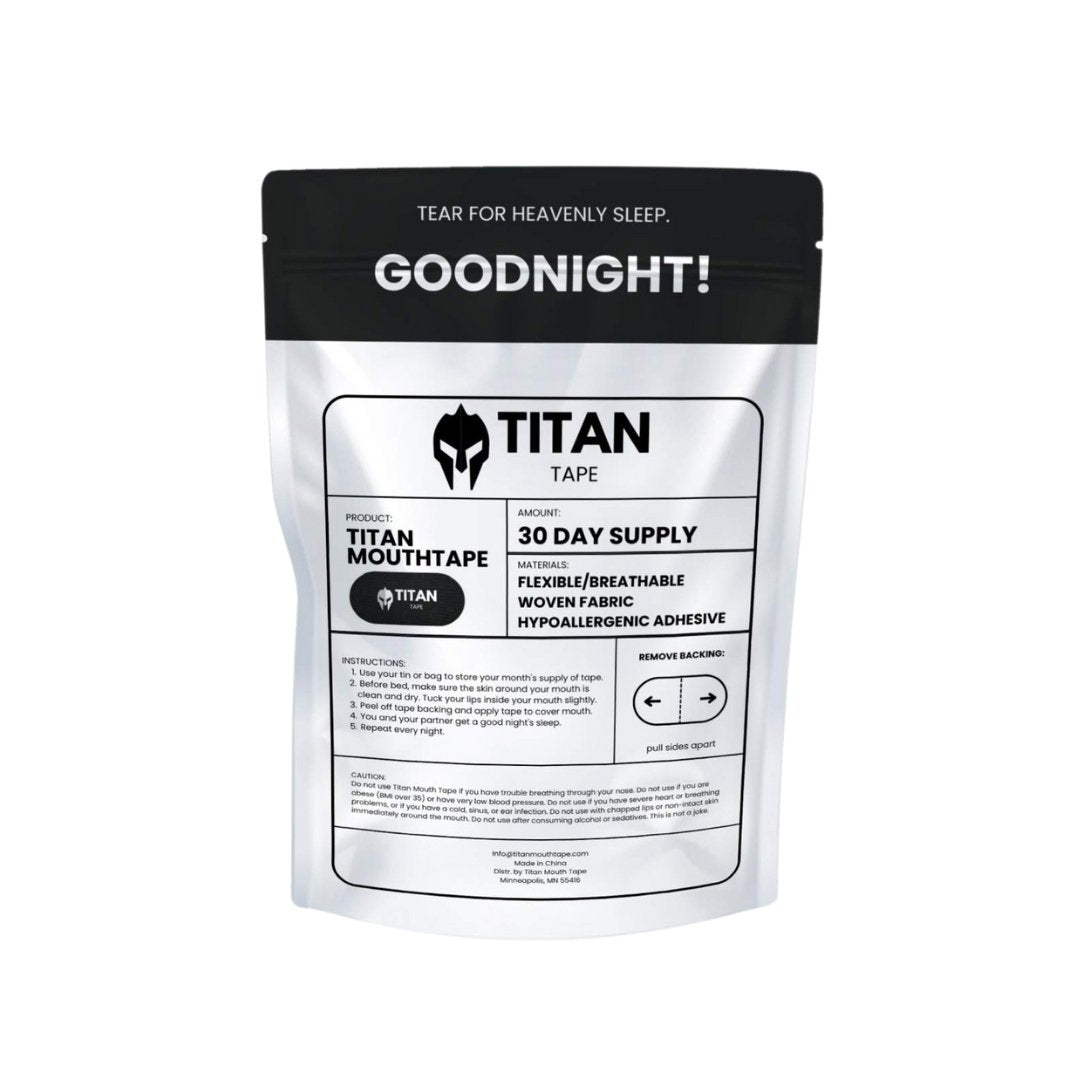
This depends entirely on the tape. Cheap tapes with aggressive acrylic adhesives can cause redness, peeling, and irritation — especially with daily use. Titan Mouth Tape uses a hypoallergenic adhesive on bamboo silk material, designed for nightly use on sensitive skin without residue or irritation. No logo is printed on the tape, because ink on adhesive adds an unnecessary irritation risk.
Does mouth tape work with beards?
Many brands struggle with facial hair adhesion. Titan Mouth Tape is specifically engineered to hold through beards of all lengths without pulling or residue — a common failure point of silicone-based competitors.
Is there any scientific evidence that mouth taping works?
Research is still emerging, but small clinical studies have shown measurable benefits. One study found a 50 percent reduction in snoring among participants with mild obstructive sleep apnea after one week of mouth taping. Another study demonstrated reduced mouth leak during bilevel ventilation. Science journalist James Nestor documented dramatic improvements in sleep apnea events, blood pressure, and snoring during his nasal-vs-mouth breathing experiment at Stanford. The physiological case for nasal breathing is well-established — mouth tape is simply the tool that enables it during sleep.
How to Start Safely
If you fall into the "safe to try" category, the process is straightforward. First, confirm you can breathe comfortably through your nose while lying down. Second, use a tape specifically designed for sleep — not medical tape, not kinesiology tape, not anything from your toolbox. Third, start tonight and give it three to five nights to adjust. Most people acclimate within two to three days and wonder why they did not start sooner.
Safe, Simple, Effective
No gimmicks. No risks for healthy adults. Just one strip of bamboo silk tape between you and the best sleep of your life.
Shop Titan Mouth TapeBetter Sleep Guarantee. Free shipping. Under $0.54/night.