How to Train Yourself to Breathe Through Your Nose at Night
Share
How to Train Yourself to Breathe Through Your Nose at Night
You can't willpower your way through it — you're unconscious. But you can train the habit with a simple system that starts tonight.
The challenge with nighttime mouth breathing is that it happens while you are asleep. You cannot set a reminder to close your mouth. You cannot consciously choose nasal breathing when you are unconscious. That is why mouth breathing persists for years in people who breathe perfectly fine through their nose during the day.
But nasal breathing during sleep can be trained — and it is simpler than you think. Here is the step-by-step process, from pre-assessment through your first night to building a permanent habit.
Before You Start: The Nasal Patency Check
Before training nasal breathing at night, you need to confirm that your nose can actually handle the job. Lie down on your back, close your mouth, and breathe exclusively through your nose for two to three minutes. If you can breathe comfortably without strain, your nasal passages are clear enough to support nighttime breathing.
If you cannot — if one or both nostrils feel significantly blocked — address the obstruction first. Common culprits include allergies (treat with antihistamines or nasal corticosteroid spray), a deviated septum (see an ENT), or chronic congestion (try a saline rinse before bed). Mouth tape works by redirecting airflow to the nose, but only if the nose is capable of handling it.
The 5-Step Training System
Practice Daytime Nasal Breathing First
Before taping at night, spend a few days becoming conscious of how you breathe during the day. Set periodic reminders to check: is your mouth open or closed? Are you breathing through your nose? Most people find they mouth breathe during focused work, exercise, and stress without realizing it. The more you practice nasal breathing while awake, the more natural it will feel when you introduce it during sleep.
Clear Your Nasal Passages Before Bed
A pre-bed nasal hygiene routine makes a significant difference. Use a saline rinse or nasal spray to clear mucus and reduce inflammation. If you have allergies, take your antihistamine in the evening rather than the morning. Some people find a hot shower before bed helps open the nasal passages. The goal is to go to bed with the clearest possible airway so your nose can handle the full night.
Start With Mouth Tape
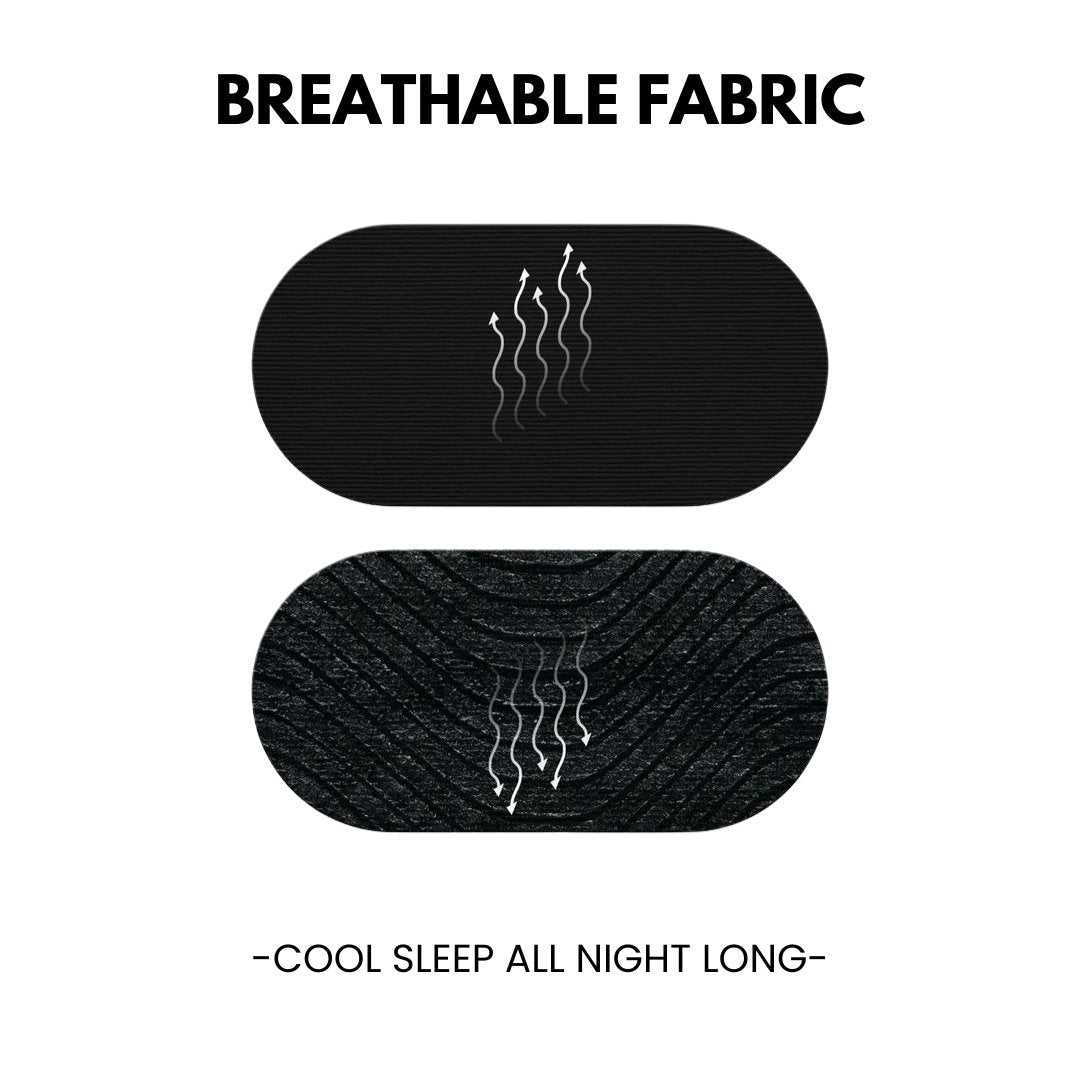
Mouth tape is the mechanical bridge between intention and habit. A single strip of breathable tape applied over the lips keeps the mouth gently closed while you sleep, forcing nasal breathing automatically. You do not need to think about it, remember to do it, or wake up to check — the tape handles the mechanics while your body does the adapting.
Use a tape designed specifically for sleep — breathable, hypoallergenic, and made from a material like bamboo silk that will not irritate your skin with nightly use. Avoid using random household tape, which can damage skin and does not allow any airflow.
Sleep On Your Side (At Least Initially)
Back sleeping increases the tendency for the jaw to drop open and the tongue to fall backward. While mouth tape addresses the jaw, side sleeping provides an extra layer of support during the adjustment period. Once nasal breathing becomes habitual, most people can return to any sleep position comfortably.
Be Consistent for 30 Days
Nasal breathing during sleep is a habit, and habits take consistency to form. Use mouth tape every single night for at least 30 days. The first few nights may feel unusual — your brain is not accustomed to the sensation of sealed lips during sleep. By night three to five, most people report forgetting the tape is there. By the end of the first week, the benefits are typically obvious: no dry mouth, less snoring, more energy in the morning.
What to Expect: The Nasal Breathing Timeline
Your First 30 Nights
Common Concerns (And Why They Are Usually Fine)
"What if I can't breathe through my nose during the night?"
If your nasal passages are clear when you lie down, they will generally remain clear through the night. Mouth tape designed for sleep uses a gentle adhesive that can be removed instantly by opening your mouth with moderate effort — your body's safety instinct will override the tape if you truly need to mouth breathe. You are not sealing your mouth shut with industrial tape. It is a gentle hold that redirects airflow, not a lockdown.
"Will I suffocate?"
No. Breathable mouth tape allows a small amount of air permeability through the material itself. And the adhesive is designed to release with deliberate effort — if your body needs to mouth breathe, it will. This concern fades completely after the first or second night of use.
"I have a beard — will it work?"
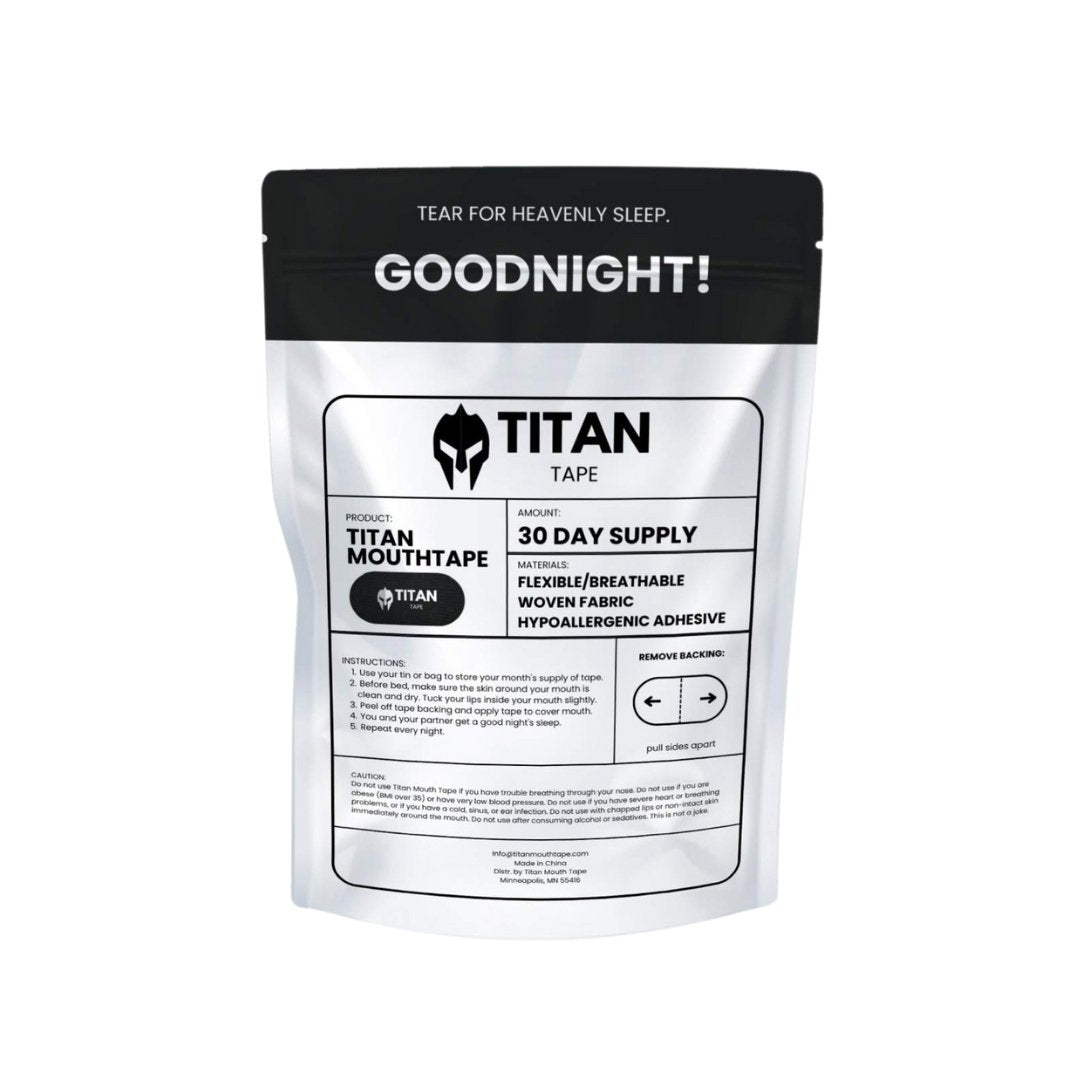
Standard mouth tape often fails on facial hair. Titan Mouth Tape is specifically designed with a bamboo silk material and adhesive formulation that holds through beards of all lengths without pulling, residue, or irritation.
Start Training Tonight
Titan Mouth Tape. Bamboo silk. Hypoallergenic. Beard-friendly. The simplest way to retrain your breathing during sleep.
Shop Titan Mouth TapeFree shipping. Better Sleep Guarantee. Under $0.54/night.