How to Breathe Better During Sleep (The Complete Nasal Breathing Guide)
Share
You breathe about 20,000 times a day. You don't think about any of them.
But the 7,000 breaths you take while you're asleep might be the most important ones — because they're the ones you can't control. And for most people, they're the ones going wrong.
There Are Two Ways to Breathe. One of Them Is Costing You.
Through your nose or through your mouth. Same air. Completely different outcome.
Your nose was engineered for breathing. That's not a metaphor — it's anatomy. Your nasal passages are lined with structures that filter particles, warm cold air, humidify dry air, and produce nitric oxide. Every breath through your nose passes through this system before reaching your lungs.
Your mouth was engineered for eating and speaking. It has none of these structures. No filtration. No humidification. No nitric oxide production. When air enters through your mouth, it arrives in your lungs raw — unfiltered, unconditioned, and without the molecule that may help your body absorb oxygen more efficiently.
During the day, this distinction is minor. You're upright, active, and mostly breathing through your nose without thinking about it.
During sleep, it's a different story.
What Happens When You Breathe Through Your Nose at Night
When your lips are closed and air flows exclusively through your nasal passages during sleep, a series of beneficial processes may occur:
Nitric oxide production. Your paranasal sinuses produce nitric oxide — a signaling molecule that research suggests may help dilate blood vessels in the lungs, potentially improving oxygen transfer from inhaled air into your bloodstream. This molecule is produced only during nasal breathing. Mouth breathing generates none.
Parasympathetic activation. Nasal breathing is associated with activation of the parasympathetic nervous system — the branch responsible for rest, recovery, and digestion. Research suggests this may lower heart rate, reduce blood pressure, and decrease cortisol levels. This is the physiological state your body needs to enter deep, restorative sleep stages.
Optimal CO2 balance. Nasal breathing creates more airflow resistance than mouth breathing, which slows the respiratory rate. This may help maintain appropriate CO2 levels in the blood. CO2 isn't just a waste gas — it plays a role in how hemoglobin releases oxygen to your tissues (known as the Bohr effect). When CO2 levels drop too low from rapid mouth breathing, oxygen delivery to cells may become less efficient.
Airway protection. When you breathe through your nose with your mouth closed, your tongue naturally rests against the roof of your mouth. This position helps maintain an open airway at the back of the throat. When the mouth falls open, the tongue tends to drop backward, potentially narrowing the airway — which is one of the primary mechanical contributors to snoring.
Oral health protection. Closed-mouth breathing allows saliva to remain in the mouth, bathing the teeth and gums in protective enzymes, minerals, and antibodies. Research suggests saliva plays a critical role in neutralizing acids, remineralizing enamel, and maintaining the balance of the oral microbiome.
What Happens When You Breathe Through Your Mouth at Night
When your mouth falls open during sleep — which research suggests happens to roughly 60% of adults at some point during the night — those protective processes are disrupted:
Nitric oxide production drops to zero. The parasympathetic nervous system may be suppressed in favor of sympathetic (fight-or-flight) activation. CO2 is expelled more rapidly, potentially reducing oxygen delivery efficiency. The tongue drops backward, which may narrow the airway and contribute to snoring. Saliva evaporates, leaving teeth, gums, and throat tissue unprotected.
The result, for many people, is a night that looks like sleep on the outside but doesn't produce full recovery on the inside.
The Signs You're Breathing Wrong at Night
Most people don't know how they breathe during sleep. But the signs are consistent and recognizable:
Dry mouth in the morning. If your mouth is dry when you wake up, it was open during the night. This is the most reliable indicator of nocturnal mouth breathing.
Morning breath that's worse than expected. Chronic bad breath that doesn't respond to good hygiene is often associated with overnight dry mouth, which may allow odor-causing bacteria to multiply unchecked.
Snoring. Snoring occurs when air vibrates through a partially obstructed airway. Mouth breathing is one of the most common contributors to this obstruction.
Waking up tired. If you consistently feel unrested despite sleeping 7-8 hours, the quality of your breathing during those hours may be a factor worth investigating.
Frequent cavities despite good hygiene. Dentists increasingly recognize a pattern of decay — especially on the front teeth — that is associated with chronic mouth breathing during sleep, likely due to reduced saliva flow.
Sore throat without illness. Dry, unhumidified air flowing over throat tissue for hours can cause morning soreness that resolves during the day.
Chapped or dry lips. If your lips are consistently dry or cracked in the morning, air has been flowing over them all night.
If three or more of these apply to you, nocturnal mouth breathing is worth considering as a contributing factor.
How to Switch to Nasal Breathing During Sleep
You can't consciously control your jaw position while you're unconscious. Your muscles relax during sleep. Your jaw drops. Your mouth opens. It's involuntary — which means willpower isn't a solution.
There are several approaches that may help promote nasal breathing during sleep:
1. Address Nasal Obstruction First
Before taping your mouth, make sure you can breathe comfortably through your nose. If you have chronic nasal congestion, allergies, a deviated septum, or nasal polyps, address those first — with your doctor if needed.
For mild congestion: a saline rinse before bed, nasal strips to physically open the nostrils, or a bedroom humidifier may help improve nasal airflow.
For chronic issues: a steroid nasal spray (available over the counter) or evaluation by an ENT specialist may be appropriate.
If you can't breathe comfortably through your nose while awake, mouth taping during sleep is not recommended. The nose needs to be functional before the mouth is closed.
2. Mouth Taping
Mouth taping involves applying a strip of tape across the lips before bed to gently hold them together during sleep. This encourages the jaw to stay closed, the tongue to rest against the palate, and air to flow through the nasal passages.
It's simple — five seconds to apply, removed in the morning. No devices, no prescriptions, no ongoing costs beyond the tape itself.
For most healthy adults who can breathe comfortably through their nose, mouth taping is a low-risk practice that many people report finding helpful for reducing dry mouth, decreasing snoring, and improving subjective sleep quality.
Important: Mouth taping is not a treatment for obstructive sleep apnea or any other medical condition. If you suspect you have sleep apnea — characterized by witnessed breathing pauses, gasping, choking, or extreme daytime sleepiness — see a doctor for evaluation before trying mouth taping.
3. Daytime Nasal Breathing Practice
If you're a habitual mouth breather during the day, your body may default to the same pattern at night. Consciously practicing nasal breathing during the day — during walks, while working, during light exercise — may help retrain the habit.
Some practitioners recommend Buteyko breathing exercises, which focus on gentle nasal breathing, reduced breathing volume, and improved CO2 tolerance. While research on Buteyko specifically is limited, the general principle of training nasal breathing habits during the day is well-supported.
4. Sleep Position
Back sleeping tends to promote mouth opening and tongue displacement. Side sleeping may help keep the airway more open and reduce the tendency to mouth breathe. If you snore primarily on your back, a positional change may help — even before adding mouth tape.
5. Elevate the Head
A slight elevation of the head (15-30 degrees) using a wedge pillow or adjustable bed may help reduce nasal congestion and improve airflow through the nasal passages. This can complement mouth taping by making nasal breathing easier and more comfortable.
How to Start Mouth Taping (First-Timer Guide)
If you've never taped your mouth before, here's how to start safely:
Test during the day first. Apply the tape while you're awake — watching TV, reading, doing something relaxed. Breathe exclusively through your nose for 20-30 minutes. If you feel comfortable and can breathe easily, you're ready to try it during sleep.
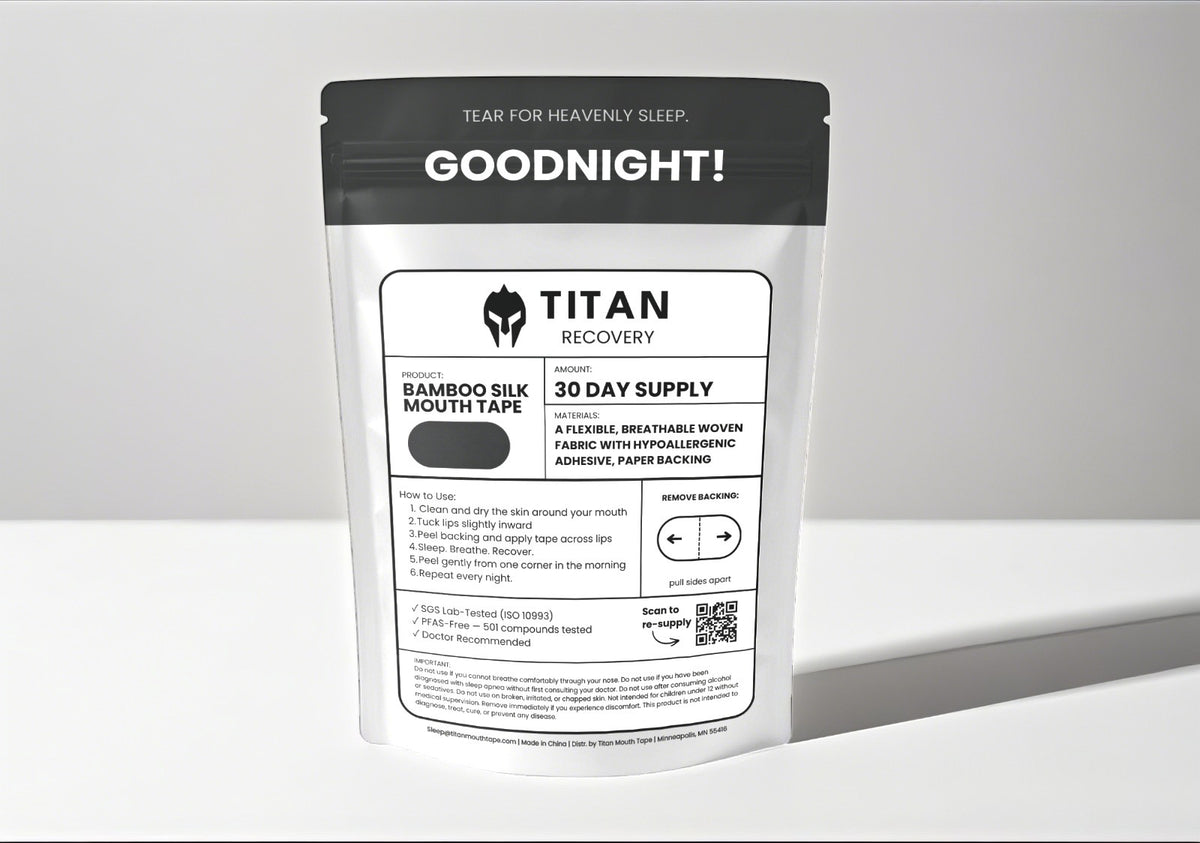
Choose the right tape. Don't use duct tape, packing tape, or random adhesive tape. Use a tape designed specifically for mouth taping during sleep — made from a breathable material (bamboo silk or medical-grade fabric) with an adhesive that has been tested for skin safety. Your lips and the surrounding skin are delicate and absorbent. What you put there matters.
Start with one night. Apply the tape, go to sleep. Most people feel slightly strange the first night and completely normal by the second or third. If you feel panicky or unable to breathe, remove the tape — it peels off easily. The practice isn't for everyone, and that's fine.
Give it a week. The benefits of nasal breathing during sleep — reduced dry mouth, less snoring, improved subjective sleep quality — typically become noticeable within 3-7 nights. One night isn't enough to evaluate.
Make it consistent. Like most health practices, the benefits of nasal breathing during sleep may compound over time. Occasional use is better than none, but nightly use is where most people report the most significant changes.
What to Look for in Mouth Tape
If you're going to tape your mouth every night, the material and adhesive matter. Here's what to evaluate:
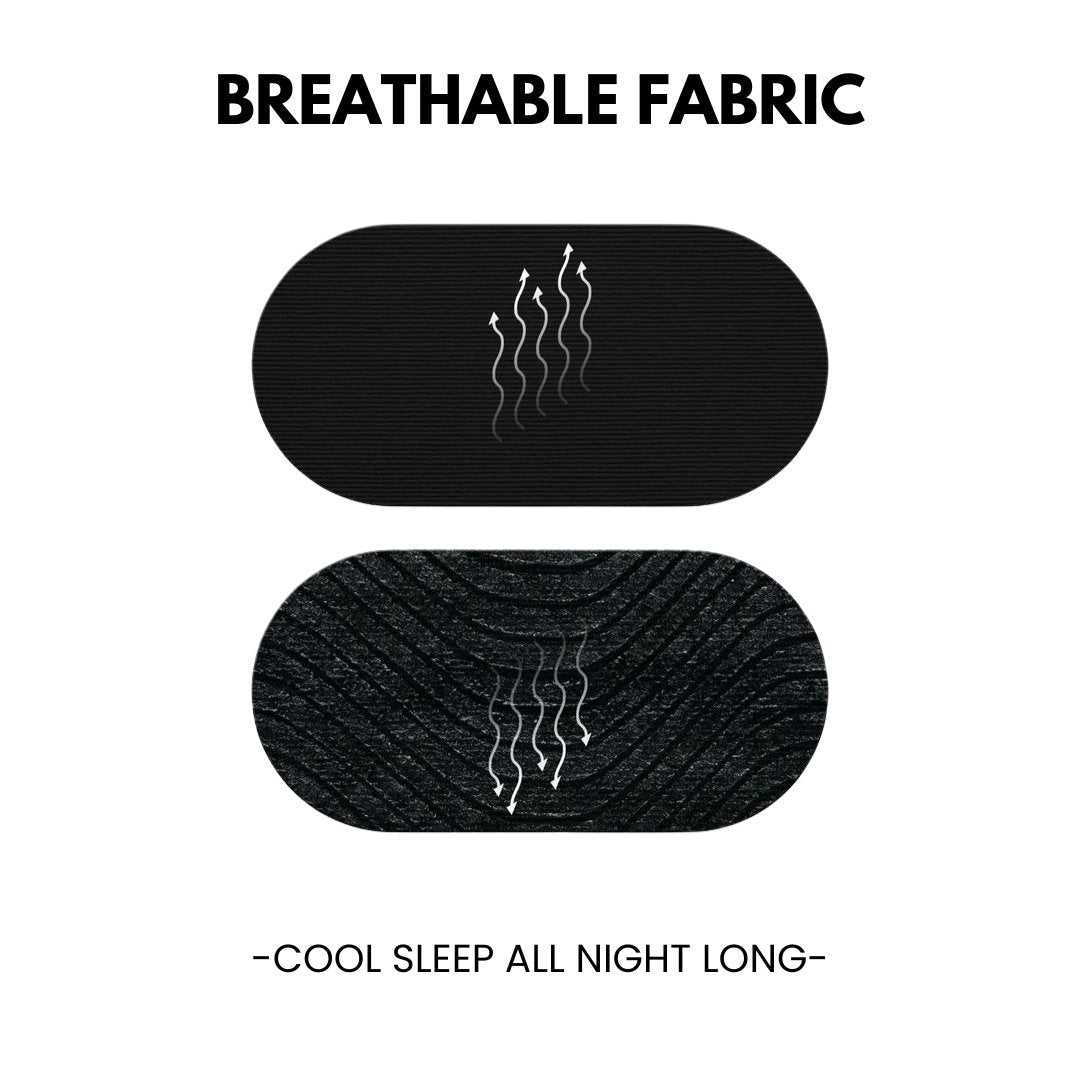
Material: Breathable, soft, and comfortable enough to forget you're wearing it. Bamboo silk is naturally antibacterial, moisture-wicking, and soft against skin. Avoid rigid plastic strips or kinesiology tape — these weren't designed for overnight facial use.
Adhesive safety: Look for a tape whose adhesive has been independently tested for biocompatibility under ISO 10993 standards — specifically cytotoxicity (cell safety), skin sensitization (allergy), and skin irritation. If the brand hasn't tested and published this data, they don't know whether their adhesive is safe for nightly use on your face.
PFAS screening: PFAS ("forever chemicals") have been found in adhesive products across multiple consumer categories. A comprehensive PFAS screening tests for 500+ individual compounds. If the brand hasn't screened for PFAS, ask why.
Beard compatibility: If you have any facial hair, make sure the tape is designed for it. Most aren't.
No logo: A clean, unbranded strip looks intentional. A tape with a logo across it looks like a billboard. This matters more than you'd expect, especially for couples.
The Simplest Change
You control your diet. You control your exercise. You control your screen time before bed. You control your caffeine intake, your sleep schedule, and your bedroom temperature.
But until you control how you breathe during the 7-8 hours you're unconscious, you're leaving the most fundamental variable of sleep quality unaddressed.
Nasal breathing during sleep isn't a hack. It isn't a trend. It's how your body was designed to breathe when it's at rest. Mouth taping is simply a tool that may help ensure it happens — even when your conscious mind isn't there to manage it.
One strip. Five seconds. Every night. And you may finally understand the difference between sleeping and recovering.
Doctor Recommended: "As a maxillofacial surgeon and dentist, I recommend Titan Mouth Tape. Nasal breathing during sleep is essential for airway health and deep restorative rest. Titan's bamboo silk design is the most comfortable and effective mouth tape I have tested. If you struggle with snoring, dry mouth, or poor sleep quality, this is the simplest change you can make for your health." — Dr. Francois P., MD, DDS — Maxillofacial Surgeon
Lab-Tested Safety: Titan's SilkSeal™ adhesive is independently tested by an independent, globally accredited laboratory to ISO 10993 medical device standards. Non-toxic (95% cell viability). Non-allergenic (0% reaction rate). Non-irritating (score 0.0/8.0). PFAS-free — 501 compounds tested, zero detected. compliant with European chemical safety standards — 250 toxic substances screened, all clear. See full test results →
Try it tonight. Bamboo silk. SilkSeal™ adhesive. Beard-friendly. No logo on the tape. Free shipping. 30-night Better Sleep Guarantee. Shop Titan Mouth Tape →
This article is for informational purposes only and does not constitute medical advice. If you have or suspect a sleep disorder or other medical condition, consult a qualified healthcare provider before making changes to your routine.