Does Mouth Tape Work?
Share
You have seen it on TikTok. Your friend swears by it. Your partner wants you to try it. But does mouth tape actually work, or is it just another wellness trend with more hype than substance?
The honest answer: it works for most people, for specific problems, with some limitations. Here is what the evidence actually says.
What Mouth Tape Does
Mouth tape keeps your lips sealed during sleep, which forces nasal breathing. That is it. It does not treat disease, fix structural problems, or replace medical devices. It changes your breathing route from mouth to nose for the eight hours you are asleep.
The question is whether that change produces meaningful benefits. For most healthy adults, it does.
What the Research Shows
A 2022 study in Healthcare found that mouth tape reduced snoring intensity and frequency in patients with mild obstructive sleep apnea. A retrospective survey in Sleep and Breathing found that 65% of mouth tapers reported reduced snoring and 58% reported improved sleep quality after four or more weeks.
The underlying mechanism — nasal breathing — has much stronger evidence. Nasal breathing produces nitric oxide (improving oxygen absorption by 10 to 18 percent), creates airway resistance that keeps the lungs inflated longer, activates the parasympathetic nervous system, and maintains airway patency by keeping the jaw supported and tongue forward.
Mouth tape is simply the delivery mechanism for nasal breathing during sleep.
What Most People Notice
The most commonly reported benefits — based on published surveys and customer reviews across multiple brands — are no dry mouth or sore throat in the morning, reduced or eliminated snoring, feeling more rested from the same amount of sleep, better energy and focus in the morning, and improved HRV scores on wearables like Oura and Whoop.
Most people notice the dry mouth and snoring improvements on night one. The energy and recovery benefits compound over the first two to four weeks.
What Mouth Tape Does Not Do
Mouth tape does not cure sleep apnea. If you have moderate to severe obstructive sleep apnea, mouth tape is not a replacement for CPAP or other prescribed treatments. It can complement CPAP (by preventing mouth leaks with nasal masks), but it cannot replace it.
Mouth tape does not work if you cannot breathe through your nose. If you have chronic nasal obstruction from polyps, a severely deviated septum, or untreated allergies, resolve the underlying issue first.
Mouth tape does not sharpen your jawline, cure bad breath permanently, or strengthen your immune system. These are social media claims with no meaningful evidence behind them.
The Material Matters
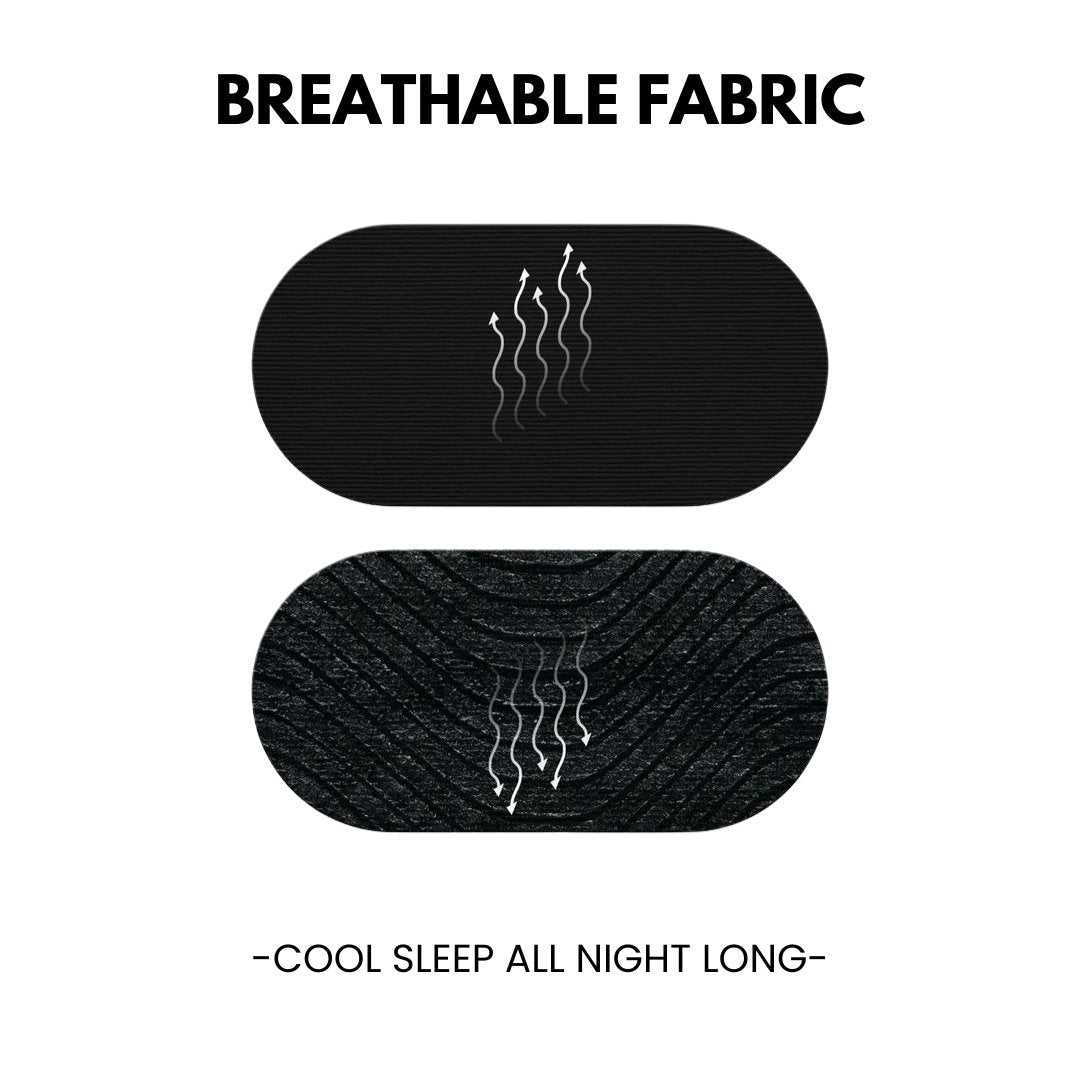
Mouth tape works — but the wrong tape can create new problems. Cheap adhesives cause skin irritation with nightly use. Paper tape falls off by 2 AM. Tape with printed logos puts ink against your skin. The wrong material makes the experience uncomfortable enough that people quit — and conclude mouth taping does not work.
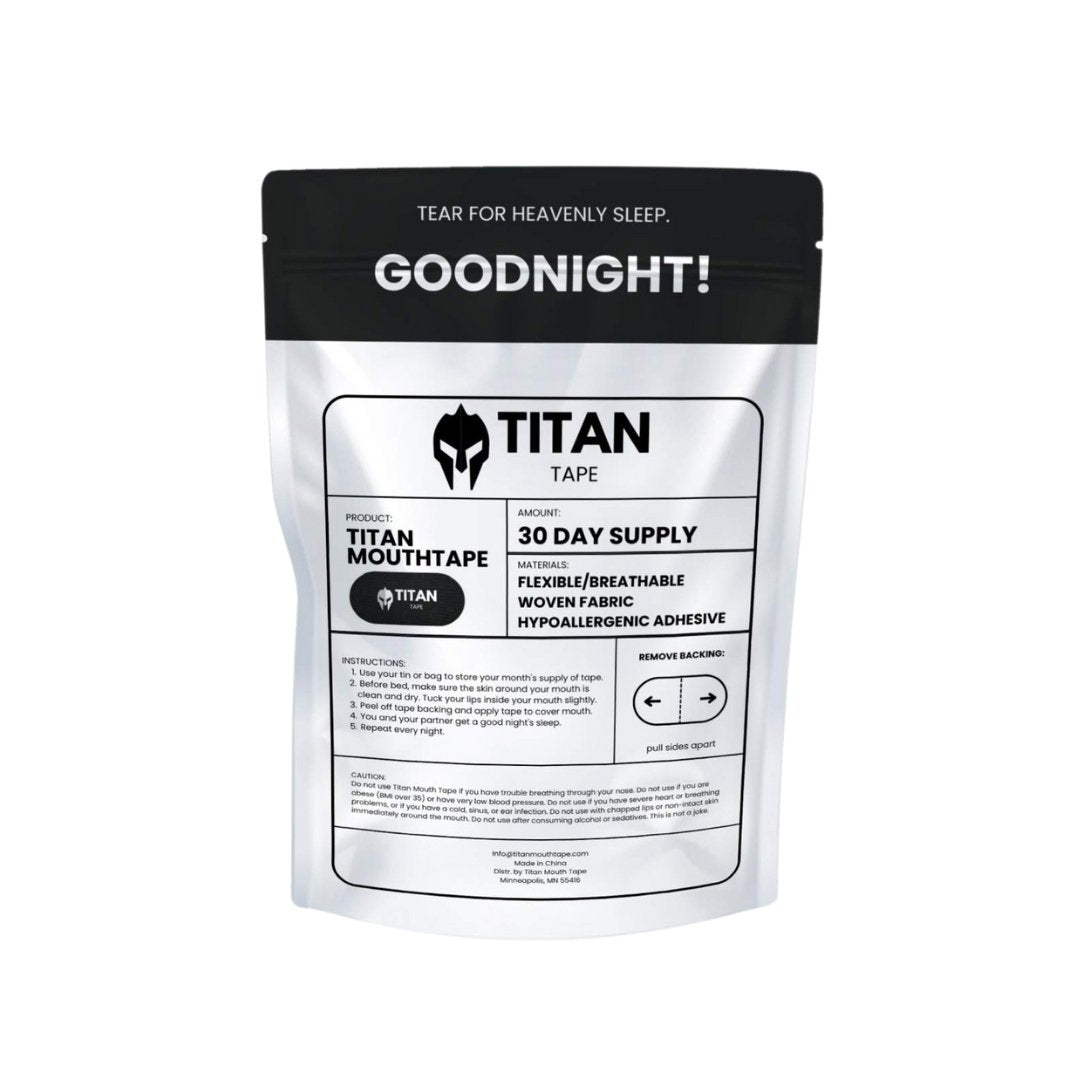
Titan Mouth Tape is bamboo silk with SilkSeal — our proprietary medical-grade adhesive, independently tested by SGS to ISO 10993 standards. Non-toxic, non-allergenic, non-irritating. No ink on the tape. Holds all night, including through beards. Zero residue.
The product works. The material determines whether you stick with it.
Doctor Recommended: "As a maxillofacial surgeon and dentist, I recommend Titan Mouth Tape. Nasal breathing during sleep is essential for airway health, jaw alignment, and deep restorative rest. Titan's bamboo silk design is the most comfortable and effective mouth tape I have tested." — Dr. Francious Proulx, MD, DDS — Maxillofacial Surgeon
Lab-Tested Safety: Titan's SilkSeal™ adhesive is independently tested by SGS to ISO 10993 medical device standards. Non-toxic (exceeded safety threshold by 25%). Non-allergenic (0% reaction rate). Non-irritating (score 0.0/8.0). See full test results.